
Why should you not miss the Church of Christ’s Resurrection in Podgorica?
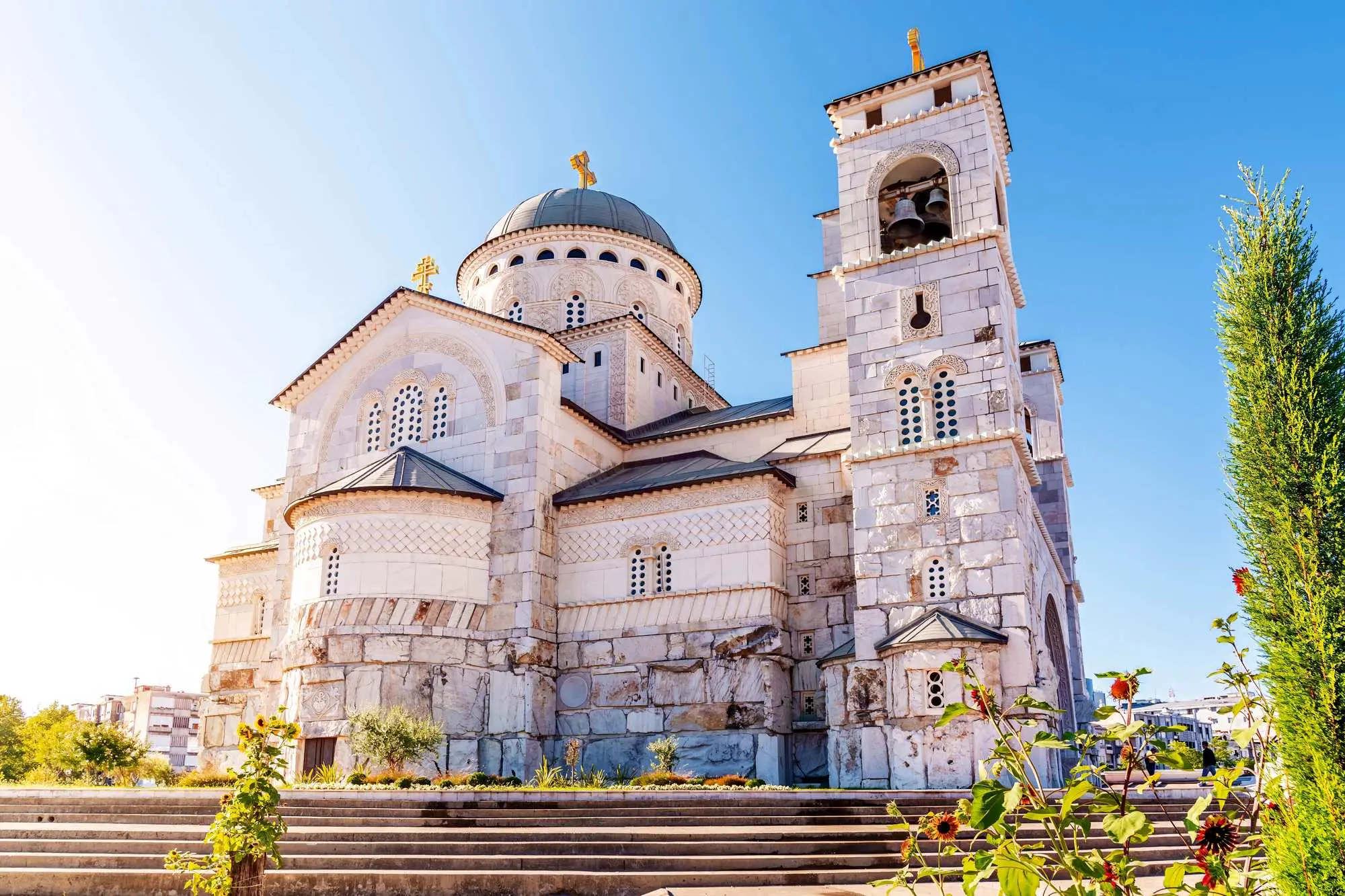
In the newer part of Podgorica, where the streets branch off toward modern neighborhoods and administrative buildings, a cathedral has risen that in a short time has become one of the city’s most recognizable landmarks. The Cathedral of the Resurrection of Christ is situated in the Nova Varoš district. This area experienced rapid development following the city’s significant population growth at the end of the twentieth century. Its monumental silhouette with white stone walls and golden domes dominates the skyline and clearly reflects the ambition to become the spiritual and cultural center of Montenegro.
Church of Christ’s Resurrection, Podgorica, Photo: Arunny1975 Depositphotos
Construction began in 1993, at a time when the region was still feeling the consequences of wars and political turmoil. The very decision to raise a cathedral of such dimensions in Podgorica was a sign of the desire for spiritual renewal and a return to roots, at a moment when people were seeking support in faith and tradition. After two decades of building and decoration, the church was solemnly consecrated in 2013, precisely in the year marking the 1700th anniversary of the Edict of Milan, the document that granted Christianity freedom of worship in the Roman Empire. With this act, the cathedral gained an additional dimension and became a kind of monument to the idea of religious freedom and the continuity of Orthodoxy in the Balkans.
Church of Christ’s Resurrection, Podgorica, Photo: Arunny1975 Depositphotos
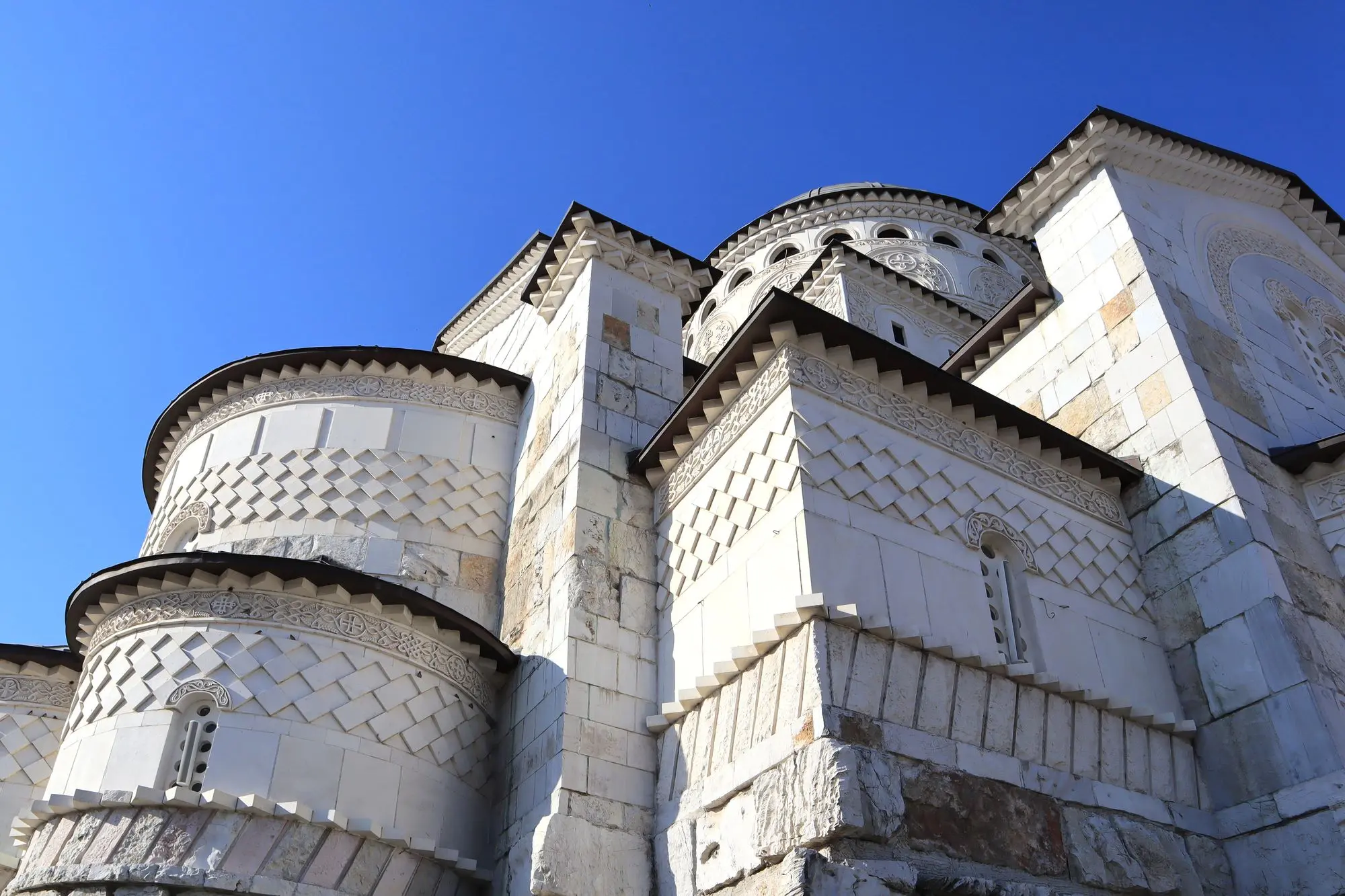
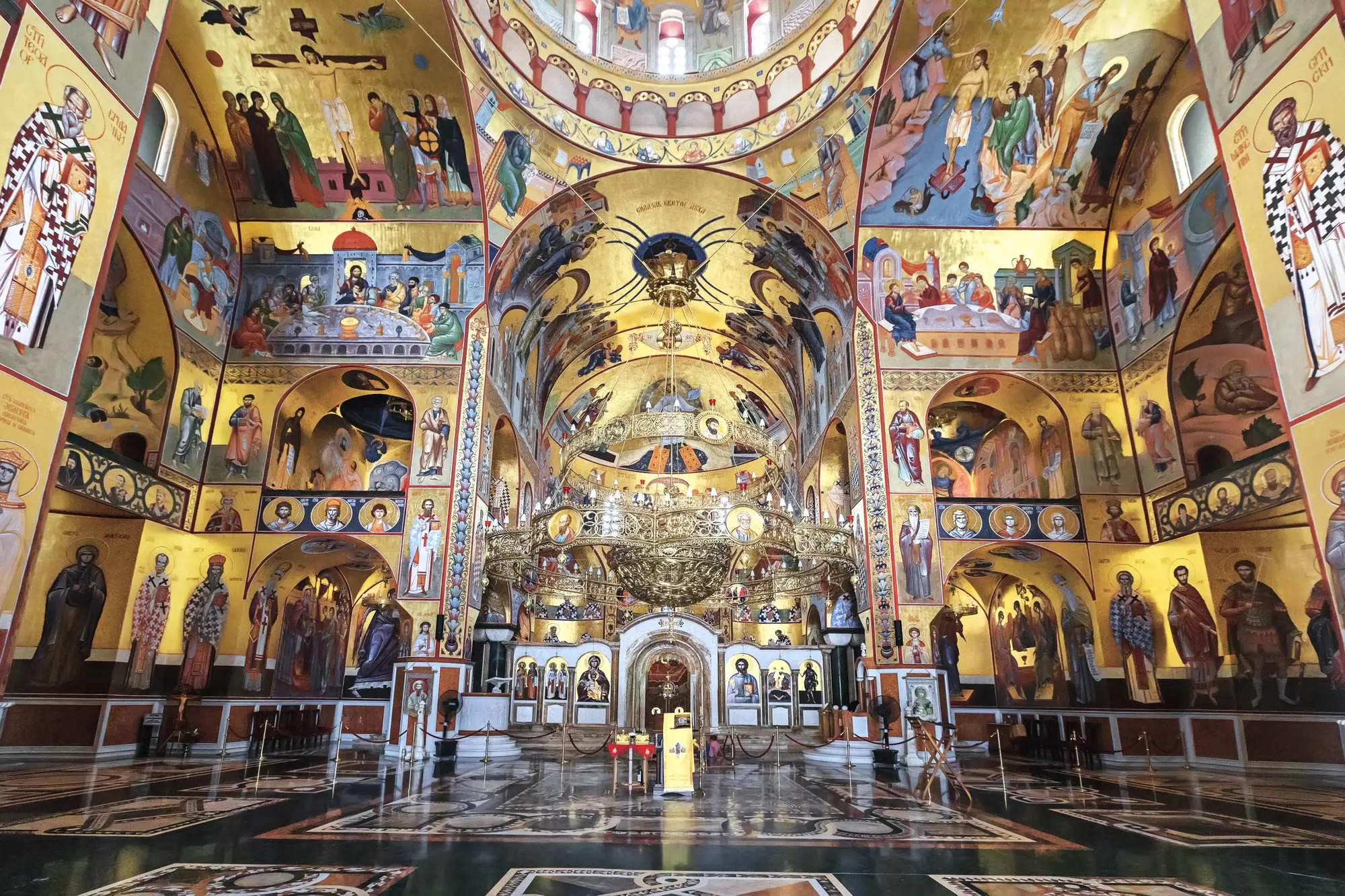
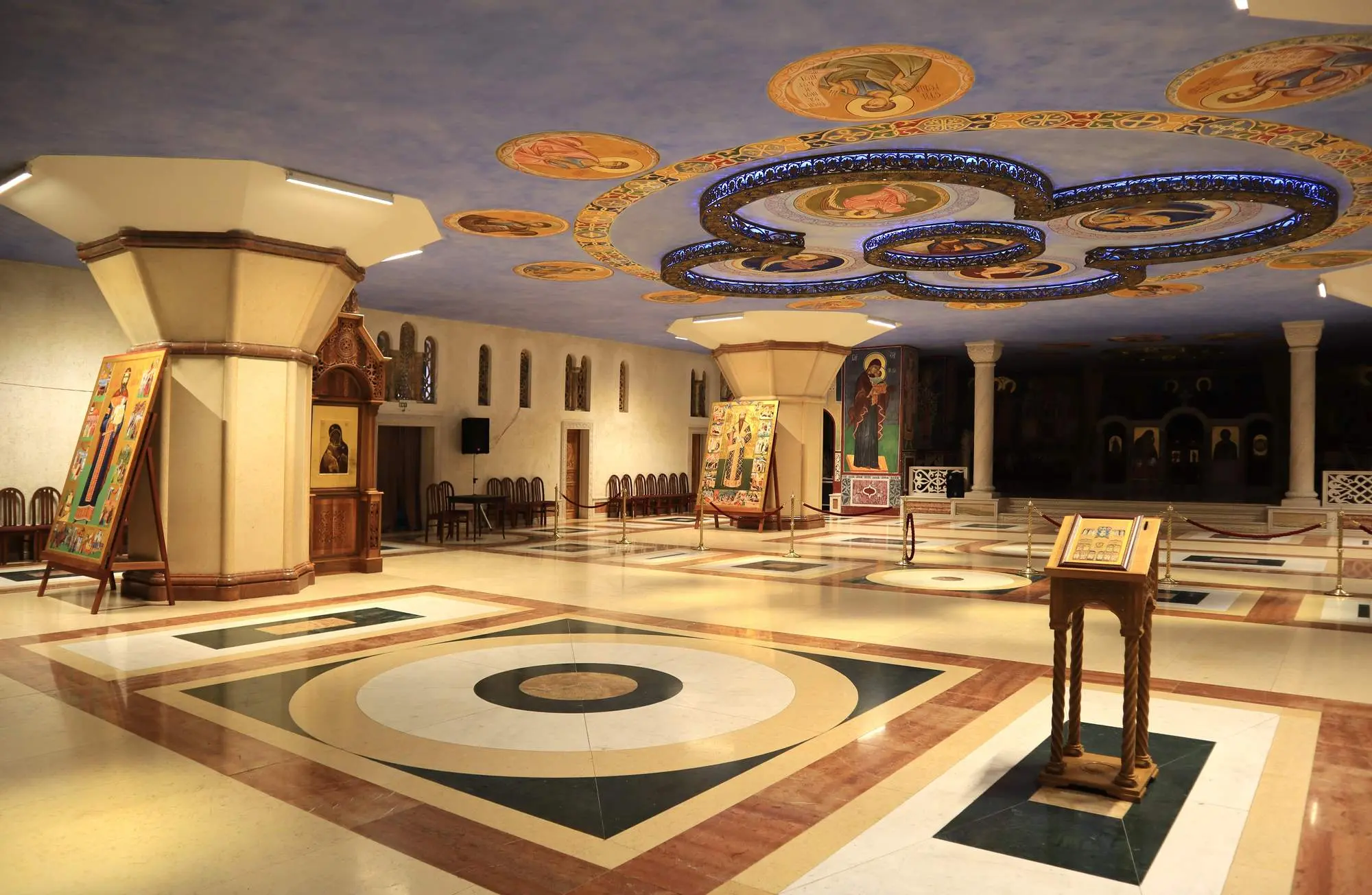
Architect Predrag Ristić designed a structure that blends different stylistic elements. Although inspired by Byzantine architecture, the cathedral does not strictly copy past patterns. Instead of perfect symmetry and repetition, it combines Byzantine monumentality with a Mediterranean atmosphere and occasional Romanesque details. Two massive bell towers frame the entrance, while the central dome rising high into the sky symbolizes the soul’s ascent toward God. Inside, visitors are greeted by lavish frescoes, golden mosaics, and marble floors that give the impression of stepping into a place where time does not exist. The cathedral also has one of the largest bells in the region, weighing eleven tons, whose deep toll marks significant moments in the life of the city and the country.
Church of Christ’s Resurrection, Podgorica, Photo: Arunny1975 Depositphotos
The frescoes draw particular attention. In addition to the usual biblical scenes, the walls also depict modern historical figures, which is rare in Orthodox iconography. The most debated is the fresco where Karl Marx, Friedrich Engels, and Josip Broz Tito are portrayed in hell. The message is clear: ideologies that shaped the twentieth century and often suppressed religion are presented as enemies of faith. Although controversial, the fresco has become one of the cathedral’s most famous attractions, an extra layer of storytelling that appeals to both the faithful and curious visitors. It should be noted that this is not the only example of such symbolism in Montenegro. In Ostrog, in the fifteenth-century monastery, Adolf Hitler, Vladimir Lenin, and Josip Broz Tito are painted together with Judas as a group of traitors, showing that frescoes have often served as a space for direct messages about the times in which they were created.
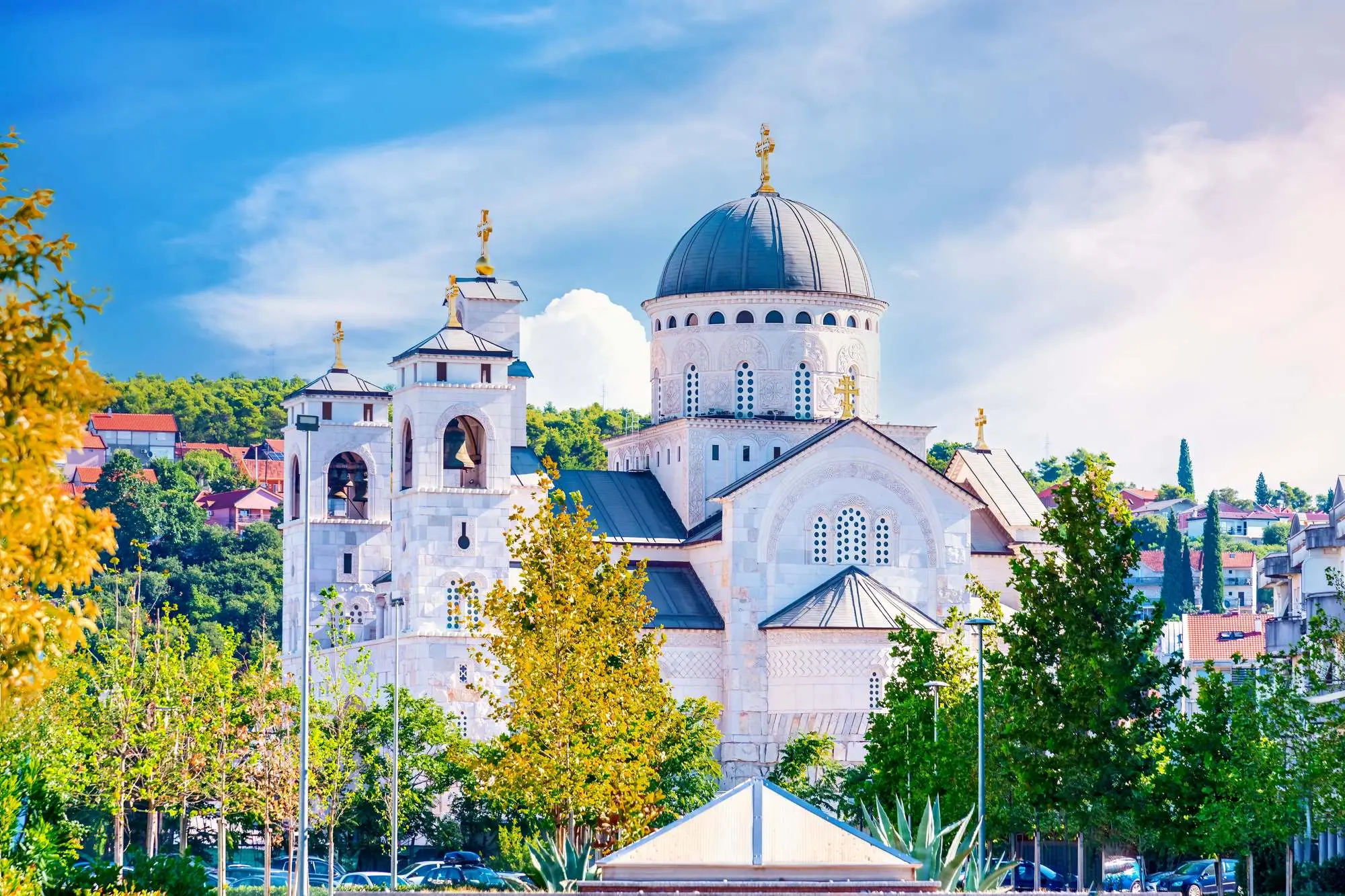
Church of Christ’s Resurrection, Podgorica, Photo: Arunny1975 Depositphotos
Although travelers to Podgorica usually come seeking traces of the past, the old streets of Stara Varoš, or memories of Ottoman and Venetian times, the Cathedral of the Resurrection of Christ demonstrates that even contemporary architecture can become a cultural and tourist attraction. Built only at the end of the twentieth and the beginning of the twenty-first century, it has, with its appearance and symbolism, established itself as one of the city’s must-see landmarks. It brings together the ambition of the modern city with the heritage of Orthodox tradition, and today it attracts not only believers but also all those who want to understand how Montenegro shapes its identity between past and present.

Sara Sedić
I plan to live in the moment :)
Leave a Reply