
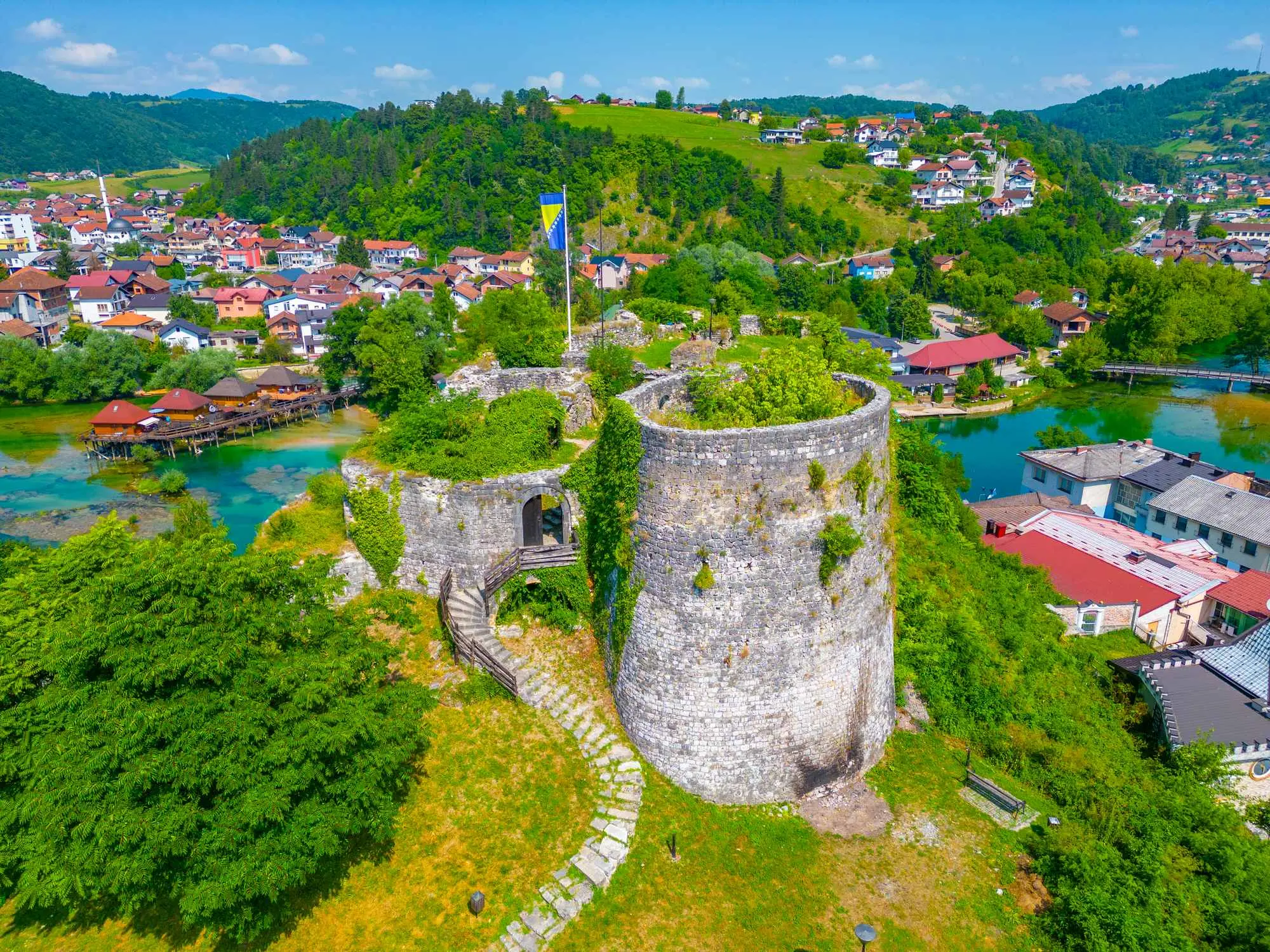
Above the emerald Una stands the fortress that shaped the fate of Bosanska Krupa
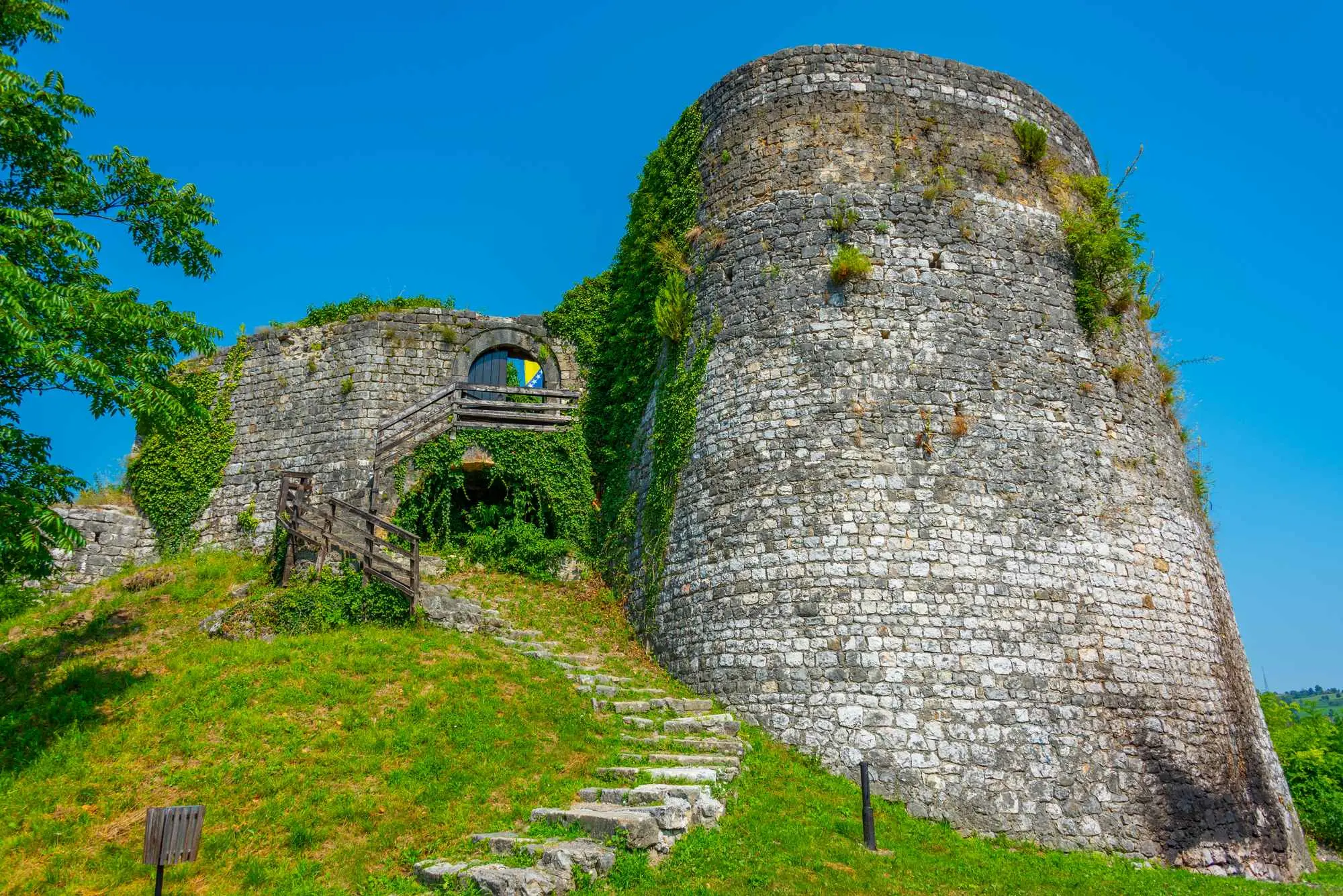
On a steep rock above the emerald Una stands a fortress that is not just stone and walls but an extension of the city’s own history. The Old Town of Bosanska Krupa, also known as Old Town Pset, rises above present-day Bosanska Krupa as a silent witness to centuries of wars, changes of rule, trade routes, and destinies that broke here as powerfully as the flow of the Una beneath its ramparts. The history of Krupa cannot be separated from this fortress, because the town was born in its shadow, grew alongside it, and defended itself from within it.
Old Town of Bosanska Krupa Photo: Dudlajzov Depositphotos
The earliest traces of a fortified settlement at this site are linked to the late Middle Ages, although the strategic position above the river valley was important even earlier. In written sources, Krupa is first mentioned in the thirteenth century as part of the medieval Bosnian state, at a time when local nobles and bans sought to control trade and military routes toward the north and west. The fortress above the Una was not yet the monumental structure recognizable today in its layout, but rather a functional military point that supervised river crossings and protected the surrounding settlement.
The true rise of the fortress comes in the fifteenth and sixteenth centuries, during the period when Bosanska Krupa became one of the key strongholds on the border between the Ottoman Empire and the Habsburg Monarchy. After the Ottoman conquest of Bosnia in 1463, Krupa remained outside direct Ottoman control for almost another century. It was precisely then that the fortress gained its full military importance, becoming the frontline of defense of the western regions. The ramparts were expanded, towers reinforced, and the garrison constantly strengthened, as Krupa was often the first target of Ottoman advances toward the northwest.
In 1565, a turning point occurred that permanently changed the fate of both the town and the fortress. After prolonged fighting and sieges, Bosanska Krupa fell under Ottoman rule. The fortress then entered a new historical cycle. The Ottomans further fortified it, adapted it to artillery warfare, and transformed it into a strong border stronghold. Parts of the walls and defensive structures that are still visible today date from this period. The town below the fortress developed as a kasaba, with mosques, a bazaar, and bridges, while the fortress remained the military heart of the entire area.
During the seventeenth and eighteenth centuries, Krupa and its fortress were constantly exposed to the turmoil of war. Austro-Ottoman wars, frontier conflicts, and frequent sieges left marks on the walls, but also in the collective memory of the population. The fortress resisted attacks on several occasions, earning a status of almost legendary invincibility among the local people. Nevertheless, with the development of modern warfare and changing borders, its military importance gradually declined.
Old Town of Bosanska Krupa Photo: Dudlajzov Depositphotos
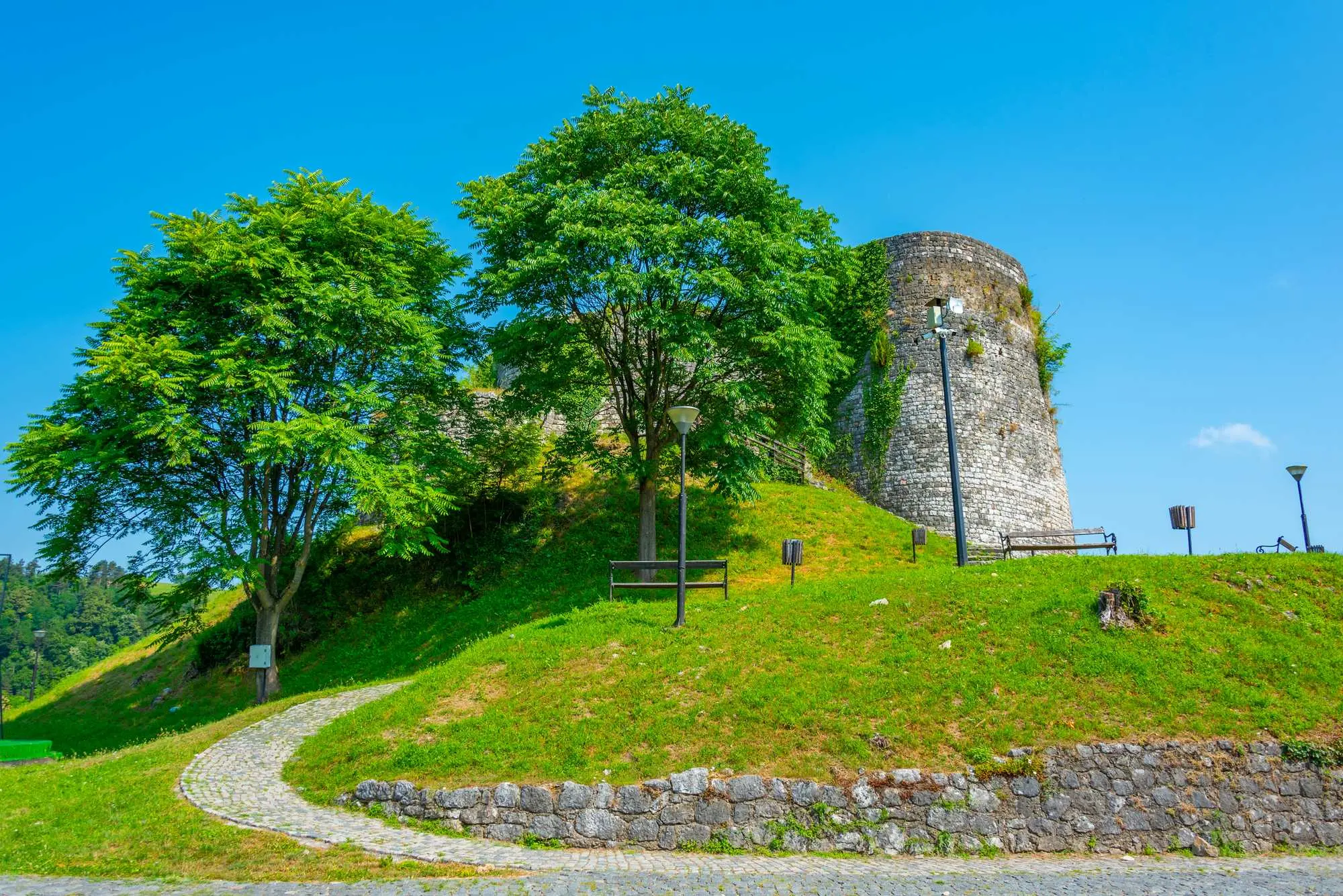
With the arrival of Austro Hungarian rule at the end of the nineteenth century, the fortress lost its defensive function and slowly became a historical relic. Parts of the walls collapsed, some structures fell into neglect, but the silhouette of the Old Town remained dominant above the Una. The town expanded downstream and along the riverbanks, yet the view toward the rock with the fortress remained an inseparable part of the identity of Bosanska Krupa.
Today, the Old Town of Bosanska Krupa no longer guards the borders of empires, but it guards stories. From the top of the fortress, the view stretches far into the distance, making it clear how well it once served the guards. It is certainly worth visiting if your journey leads you toward Bosanska Krupa.

Sara Sedić
I plan to live in the moment :)


Leave a Reply