
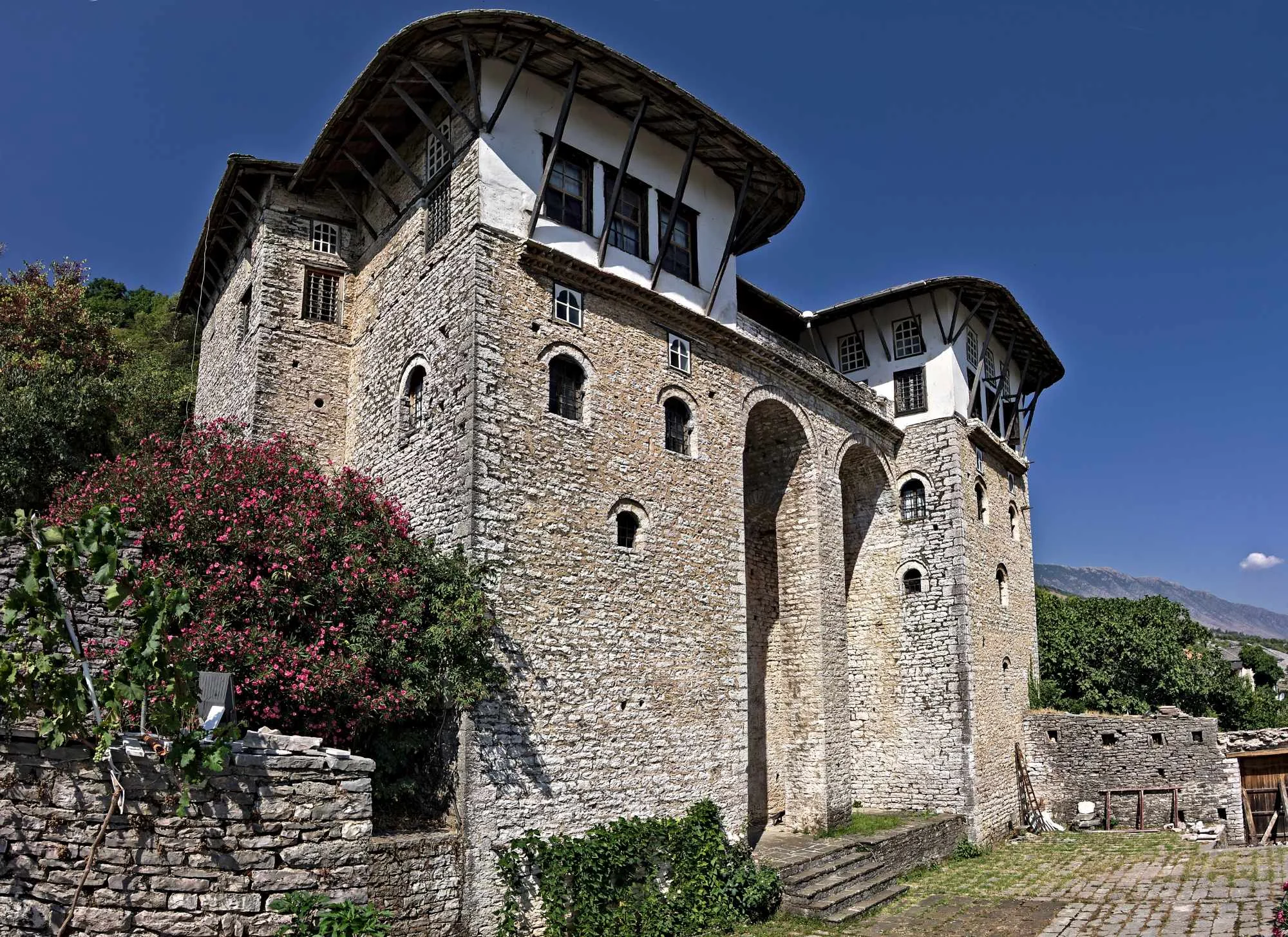
Zekate House in Gjirokastër, a masterpiece of Ottoman architecture preserving the story of the City of Stone
On the steep slopes of Gjirokastër, among the stone houses that earned the city its nickname, the “City of Stone,” stands a remarkable residence that has captivated travelers, historians, and architecture enthusiasts for more than two centuries. Zekate House is not only a magnificent family residence but also one of the finest examples of traditional urban architecture in southern Albania. Its stone walls, defensive towers, and richly decorated rooms reflect a time when wealthy Albanian families built homes that symbolized power, security, and prestige.
The house was built between 1811 and 1812 for Beqir Zeko, a senior official in the administration of Ali Pasha of Tepelena, one of the most influential rulers of the Ottoman Empire in the Epirus region during the early nineteenth century. Beqir Zeko belonged to a wealthy and respected family, and his residence was designed to display the family’s wealth, political influence, and social standing.
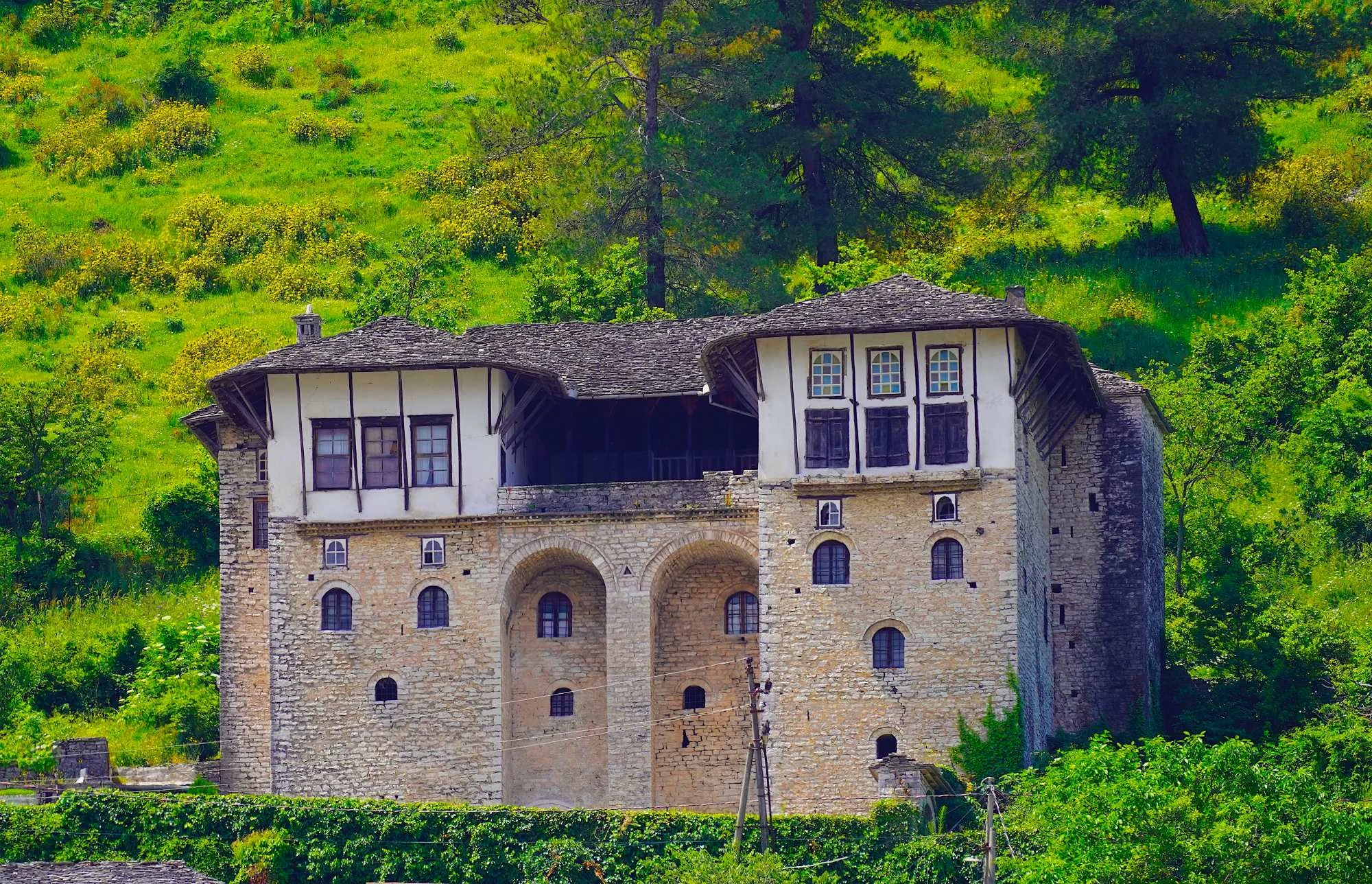
Zekate Photo: Gjirokastra1, CC BY-SA 4.0
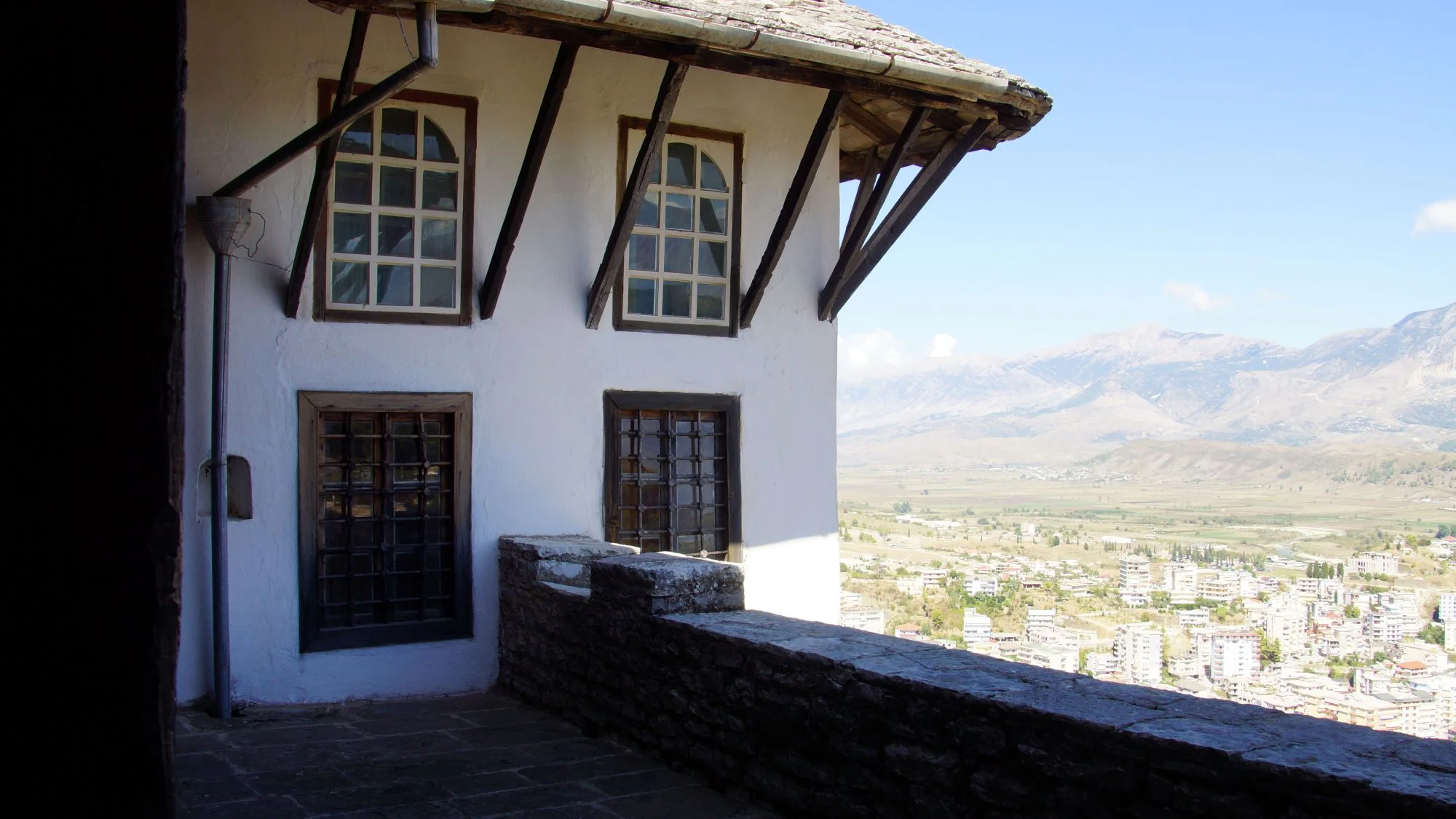
Located in the Palorto neighborhood high above the old town, the house dominates the city’s skyline. Its terraces and windows overlook the Drino Valley and the surrounding hills, giving the residence both strategic importance and an impressive setting.
Architecturally, the house represents the peak of the urban fortified tower house, known as a kulla. Such residences were typical of wealthy families in southern Albania. Built with thick stone walls for protection against attacks, the upper floors feature timber construction with large windows that fill the spacious rooms with natural light. Zekate House is especially recognizable for its two massive towers connected by a striking double-arched façade, one of its most distinctive architectural features.
Zekate Photo: Sonia Budini, CC BY-SA 4.0
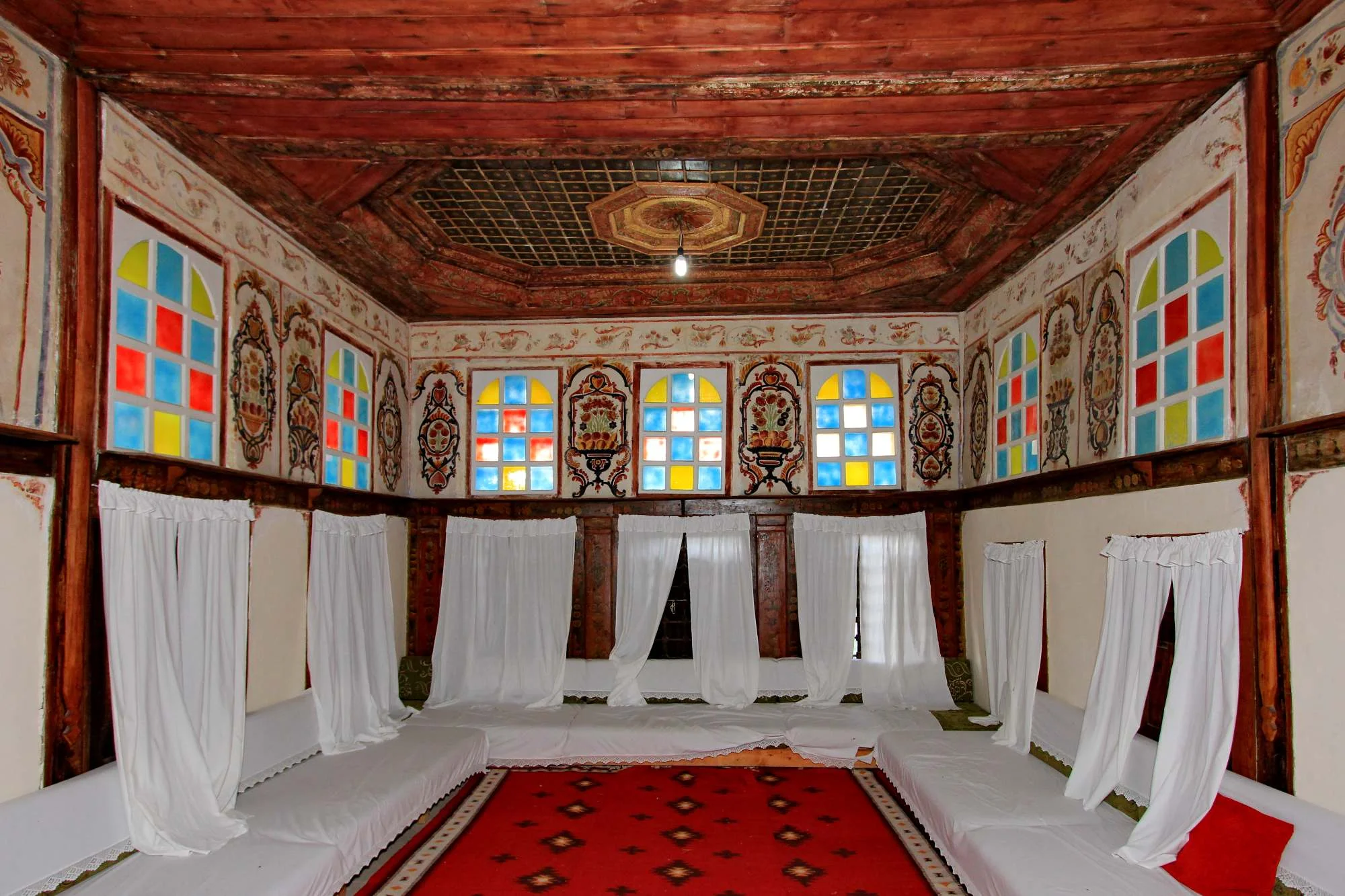
The interior is just as impressive as the exterior. The lower levels were used for storage, kitchens, and water cisterns, while the upper floors were reserved for the family’s daily life and for welcoming distinguished guests. The most magnificent room is the grand reception hall, decorated with beautifully carved wooden ceilings, richly adorned walls, decorative niches, and a large fireplace that once formed the heart of the household’s social life.
Many interior details reveal a blend of Ottoman elegance and local Albanian tradition. Intricately carved woodwork, painted ceilings, built-in wall cabinets, and carefully designed windows create a harmonious balance between practicality and luxury. At the same time, the narrow defensive openings in the walls remind visitors that houses like this also had to protect their inhabitants during uncertain times.
Zekate Photo ShkelzenRexha, CC BY-SA 4.0
What makes Zekate House truly exceptional is not only its size but also its remarkable state of preservation. While many historic houses in the city deteriorated or were repurposed during the twentieth century, this residence remains one of the best-preserved examples of traditional architecture. Following the communist era, it was returned to the Zeko family, carefully restored, and opened to visitors as a private museum.
The house holds a special place in the history of Gjirokastër, a city inscribed on the UNESCO World Heritage List in 2005 for its exceptionally well-preserved collection of Ottoman-era stone houses. Zekate House is regarded as one of the finest examples of this unique architectural heritage and is often considered a symbol of the city’s architectural identity.
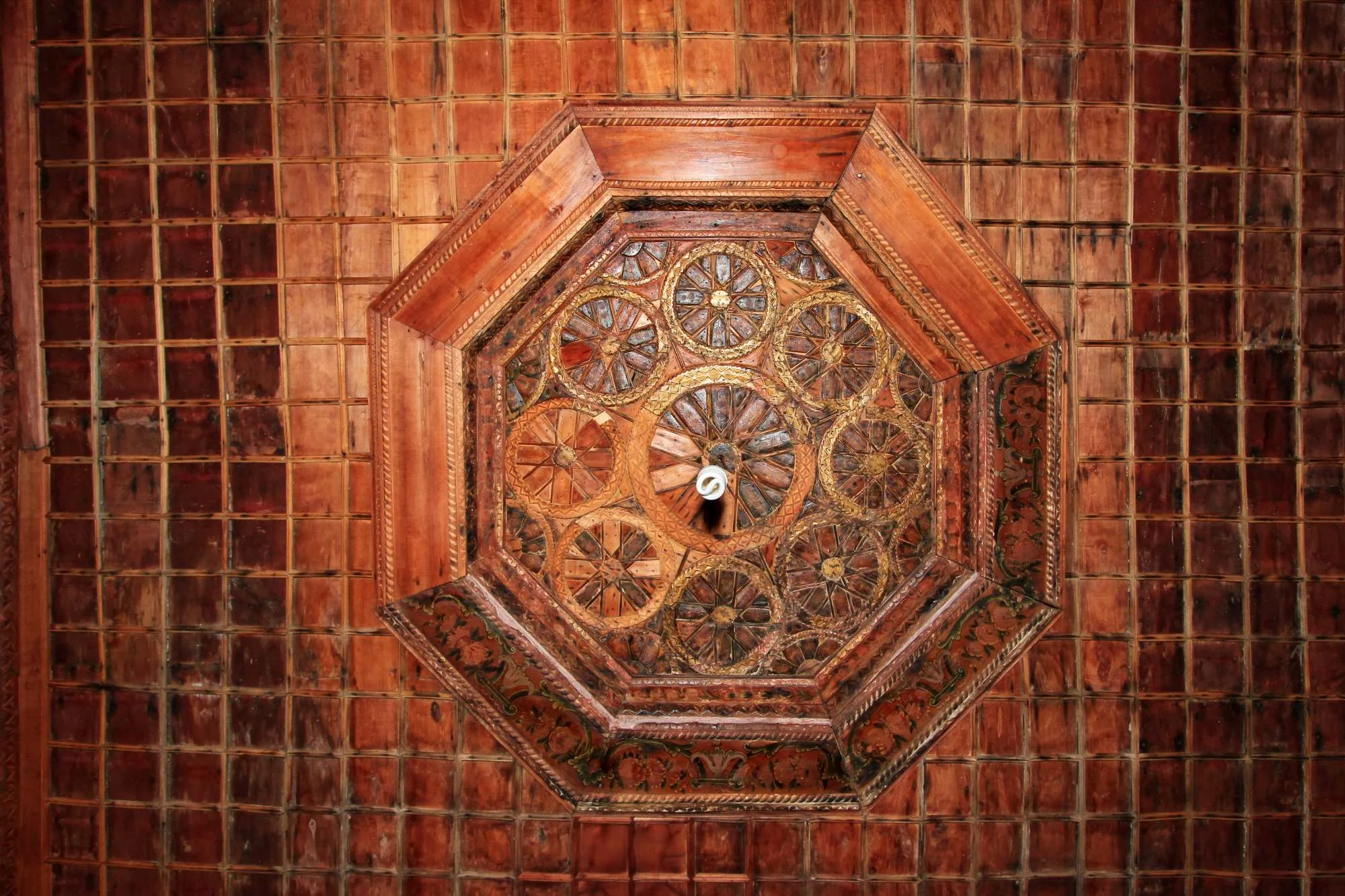
Zekate Photo ShkelzenRexha, CC BY-SA 4.0
A visit to Zekate House offers a rare opportunity to step into the everyday life of a wealthy Albanian family at the beginning of the nineteenth century. Every room, every stone wall, and every wooden ornament tells the story of a period when Gjirokastër was an important administrative and commercial center under Ottoman rule. That is why this remarkable house is far more than a tourist attraction. It is one of Albania’s most valuable cultural monuments and one of the best places to understand why Gjirokastër rightfully ranks among the most beautiful historic cities in the Balkans.
Admission is 300 lek, approximately 3 euros, and the house is open daily from 8:00 in the morning until late in the evening. After your visit, you can relax in the peaceful courtyard with a refreshing drink from the bar and enjoy the unique atmosphere and tranquility.

Paula Kovačić Taha
Once I saw that there was a bigger world out there, so I made myself be a part of it.

Leave a Reply