
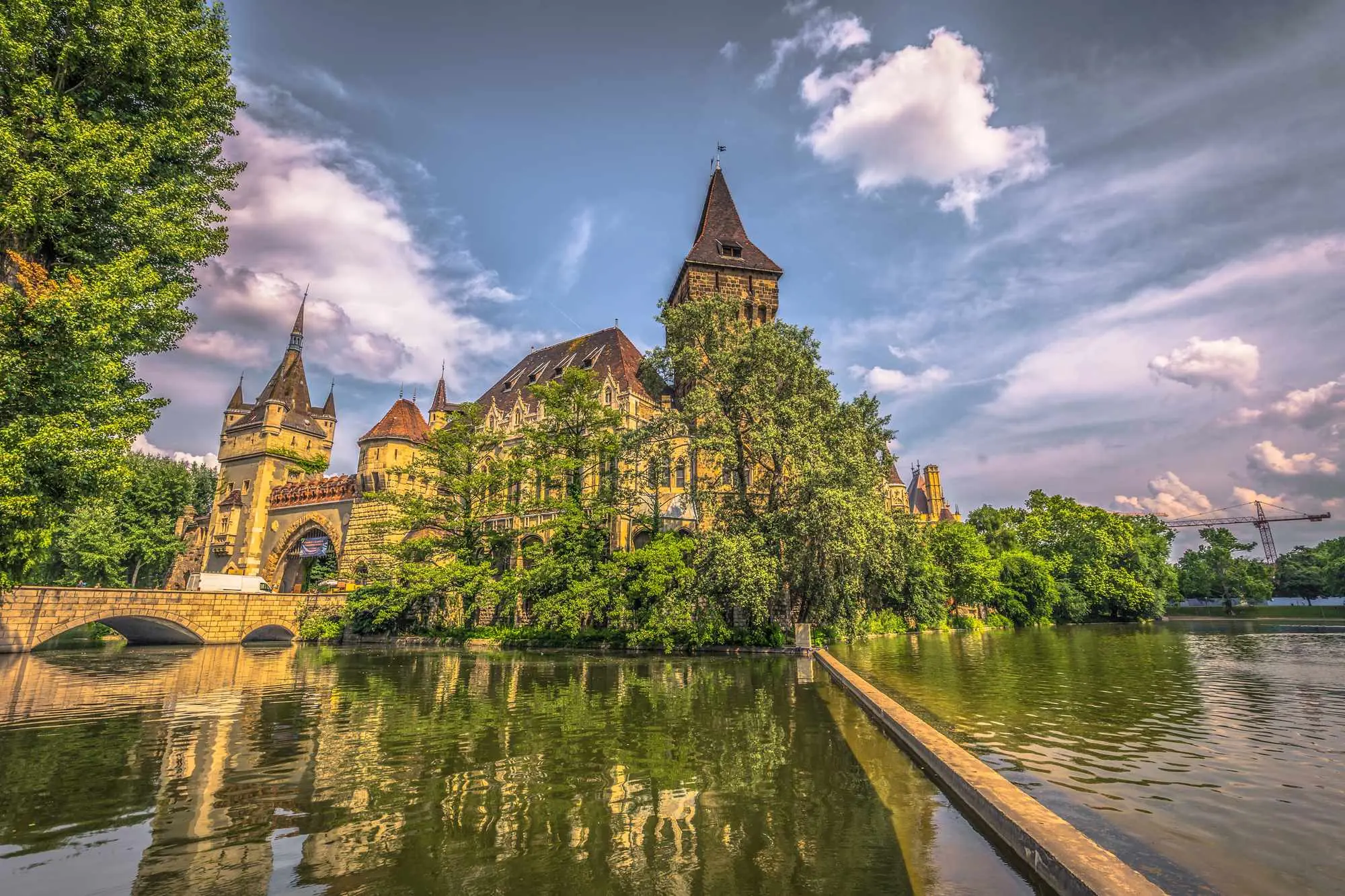
Vajdahunyad is a fairytale castle in the middle of Budapest that looks like something out of a dream.
In the heart of Budapest’s City Park, Városliget, nestled among the shadows of century-old trees and beside the calm surface of a lake, stands one of the most fairytale-like buildings in Hungary, Vajdahunyad Castle. At first glance, it seems to have sprung from the pages of a medieval romance, yet its story actually begins much later, at the end of the nineteenth century, when Budapest celebrated the thousandth anniversary of the Hungarian state.
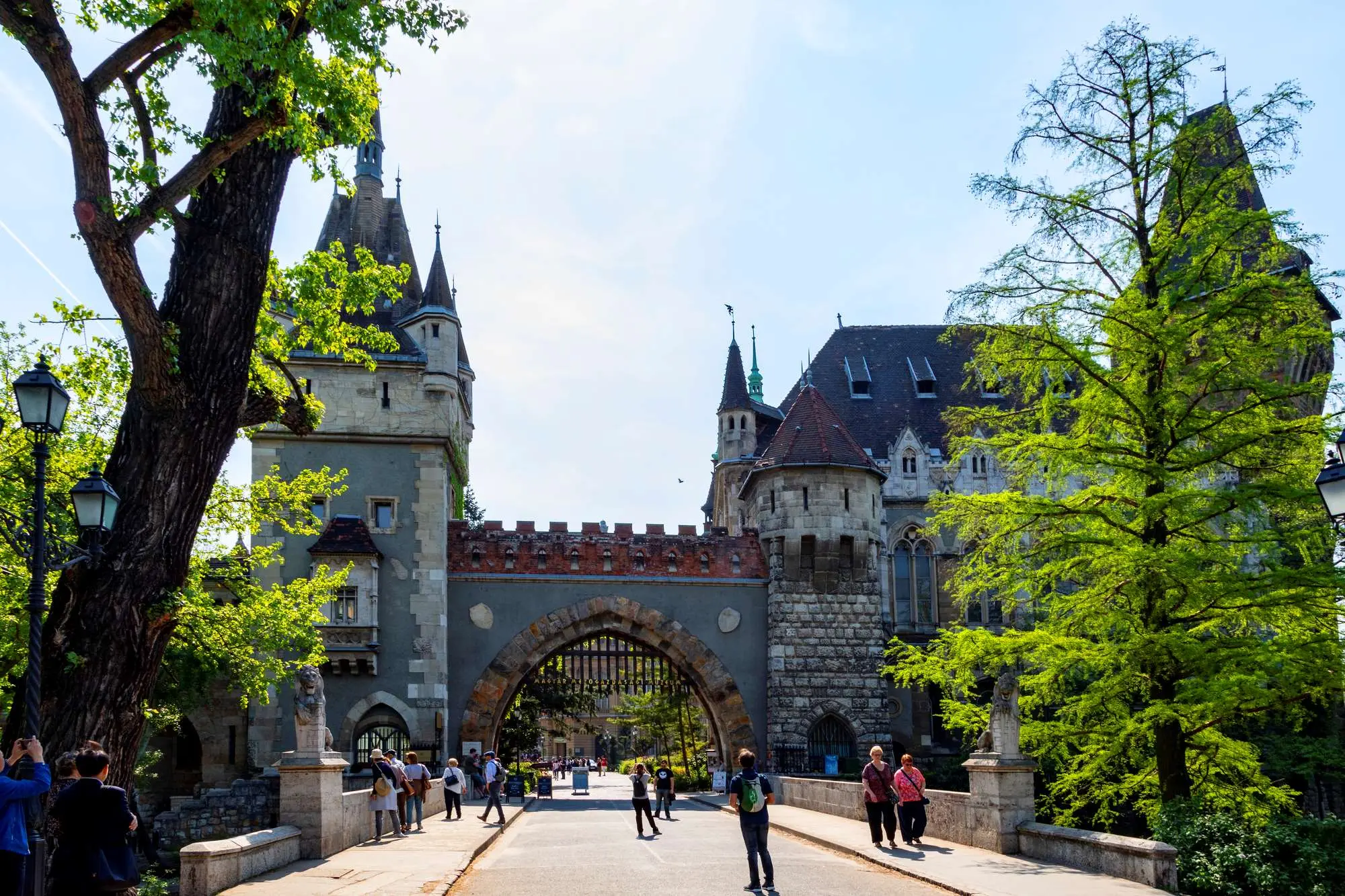
Vajdahunyad Castle Photo: imagecom Depositphotos
The castle was built in 1896 as a temporary structure made of wood and cardboard, part of the grand Millennial Exhibition that marked the arrival of the Magyars to the Pannonian Plain. However, its beauty and popularity among the city’s residents were so great that a decision was soon made to build a permanent version of stone and brick. By 1908, the building we now know as Vajdahunyad Castle was completed, an architectural marvel that unites different eras and styles of Hungarian history into a single harmonious whole.
The uniqueness of the castle lies precisely in this fusion of styles. Architect Ignác Alpár designed it as a tribute to the most significant buildings in Hungary’s past. Within its walls, Romanesque, Gothic, Renaissance, and Baroque forms meet, each with its distinctive details. The most famous section was inspired by Transylvania and the renowned Hunyad Castle in present-day Romania, once owned by the Hungarian military leader and nobleman János Hunyadi, after whom the Budapest version takes its name.
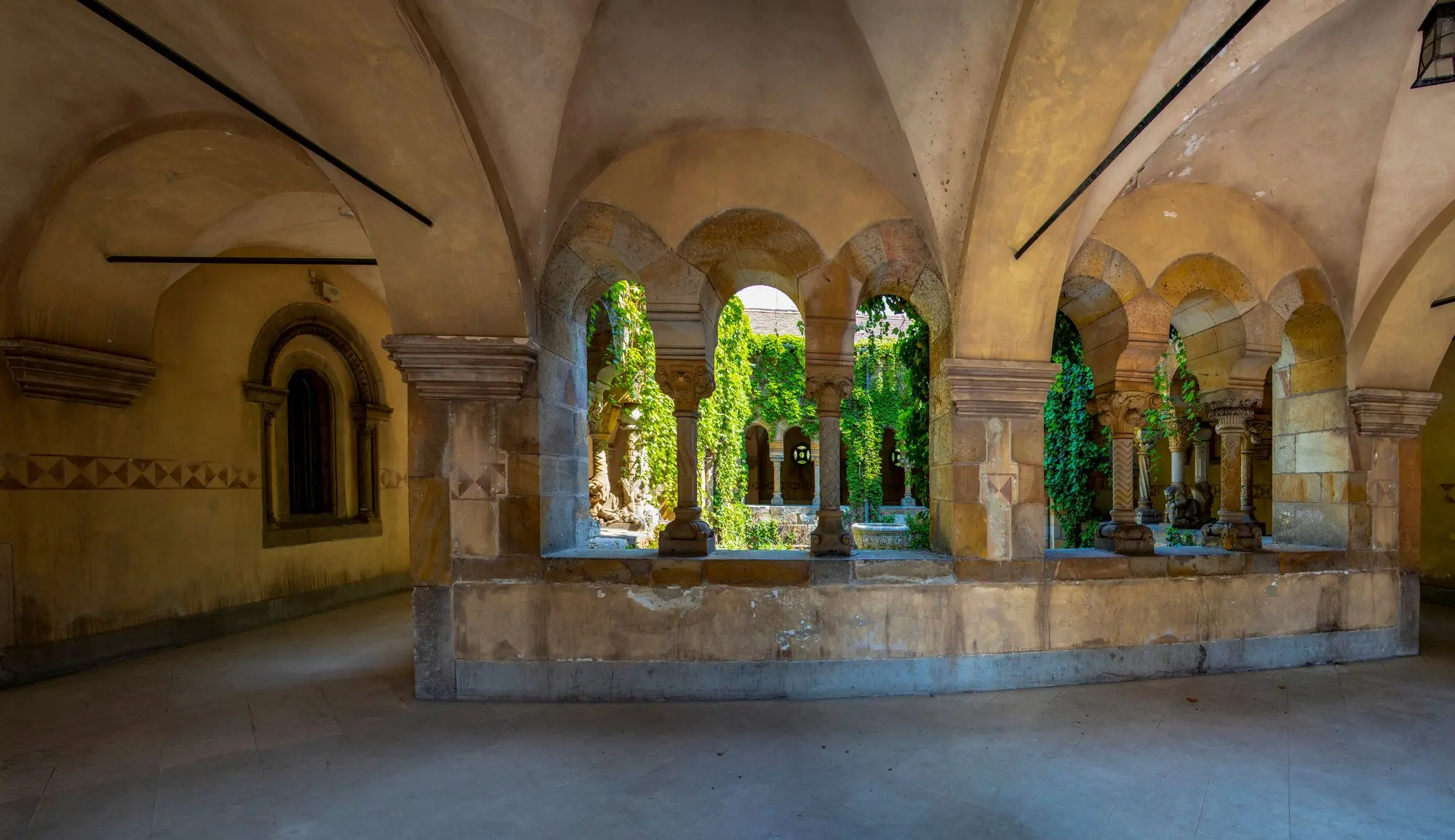
Vajdahunyad Castle Photo: imagecom Depositphotos
Although it appears to hide centuries of noble life, Vajdahunyad Castle was never a real royal residence. Its purpose from the very beginning was exhibition and symbolism. The original wooden version served as a temporary pavilion showcasing the architectural diversity of historical Hungary. When it was later rebuilt in a permanent form, it hosted cultural events and thematic exhibitions.
After the Millennial Exhibition ended, the authorities decided to use the building as a permanent space for presenting Hungary’s agricultural heritage. Thus, in 1897, the Agricultural Museum was opened inside the castle, and it remains there to this day. During the twentieth century, the castle suffered damage in wars, but each time it was carefully restored and returned to its original appearance.
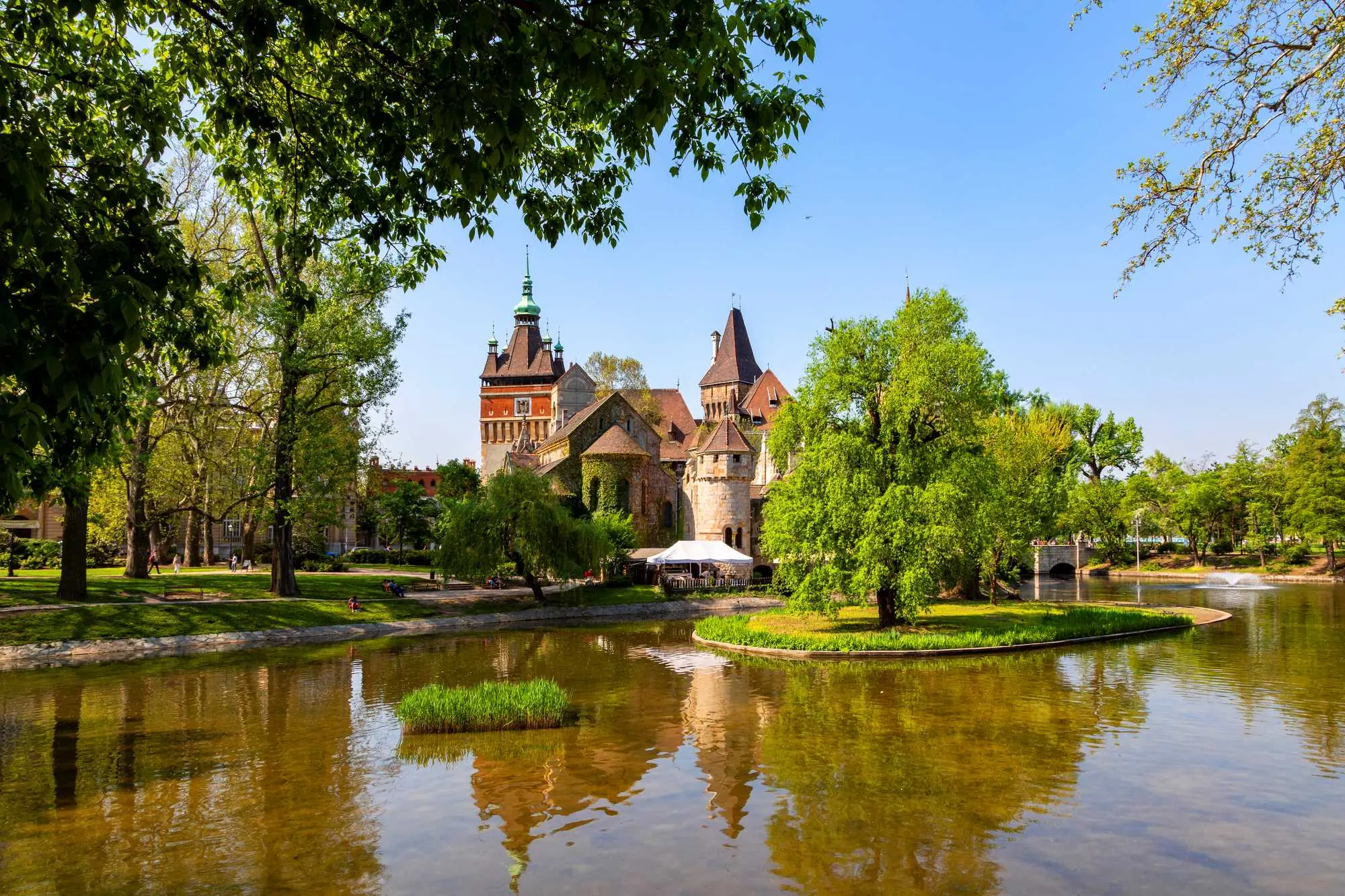
Vajdahunyad Castle Photo: imagecom Depositphotos
Inside, the museum holds an impressive collection of objects that bear witness to the development of agriculture, hunting, forestry, and fishing through the centuries. Yet even those who do not enter the museum halls cannot remain indifferent to the romantic courtyard, towers, and bridges reflected in the nearby lake.
In summer, the lake becomes a peaceful spot for boating, while in winter it transforms into one of Budapest’s most famous ice rinks. The entire area around the castle comes alive with the seasons. Concerts, fairs, and cultural events often fill the surroundings, making it one of the city’s most beloved gathering places for locals and visitors alike.
Vajdahunyad Castle is not just an architectural attraction but also a symbol of Hungarian identity, a blend of history, art, and national pride. Walking along its stone paths, one easily forgets that this creation is, in fact, the product of romantic nostalgia from the late nineteenth century.
Discover the fairytale Fisherman’s Bastion – one of the most beautiful symbols of Budapest

Ahmed Taha
Peace, love and music! ☮️
Leave a Reply