
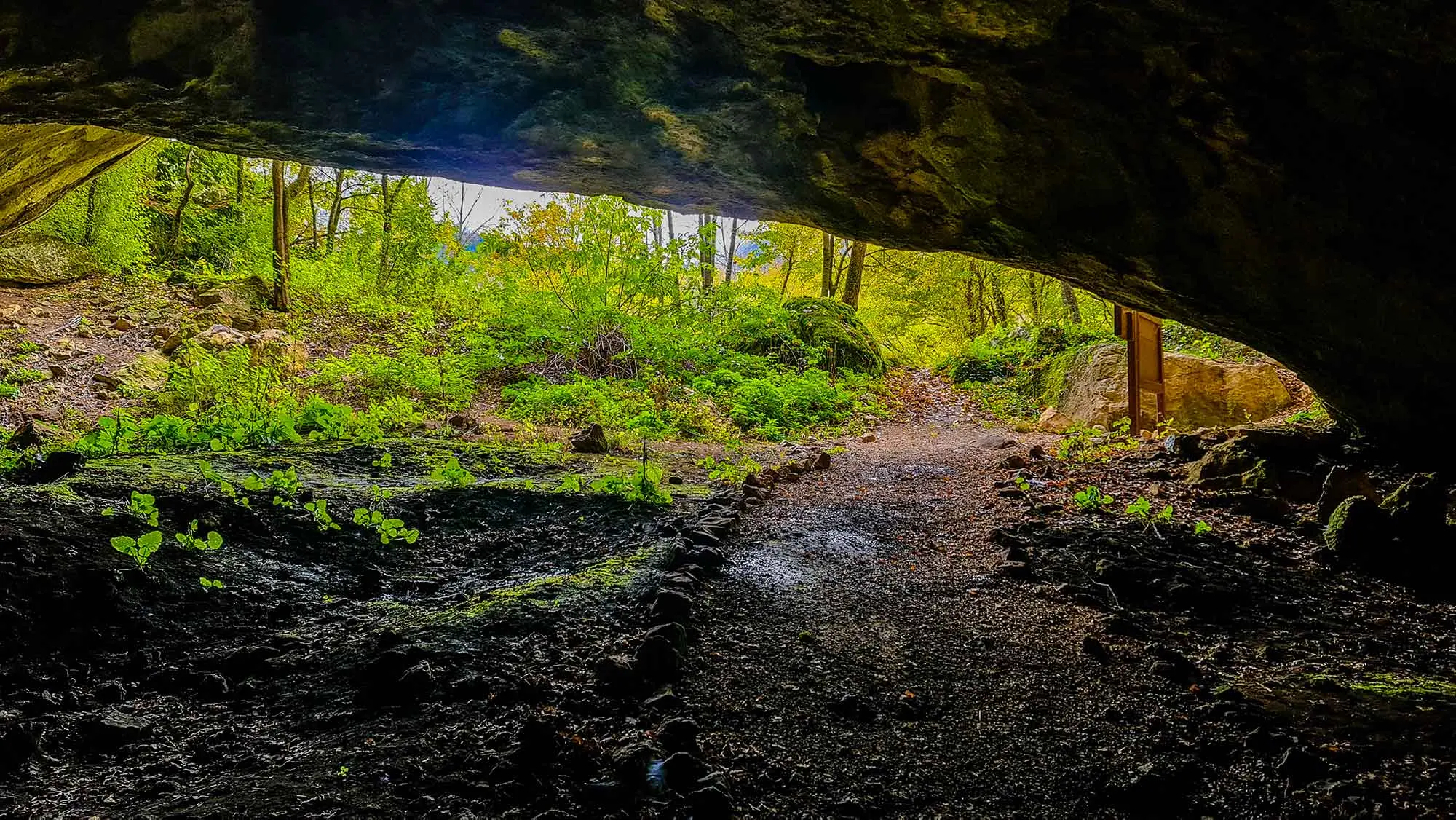
A cave that few people know about, yet it hides the deepest roots of human presence in Lika
Once, on our journey toward Otočac, we decided to stop in Ličko Lešće, a village nestled in a green expanse where water and stone exist in perfect harmony. At the very source of the Kostelka River, the left and largest tributary of the Gacka River, lies the Croatian Center for Indigenous Species of Fish and Crustaceans of Karst Waters. We came to see the place where the biological richness of this river and its tributaries is preserved, but that day unexpectedly turned into a journey through time, thousands of years into the past.
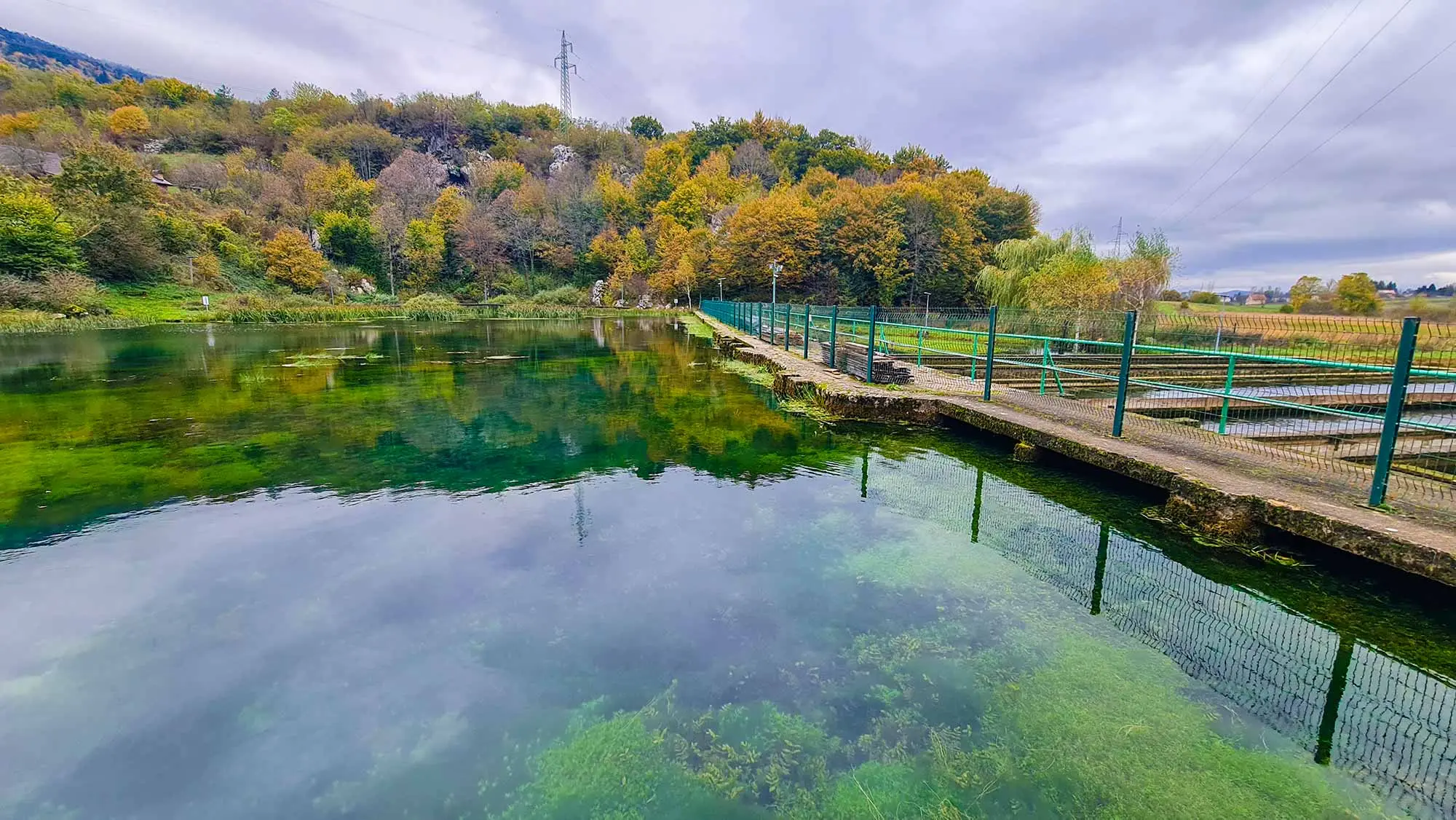
Croatian Center for Indigenous Species of Fish and Crustaceans of Karst Waters, Photo: Adria.fun
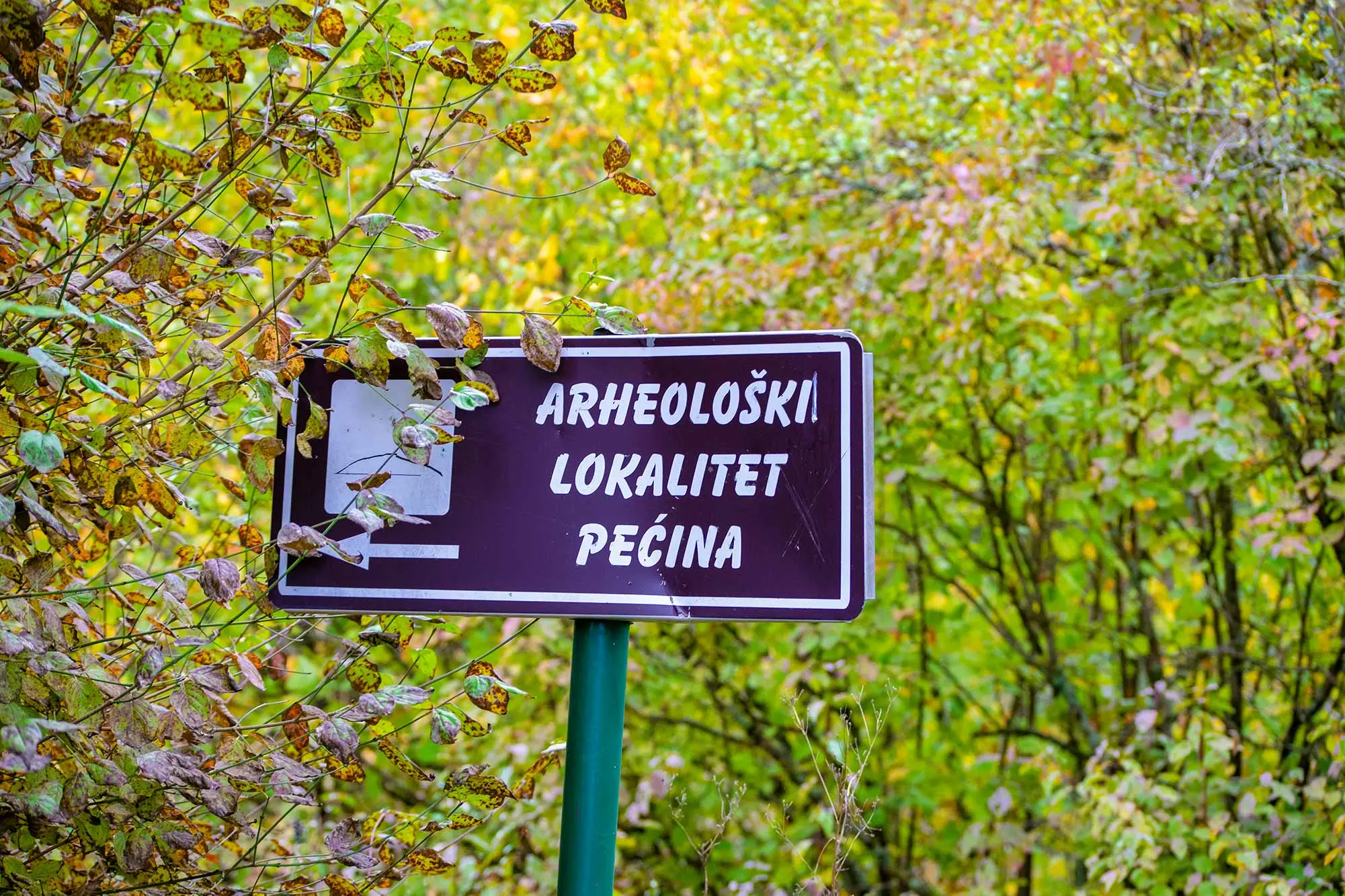
From the Center, a path lined with lavender and immortelle stretches out, a fragrant trail that drew us in with its silence and scenes of almost untouched nature. After a short walk, between bushes and rocks, a sign appeared bearing the inscription ARCHAEOLOGICAL SITE PEĆINA. Beneath that simple name lay the entrance to one of the oldest human stories in the Gacka Valley.
According to archaeological research, the Pećina cave in Lešće is the oldest site in this area where traces of human presence have been discovered, dating back to the Mesolithic period, the transition between the Old and New Stone Ages, between 10,000 and 4,000 BC. Charred remains of animal bones were found there, many showing visible marks of being processed with stone tools, clear evidence of the hunter who once found shelter, fire, and food in this cave.
Archaeological site Pećina, Photo: Adria.fun
Later excavations showed that Pećina was also inhabited during the Middle and Late Bronze Ages. At a depth of about one meter and thirty centimeters, archaeologists found pottery with a smooth surface and modest decoration, typical of the end of the Bronze Age. Above it lay a layer of flowstone, indicating a period when habitation was interrupted, followed by a thin layer of red soil washed in from the cave’s entrance. In the Early Iron Age, the cave was inhabited again and served as a temporary shelter. Similar pottery was also found on a nearby hillfort above the cave, showing the connection between the settlement and its inhabitants.
Pećina is not only the oldest archaeological site in the Gacka region but also a key that reveals the era before the appearance of the Japodes, the people who would later mark the history of this area. The Japodian culture, which developed around the eleventh century BC and lasted for more than a millennium, was long considered part of the Illyrian world but is increasingly seen as a distinct cultural and ethnic identity. Before them, however, there were the people of the Mesolithic and early Bronze Ages, the very ones whose traces archaeologists found here, in the Pećina of Lešće.
-
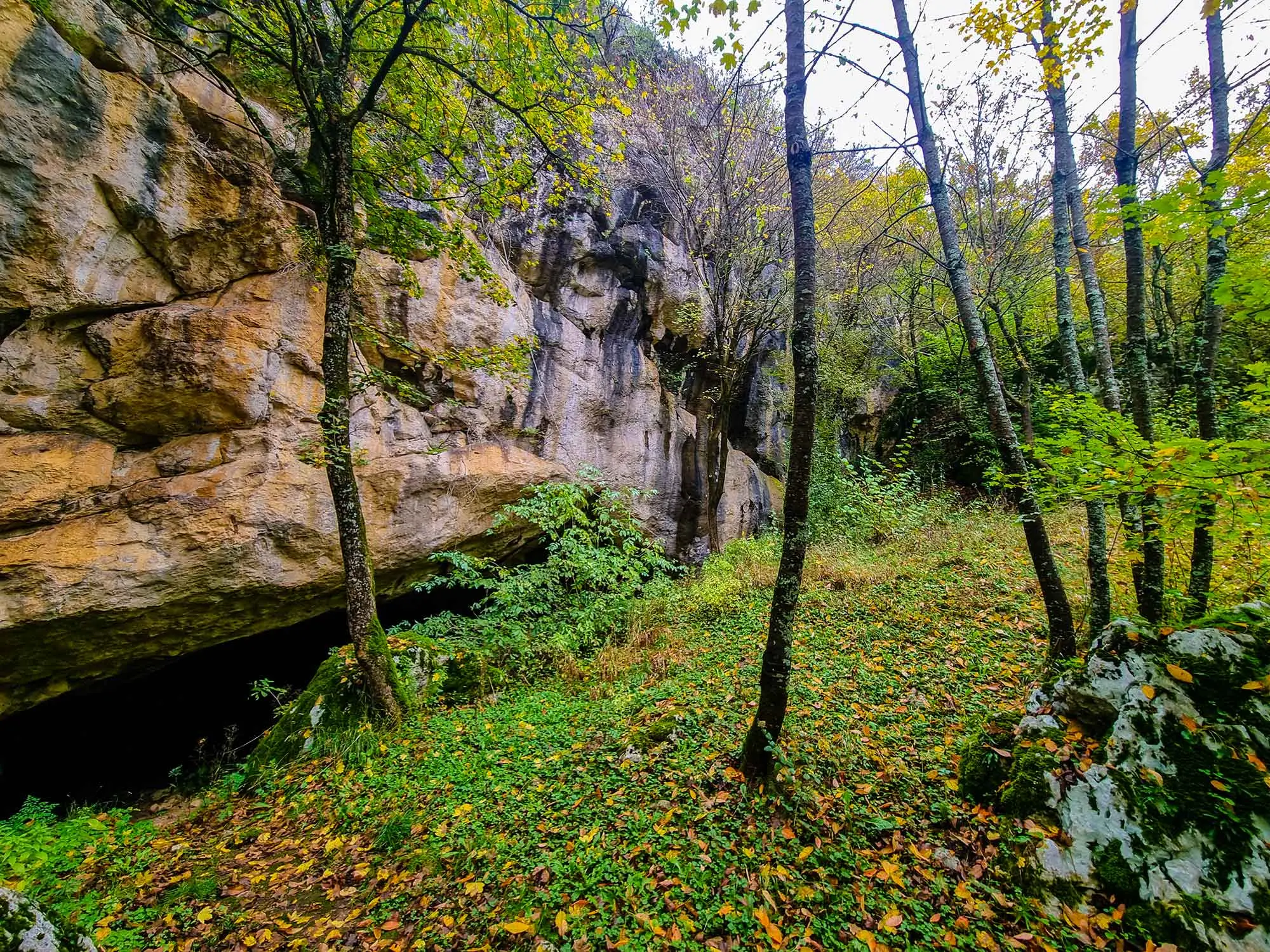
- Arheološki lokalitet Pećina (Archaeological site Pećina), Photo: Adria.fun
-
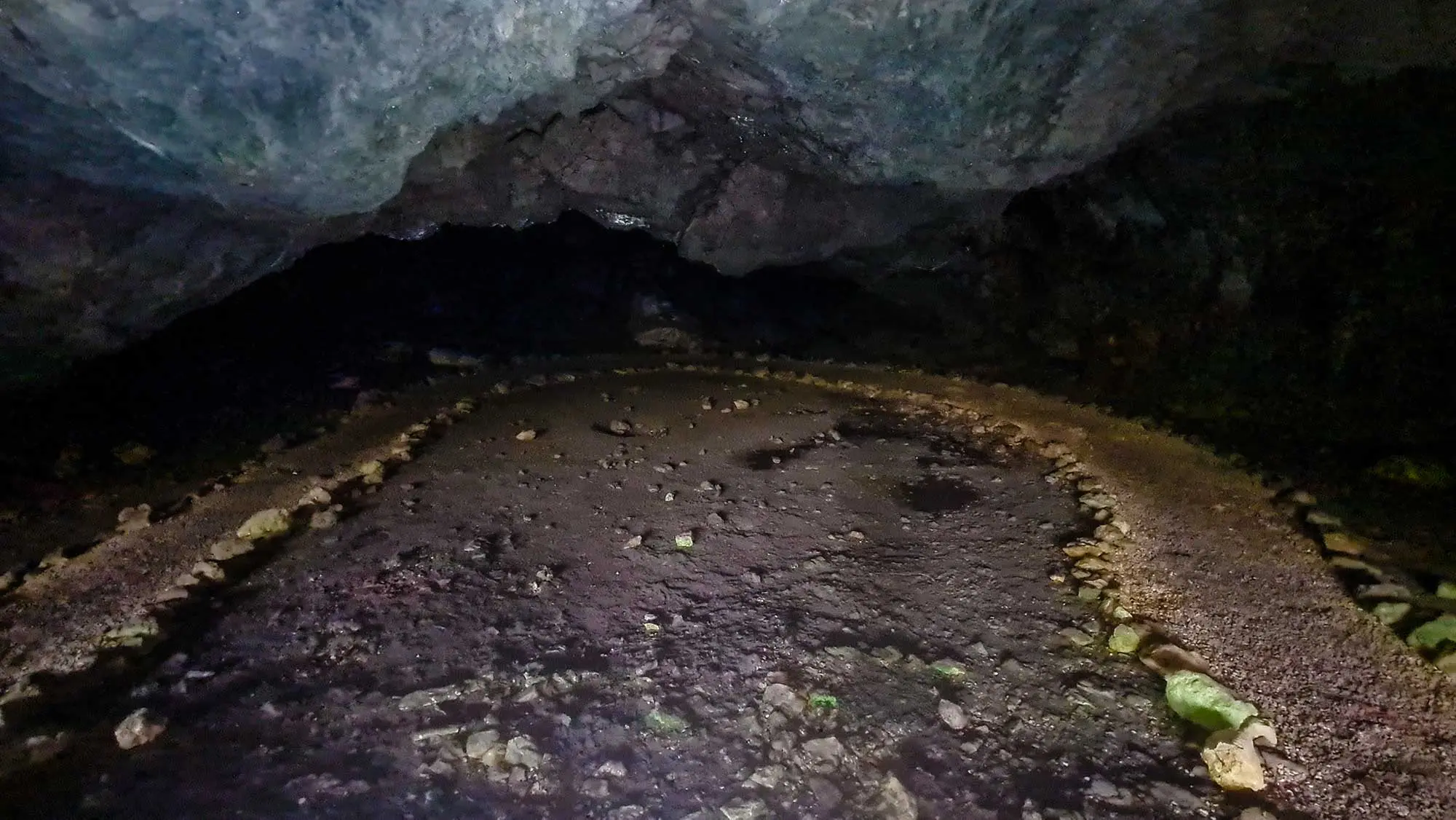
- Arheološki lokalitet Pećina (Archaeological site Pećina), Photo: Adria.fun
Imagine that time: wild forests, a river full of fish, rocks that offered shelter, and fires that glowed through the night. Everything a person needed then was within reach. It is no wonder that their first traces remained right here. The cave has a wide entrance and a gently sloping floor descending into the depths. When you stand in that twilight and look toward the exit, the light spills across the landscape, and in the distance, you can hear the murmur of the Kostelka spring, the same sound that echoed for those first inhabitants thousands of years ago.
The cave is easy to reach. From the spring, or from the Center itself, follow the path that gently climbs through the vegetation and after about a hundred meters descends on the other side to the cave entrance.
And as you step into that darkness that has witnessed ten thousand years of human presence, you realize that Pećina is today only partially discovered, but a historical gem that offers an experience rarely found anywhere else.
Here's what else to visit nearby...
We visited Majerovo and Tonkovićevo vrilo, two jewels of the Gacka valley!

Sara Sedić
I plan to live in the moment :)

Leave a Reply