
Elba is an island that hides more than it reveals at first glance
At first glance, Elba may seem like just another beautiful island among Italy’s many gems. But the moment you step onto its shores, you realize this is not just about beaches and sea, but about a place where history, nature, and a rare sense of peace come together.
Located in the Tyrrhenian Sea, Elba is part of the Tuscan Archipelago and lies just about ten kilometres from the Italian mainland. It is the third-largest Italian island, after Sicily and Sardinia, with an area of around 224 square kilometres. It is precisely this “smaller” size that makes it special. Large enough to offer a variety of landscapes, yet compact enough to explore without feeling like you are missing out.
When compared to them, it feels more intimate. But that intimacy does not mean it lacks content, quite the opposite.

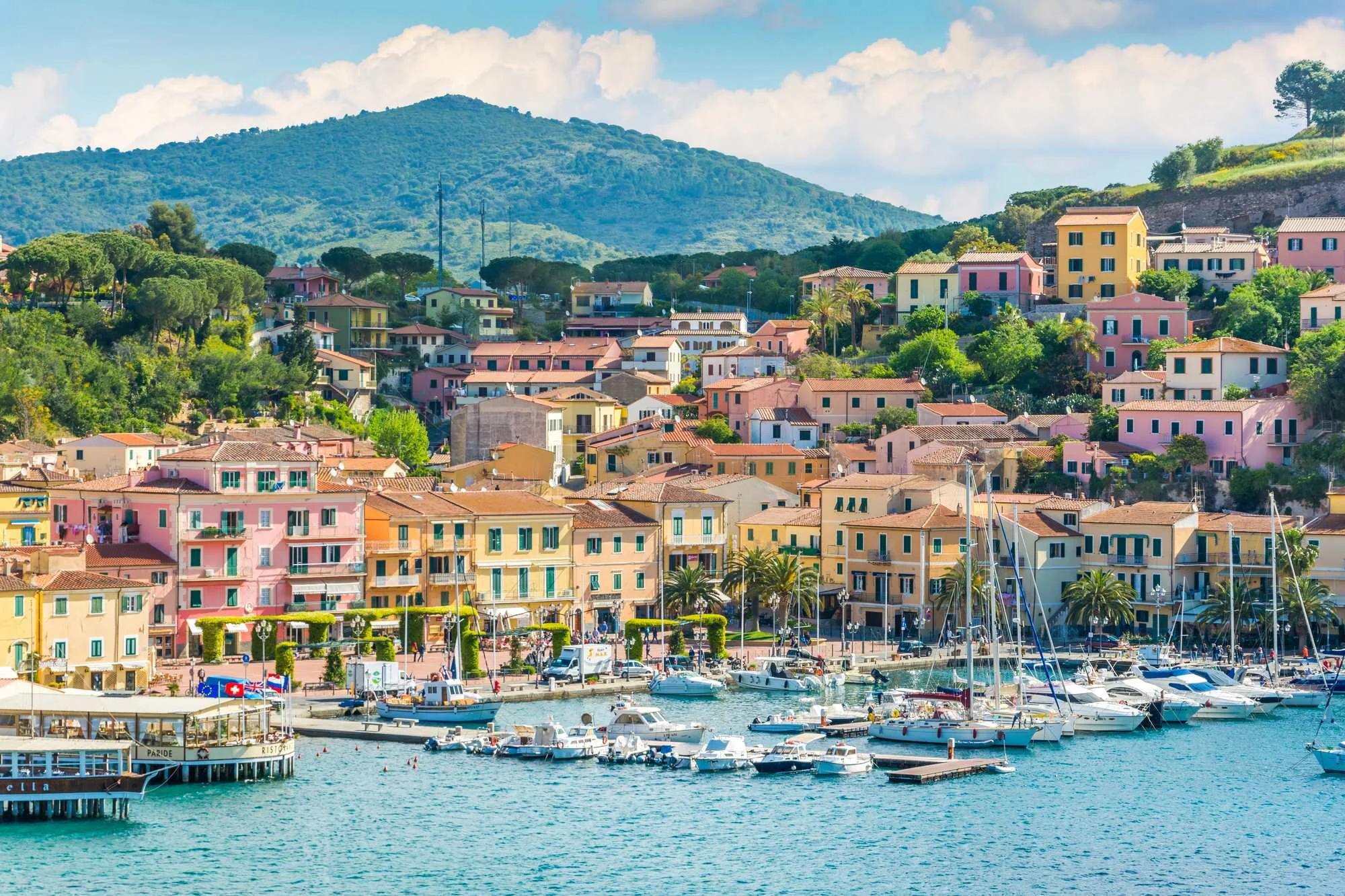
Portoferraio Photo: Balate Dorin Depositphoto
THE HISTORY OF ELBA CANNOT BE TOLD WITHOUT NAPOLEON
The history of Elba is perhaps best known for one name. Napoleon Bonaparte arrived here in 1814 after his abdication and turned the island into his temporary empire. During his short stay, he did not remain idle, but modernised infrastructure, improved roads, and left a mark that is still visible today. His residences, such as Villa dei Mulini and Villa San Martino, still tell the story of a time when one of the most powerful men in Europe lived on this small island.
However, the island has much deeper roots. The Etruscans used it for its rich iron ore deposits, and later the Romans developed it as an important point in the Tyrrhenian Sea. Traces of these periods can still be found in old mines, fortresses, and archaeological sites scattered across the island.
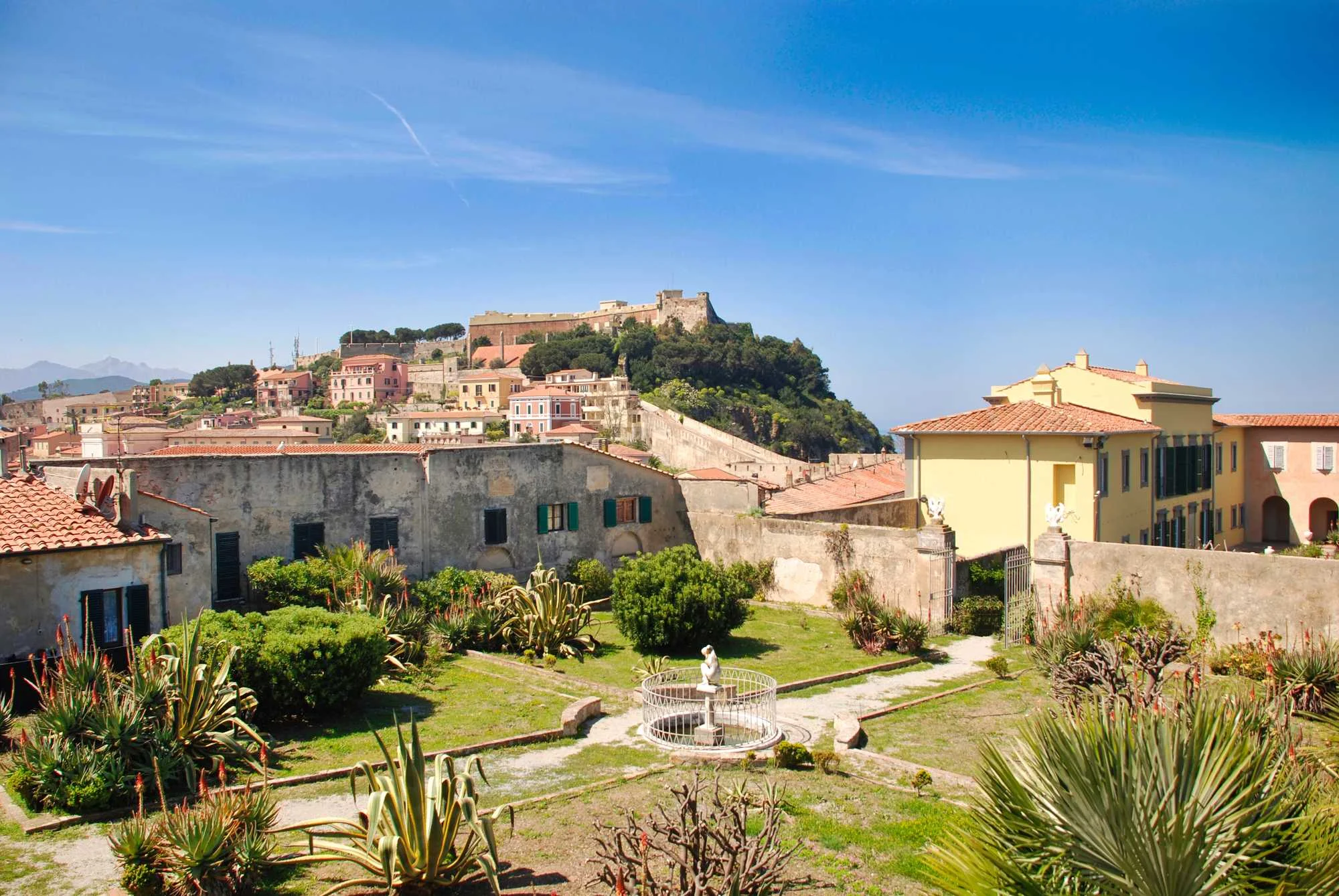
Ville dei Mulini Photo: mcr1961 Depositphotos
ELBA REVEALS A SEA, BEACHES, AND MOUNTAINS THAT FEEL ALMOST UNREAL
The nature of Elba is just as impressive as its history. Its coastline is varied and dramatic, ranging from sandy coves to steep cliffs plunging into crystal clear waters. The sea often takes on shades reminiscent of tropical destinations, yet without mass tourism. The island’s interior reveals a completely different world, with green hills, dense forests, and hiking trails leading to its highest peak, Monte Capanne. From nearly one thousand metres above sea level, the view stretches across the entire archipelago and, on clear days, even to the mainland.
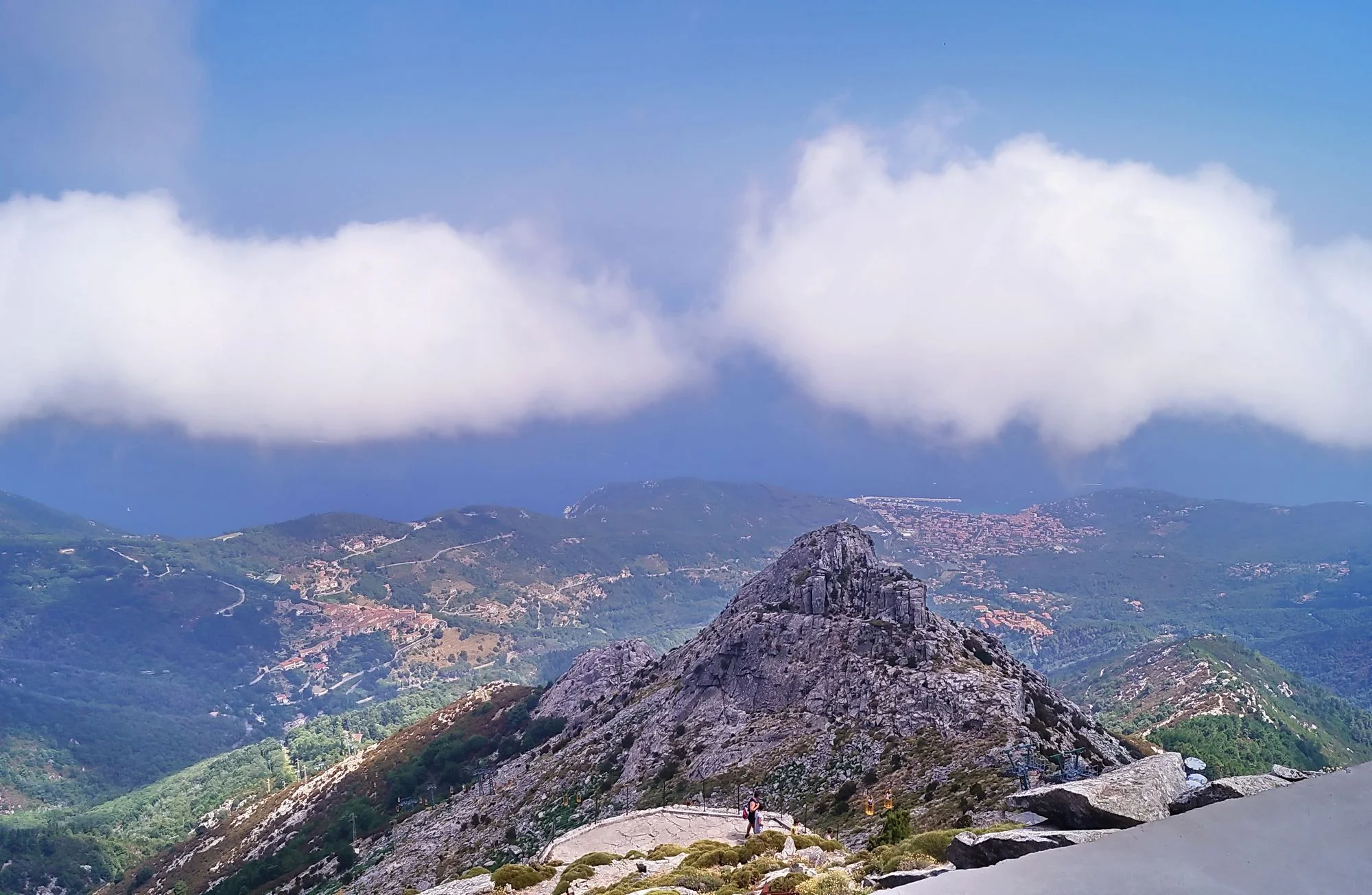
Monte Capanne, Elba Photo: sansa55 Depositphotos
Among the places that will stay with you is Portoferraio, the main harbour and historical heart of the island. Its pastel houses, fortresses, and narrow streets create an atmosphere that feels both Mediterranean and slightly aristocratic. There is also Marciana Marina, a smaller and quieter town where time seems to slow down, as well as Capoliveri, perched on a hill and offering unforgettable views.
The beaches are a story of their own. From the white pebbles of Sansone to the golden sands of Procchio, each has its own character. Some are hidden and require a bit of effort to reach, but that is exactly where Elba’s charm lies. There is no sense of overcrowding that often accompanies more famous islands.
-
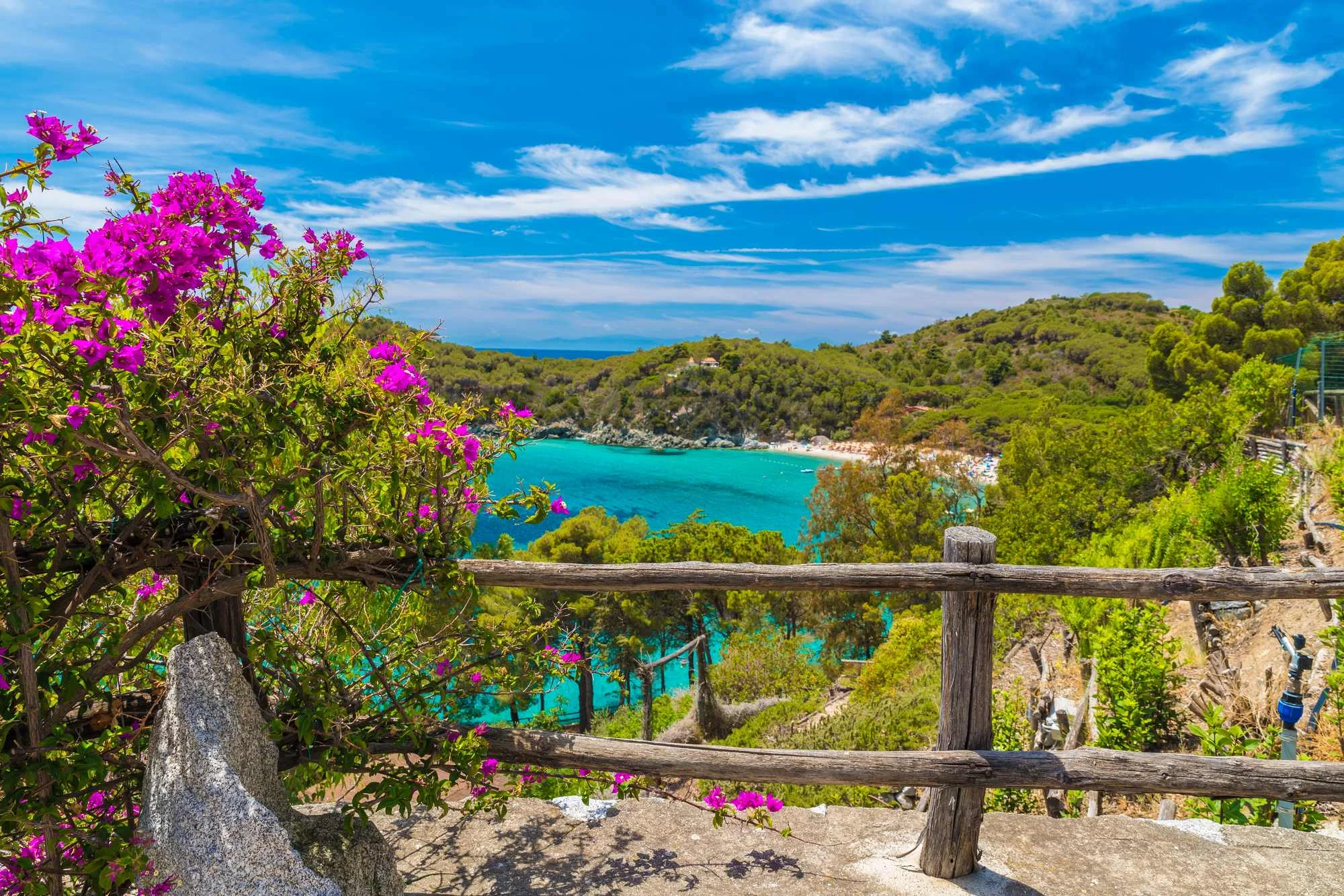
- Plaža Fetovaia Photo: Balate Dorin Depositphoto
-
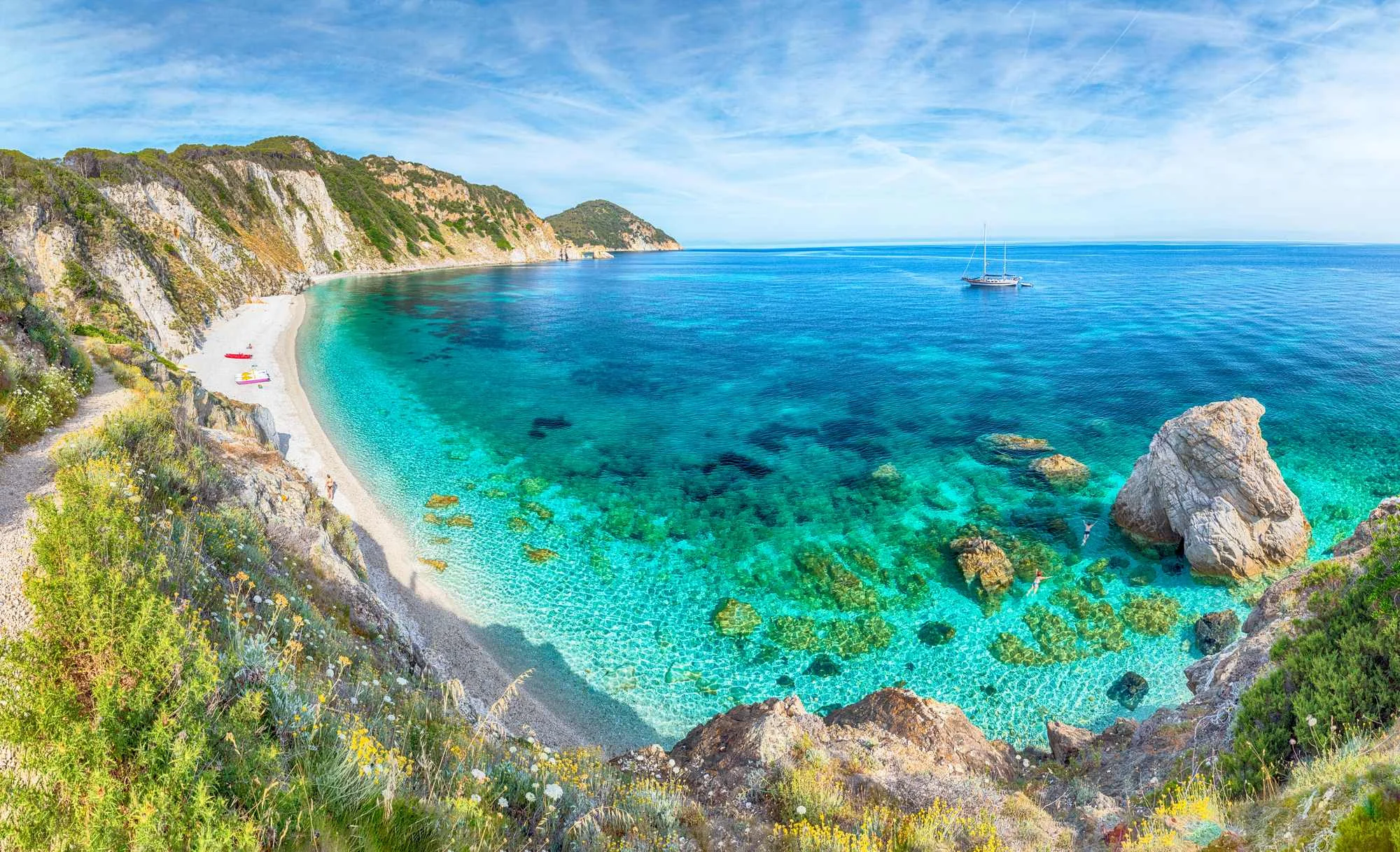
- Plaža Sansone Photo: Balate Dorin Depositphoto
WHY VISIT ELBA?
Because here you get everything you seek from the Mediterranean, but without the crowds. You get history that is not just a story but an experience, nature that is not just a backdrop but a space to explore, and a rhythm of life that makes you slow down. Elba is not an island that impresses instantly like Capri, but one that quietly settles under your skin and stays with you long after you leave.

Zoran Kovačić
I do miracles right away, but the impossible still takes me a little time!
Leave a Reply