
The historical beauty of Tirana hides frescoes no one expects to see in a mosque
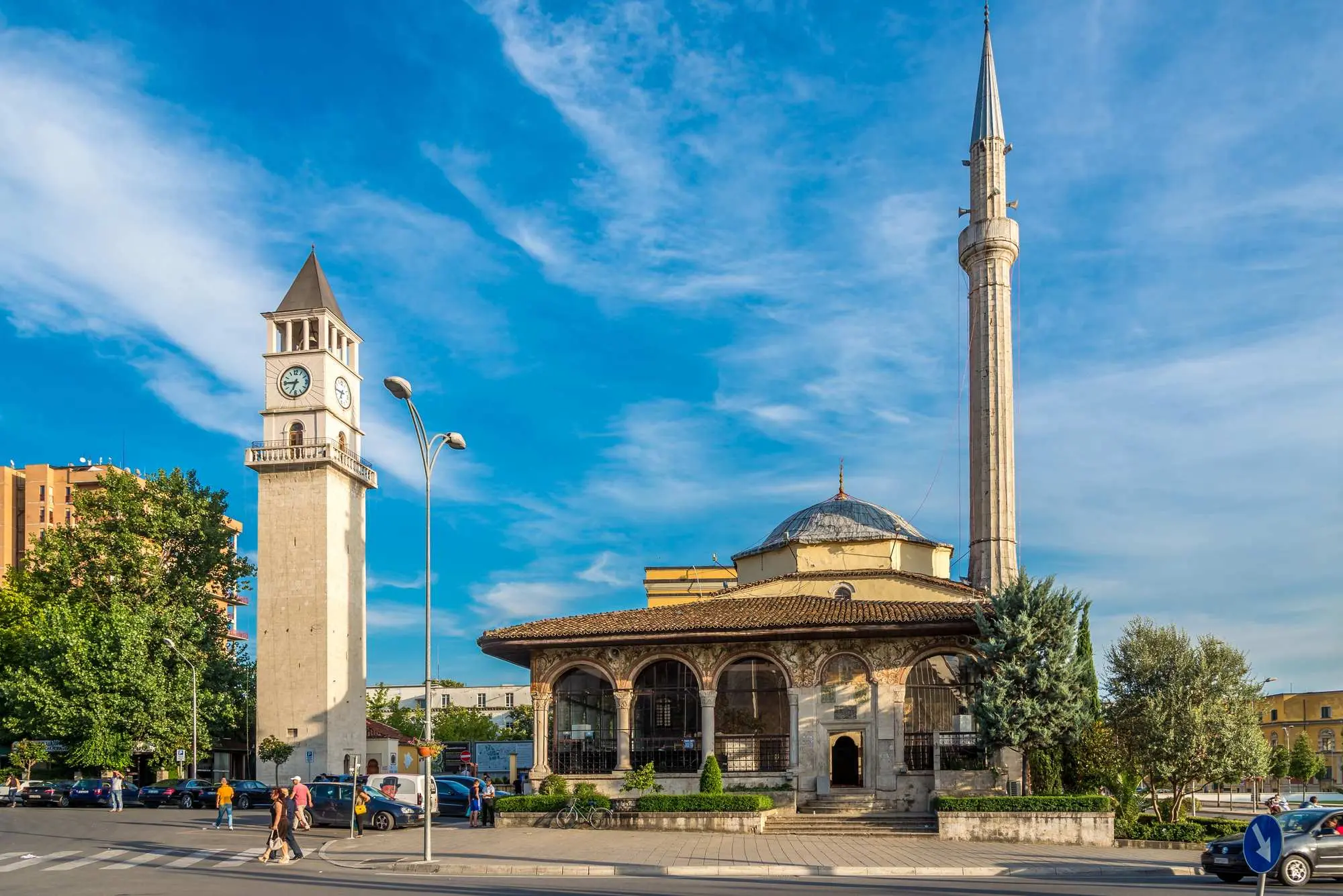
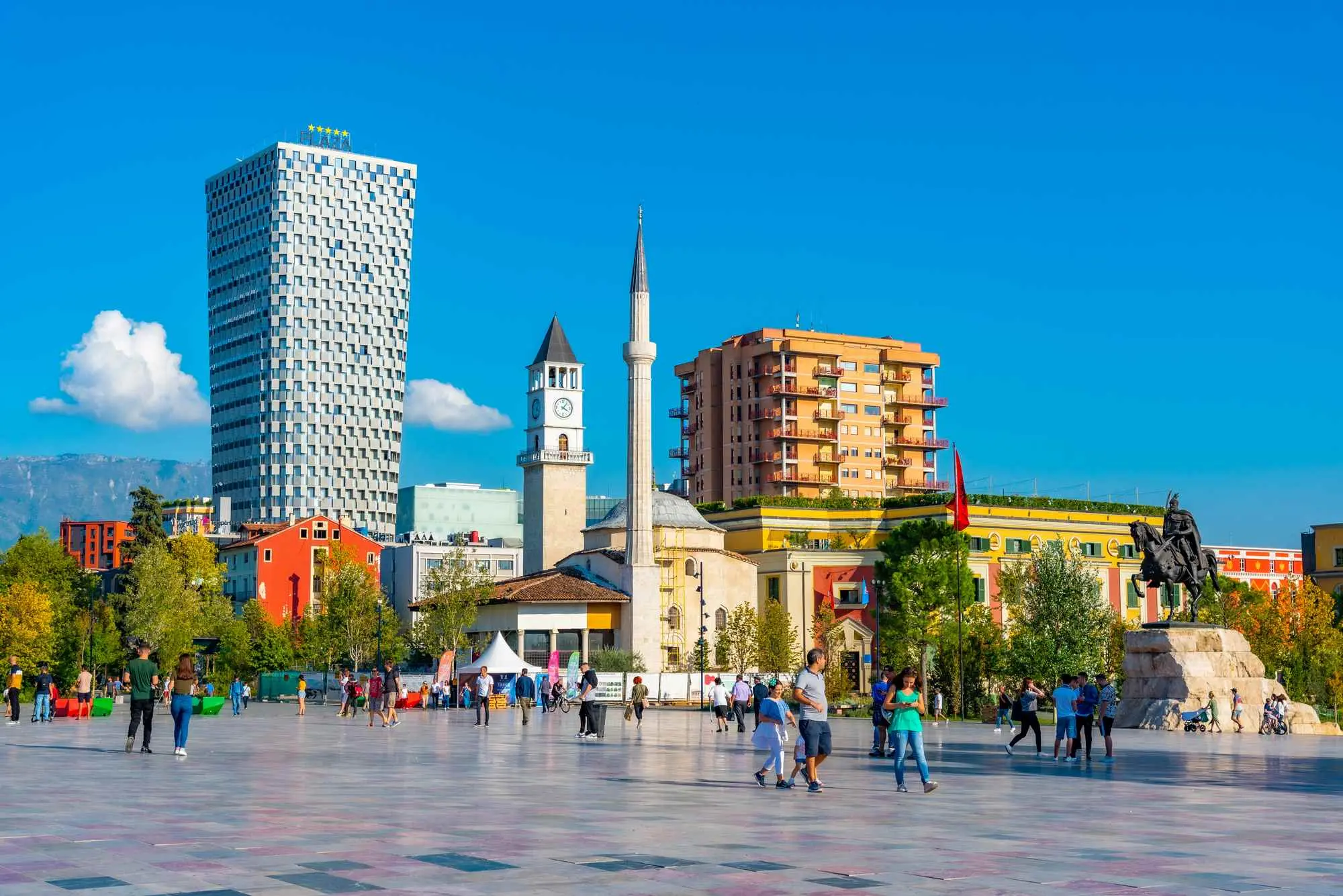
In the very center of Tirana, where the city traffic and modern rhythm overlap with traces of the former Ottoman bazaar, stands the Ethem Bey Mosque. At first glance, it seems unassuming, but within its walls lies more than two centuries of history, architecture, and urban heritage. Here you can clearly see the transition from the time when Tirana was only a growing small town to the period when it began to take the shape of an organized city.
Ethem Bey Mosque Photo: MARIGA Depositphotos
The construction of the mosque began in 1791 or 1794, during a period of significant influence of the Mullet family in the region. It was initiated by Molla Bey, with its completion overseen by his son, Haxhi Ethem Bey, between 1819 and 1821. Ethem Bey was the great-grandson of Sulejman Pasha, the founder of Tirana, which further highlights the family’s continuity in shaping the city. At the time of its construction, the mosque was part of a compact historical core: in front of it stood the old bazaar, to the east the Sulejman Pasha Mosque from 1614, which was destroyed during the Second World War, and to the northwest the Karapici Mosque, which no longer exists today.
Ethem Bey Mosque Photo: milosk50 Depositphotos
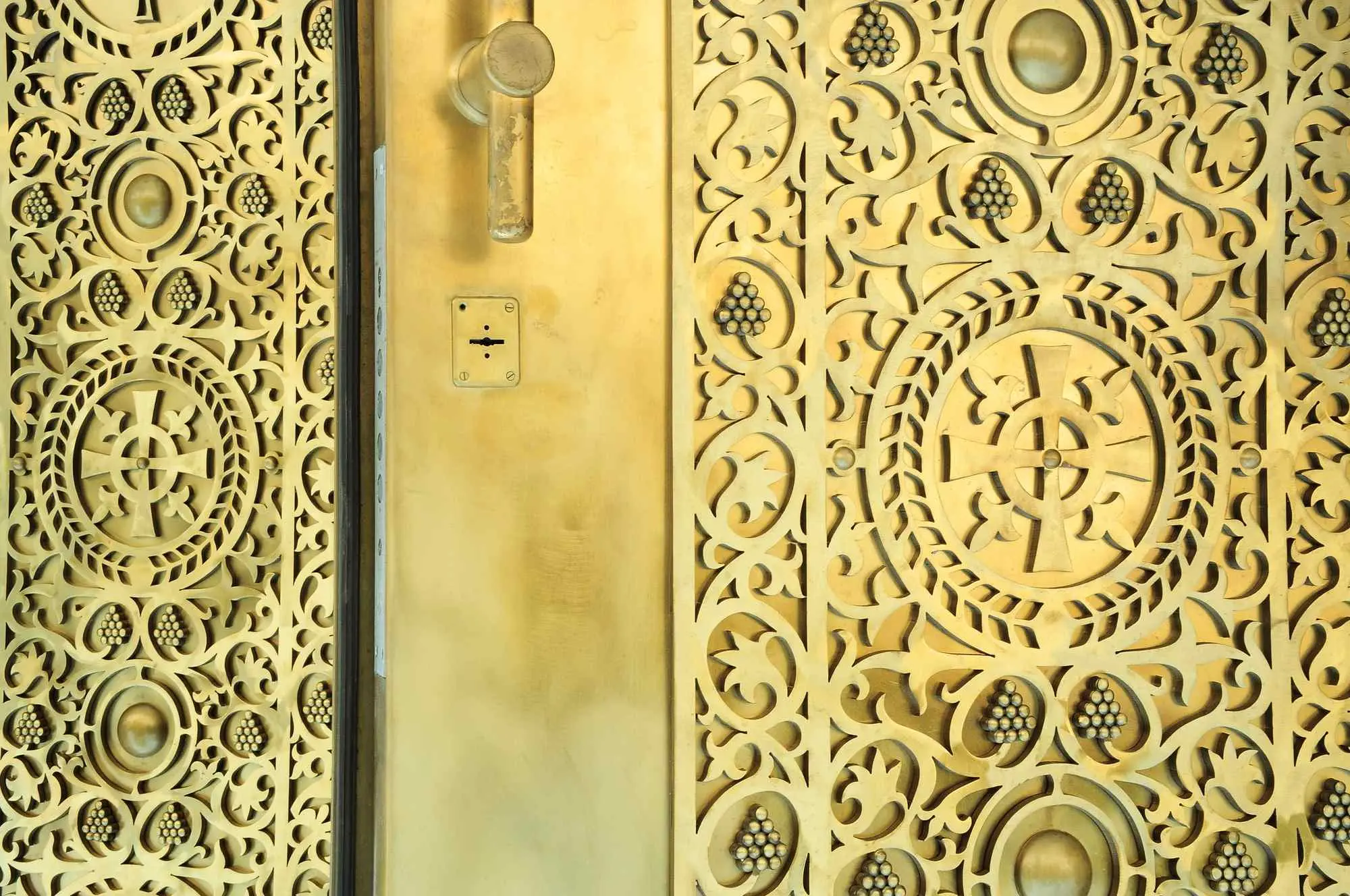
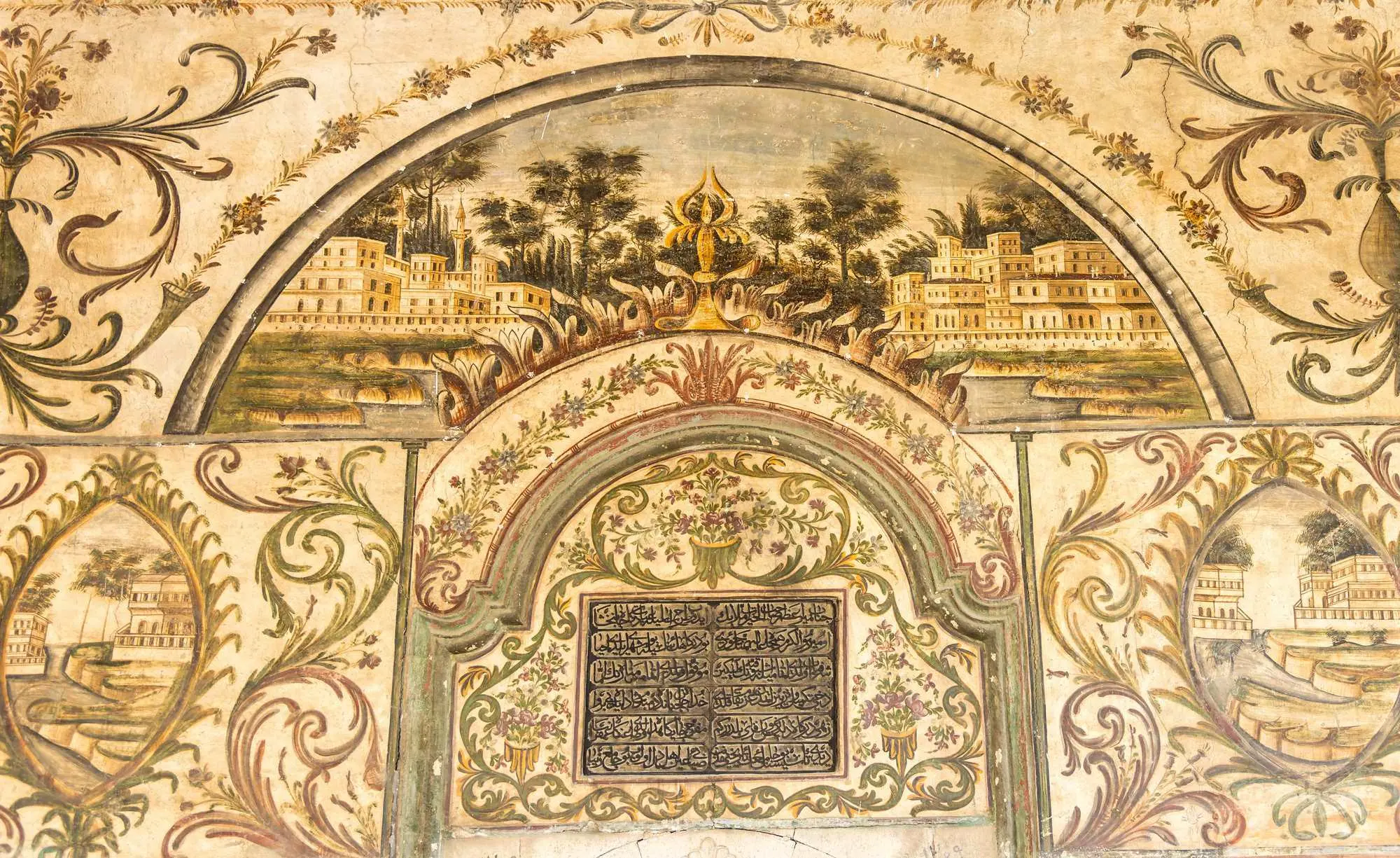
When you step into the courtyard, it immediately becomes clear why the Ethem Bey Mosque stands out among many other Ottoman buildings in the Balkans. Its exterior and interior walls are decorated with frescoes showing landscapes, trees, flowers, and architectural motifs. These painted elements are unusual for Islamic sacred art in this region, where decorations are most often geometric or calligraphic. Here, however, you see a blend of Ottoman artistic tradition and local sensibility, creating a visually rich and distinctive whole. The frescoes are made in soft tones that give the mosque a special warmth and calming rhythm.
The interior is harmoniously shaped, simple, and subtle. The mihrab is elegantly designed, and the space allows natural light to gently enter through the windows, creating a peaceful and meditative atmosphere. The minaret rises above the complex as an architectural marker of the period in which Tirana was just beginning to exceed its early urban boundaries.
During the communist era in the Socialist People’s Republic of Albania, the mosque was closed, but it was declared a historical monument. Thanks to this status, it underwent restoration in the late 1960s and early 1970s, which preserved its valuable painted details. It returned to function on January 18th, 1991, when around ten thousand people entered the mosque carrying Albanian flags despite opposition from the communist authorities. This event is regarded as one of the key moments in the revival of religious freedom in the country.
Ethem Bey Mosque Photo: Dudlajzov Depositphotos
Today, the Ethem Bey Mosque is the most significant surviving example of Ottoman architecture in Tirana. Its frescoes and architectural proportions make it an exceptionally valuable monument, while its historical journey testifies to the resilience of the local community and the importance of preserving cultural identity. As the cityscape around it continues to change, the mosque remains a permanent reminder of the layered history of Tirana and the role it played in shaping its urban and spiritual character, and it is worth visiting.
Tirana guide: where to go and what to see in the Albanian capital?

Ahmed Taha
Peace, love and music! ☮️

Leave a Reply