
How many national parks does Croatia have?
Croatia is one of the few European countries where, within a relatively small area, you can experience almost every landscape of the continent. From high mountains and dense forests, through karst rivers and waterfalls, to untouched open sea and island scenery. National parks are the best proof of this diversity. There are a total of 8 of them, and each preserves a different fragment of the country’s natural identity.
PLITVIČKA JEZERA
Plitvice Lakes are Croatia’s most famous and most visited national park, and one of the country’s most recognizable symbols worldwide. The park consists of 16 interconnected lakes that cascade into one another through more than 90 waterfalls. What makes Plitvice unique is not only the beauty of the water, but the ongoing process of tufa formation that continues to this day. The lakes are constantly changing, and new waterfalls are formed while older ones gradually disappear.
People come for scenery that transforms with every season. In summer, turquoise and emerald tones dominate, in autumn the forest burns with color, in winter the waterfalls freeze, and spring brings powerful water flows. Attractions include wooden walkways that run just above the water, panoramic trains and electric boats, and numerous hiking trails that lead into the quiet forest far from the main routes. This park is visited by around 1,500,000 people each year.
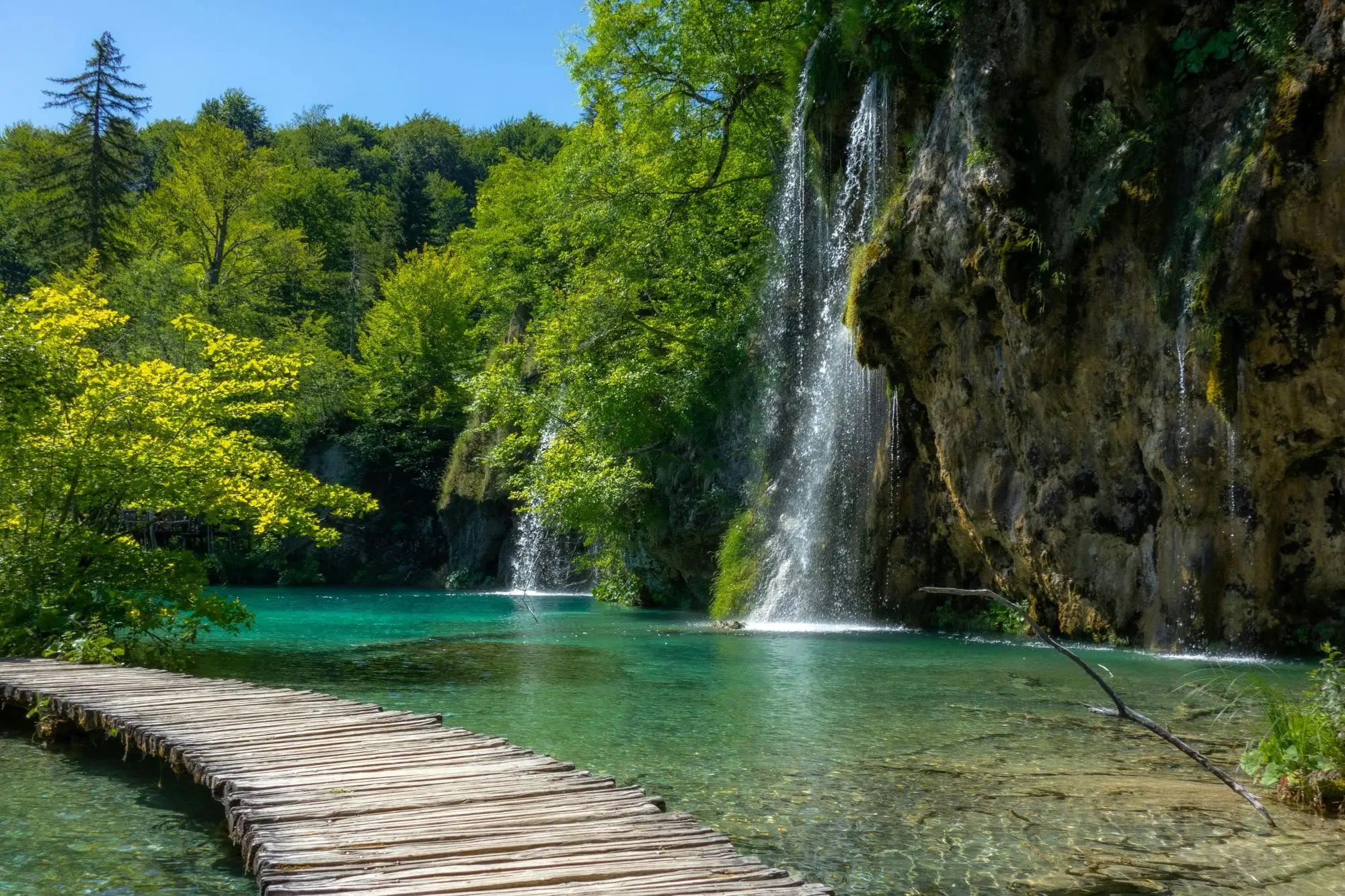
Plitvice Photo: IIlse, Unsplash
KRKA
Krka National Park is known for its river that creates spectacular tufa waterfalls, the most famous of which is Skradinski Buk. Unlike Plitvice, Krka has a strong connection between nature and history. Along the waterfalls are the remains of old mills, fortresses, and sacred buildings that testify to centuries of life along the river.
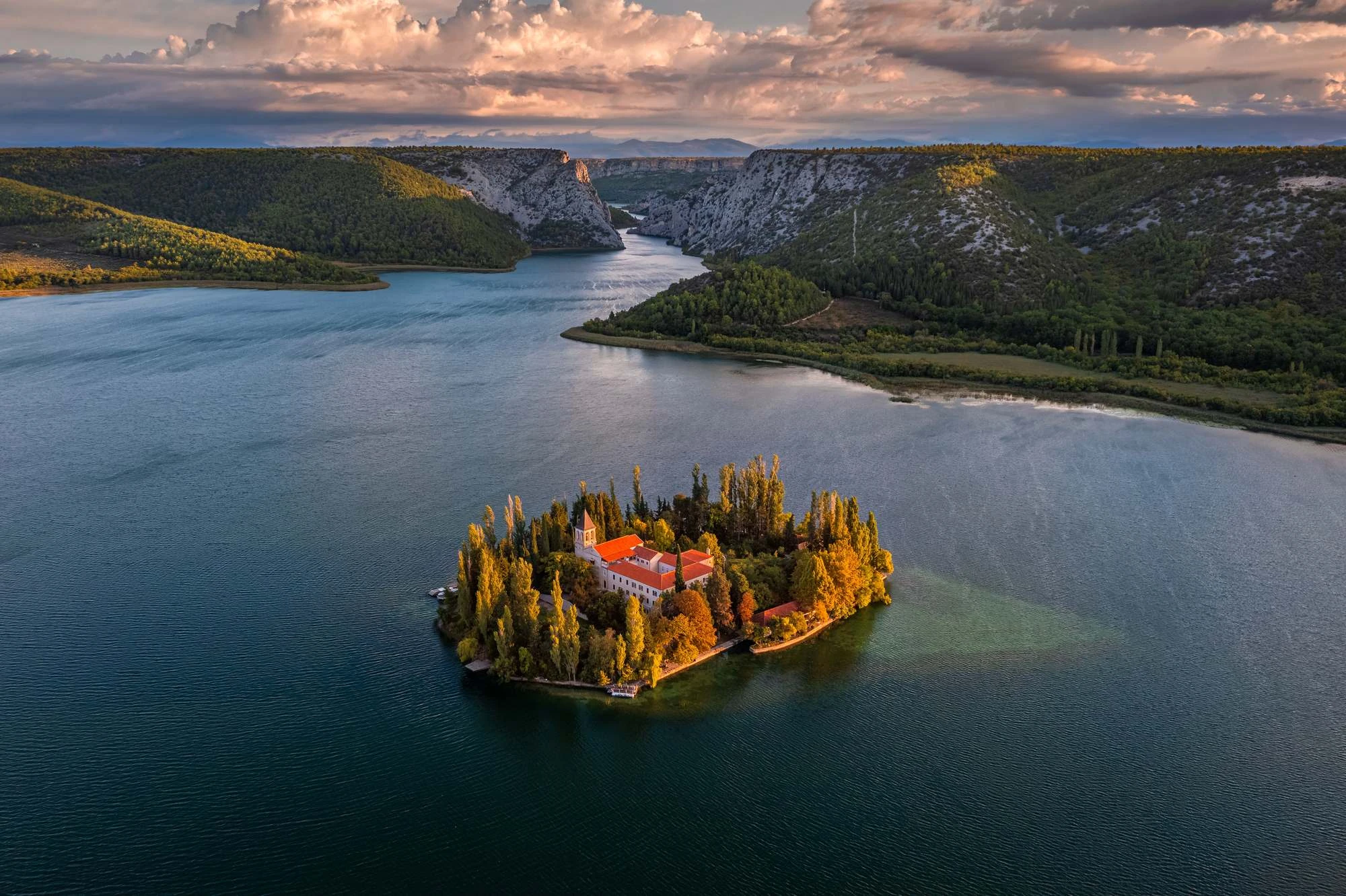
Visitors come for the easily accessible waterfalls, riverside walkways, and viewpoints that reveal the power of the river. A special attraction is the island of Visovac with its Franciscan monastery, one of the most photographed scenes in Dalmatia. Krka is a park where natural beauty is experienced more calmly and slowly, accompanied by the sound of water and the coolness of the river, even on the hottest days. This park is visited by more than 800,000 people annually.
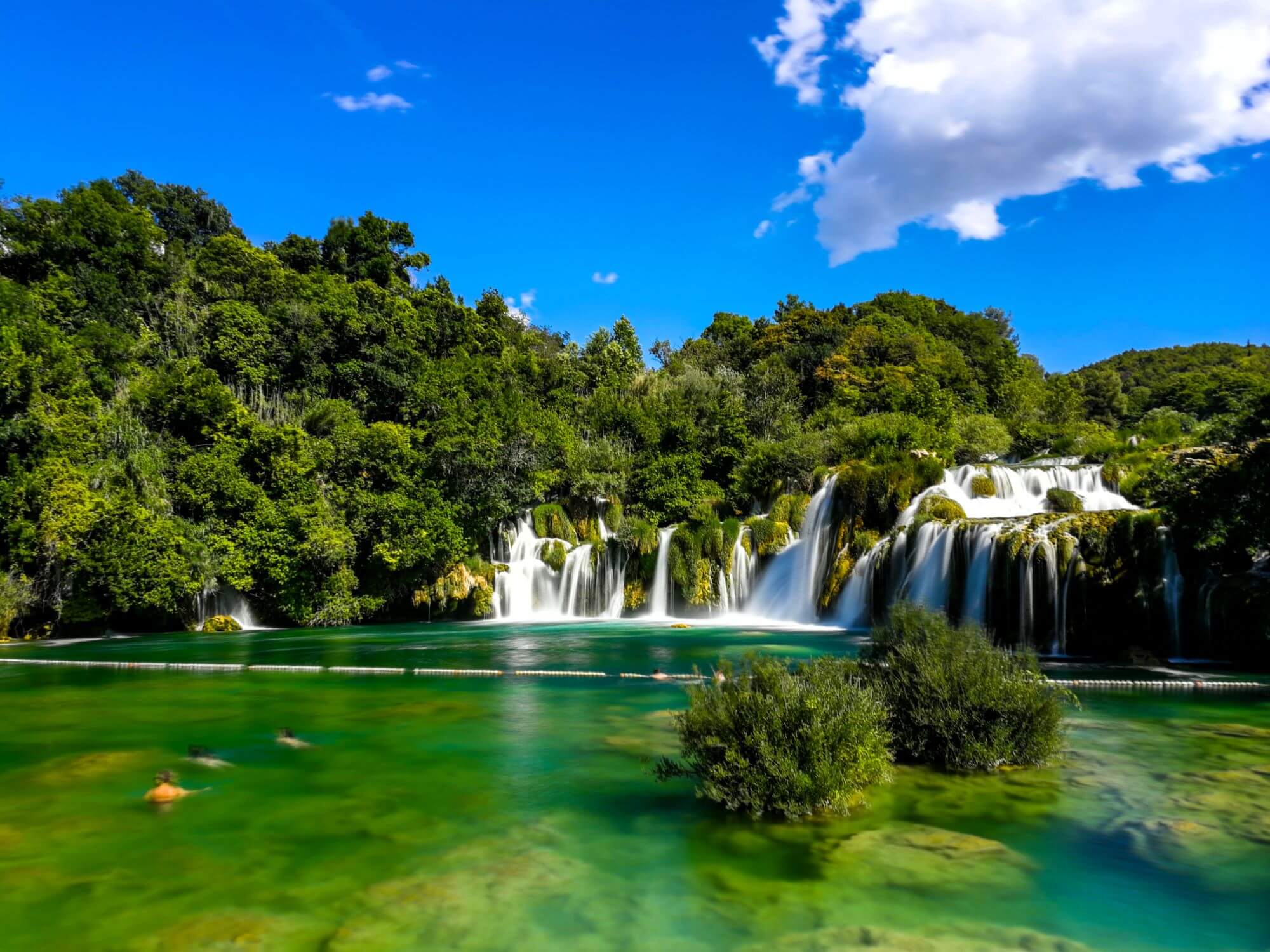
Krka National Park, Photo: ZovkoM, CC BY-SA 4.0
PAKLENICA
Paklenica is a completely different world. Located on the southern slopes of Mount Velebit, it represents one of the most important climbing and mountaineering areas in Europe. The park consists of two impressive canyons, Velika and Mala Paklenica, whose cliffs rise up to 700 meters in height.
People come for the dramatic mountain landscape, wild nature, and the feeling of raw alpine power. Paklenica offers dozens of kilometers of hiking trails, numerous world-class climbing routes, and exceptional biological diversity. A special feature of the park is underground tunnels from the Yugoslav era, now open to visitors, which further enrich the experience of the area. This park is visited by around 100,000 people each year.
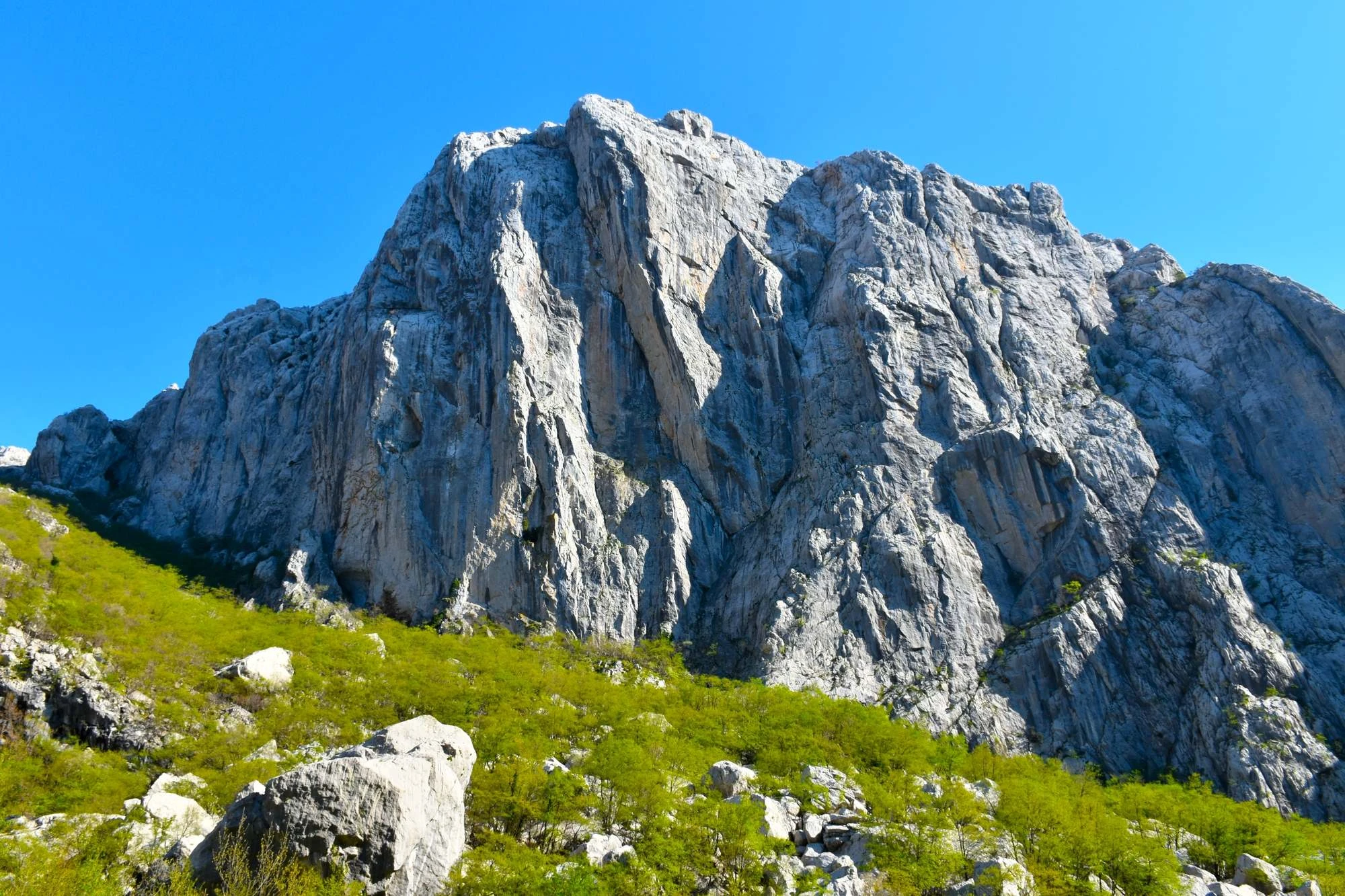
Anica Kuk, Paklenica Photo: kato08 Depositphotos
RISNJAK
Risnjak is a national park of silence, forests, and springs. Located in the Gorski Kotar region, it represents one of the greenest areas of Croatia. It was named after the lynx, a symbol of wilderness and preserved nature. Bears, wolves, and many rare bird species also inhabit this area.
The main attraction of the park is the Risnjak massif with its highest peak, Veliki Risnjak, offering views all the way to the Adriatic Sea. A particularly special site is the source of the Kupa River, one of the deepest karst springs in Europe, whose dark blue color appears almost unreal. Visitors come for hiking, fresh mountain air, and the feeling of complete separation from the urban world. This park is visited by between 15,000 and 20,000 people annually.

Risnjak, Photo: crobackpacker Depositphotos
NORTHERN VELEBIT
Northern Velebit is considered the wildest and best-preserved part of the mountain. It is an area of harsh karst terrain, grassy plateaus, and deep pits. The park is known for its exceptional biological diversity, with more plant species growing in a small area than in some European countries.
The most famous attraction is the Premužić Trail, a masterpiece of dry stone construction that leads through the most beautiful parts of the mountain without steep ascents. Visitors come for the sense of vast natural scale, silence and views that stretch across the islands on one side and the continent on the other. Northern Velebit is not a park for quick visits, but for those who want to truly understand the mountain. This park is visited by around 20,000 people per year.
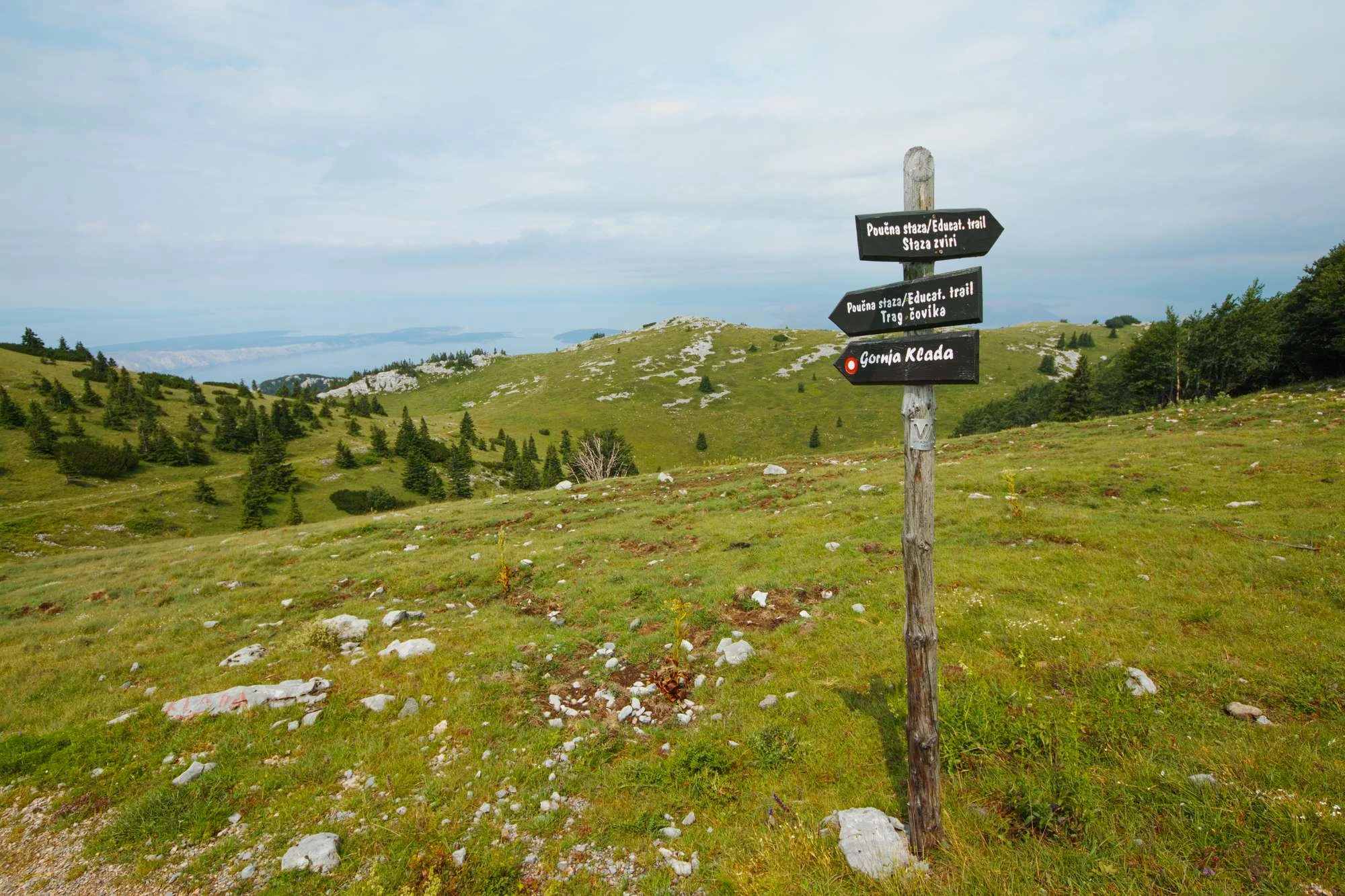
Northern Velebit Photo: scimmery.gmx.de Depositphotos
KORNATI
The Kornati are the sea transformed into a national park. An archipelago of nearly 150 islands, islets, and reefs forms one of the harshest yet most beautiful maritime landscapes of the Mediterranean. Without permanent settlements, with minimal vegetation and powerful cliffs plunging vertically into the sea, the Kornati appear almost unreal.
People visit them by boat, sailboat, or as part of organized excursions. Attractions include cliffs known locally as crowns, crystal clear sea, rich underwater life, and the complete absence of modern civilization noise. The Kornati are not a park of traditional walks but an experience of freedom, open sea, and endless horizons. This park is visited by around 80,000 people annually.
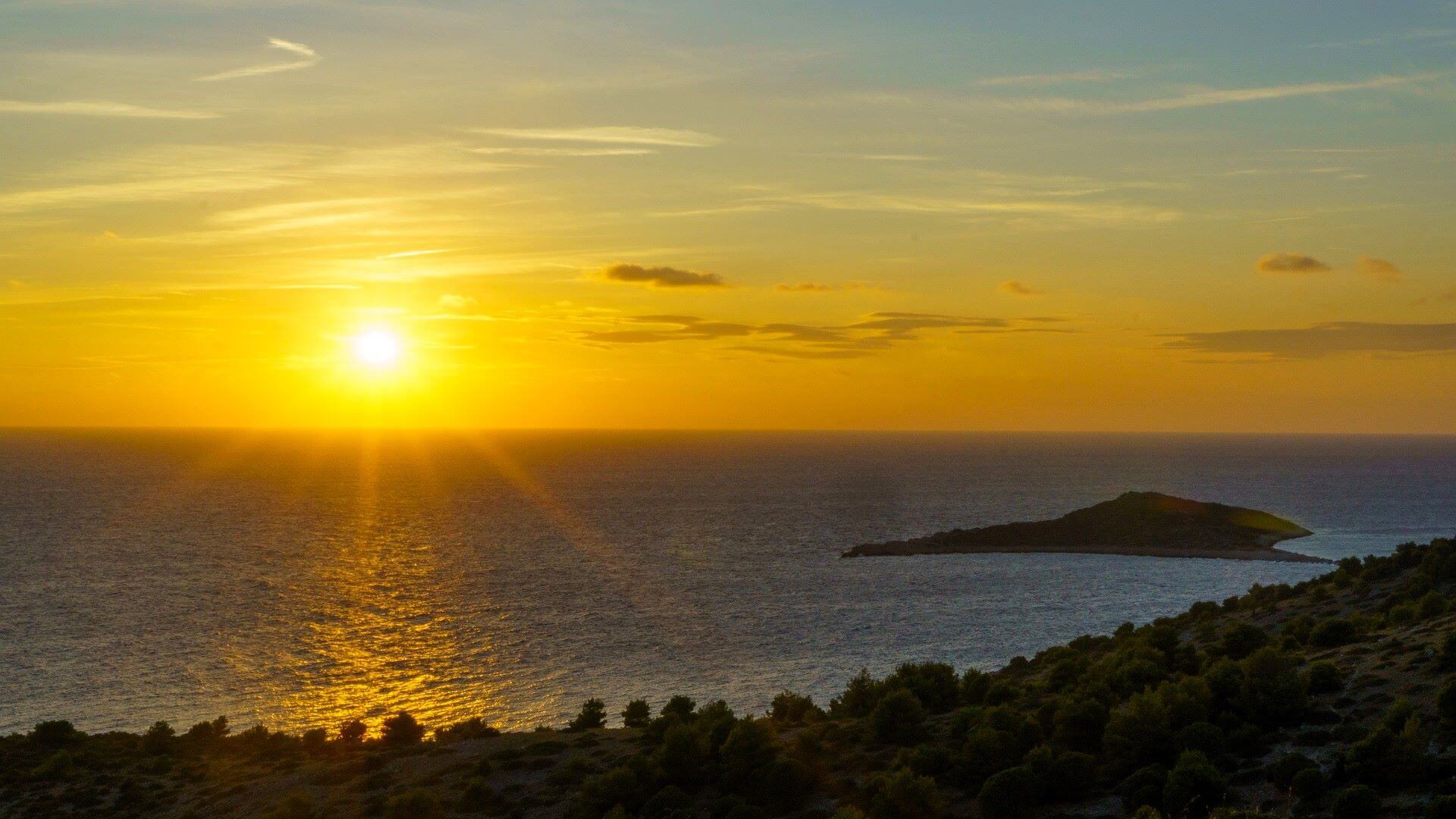
Kornati, sunset, Photo: mhollaen, Pixabay
MLJET
Mljet is the greenest Croatian island and one of the most peaceful national parks. Its heart consists of the Large and Small Lakes, saltwater lakes connected to the open sea by a narrow channel. Surrounded by dense pine forests, they create a landscape that feels almost meditative.
Visitors come for tranquility, cycling trails around the lakes, swimming in warm water, and forest walks. On a small island in the middle of the Large Lake stands a Benedictine monastery from the 12th century, the symbol of Mljet and one of the most distinctive places in the Adriatic. Mljet is a part of a slow rhythm and an ideal escape from mass tourism. This park is visited by around 90,000 people each year.

National Park Mljet, Photo: Bruno Wolff / Unsplash
BRIJUNI
The Brijuni Islands represent a unique combination of nature, history, and culture. Located off the Istrian coast, they consist of 14 islands that for centuries served as summer residences, Roman settlements, and elite retreats. Today, they combine landscaped scenery, archaeological sites, and preserved nature.
The special features of Brijuni include Roman villas, Byzantine mosaics, a safari park with exotic animals, and dinosaur footprints visible directly along the shoreline. People visit them because of easy access, tourist train rides, cultural landmarks, and a sense of elegance that sets them apart from other parks. This park is visited by more than 150,000 people annually.

Brijuni Photo: gsafarek Depositphotos
NATIONAL PARKS AS A MIRROR OF CROATIA
Each national park in Croatia tells its own story. Their value lies not only in beauty, but in the preservation of spaces that still resist the accelerated rhythm of the modern world.
A visit to national parks is a reminder of how diverse nature is and how worthy it is of respect. That is why they are not merely tourist attractions, but the most valuable natural heritage of Croatia.
Do you know how many nature parks there are in Croatia?

Zoran Kovačić
I do miracles right away, but the impossible still takes me a little time!
Leave a Reply