
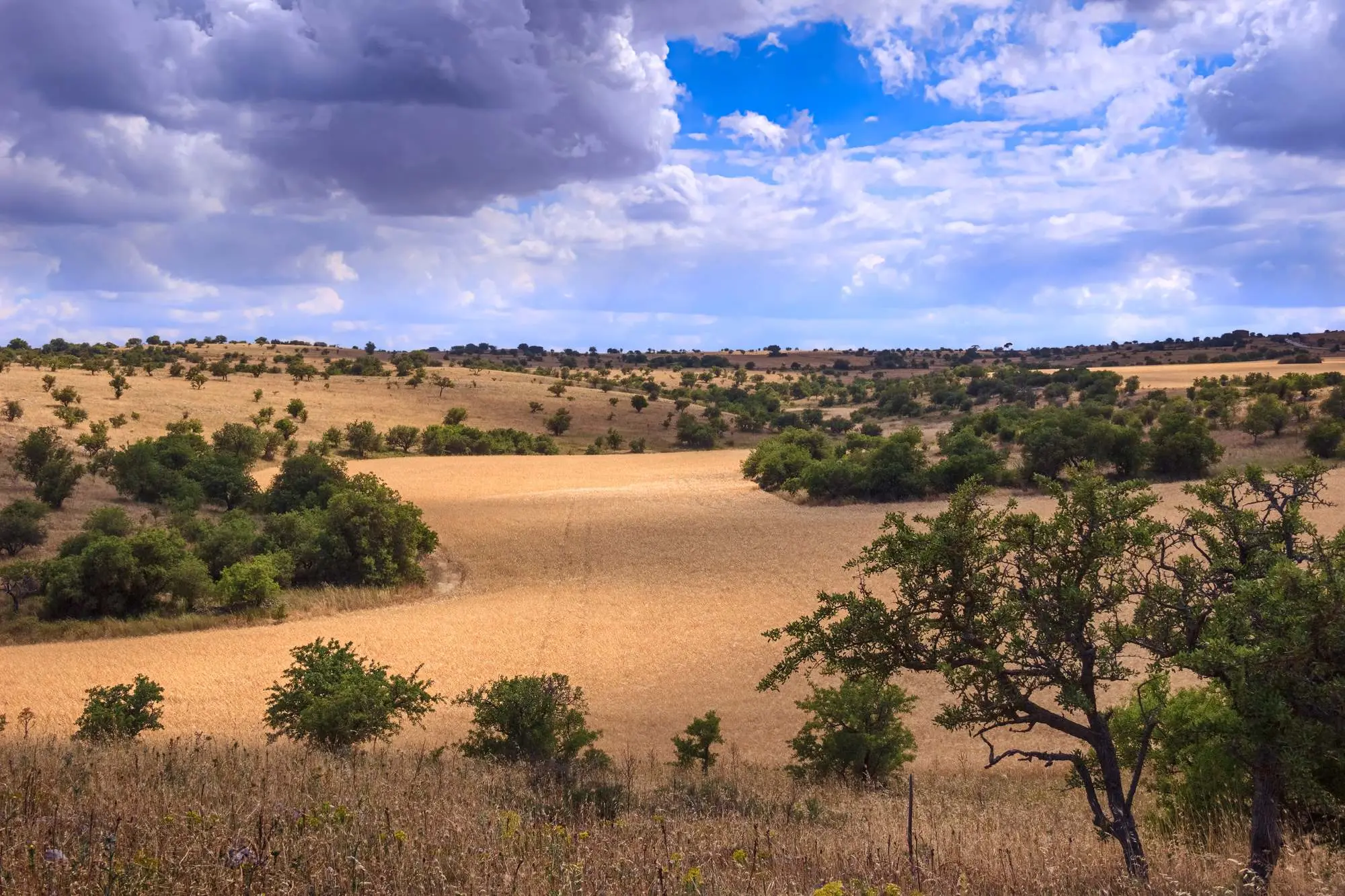
How many national parks does Italy have?
Italy, known for its rich history, culture, and gastronomic offer, is equally fascinating for its extraordinary nature. From the Alpine peaks, through the Apennine mountains, to the enchanting seascapes, this country hides incredible natural beauties protected in national parks. Interestingly, Italy has had its first national park, Gran Paradiso, since 1922. These are places where you can encounter unique animal species, beautiful plant communities, and magnificent geological formations.
Italy has a total of 25 national parks, here are what they are!
1. Abruzzo, Lazio e Molise (Abruzzo, Lazio, Molise) – 496 km², known for the protection of brown bears and wolves.
2. Alta Murgia (Apulia) – 677 km², specific for its karst landscape.
3. Appennino Lucano (Basilicata) – 689 km², known for its biodiversity.
4. Arcipelago di La Maddalena (Sardinia) – 201 km², spectacular island landscapes.
5. Arcipelago Toscano (Tuscany) – 746 km², Italy’s largest marine park.
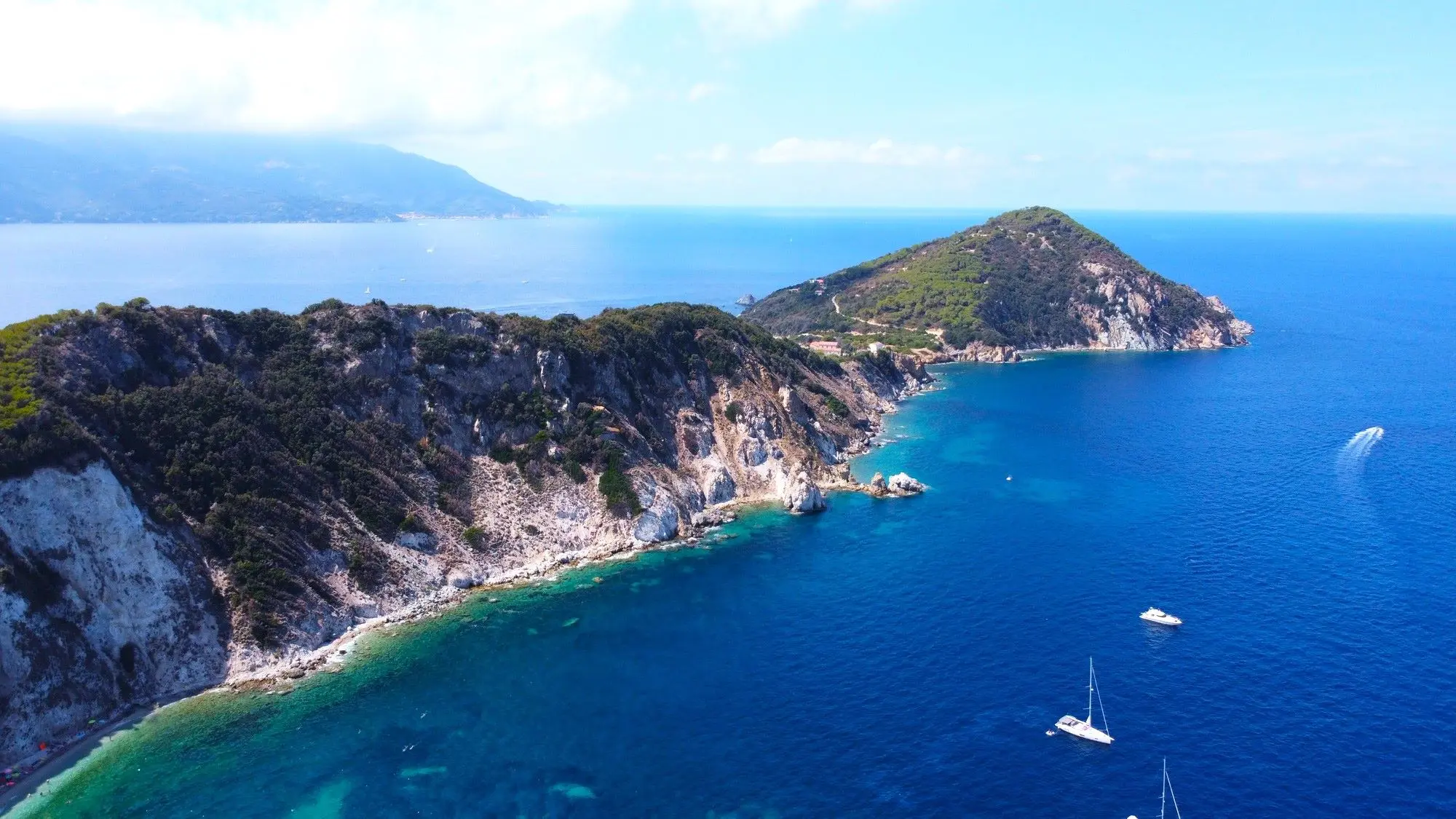
Tuscan Archipelago National Park, Photo: Wirestock Depositphotos
6. Asinara (Sardinia) – 51 km², famous for its white donkeys.
7. Aspromonte (Calabria) – 641 km², forests and rare fauna.
8. Cilento, Vallo di Diano e Alburni (Campania) – 1810 km², UNESCO World Heritage Site.
9. Cinque Terre (Liguria) – 39 km², famous for its picturesque villages.
10. Dolomiti Bellunesi (Veneto) – 315 km², part of the UNESCO World Heritage Site of the Dolomites, famous for its impressive rocky peaks and alpine valleys.
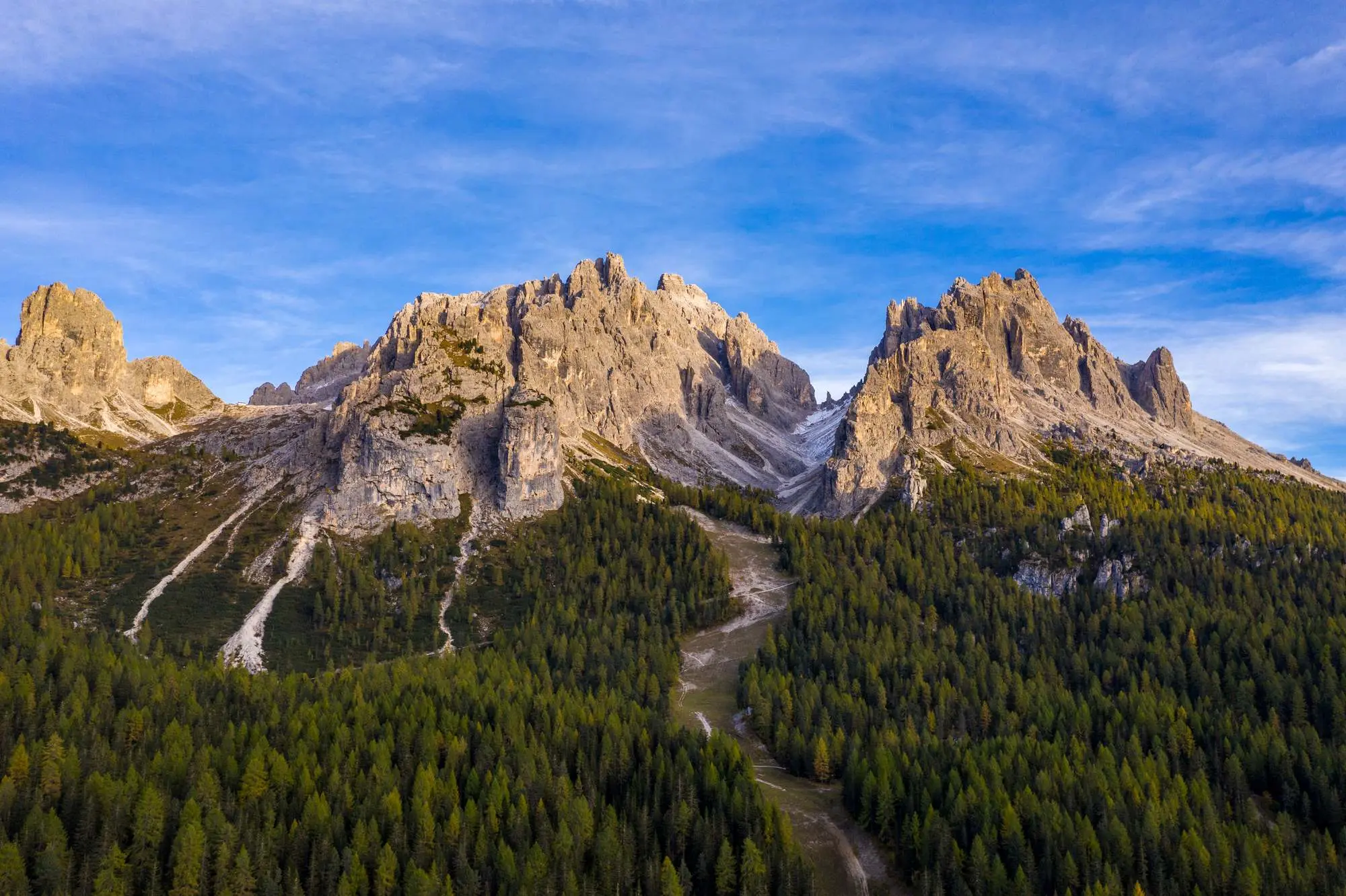
Dolomiti Bellunesi National Park Photo: DaLiu Depositphotos
11. Foreste Casentinesi (Tuscany, Emilia-Romagna) – 365 km², forests and monasteries.
12. Gargano (Apulia) – 1212 km², impressive cliffs and forests.
13. Gran Paradiso (Valle d’Aosta, Piedmont) – 703 km², Italy’s first national park.
14. Gran Sasso e Monti della Laga (Abruzzo, Lazio, Marche) – 1413 km², the highest peak of the Apennines.
15. Maiella (Abruzzo) – 740 km², rich flora and fauna.
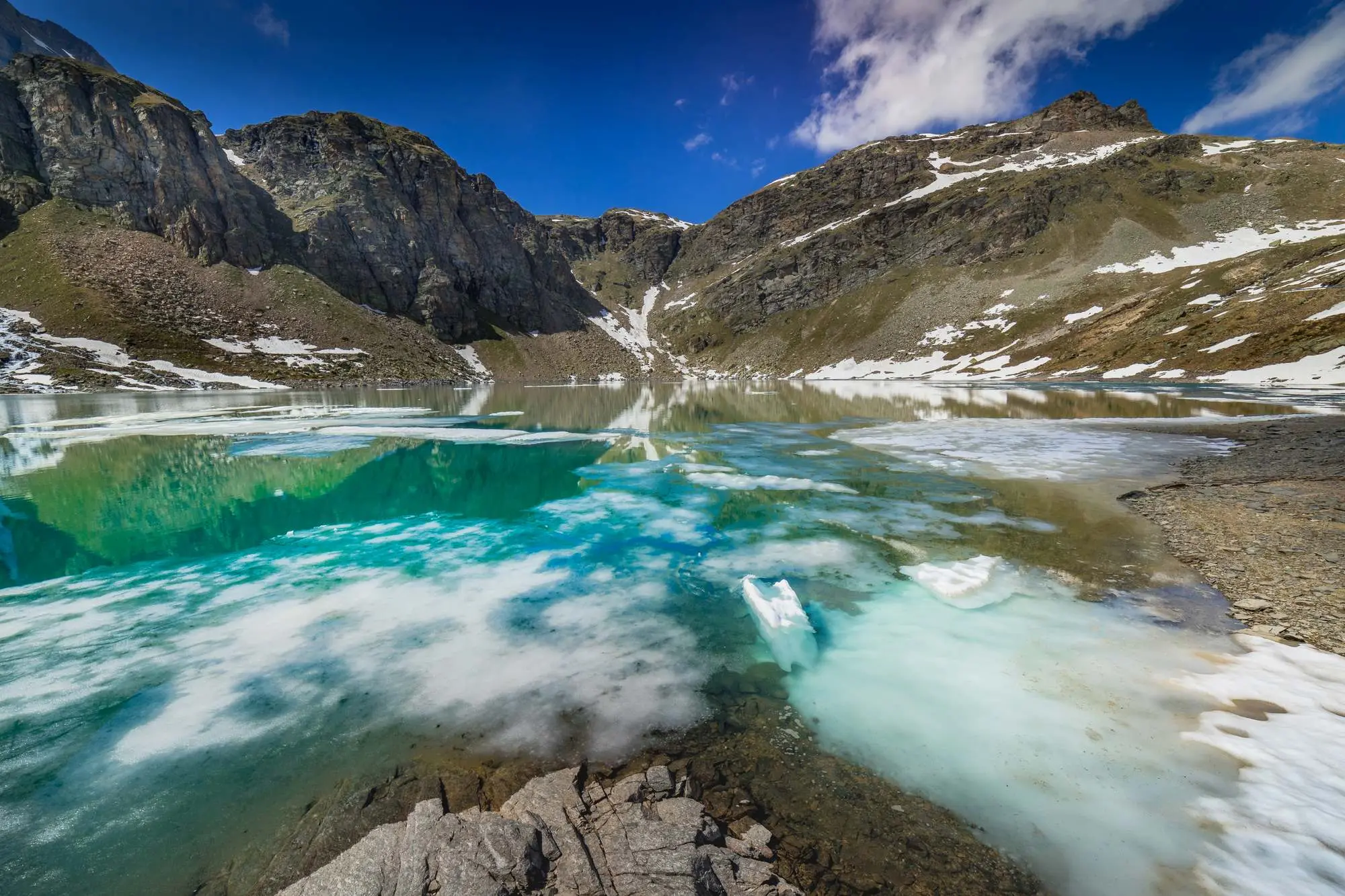
Gran Paradiso National Park Photo: FP468189 Depositphotos
16. Monti Sibillini (Marche, Umbria) – 700 km², mystical mountain landscapes.
17. Pollino (Calabria, Basilicata) – 1925 km², the largest park in Italy.
18. Silla (Calabria) – 737 km², lakes and dense forests.
19. Stelvio (Lombardy, Trentino-Alto Adige) – 1346 km², alpine glaciers.
20. Val Grande (Piedmont) – 150 km², the largest wilderness area in Italy.
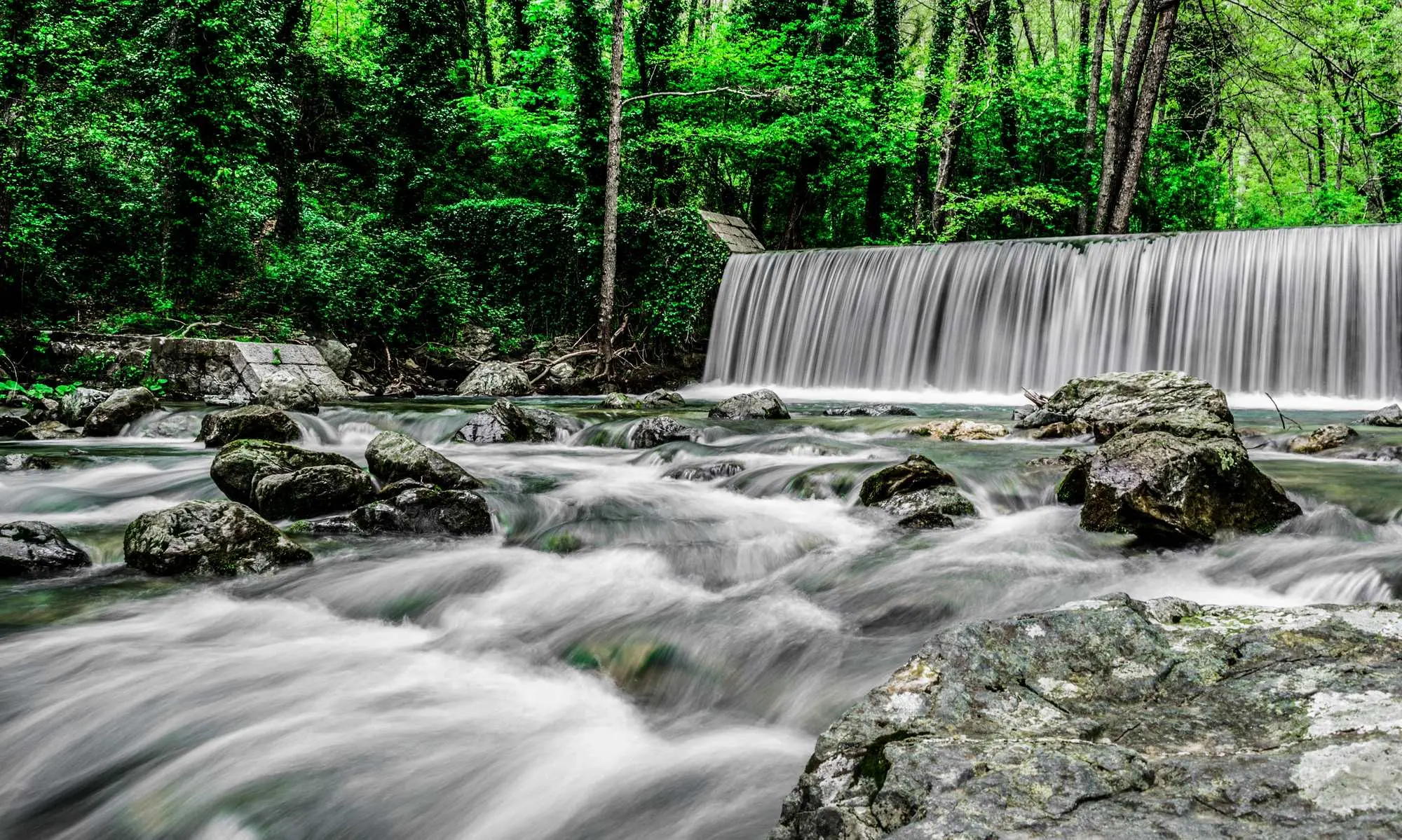
Pollino National Park, Photo: fabrycs Depositphotos
21. Vesuvius (Campania) – 73 km², famous for the volcano that destroyed Pompeii.
22. Pantelleria (Sicily) – 66 km², volcanic landscapes.
23. Porto Conte (Sardinia) – 53 km², beautiful bays and caves.
24. Isola di Pantelleria (Sicily) – 83 km², thermal springs and volcanic landscapes.
25. Dell’Appennino Tosco-Emiliano (Tuscany, Emilia-Romagna) – 227 km², a gastronomically rich region.
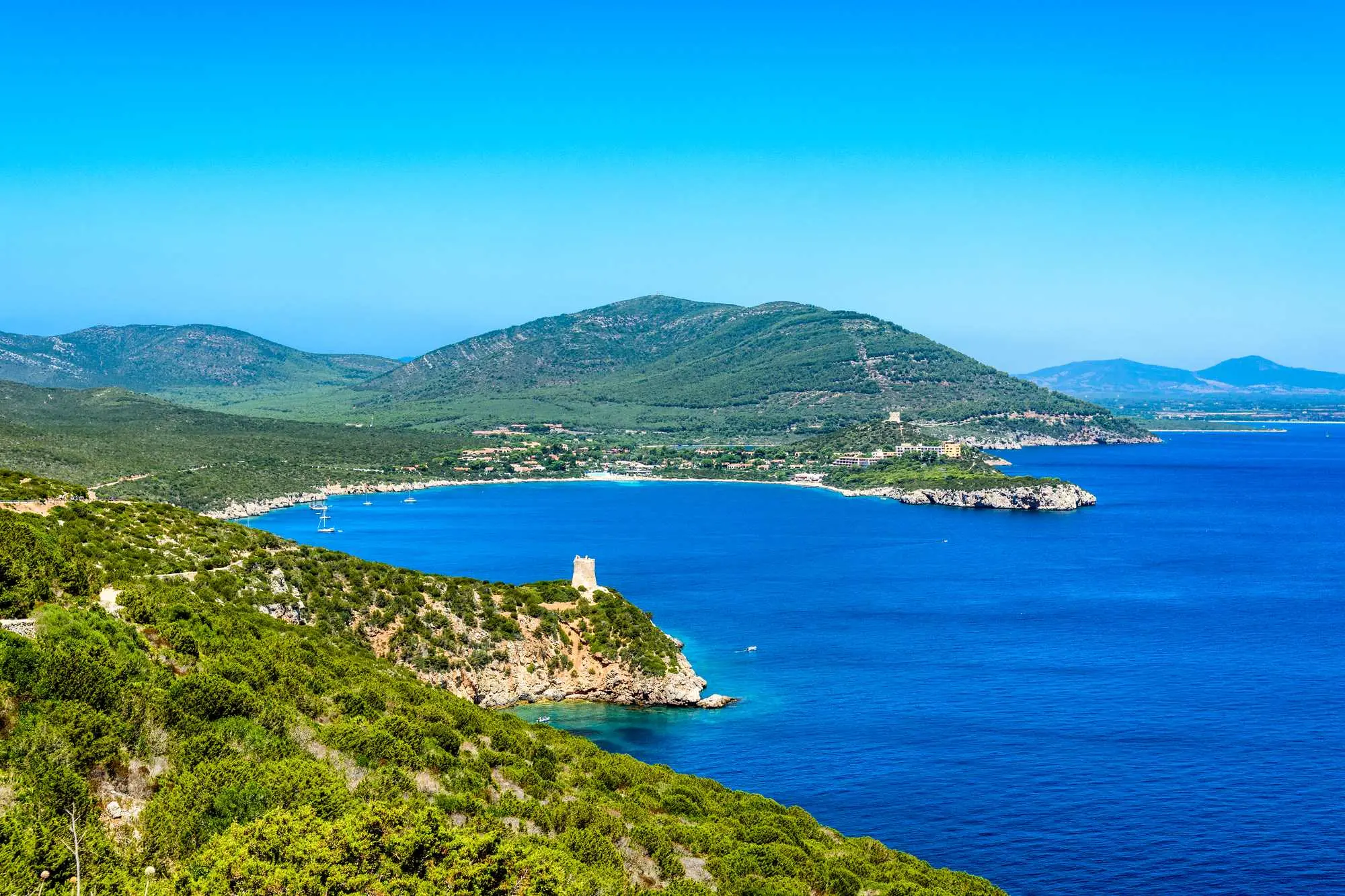
Porto Conte National Park, Photo: Nick1212 Depositphotos
National parks in Italy are of exceptional importance because they preserve biodiversity, allow for the exploration of untouched nature, and protect cultural heritage and local traditions.
In the upcoming articles, we will explore each of these parks in detail, getting to know their unique features and the interesting things each offers.

Ahmed Taha
Peace, love and music! ☮️

Leave a Reply