
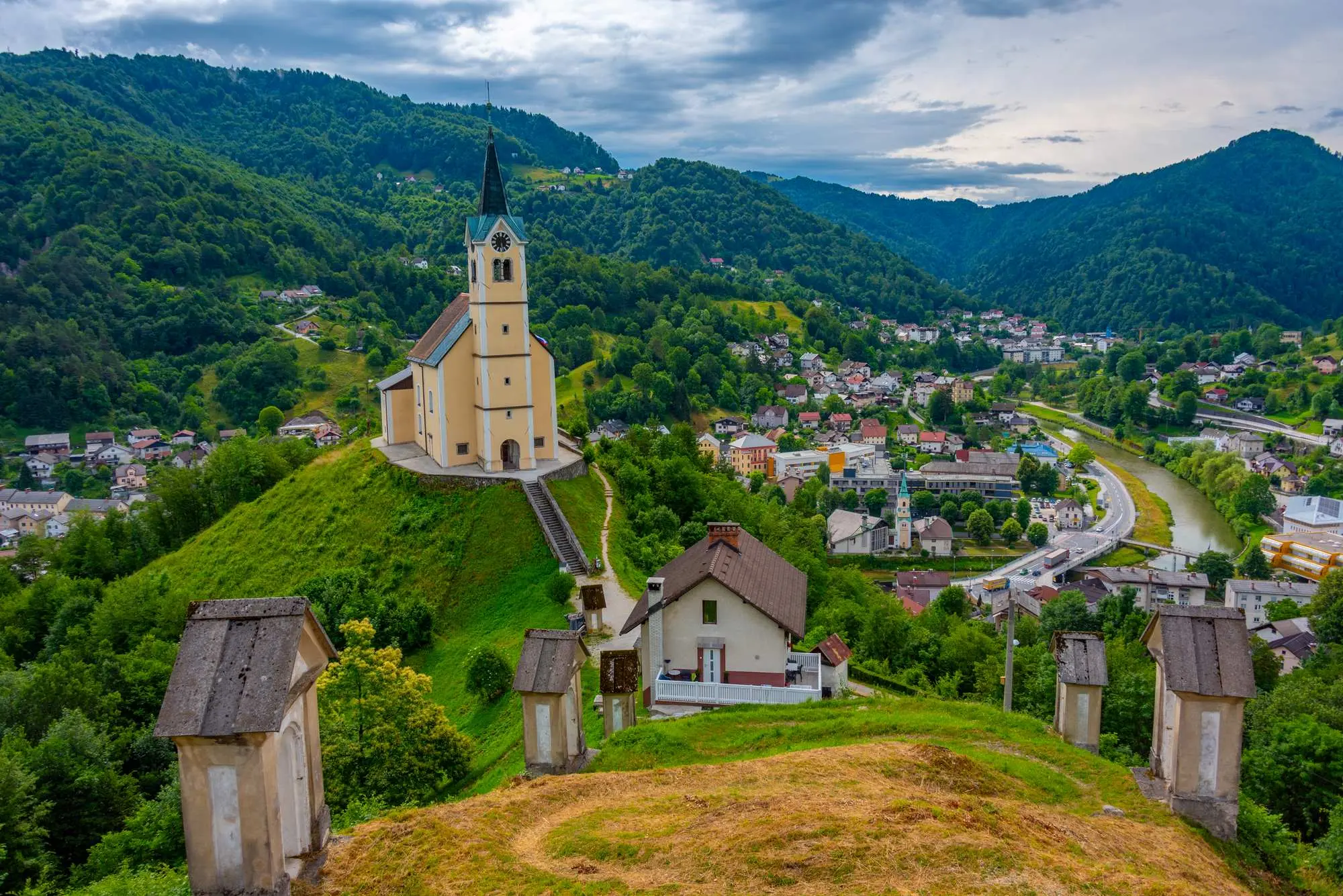
Idrija is a city woven from a long tradition of lace and mining! We have 5 reasons why you should visit it!
Idrija is a historic small town in western Slovenia, located about 50 kilometers from the capital Ljubljana, in the valley of the river Idrijica, surrounded by picturesque mountains. Founded in the 15th century, Idrija is known for its long mining tradition and the production of bobbin lace. Its mining activities once played a key role in European history because this town, together with Spain’s Almadén, was one of the world’s most important mercury deposits.
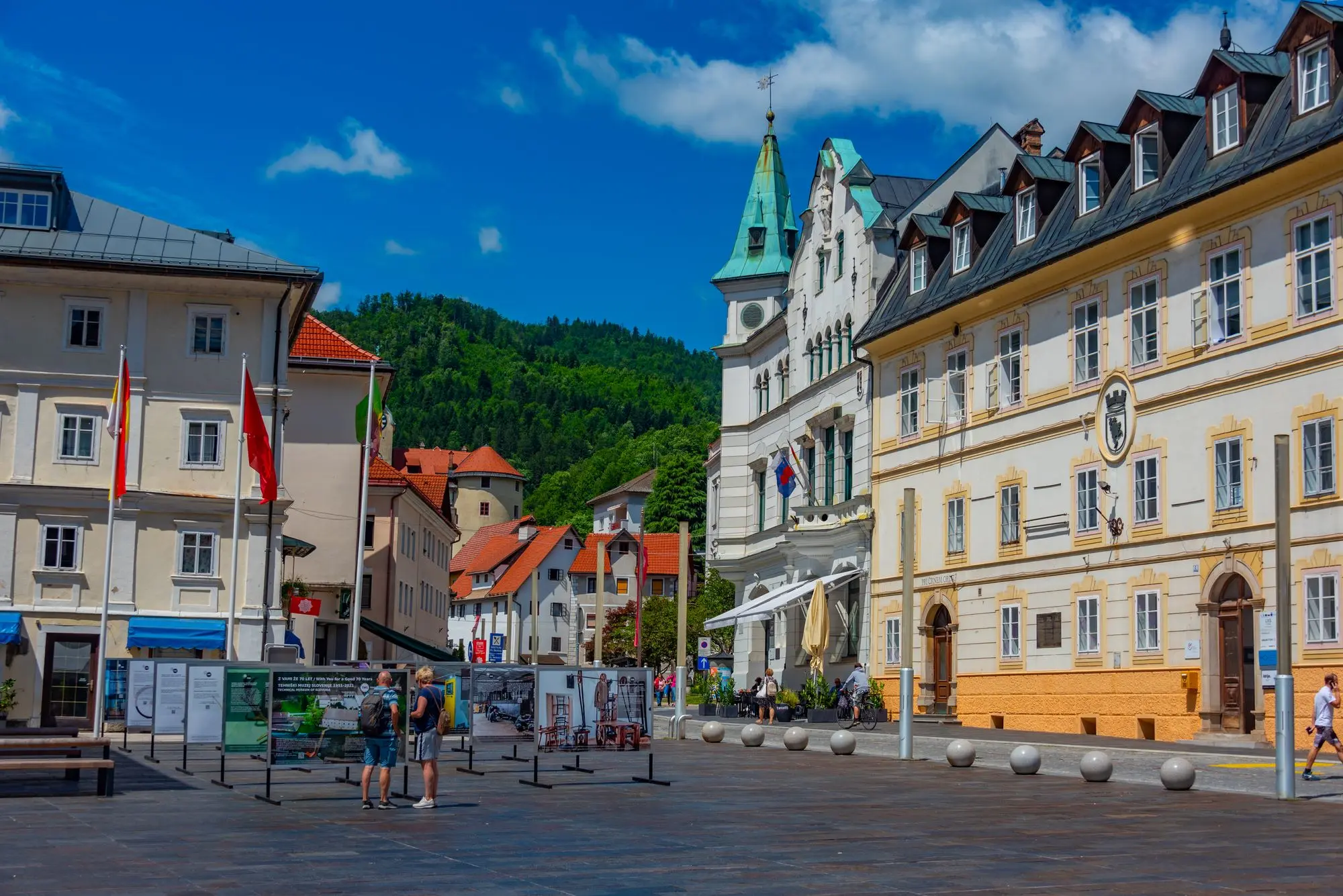
Idrija, Photo: Dudlajzov Depositphotos
Mining and its rich cultural heritage have earned Idrija a place on the UNESCO World Heritage List, making it a particularly interesting destination.
Here are five reasons why to visit this city and what to see in this Slovenian gem:
1. MERCURY MINE IDRIJA (Antonijev rov)
The mercury mine in Idrija is the oldest mercury mine in Europe and, until the 1980s, the second largest in the world. Work on the mine began in the 15th century, and Antonijev Rov complex. A visit to the mine tunnels offers an opportunity to explore the underground world of miners, learn about the industry that has shaped Idrija over the centuries, and learn about the dangers and challenges of its mining.

Antonijev rov, Idrija, Photo: Dudlajzov Depositphotos
2. GEWERKENEGG CASTLE
Originally built in the 16th century as a mercury warehouse and the center of mining administration, this Renaissance castle never actually served feudal or military purposes, nor was it used as a residence for the nobility. Nevertheless, it still bears the title of castle.
It currently houses the Museum of Idrija, which offers exhibitions on the history of the town, mercury mining, and natural sights, and the interesting collection of objects and documents allows all visitors to get to know the significance of this town even better.
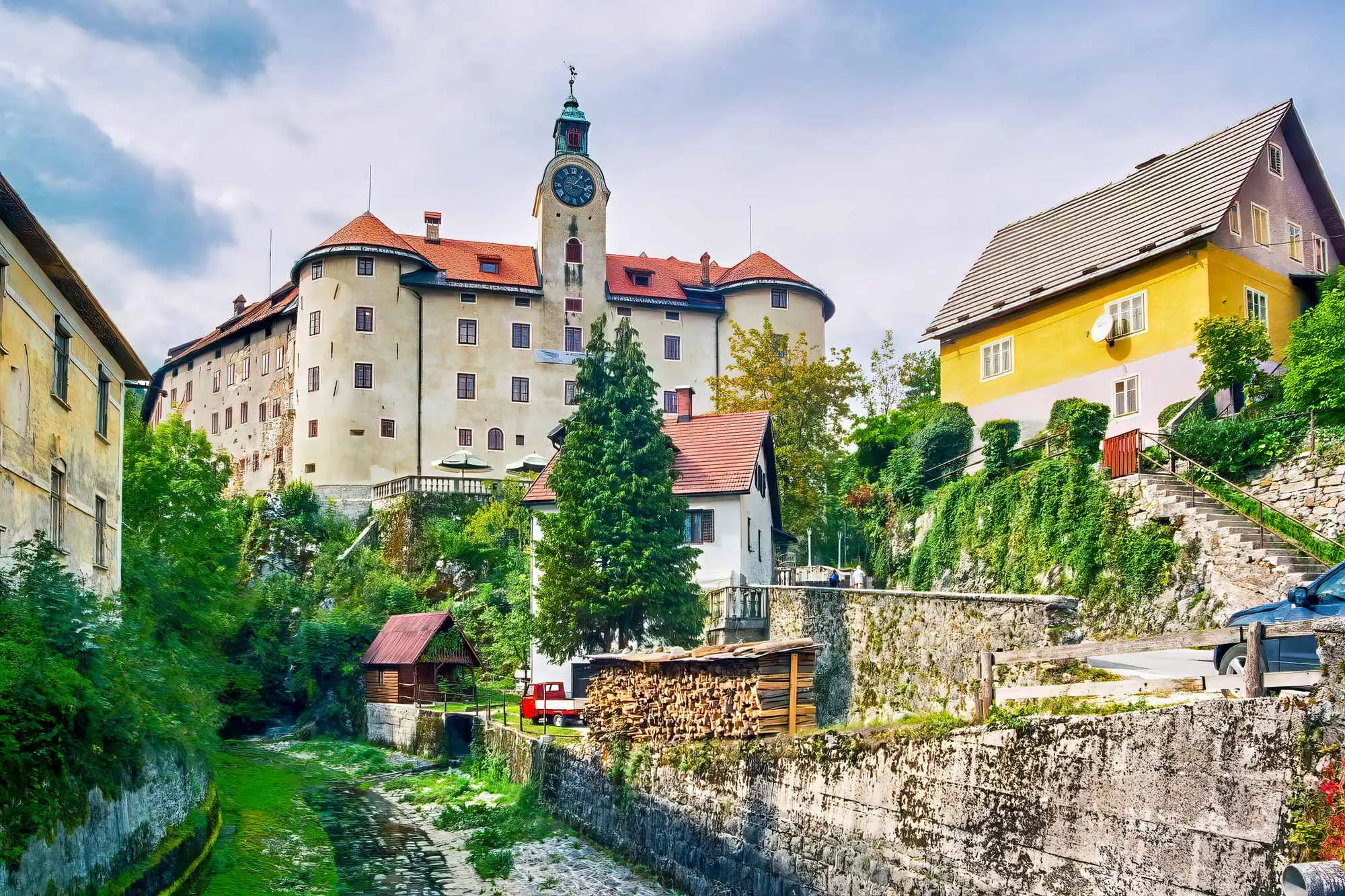
Gewerkenegg Castle, Idrija, Photo: RnDmS, Depositphotos
3. IDRIJA GEOPARK
Geopark Idrija visitor center offers rich exhibitions that show geological history, diverse rocks, and local flora and fauna through models, animations, and guides.
The Geopark is excellent and suitable for children who will certainly enjoy interactive and multimedia content, workshops, and tastings of local specialties.
View this post on Instagram
4. WILD LAKE
Divje jezero, or Wild Lake, is a natural karst lake and one of the biggest mysteries in Slovenia. Surrounded by cliffs and forests, this particular lake is known for its unique color and for being the first Slovenian nature museum. Although its exact depth is unknown, it is known that it is certainly deeper than 160 meters.
It is home to an endemic species, more precisely the human fish, which adds a special charm to this unique ecosystem.
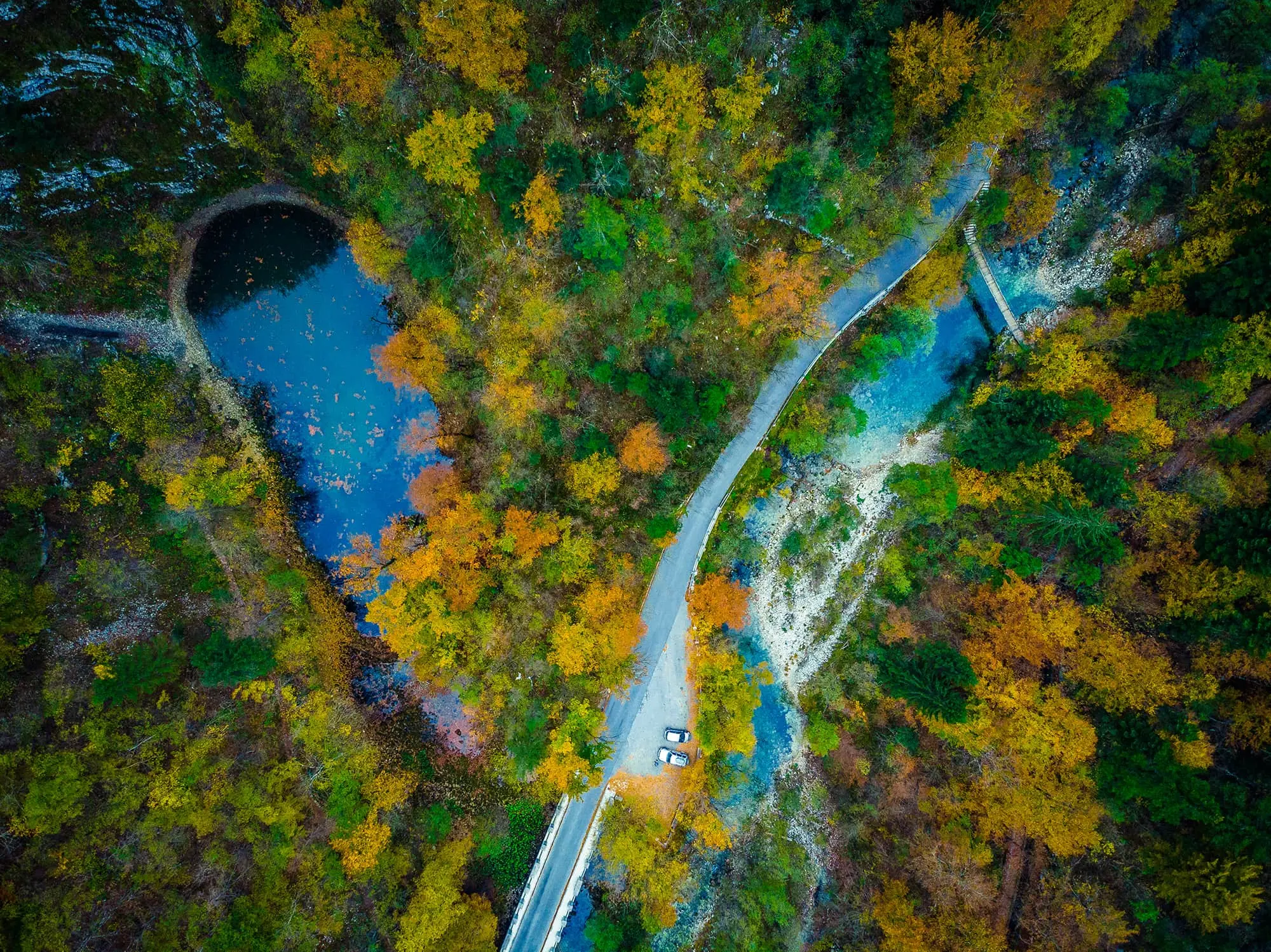
Divje Jezero – Wild lake, Photo: Marcin Jucha, Dreamstime
5. IDRJICA AND ITS BARRIERS
On the Idrijica River, special wooden barriers known as “klavže” were made, they were built to collect water and wood to supply mercury mines. These wooden structures, similar to dams, were extremely important in the past because they enabled the flooding of the river and the transport of wood needed for the operation of the mine. Today, the claves are preserved as cultural monuments.
You can learn more about them here.
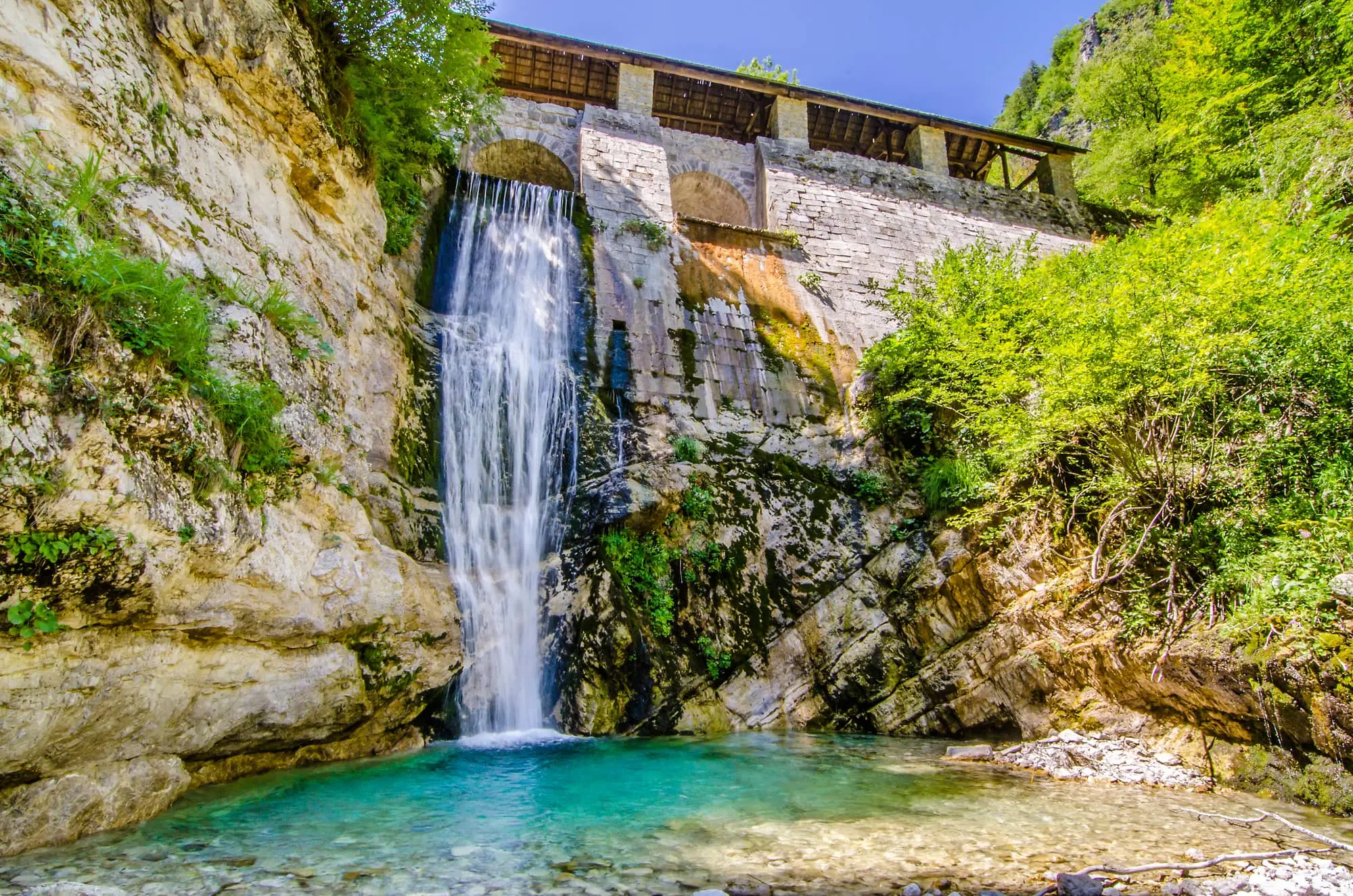
Putrihove klavže, Photo: Marko Šinkovec, www.slovenia.info
In addition to the five key locations, Idrija is known for several other sights that are worth visiting. There is a special Idrija bobbin lace, handmade from fine thread according to precise techniques that have been passed down through the generations. Idrija also hosts an annual lace festival, and visitors can participate in workshops and get to know this skill firsthand.
I hope I have given you enough reasons to visit it to experience all its charms!

Sara Sedić
I plan to live in the moment :)

Leave a Reply