
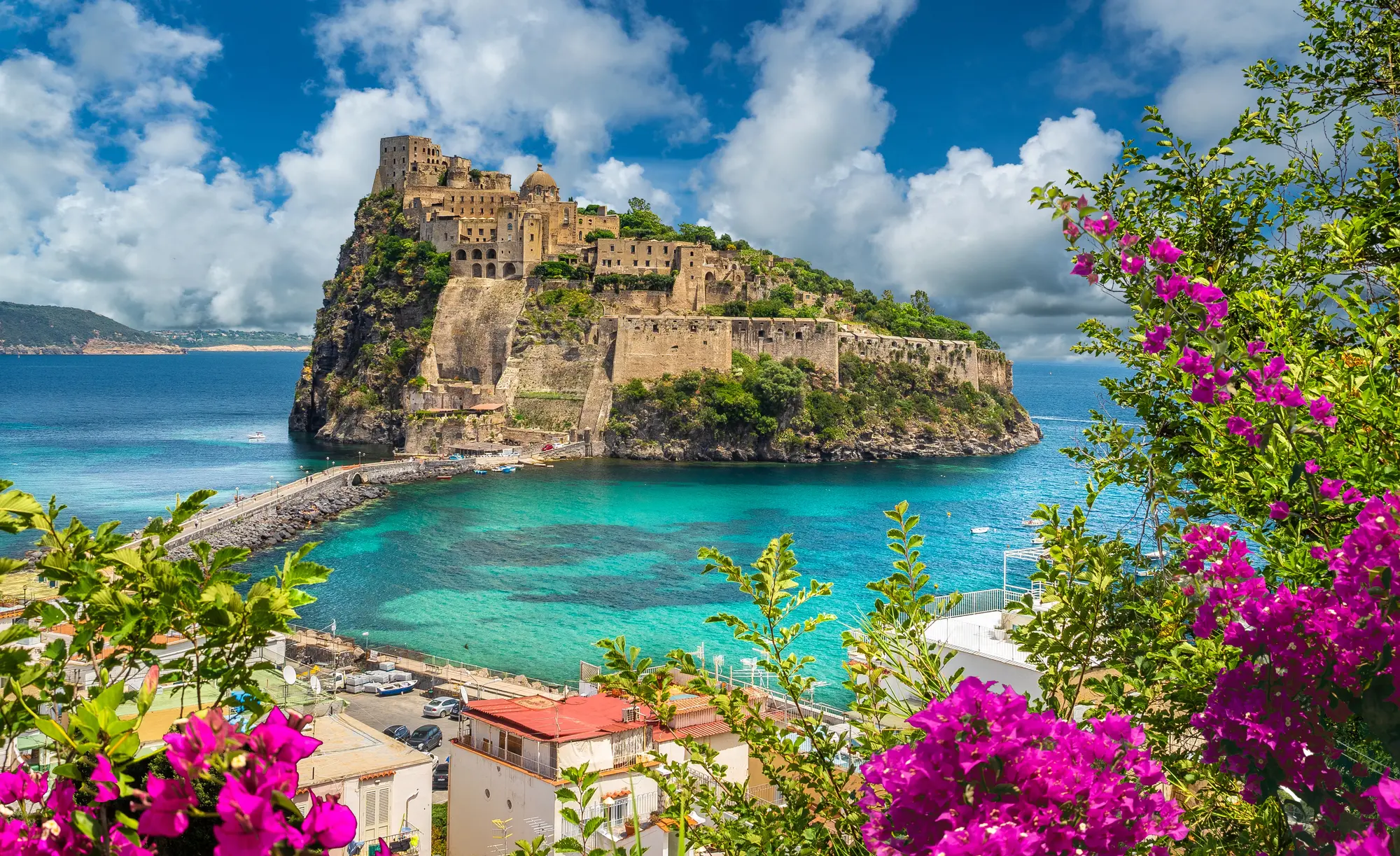
The island of Ischia hides the Aragonese Castle! Here’s why everyone considers it the greatest jewel of the island!
On the western edges of the Gulf of Naples lies Ischia, an island known for its thermal springs, volcanic landscape, and long history of settlement dating back to antiquity. On its eastern side, on a separate rocky formation connected to the island by a bridge, stands the Aragonese Castle, the most significant historic structure on Ischia and one of the oldest fortified complexes in the region.
The history of this site begins in 474 BC, when the Greek tyrant Hieron I of Syracuse ordered the construction of the first defensive structure on the rock, using it as a lookout point and military stronghold. After the Roman conquest of Ischia, the Roman Empire reinforced the position and used it to monitor maritime routes during the first centuries AD. Following the fall of the Western Roman Empire, the fortress came under Byzantine control and, around the year 600, served as a key defensive point against Lombard and Saracen attacks.
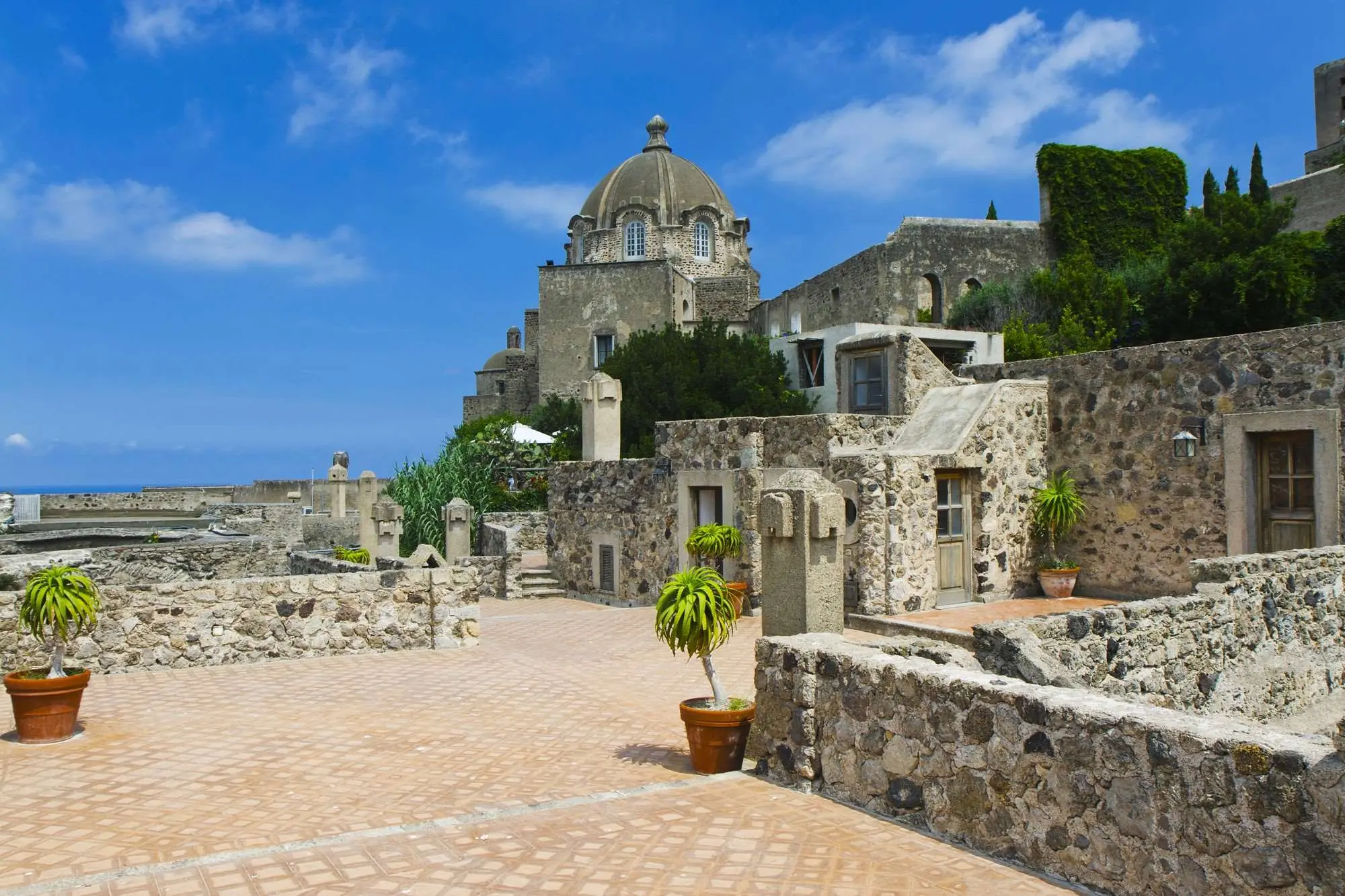
Aragonese Castle Photo: LisovS Depositphotos
In the 11th century, the complex was taken over by the Normans, then by the Angevins, but it was not until the 15th century that the castle took on its recognizable form. In 1441, the Aragonese king Alfonso V ordered the construction of a more modern fortress, the addition of new defensive towers and strengthened walls, as well as the construction of the stone bridge that still connects the rock to Ischia. His reconstruction largely defined the castle’s present-day appearance.
During the 15th, 16th, and 17th centuries, the Aragonese Castle functioned as an independent community. According to available information, up to 2,000 people lived within its walls during this period. It is also mentioned that, according to some sources, four monastic communities operated inside the complex, along with the Cathedral of the Assumption, smaller churches, a prison, and defensive structures that served as shelters for the population during frequent pirate attacks. These details are derived from local records and historical descriptions, although not all have been fully confirmed by primary archival sources.
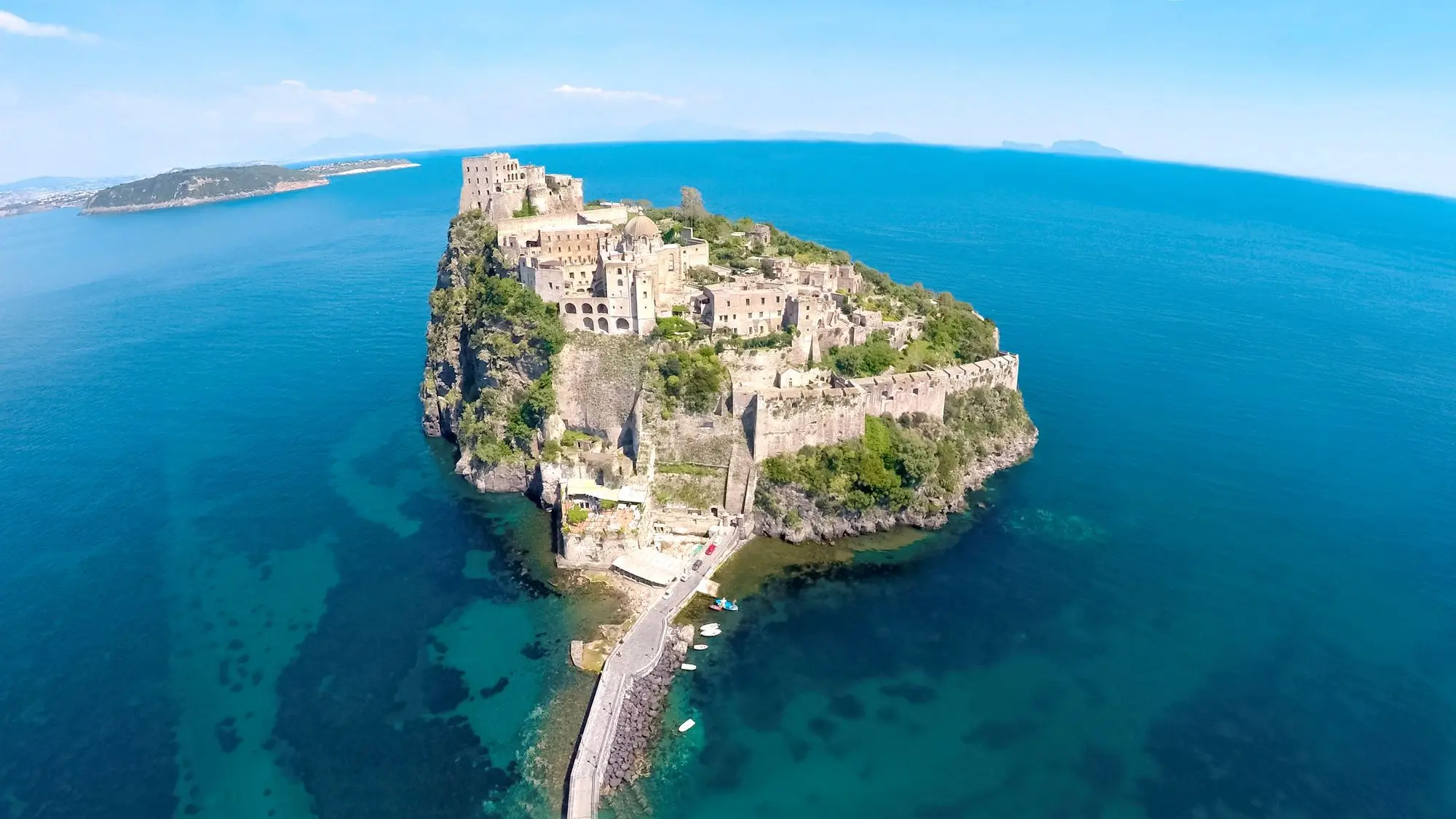
Aragonese Castle Photo: motortion Depositphotos
In 1912, the complex passed into private ownership, after which systematic restoration began. Most of the castle’s current condition is the result of decades of work that reconstructed Greek foundations, Roman modifications, Byzantine walls, and Aragonese fortifications.
Several legends are associated with the castle. The most famous tells of Alfonso V of Aragon, who, according to tradition, declared that he would defend the castle even if only one man and one cannon remained at his side. Because of this, according to local folklore, some defensive units were later referred to as “the king’s men”. Another legend concerns the Poor Clare nuns, who according to tradition, were said to have used ashes and fragments of bones from the castle cemetery as a symbol of humility. These stories are part ofthe local oral tradition and are not supported by written historical sources.
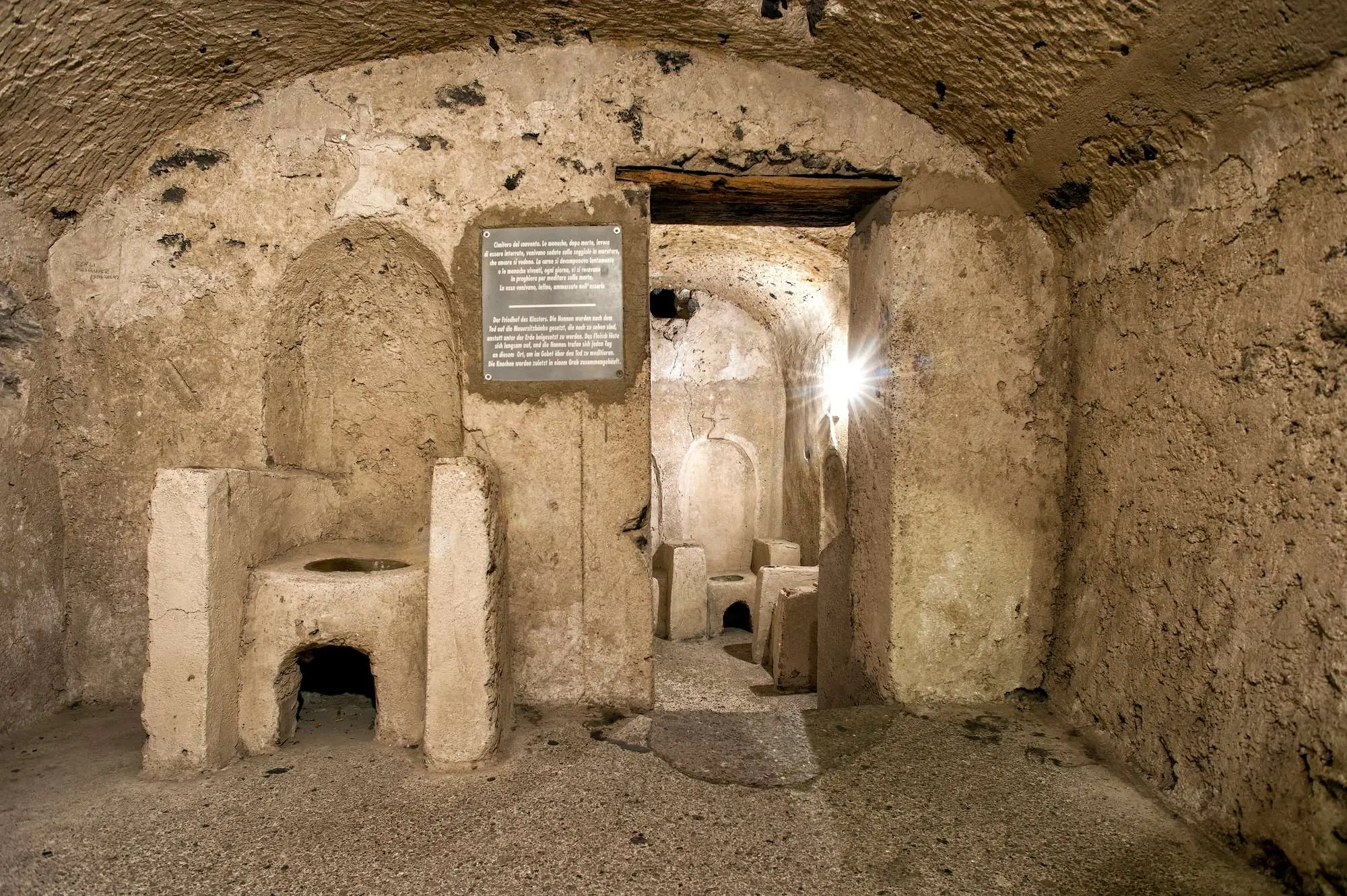
Aragonese Castle Photo: costagliola Depositphotos
Today, the Aragonese Castle has a mixed function. Most of the complex is open to visitors, including the Poor Clare cloister, the ruins of the Cathedral of the Assumption, gardens, dungeons, and viewpoints. The fortress also serves as a cultural venue hosting exhibitions, archaeological presentations, and events such as the Ischia Film Festival. The former monastery houses the boutique hotel “Il Monastero”, and certain parts of the complex remain under the private ownership of the family that has maintained the castle since 1912.
The Aragonese Castle today stands as the most important historical complex on Ischia, with visible traces of the many civilizations that occupied the site over the past two thousand years, and with a contemporary role that blends heritage, tourism, and cultural activity.

Sara Sedić
I plan to live in the moment :)


Leave a Reply