
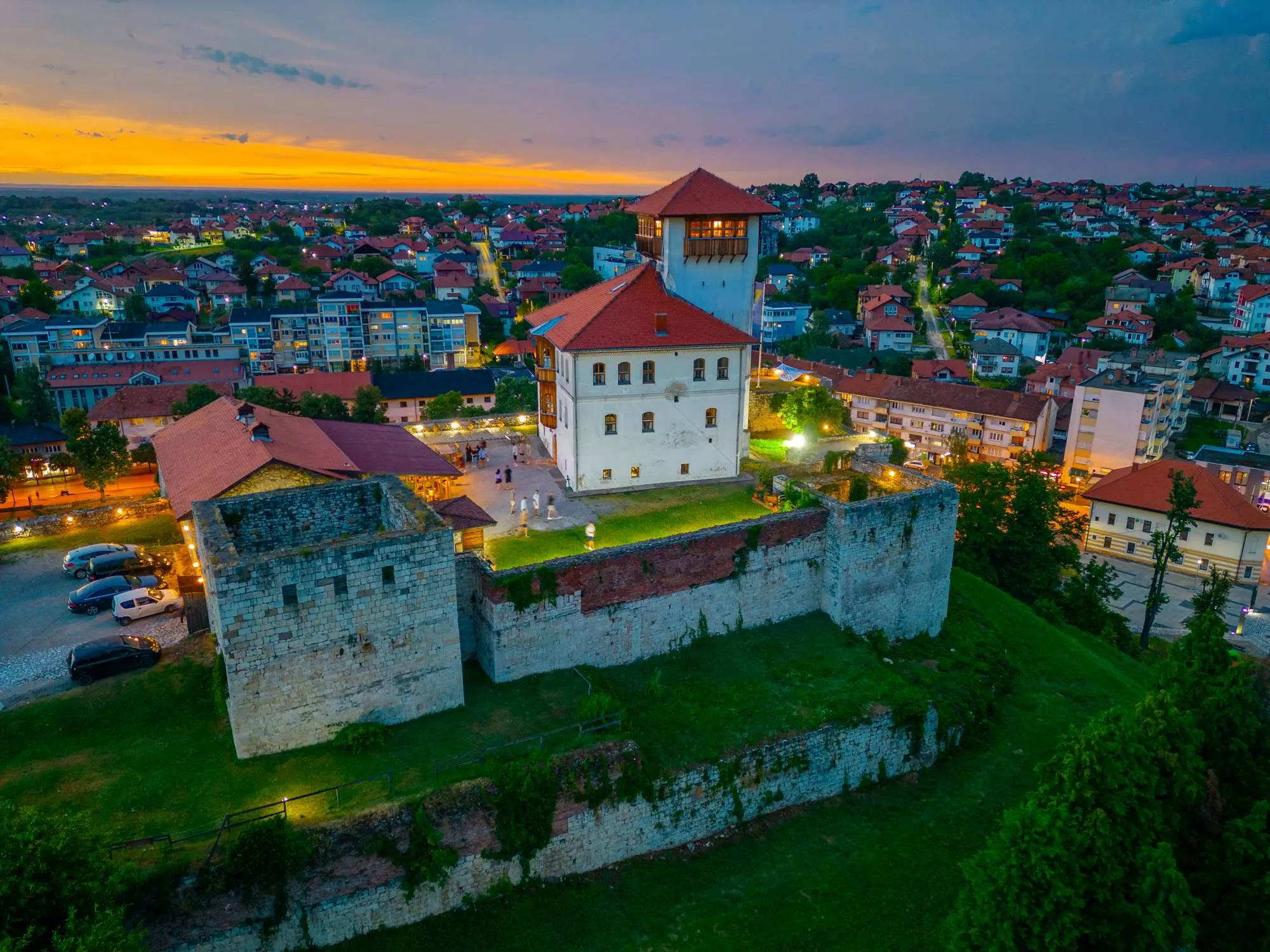
The Dragon of Bosnia! The old town and the Gradačac tower are a symbol of struggle and pride!
Gradačac, located in the northeastern part of Bosnia and Herzegovina, is a city rich in history and culture. It was first mentioned in written documents in the 14th century, and throughout history, it has been an important administrative, military, and commercial center. Thanks to its strategic position, it was often a target for invaders and a meeting place for different cultures and influences. However, it experienced its greatest prosperity during the Ottoman rule, especially in the 18th and 19th centuries when it became the seat of a captaincy. The development of trade and crafts and the construction of numerous infrastructure facilities contributed to its importance.
TODAY, GRADAČAC IS A MODERN CITY WITH A DEVELOPED INFRASTRUCTURE, A RICH GASTRONOMY OFFER, AND TOURIST POTENTIAL, BUT ALSO A CITY THAT PROUDLY PRESERVES ITS HISTORICAL HERITAGE.
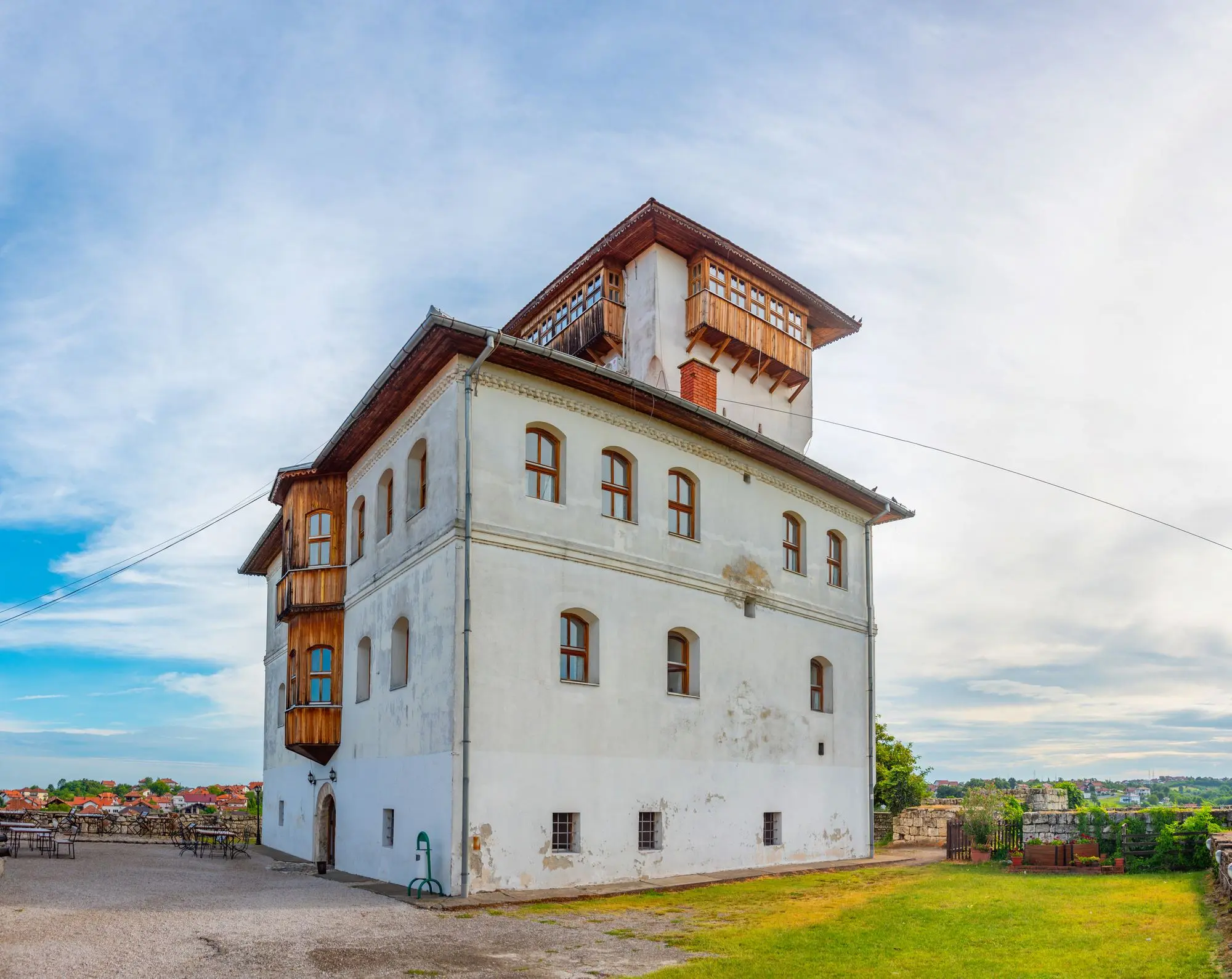
Old town Gradačac, Photo: Dudlajzov Depositphotos
Its most recognizable symbol is the Old Town with the tower of Husein-captain Gradaščević. This imposing fortress has dominated the landscape for centuries, telling stories of heroism, battles, and pride that shaped this country. Every brick and stone bears the mark of times gone by, and its fate is closely tied to the history of this region.
Its construction began in 1765 under the leadership of Murat-captain Gradaščević and was completed almost a hundred years later. The thick stone walls, high tower, and underground tunnels testify to its original military purpose – it was a powerful defensive point and the seat of the captaincy. Inside the walls, there was once the mosque of Sultan Mehmed Fatih, built before 1711, which was unfortunately demolished at the end of the 19th century.
The fortress experienced its most glorious period in the first half of the 19th century under the leadership of Husein-captain Gradaščević. This brave military leader led the Bosnian uprising against the Ottoman Empire in 1831, fighting for Bosnia’s autonomy. Although the uprising was ultimately unsuccessful, his legend lives on today, and his tower remains a symbol of defiance and the fight for justice. Because of him, this interesting fortress is also nicknamed the “Dragon of Bosnia”.
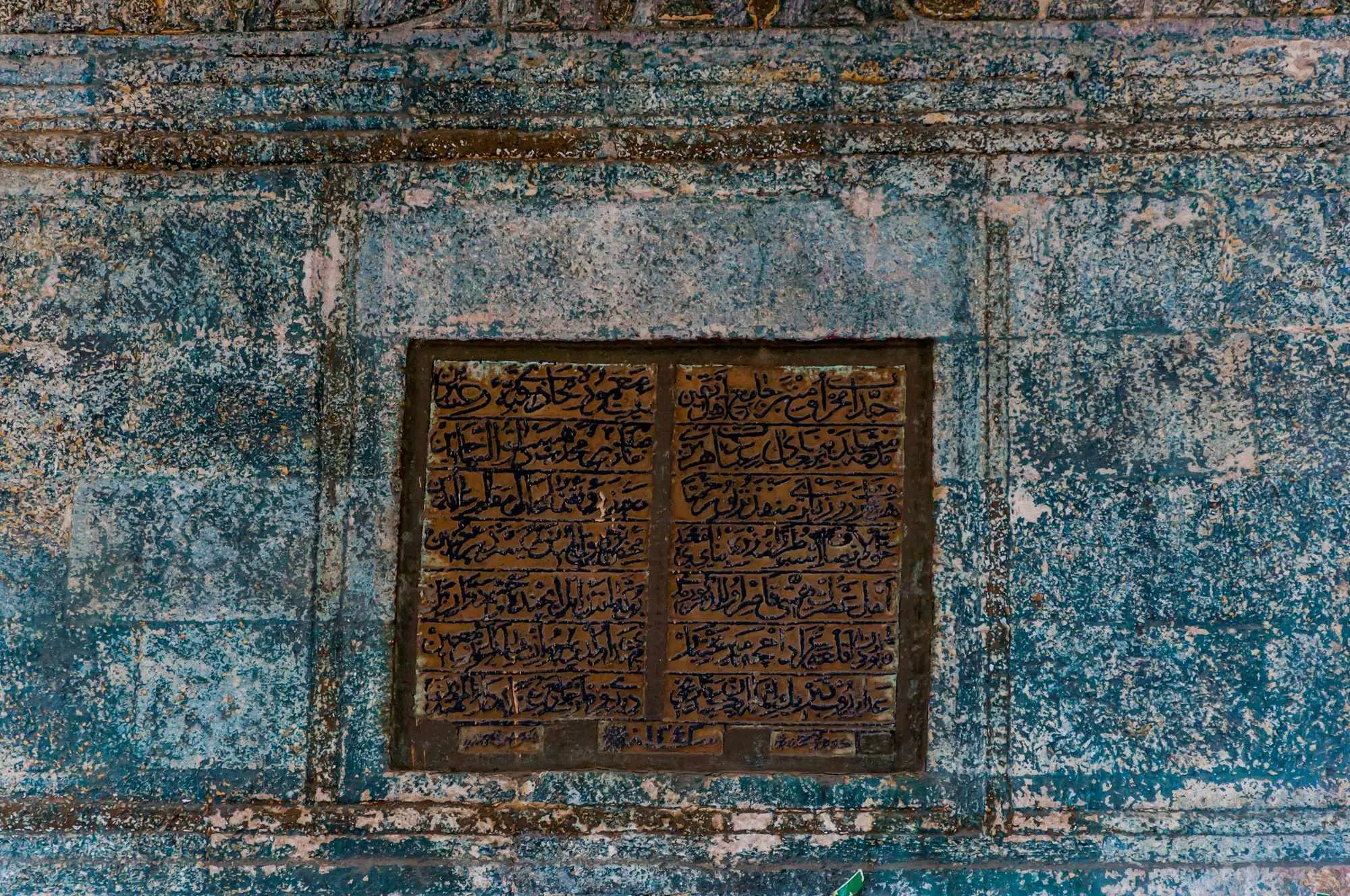
Old town Gradačac, Photo: Muamer Depositphotos
After the abolition of the captaincy in 1832, the fortress changed its purpose – it served as an administrative building, and barracks during the Austro-Hungarian administration, and during World War II it had a strategic military role. During the war in Bosnia and Herzegovina from 1992 to 1995, the tower suffered significant damage due to shelling. Photographs and recordings of the collapsed tower have traveled the world, symbolizing the suffering, but also the resilience of the city.
After the war, the tower was restored thanks to domestic and international donations and is now included in the list of national monuments of Bosnia and Herzegovina.
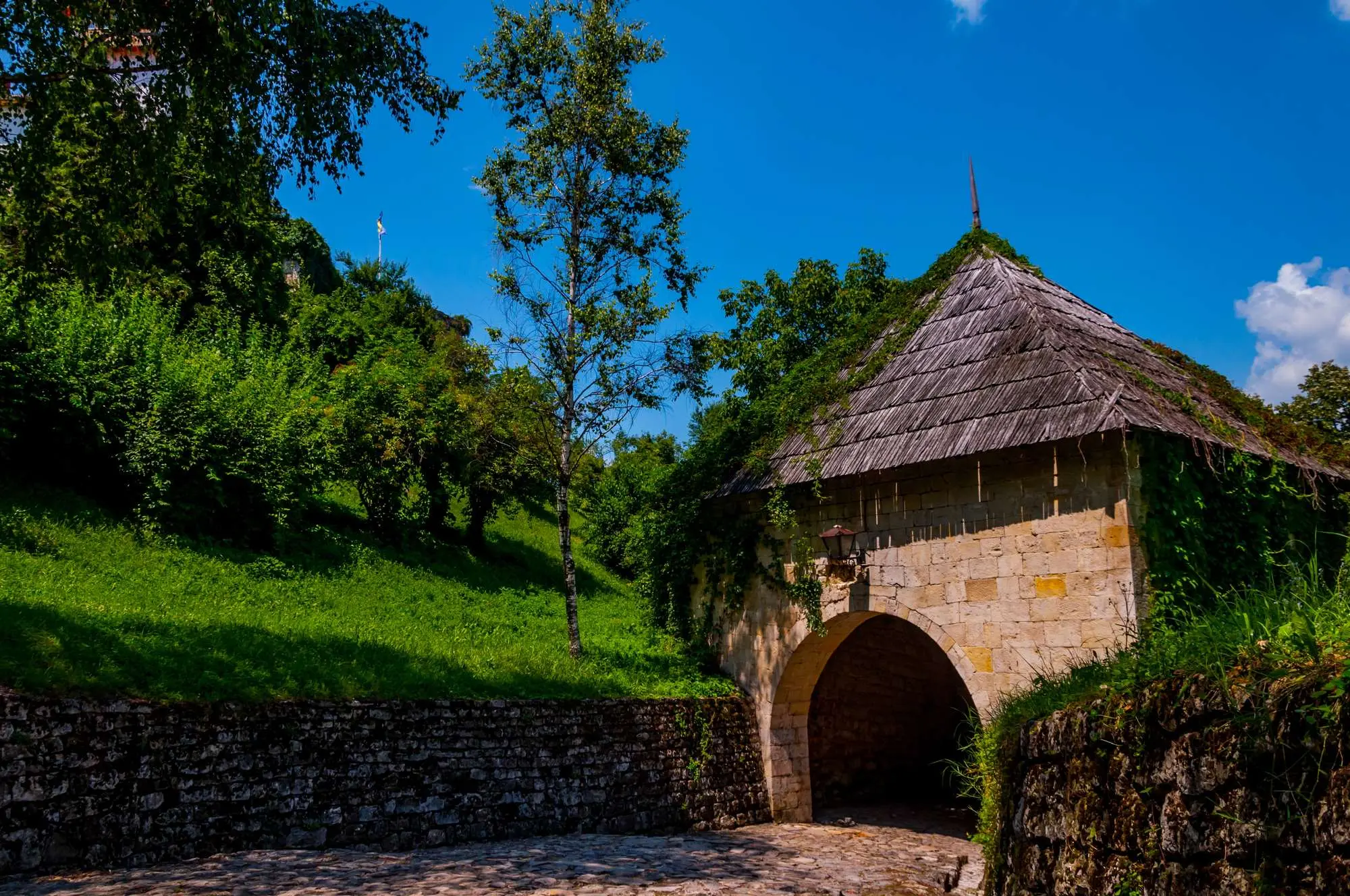
Old town Gradačac, Photo: Muamer Depositphotos
Today, the Old Town of Gradačac is not only a historical monument but also a vibrant cultural center. The complex occasionally hosts concerts, exhibitions, and various cultural events, attracting numerous visitors and tourists. In addition, the fortress also houses a museum dedicated to Husein-Captain Gradaščević, where visitors can learn more about his life and fight for Bosnia. Restored parts of the complex provide an insight into the architecture and way of life during the Ottoman rule.
A visit to the Old Town and the tower provides a unique opportunity to immerse yourself in the rich history and culture of Bosnia and Herzegovina and experience the authentic atmosphere of times gone by. In addition to its historical value, visitors can enjoy the panoramic view from the top of the tower, which extends over the entire Gradačac and the surrounding landscapes, making this place an indispensable destination for all lovers of history, architecture, and nature.

Ahmed Taha
Peace, love and music! ☮️


Leave a Reply