
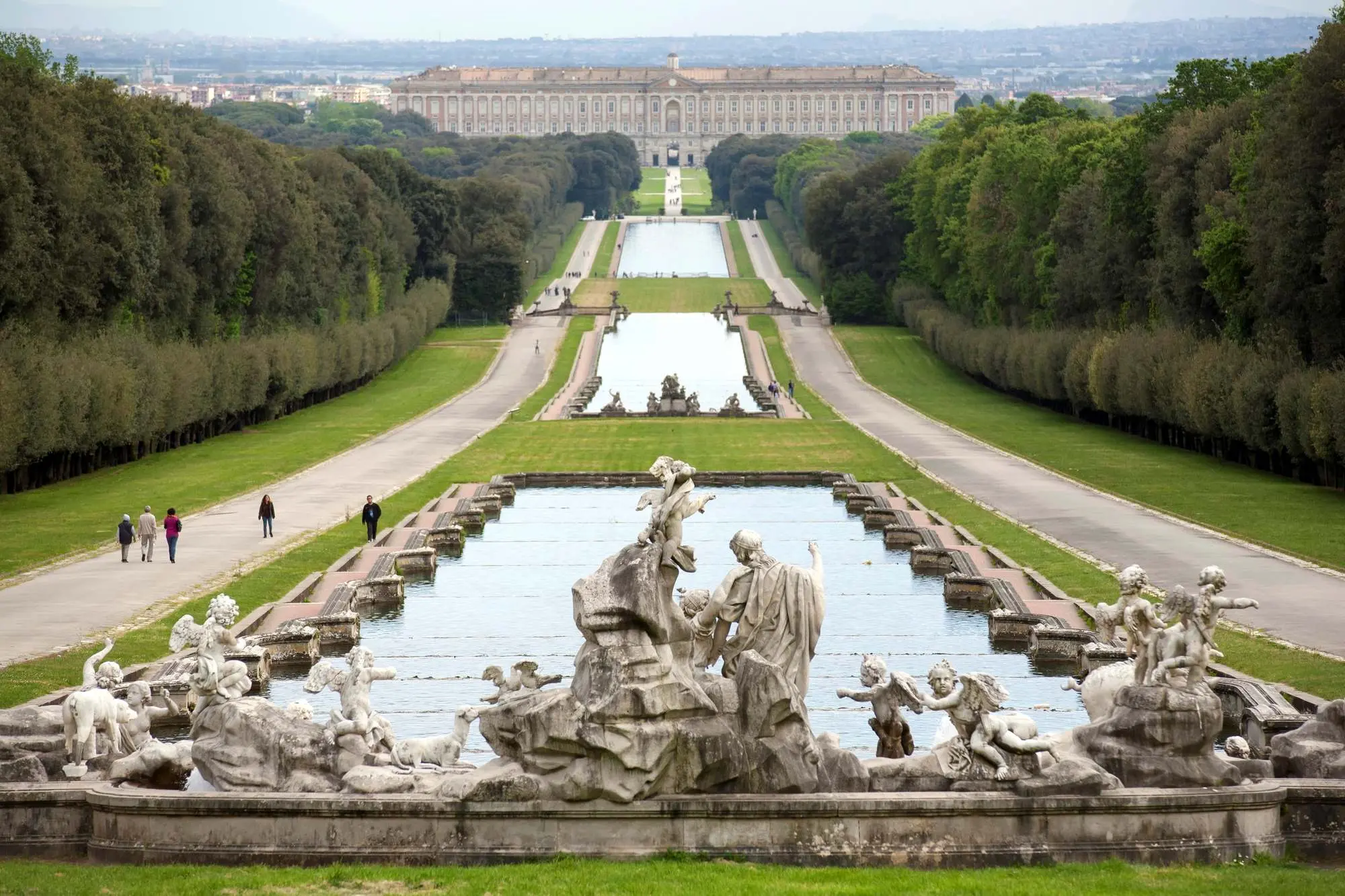
The largest royal residence in the world! Caserta is the palace that was supposed to overshadow Versailles
In the heart of Italy’s Campania region, just outside Naples, rises an architectural symphony of power, luxury, and perfect symmetry – the Palace of Caserta (Reggia di Caserta), the largest royal residence in the world. And no, that’s not just a figure of speech. This palace surpasses even the French Versailles in volume, number of rooms, and the sheer scale of the vision that brought it to life.
It all began with an ambitious plan: the Bourbon dynasty didn’t just want to be part of Europe’s elite – they wanted to dominate, both visually and symbolically. They needed a palace that would clearly show the world who now ruled the south of Italy.
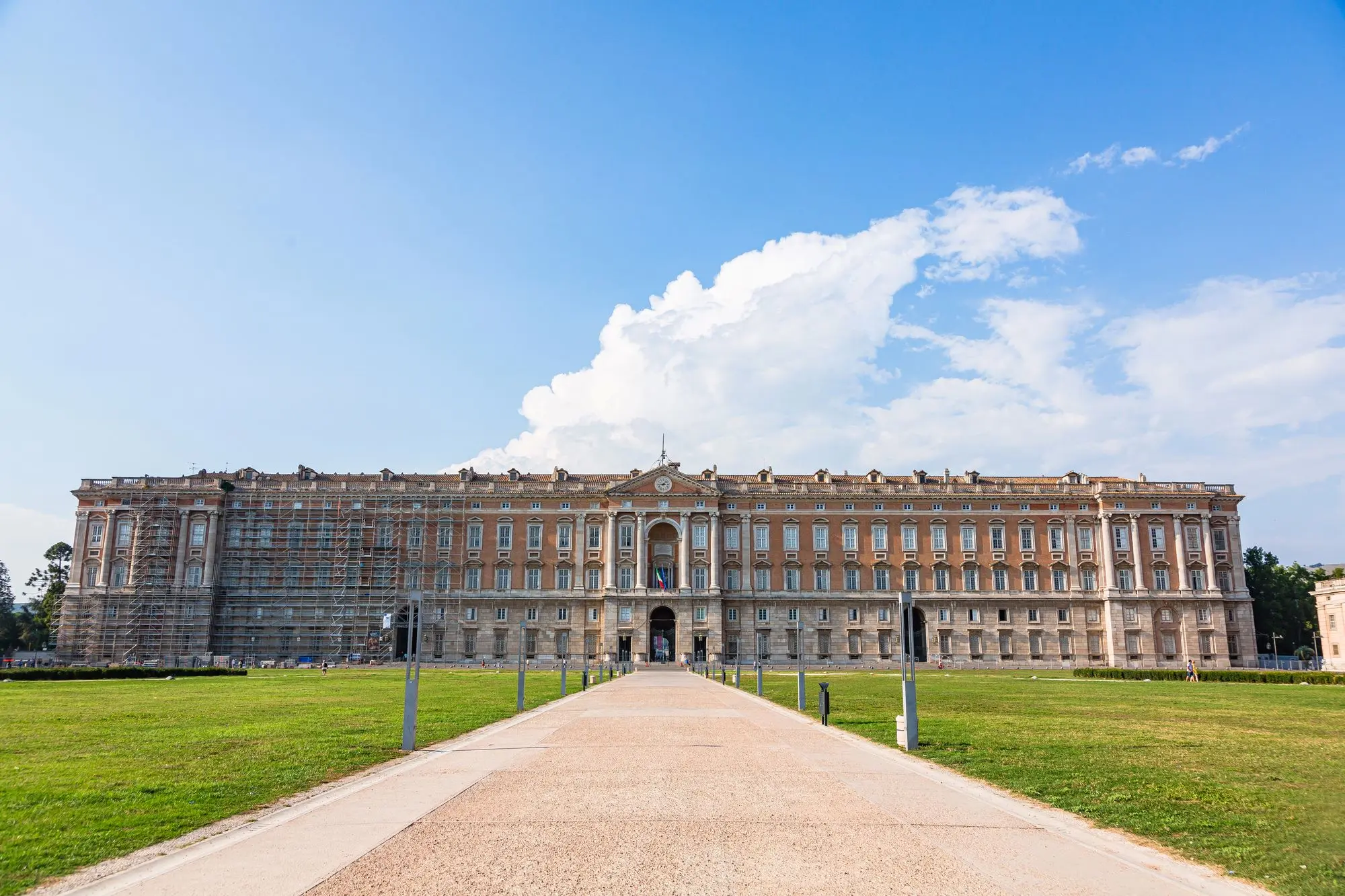
Caserta Palace, Photo: pespiero Depositphotos
WHEN A DREAM BECOMES STONE
In 1752, King Charles III of Bourbon commissioned Italy’s most renowned architect of the time, Luigi Vanvitelli, to design a palace worthy of the new dynasty. The idea? To create an administrative, residential, and military center all in one. A Versailles – but better. A Vatican fit for Rome, planted in the then relatively modest town of Caserta, far from the bustle of Naples and threats from the sea.
Vanvitelli accepted the challenge and began what would become one of the greatest architectural achievements of the late Baroque and Enlightenment periods. The palace was designed to be as impressive from the sky as it was from the ground – a near-perfect cross, four internal courtyards, over a thousand rooms, and the iconic Grand Staircase, whose width and upward grace still silence visitors to this day.
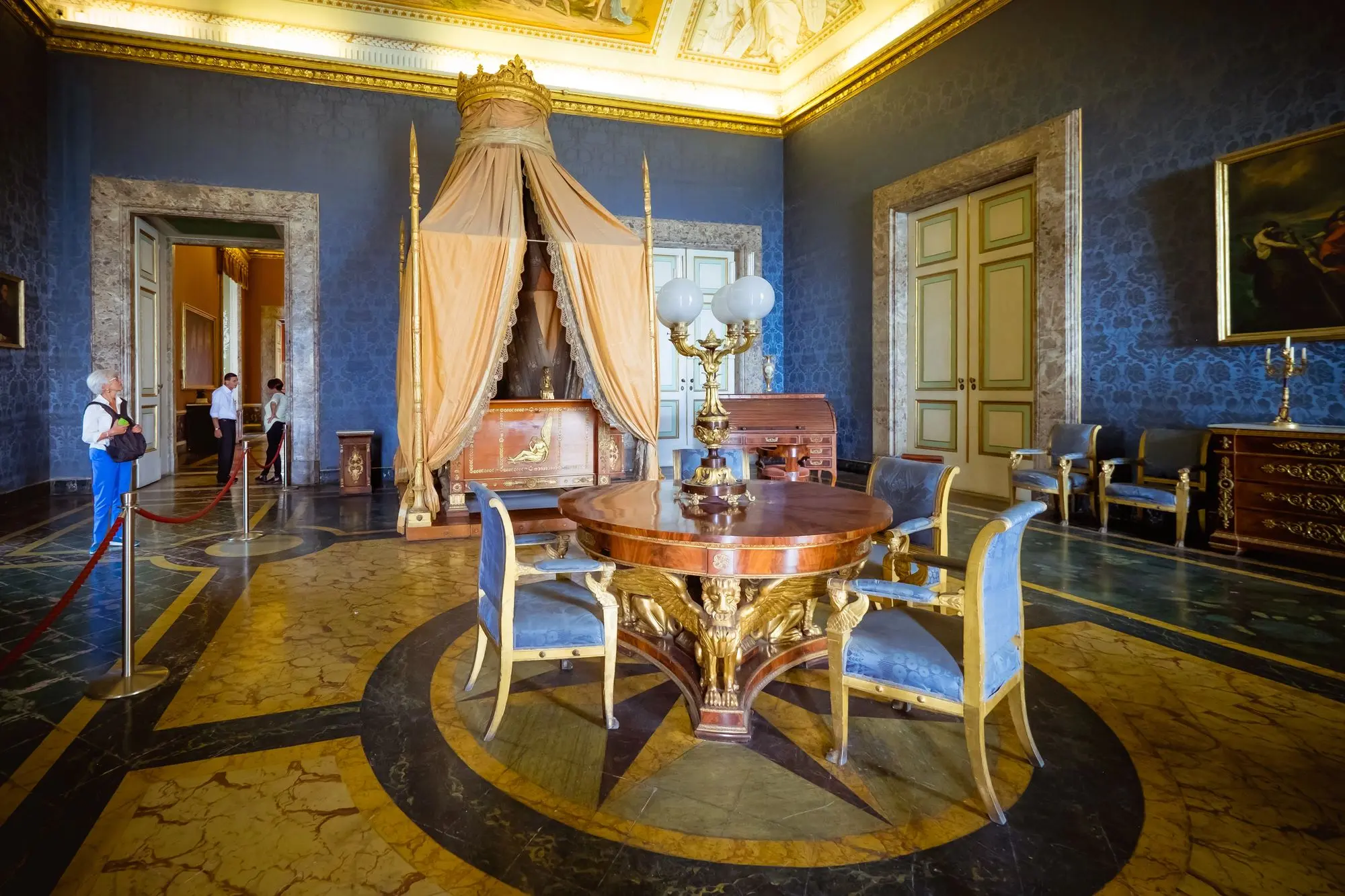
Caserta Palace, Photo: robertonencini Depositphotos
GARDENS AS LONG AS A KING’S WILL
But what makes Caserta a true fairytale in stone is not just its halls, but its gardens that stretch for kilometers, as if trying to unite earth and sky. Cascading fountains, mythological sculptures, water features, and the English Garden (one of the oldest in Italy) create a setting worthy of the gods.
The ingeniously designed Carolino Aqueduct, stretching 38 kilometers, fed all of it. Vanvitelli engineered it to supply the palace and gardens without disturbing the natural harmony of the landscape.
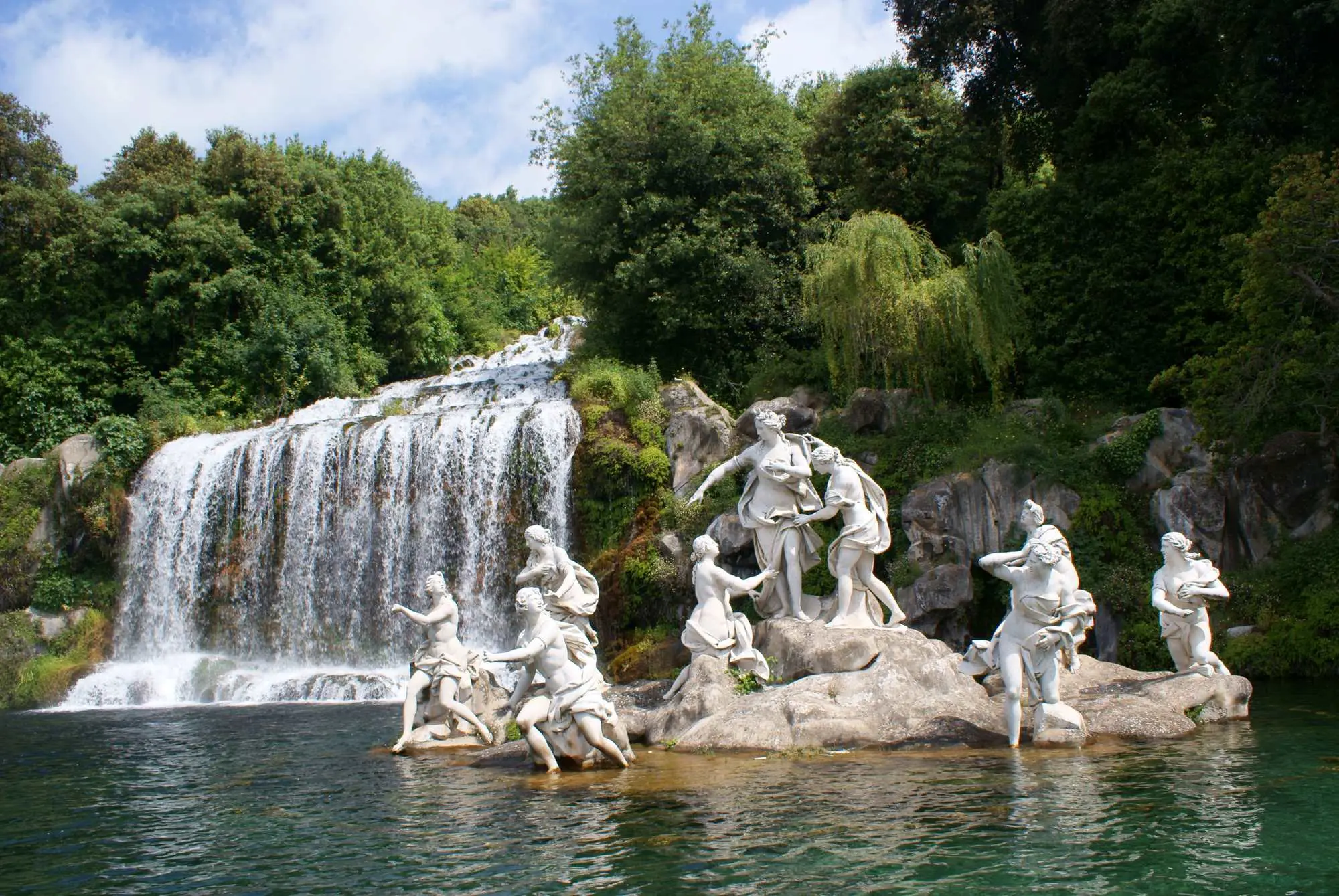
Caserta Palace, Photo: arkanoide Depositphotos
LEGENDS BEHIND THE WALLS
They say that before becoming King of Spain, Charles would often retreat to Caserta to quietly reflect on what his kingdom truly meant. One legend claims that in one of the palace chambers, surrounded only by his closest confidants, he once declared: “Here, I am not a king – here, I am God within my own creation.”
There are also tales of secret passageways linking the palace to military garrisons, and of mystical symbols carved into the stone by the builders themselves, as if leaving a message for future generations.
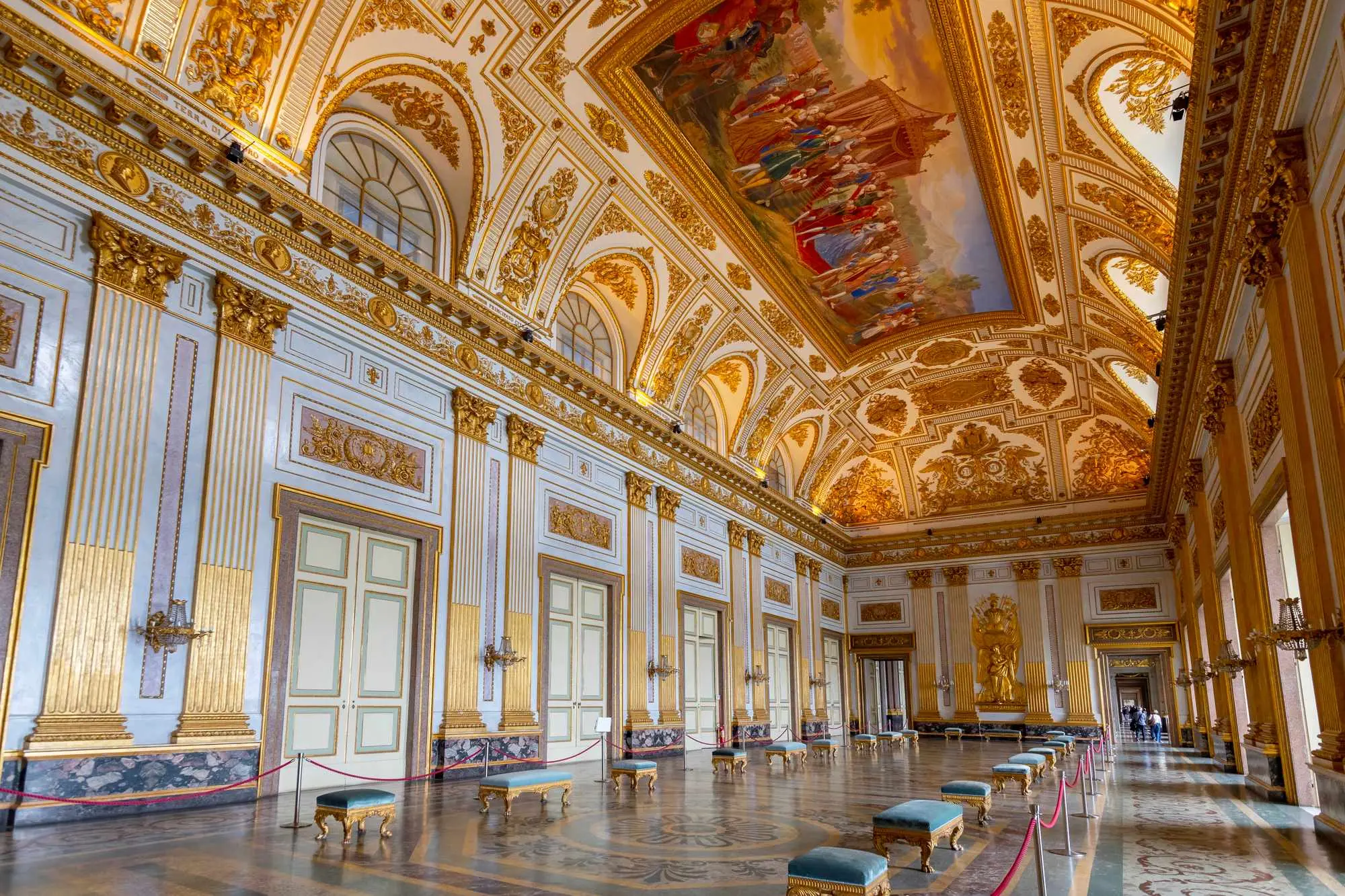
Caserta Palace, Photo: CezaryWojtkowski Depositphotos
CASERTA PALACE TODAY: A SET, A SANCTUARY, A GUARDIAN
Today, the Palace of Caserta is more than just a tourist destination – it is a film set, a museum, a living history book, and a cultural center. Walking through its corridors means stepping into a world where politics, architecture, and art intertwine in a continuous dance of power and beauty.
It’s no coincidence that scenes from Star Wars: Episode I – The Phantom Menace and Episode II – Attack of the Clones were filmed here – the palace served as the interior of the royal palace on the planet Naboo. Caserta has also drawn other major film productions: Tom Cruise raced through its halls in Mission: Impossible III, while Ewan McGregor debated Vatican secrets in Angels & Demons.
It stands as a true reminder of a time when power and architecture spoke the very same language.
In Naples vicinity…
Melfi is one of the most important medieval castles in southern Italy

Sara Sedić
I plan to live in the moment :)
Leave a Reply