
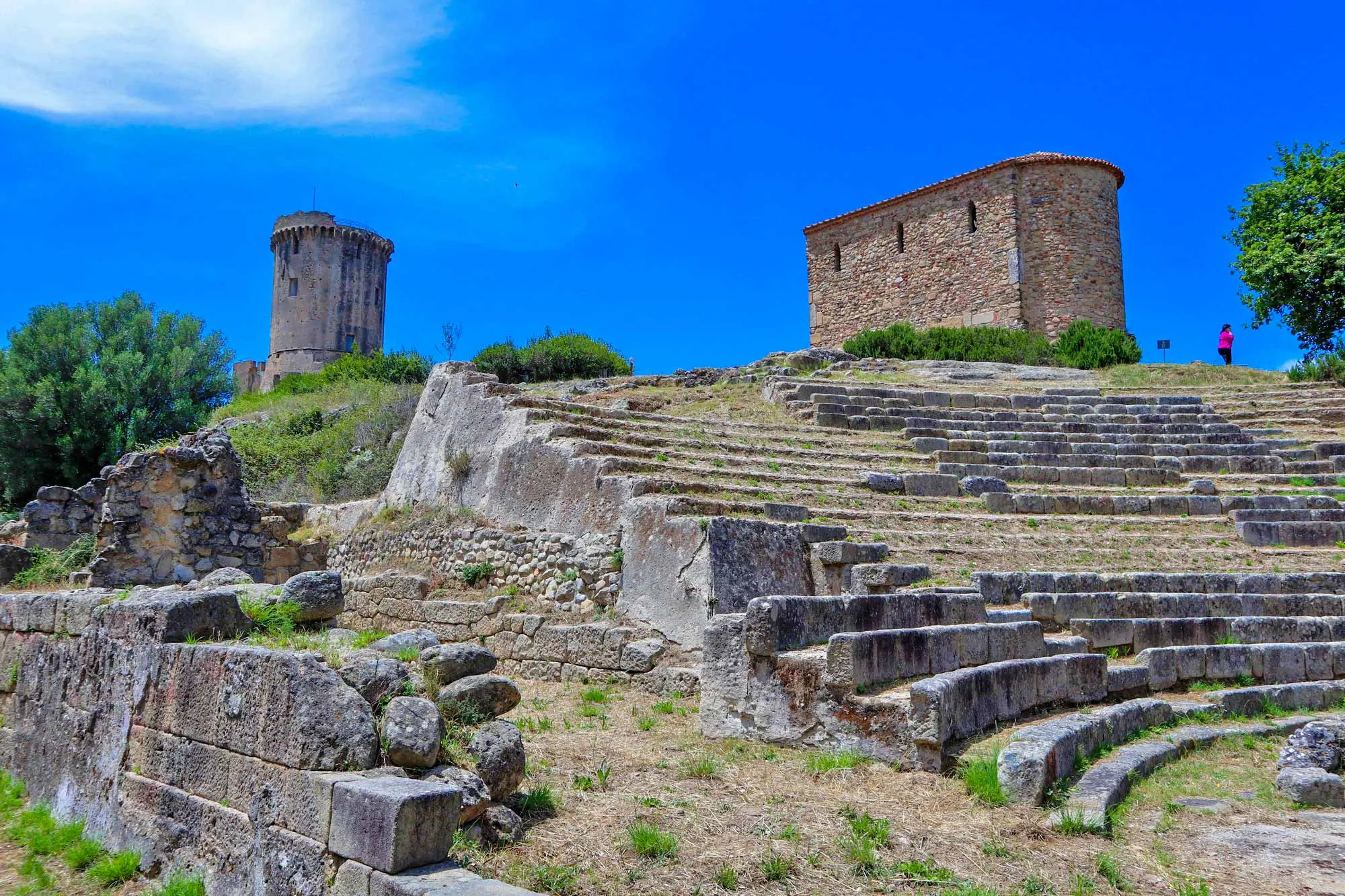
Velia is an ancient city that changed the way we think about existence.
Across the wider Adria region—from Narona in today’s Dalmatia to Butrint in southern Albania—archaeological remains reveal a stunning stratigraphy of history: traces of Greeks, Romans, early Christians, and medieval lords. But if you venture slightly westward, across the Adriatic, a place emerges in the heart of southern Italy that elevates this layered past to an entirely new level—Velia, a city that marked European civilization not only historically, but intellectually.
Velia, known in antiquity by its Greek name Elea, might at first glance seem like just another archaeological site with scattered temple stones, crumbling walls, and Roman baths. But it was here, nestled between sea and hillside, that one of the first philosophical schools of the Western world was born—the Eleatic School. This was the home of Parmenides and Zeno, two thinkers who were among the first to pose the question: What does it mean to exist? That is why this city deserves to be explored not only archaeologically, but philosophically.
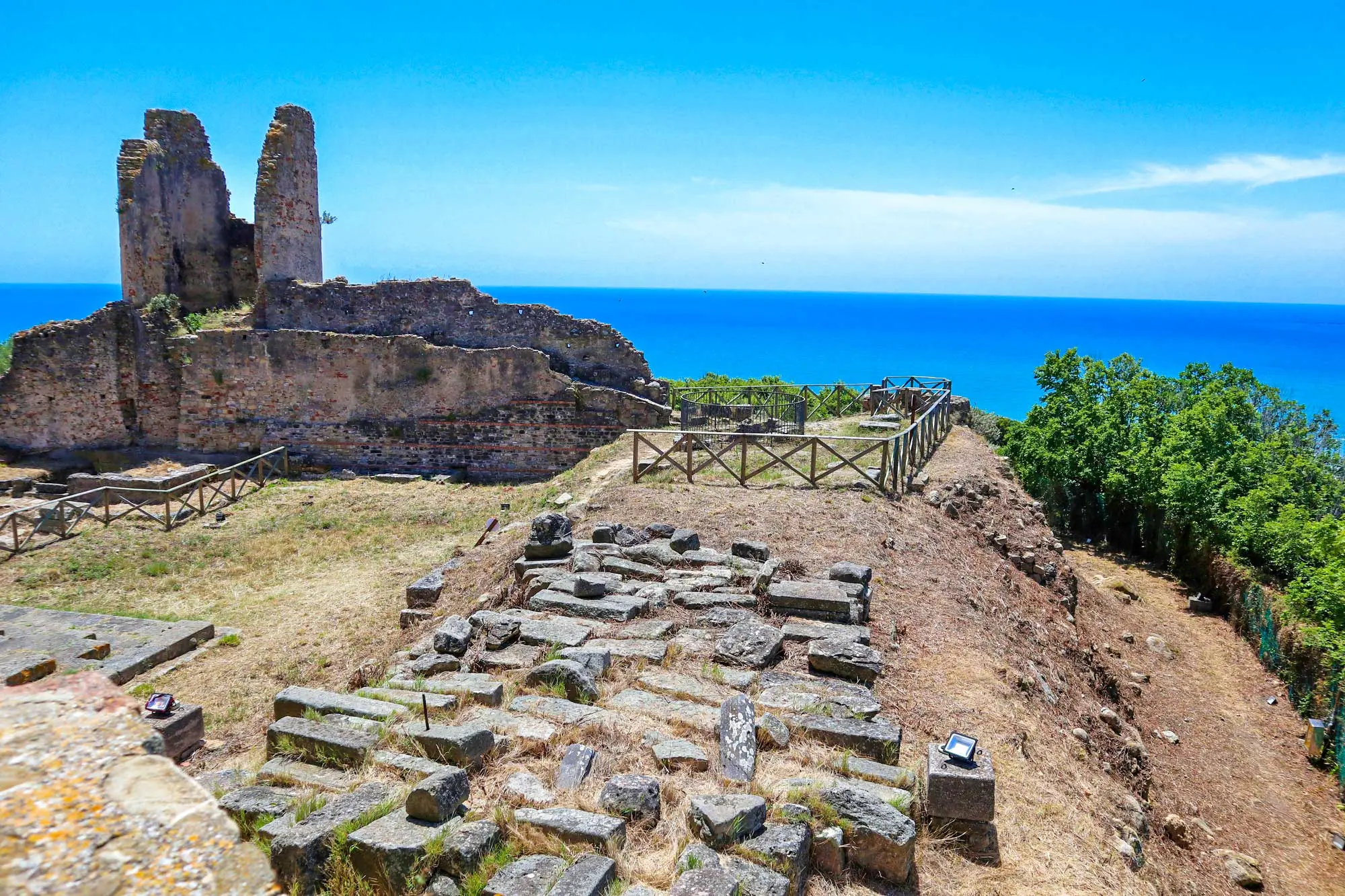
Ancient city of Velia, Photo: Lucamato Depositphotos
FROM GREEK COLONY TO ROMAN MUNICIPIUM – THE HISTORY OF A CITY THAT DEFIED OBLIVION
The city was founded in the 6th century BCE by Greek refugees from Phocaea, a city in Asia Minor. Fleeing the Persian advance, they settled on the Tyrrhenian coast and established Hyele, later renamed Elea. Their new refuge soon became a significant intellectual hub of the ancient world. During the Roman era, the city took on the name Velia and became a municipium. Though its importance gradually declined over the centuries, especially after the silting of its harbor, its intellectual brilliance never truly faded.
Today, visitors to the park can explore the remains of several key structures. The most renowned among them is the Porta Rosa, a stone arch dating back to the 4th century BCE, considered the earliest known example of a Greek arch, both a technological and aesthetic marvel of its time. The city walls, Roman baths adorned with mosaics, a theatre, and the acropolis still preserve the spirit of an ancient city that, despite its physical decline, remained resilient in thought.
WHY VELIA MATTERS – OR HOW A FORGOTTEN CITY SHAPES THE WAY WE THINK
The significance of Velia is not merely archaeological. It is a place that embodies importance on three levels. First, it stands as a rare example of a preserved Greek city in Italy—one that maintained its cultural identity even after Romanization. Second, it is a cradle of philosophy—the birthplace of concepts that became the foundation of Western thought. And third, its Porta Rosa is not just stone, but living proof that the ideas and architectural spirit of the ancient world could transcend both difference and time.
The debate over Velia’s importance continues to this day—is it more valuable for its philosophy or its architecture? In truth, Velia’s true strength lies in the synthesis of the two: it is a place where thought was carved into stone, and architecture became a testimony to intellectual depth.
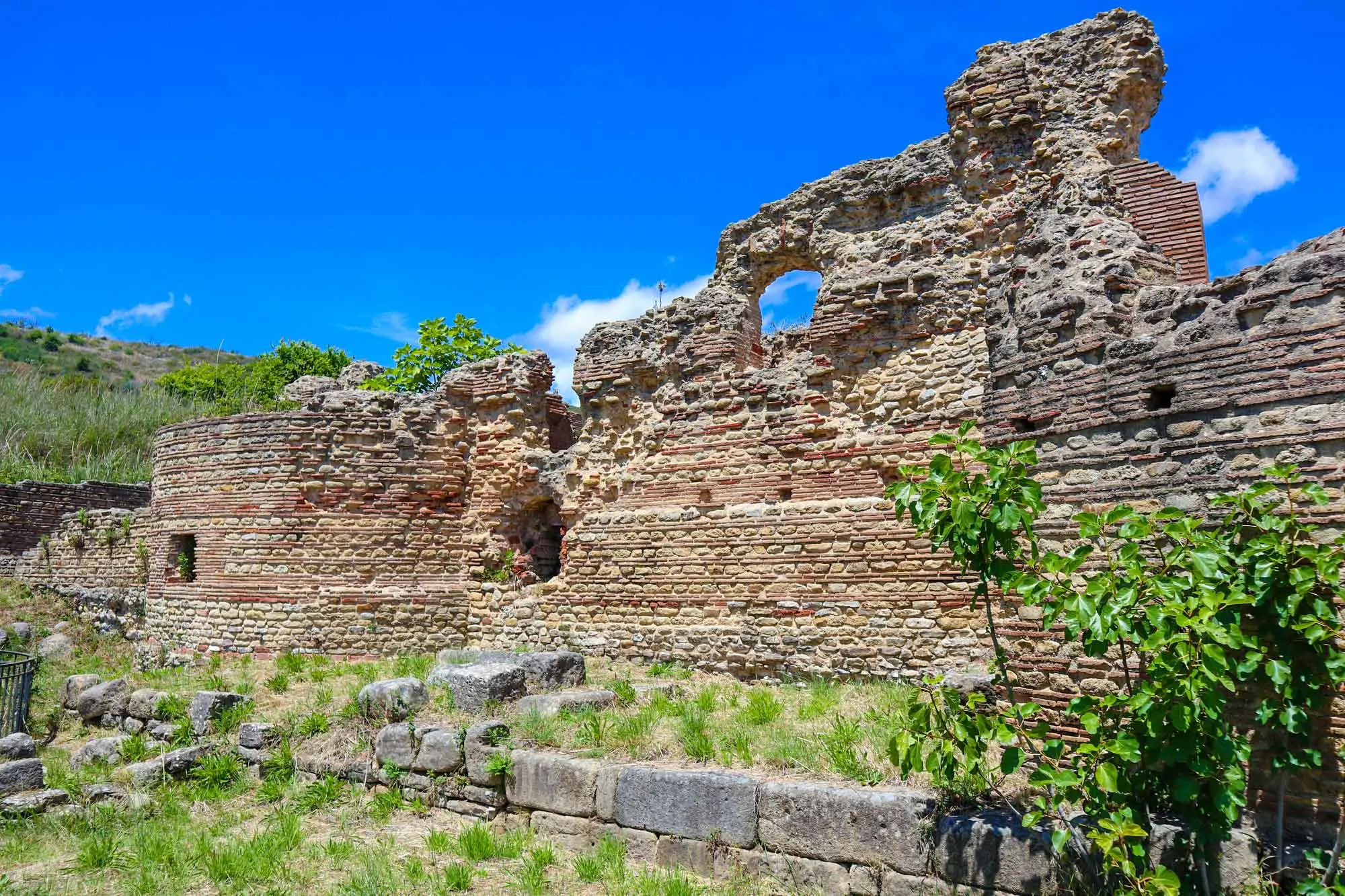
Ancient city of Velia, Photo: Lucamato Depositphotos
WHERE IS IT LOCATED?
Velia is situated within the Cilento and Vallo di Diano National Park, near the small town of Ascea. It forms part of the larger Parco Archeologico di Paestum e Velia. The site is open to visitors year-round, though the ideal time to explore it is in spring or early autumn, when the surrounding landscape radiates the same quiet elegance as the ancient ruins themselves.
Guided tours offer deeper insight into the site’s history, while informative panels and museum content enrich the experience. For details on tickets and opening hours, visit the official website: museopaestum.cultura.gov.it
Velia is not just another “ancient city”—it is a question still waiting for an answer. And perhaps you’ll find it as you walk its timeworn paths.
Another city of philosophers…
The ancient city of Apollonia was the place where the Roman emperor Augustus studied philosophy!

Ahmed Taha
Peace, love and music! ☮️

Leave a Reply