
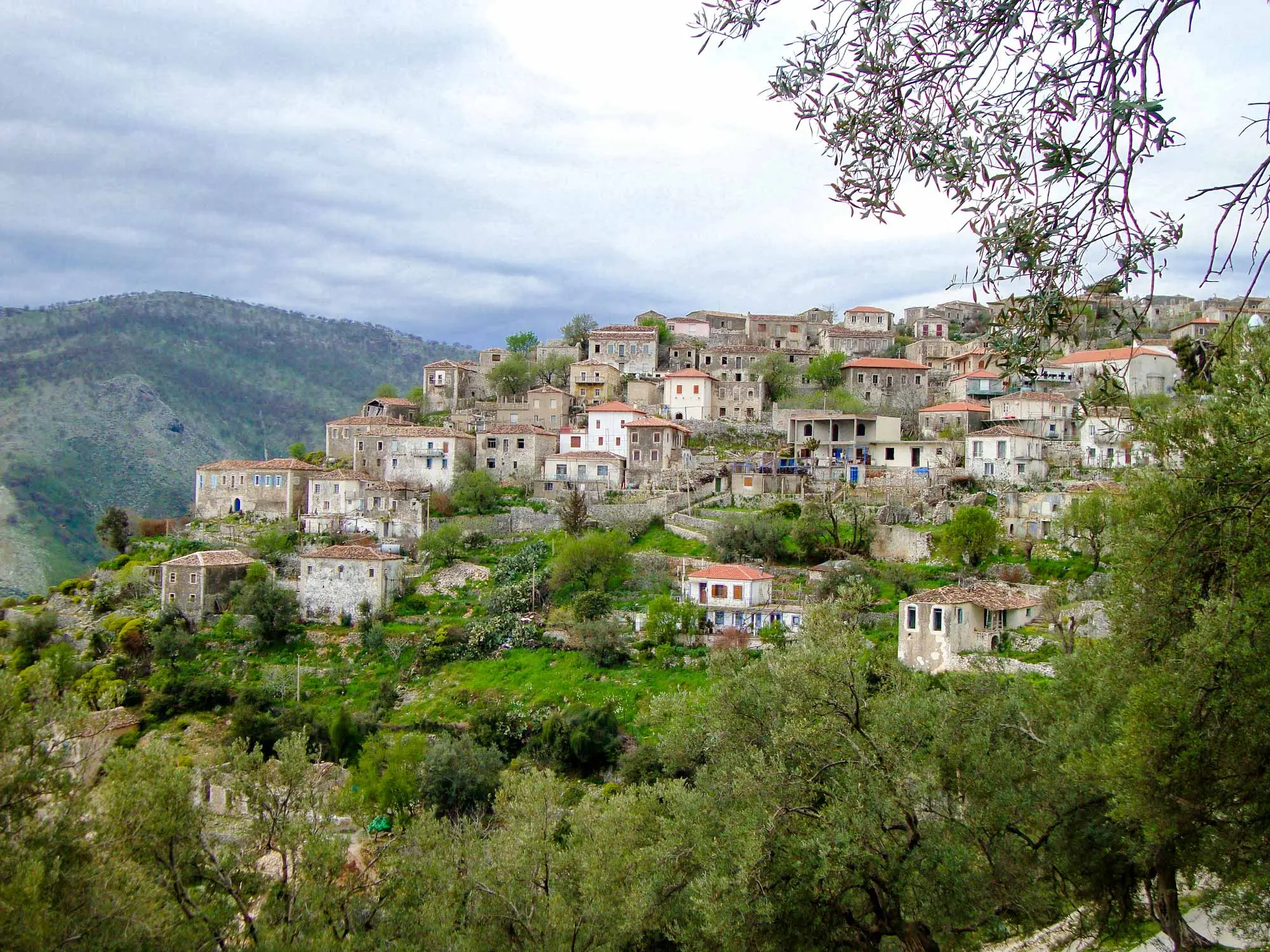
Qeparo is a magical combination of an old settlement on the hill and a new life along the coast
On the coast of the Ionian Sea, where the Albanian Riviera begins to play between high mountains and endless blue, lies the village of Qeparo. At first glance, it looks like a quiet seaside settlement, but as soon as you come closer, you realize it is made of two worlds that together form a unique story. Old Qeparo rests high on the hill, with a view that stretches beyond the horizon, while the new settlement expands along the shore, in direct contact with the sea.
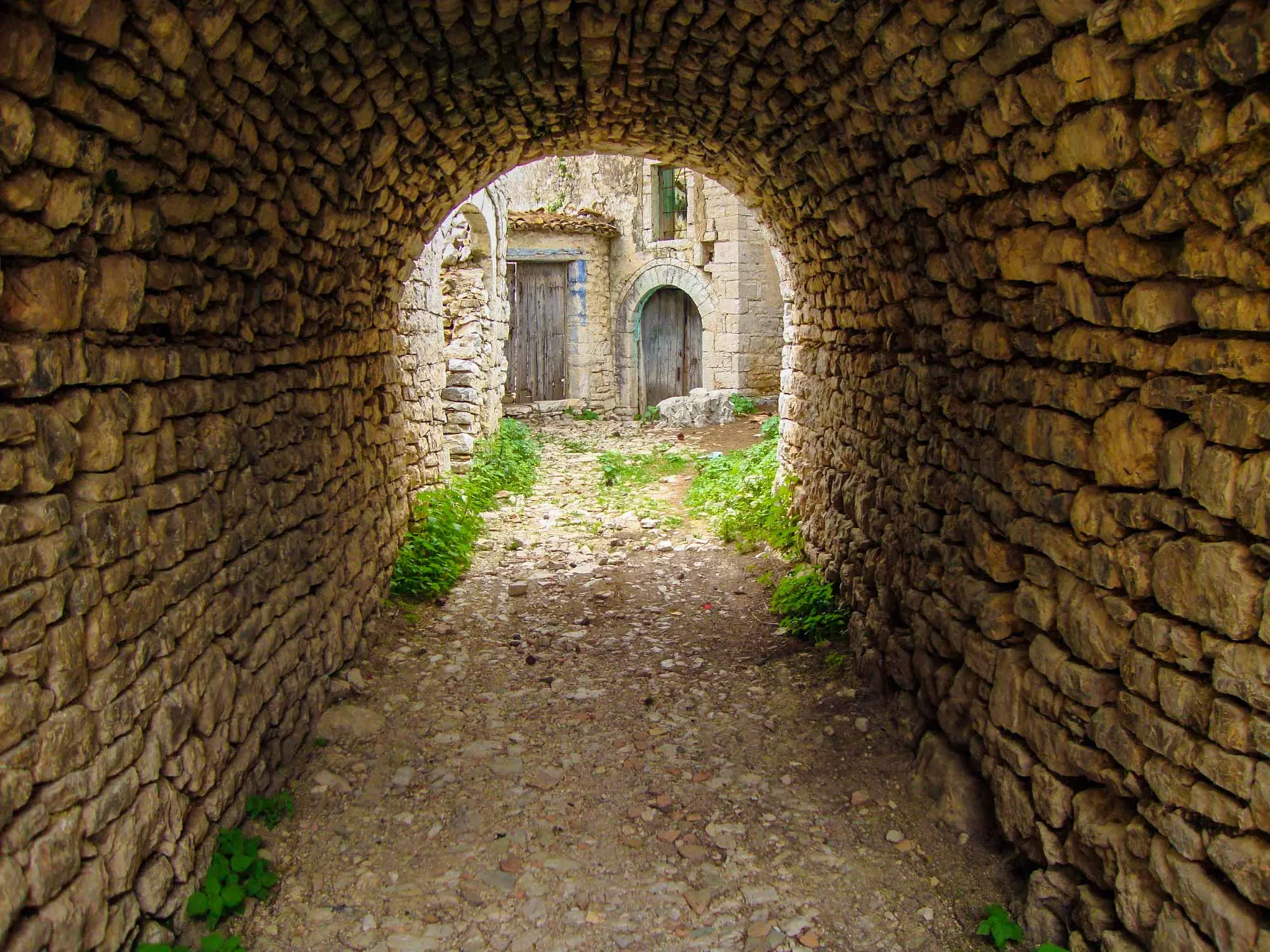
Old Qeparo, Photo: Yelena011 Depositphotos
The history of this village is tied to the eternal human need for safety. Pirates who roamed the Adriatic and Ionian seas for centuries were a constant threat to coastal life, so the locals built their homes on elevated ground, hidden behind stone walls and olive groves. Walking through the old streets, you feel the stone still echoing the past centuries: stairways leading to abandoned courtyards, stone houses with wooden doors that have been swallowed by time, and churches whose walls carry the prayers of generations.
The old village today is partly abandoned, but life is slowly returning. More and more houses are being restored by locals and foreigners, turning them into small guesthouses and family inns. That is the special charm of this place, because as you walk, you have the feeling of moving through an open-air museum, yet you also know that before your eyes, a way of life is being reborn.
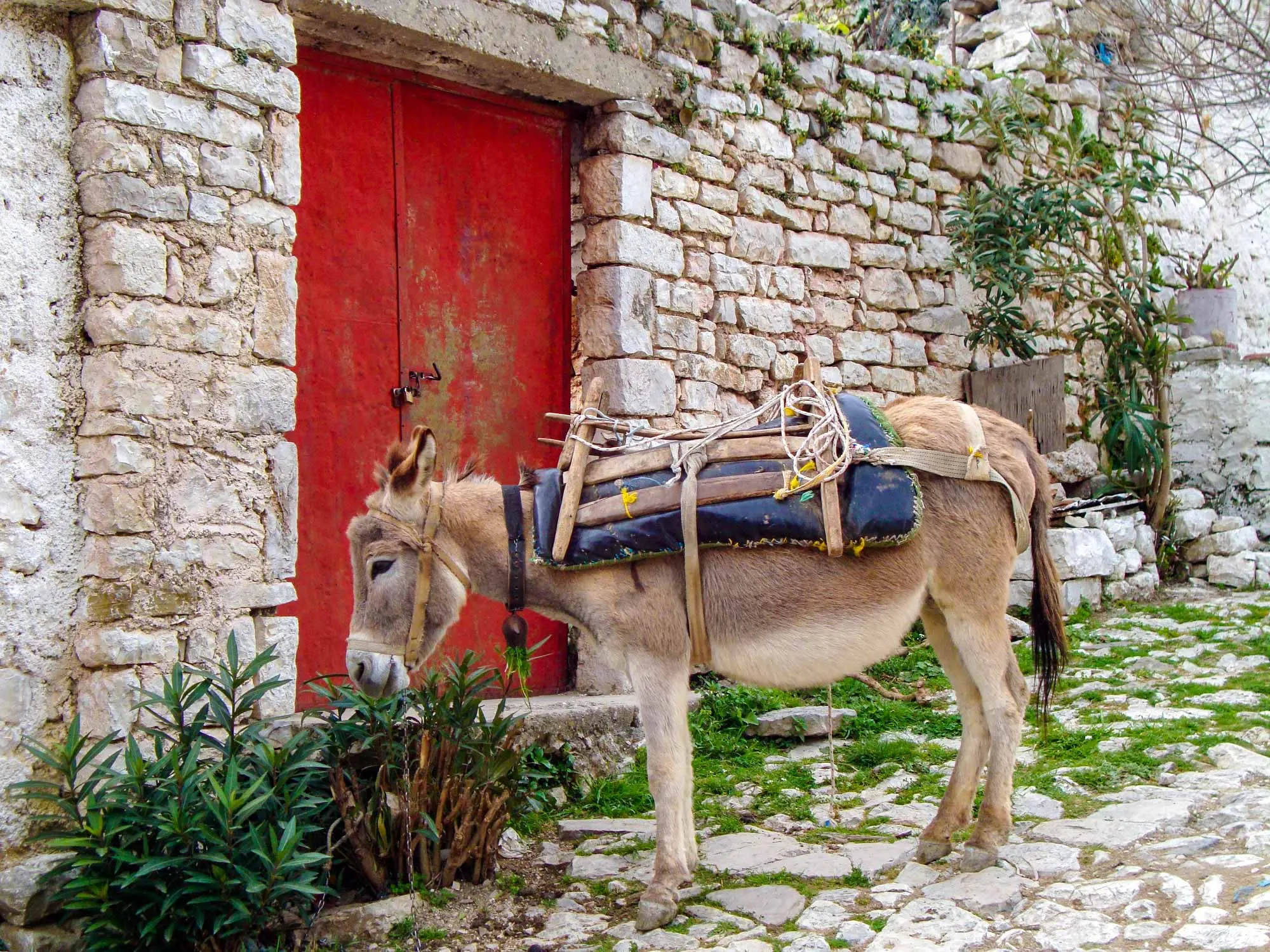
Old Qeparo, Photo: Yelena011 Depositphotos
New Qeparo, located right by the sea, has a different spirit. Along the beach, you find houses and apartments, restaurants serving fresh fish, and hotels following the rise of tourism on the Albanian Riviera. The beaches are a mix of pebbles and sand, the water is crystal clear and warm, and from the shallows you can see the distant Greek island of Corfu. For many travelers, Qeparo is the place where the day begins with a swim and ends with a sunset, when the sea turns into shades of copper and gold.
The olive groves around the village deserve a special place in its story. Some trees here are more than a thousand years old, their twisted trunks and wide crowns testifying to the endurance of nature against the transience of man. Olive oil from Qeparo was valued back in the times of Venice and the Ottoman Empire, and even today, locals produce it in almost the same way as their ancestors. They say that the olive tree here is not just a plant but a memory of all who once lived in this land.
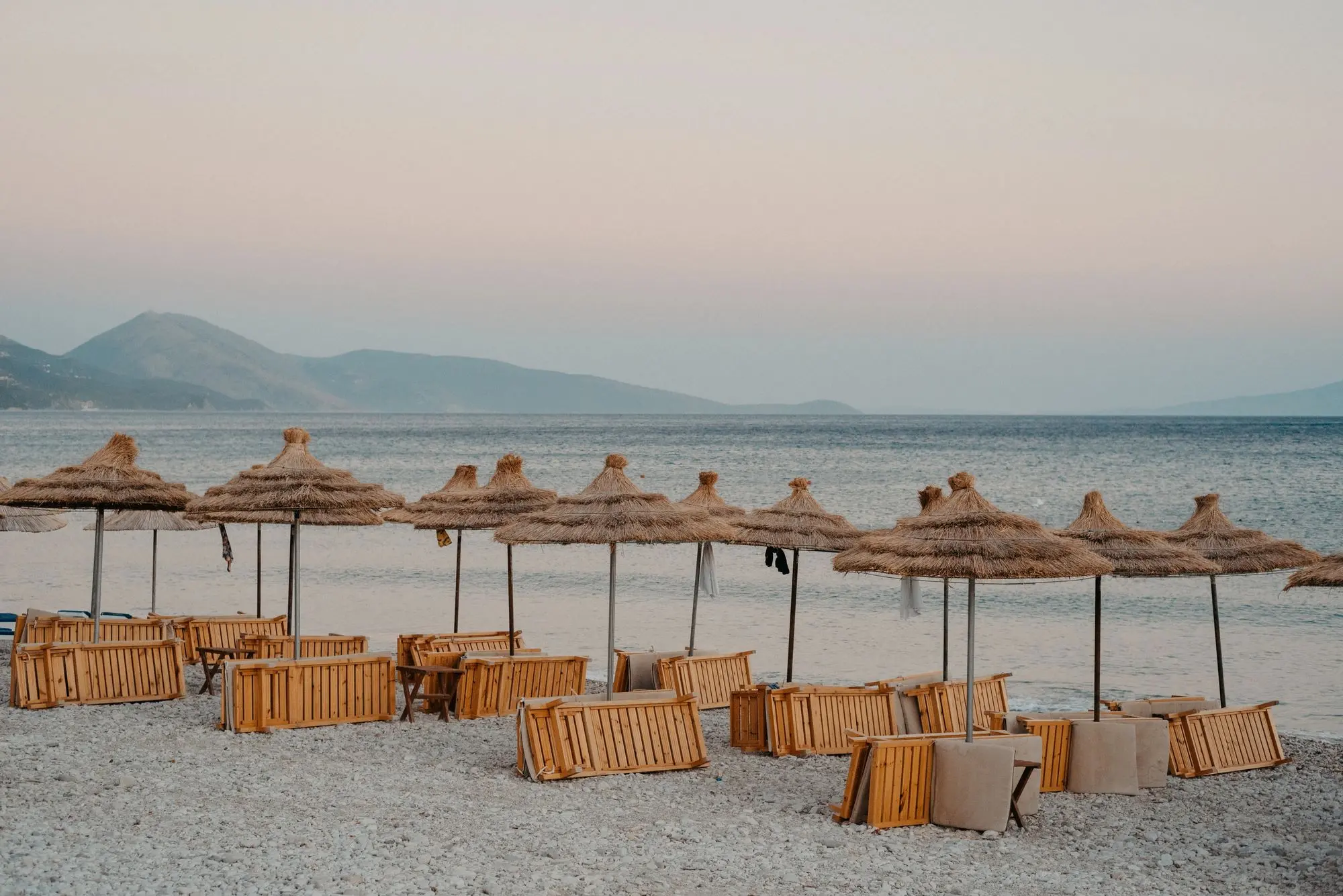
Qeparo beach, Photo: Cavan Depositphotos
If you decide to visit Qeparo, do not stop there. Right next to it lies the village of Borsh, famous for its long beach that stretches for several kilometers and is one of the largest on the Albanian coast. Above the village rises the imposing fortress, which for centuries has protected this area from invaders. From its walls, you can enjoy a magnificent view over the entire bay, and in the silence of its ruins, you feel how history and nature intertwine. A visit to Borsh is the perfect continuation of your journey, because together with Qeparo, it offers a more complete picture of life and heritage along this part of the Riviera.
Ads

Ahmed Taha
Peace, love and music! ☮️

Leave a Reply