
From Borić to Tomašević! These are the kings who built Bosnia!
Did you know that throughout the Middle Ages, Bosnia grew from a small banate into a kingdom that stretched all the way to the Adriatic Sea? From the 12th to the 15th century, it went through periods of peace, war, alliances, and betrayal, leaving behind a rich legacy of fortresses and royal seats that still testify to its former power.
Here are the rulers who marked and shaped its history.
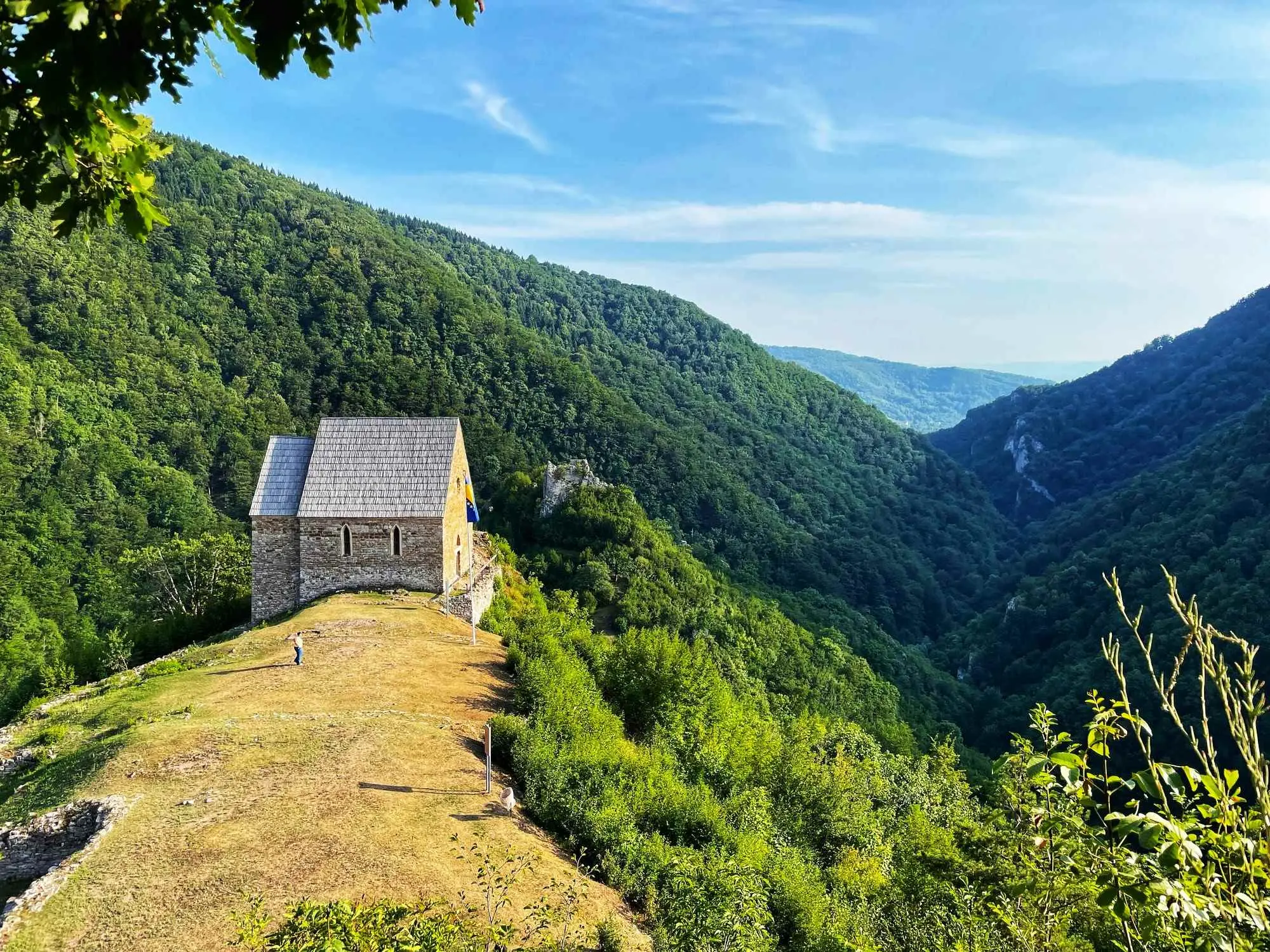
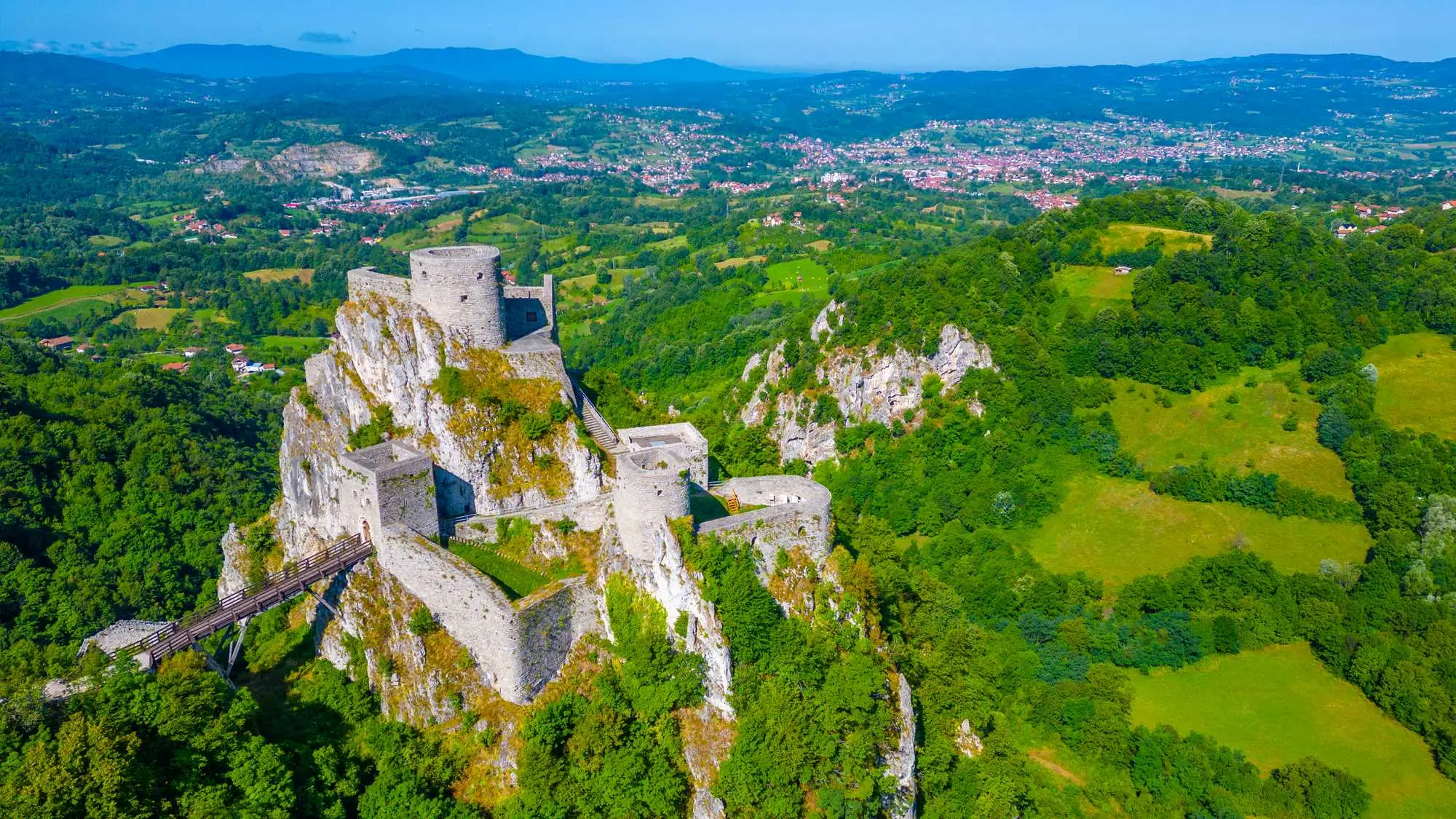
Bobovac, Photo: BetiBup33, Depositphotos
The first known ruler was Ban Borić, mentioned in the mid-12th century as an ally of the Hungarian king in conflicts with Byzantium. His rule was still fragile, and Bosnia was a land in formation, yet during his time, the first outlines of statehood began to emerge. It is believed that his seat was in central Bosnia.
He was followed by a man whose name became a symbol of order and prosperity, Ban Kulin. His reign, from 1180 to 1204, entered history as a time of peace and commercial growth. The Charter of Ban Kulin, issued to Dubrovnik in 1189, bears witness to Bosnia’s trade links with the Adriatic and to a language that was already forming as a recognizable expression of Bosnian statehood. According to tradition and archaeological traces, Kulin ruled from Visoko, where the remains of the fortress Visoki still preserve the memory of an early state center.
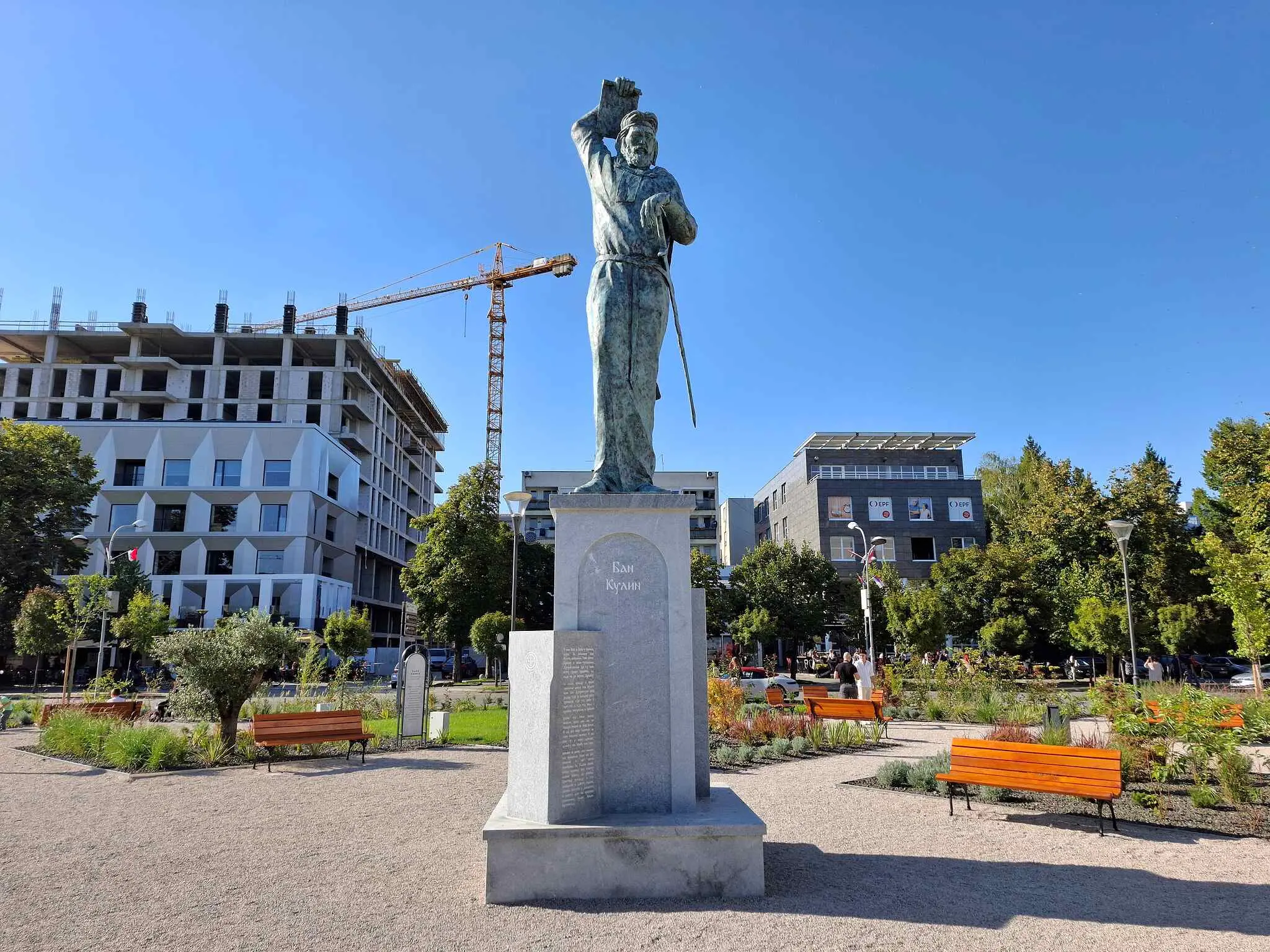
Monument to the Kulin ban Photo: ArhistefoBL, CC0
A century later, Bosnia rose again under Stjepan II Kotromanić, who ruled from 1322 to 1353. He was the first to significantly expand the country’s borders, conquering Hum, today’s Herzegovina, and extending his influence all the way to the Adriatic coast. A skilled diplomat and ally of Dubrovnik, he established his court in Bobovac, a fortress that would later become the symbol of Bosnian royal power. It was on the foundations he built that his successor, Tvrtko I Kotromanić, elevated Bosnia to its greatest height.
Tvrtko I was crowned in 1377 at Mile near Visoko, marking the birth of the Bosnian Kingdom. His reign represented the pinnacle of Bosnia’s political and military strength. He expanded the realm into Dalmatia, parts of Serbia and Montenegro, and adopted the title “King of the Serbs, Bosnia, the Seaside and the Western Lands.” Fortresses such as Bobovac, Jajce, Ključ, and Srebrenik were then centers of authority, each serving a strategic and administrative purpose. Tvrtko’s death in 1391 marked the beginning of a slow but steady decline of the Bosnian state.

Srebrenik, Photo: Bezimeni Bezimenkovic Dreamstime
His successor, Stjepan Dabiša, sought to preserve unity and foreign recognition but was forced to acknowledge the suzerainty of the Hungarian king Sigismund. Although he managed to keep peace for a time, the power of the nobility grew while royal authority waned. He was buried in Bobovac, the capital where Bosnian kings were crowned and laid to rest.
After Dabiša’s death, the throne was taken by his wife, Jelena Gruba, the only woman to have ruled Bosnia independently. Her brief reign, between 1395 and 1398, was marked by struggles with powerful nobles who refused to accept her rule. Nevertheless, she remains recorded as a rare example of female leadership in medieval Europe.
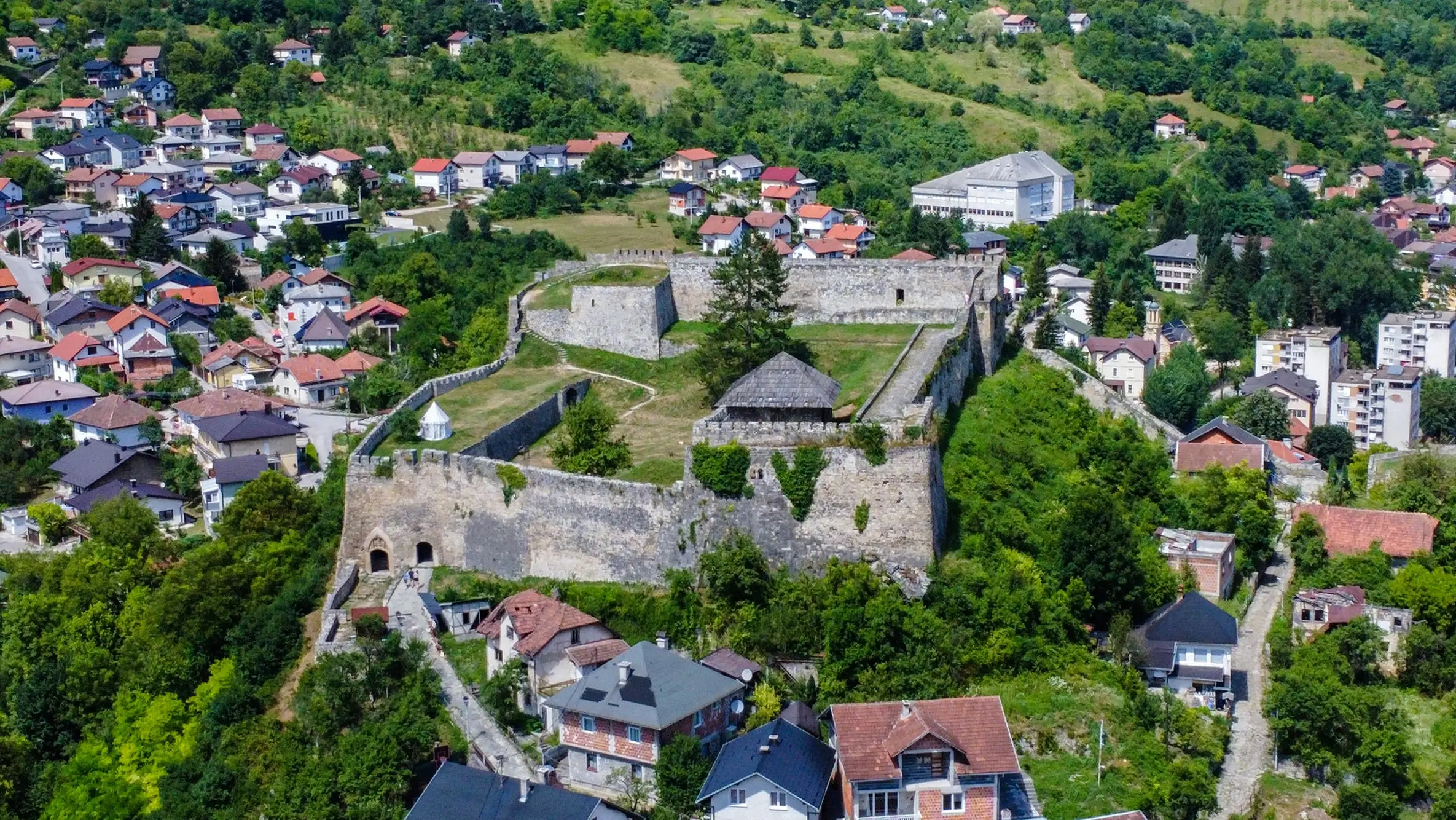
Jajce, Photo: Adria.fun
She was succeeded by Stjepan Ostoja, who ruled twice between 1398 and 1418. His period was defined by constant conflicts, shifting alliances, and wars with both Dubrovnik and Hungary. Ostoja often resided between Bobovac and Jajce, trying to maintain control over a divided realm. After his death, his son Stjepan Ostojić ruled briefly but without real power or influence, at a time when the Ottoman threat had already reached Bosnia’s borders.
In those turbulent times, the throne returned to Tvrtko II Kotromanić, who ruled until 1443. He tried to restore stability and former strength, but Bosnia had by then become a frontier between two great powers, Hungary and the Ottoman Empire. His court alternated between Bobovac and Jajce, and during his reign, Bosnia experienced one last moment of peace before its final fall.

Old Town Ključ, Photo: Dudlajzov, Depositphotos
He was followed by Stjepan Tomaš, father of the last Bosnian king. His rule was characterized by efforts to defend the kingdom through diplomacy and fragile alliances. He was a patron of churches and fortresses, while Bobovac, Jajce, and Ključ became centers of his power and refuges from the growing Ottoman advance.
In 1461, his son Stjepan Tomašević ascended the throne as the last king of Bosnia. Crowned in Jajce, he tried in vain to stop the army of Sultan Mehmed II. After a brief and tragic reign, he fled to the fortress of Ključ, where he was captured and executed in 1463. His death marked the end of the Bosnian Kingdom and the beginning of Ottoman rule.
With the fall of the kingdom and the loss of the last free fortresses, Bosnia lost its independence but not the memory of its strength. Cities such as Bobovac, Ključ, Visoko, and Jajce still stand as silent witnesses.

Sara Sedić
I plan to live in the moment :)

Leave a Reply