
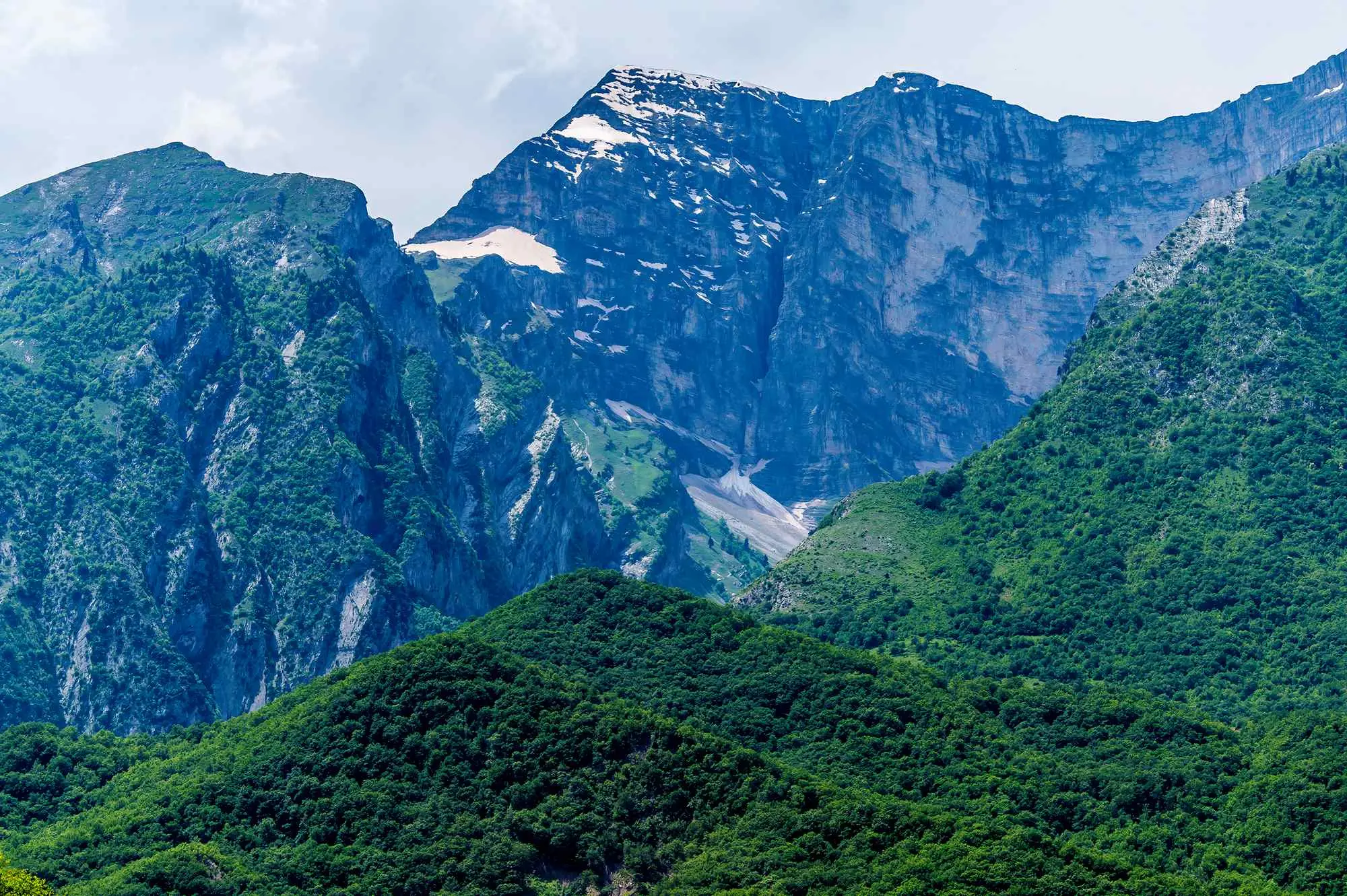
Southern Albania hides a mountain worth visiting! This is Gjerë
In southern Albania, between Gjirokastër and Sarandë, rises the mountain of Gjere (Mali i Gjerë). Its name in Albanian means “wide mountain,” a fitting description of its broad ridge with gentle western slopes and steep sides facing the Drino valley. Positioned between the inland highlands and the coastal zone, this mountain reflects the natural diversity of southern Albania in a single landscape.
The ridge runs north to south and stretches for almost thirty kilometers. The highest peak reaches about 1780 meters above sea level. The mountain is composed mainly of limestone and dolomite, which explains the presence of typical karst formations such as sinkholes, caves, and underground springs. Between the rocky slopes, small streams appear in spring, bringing life to the mountain before drying out in the summer heat.
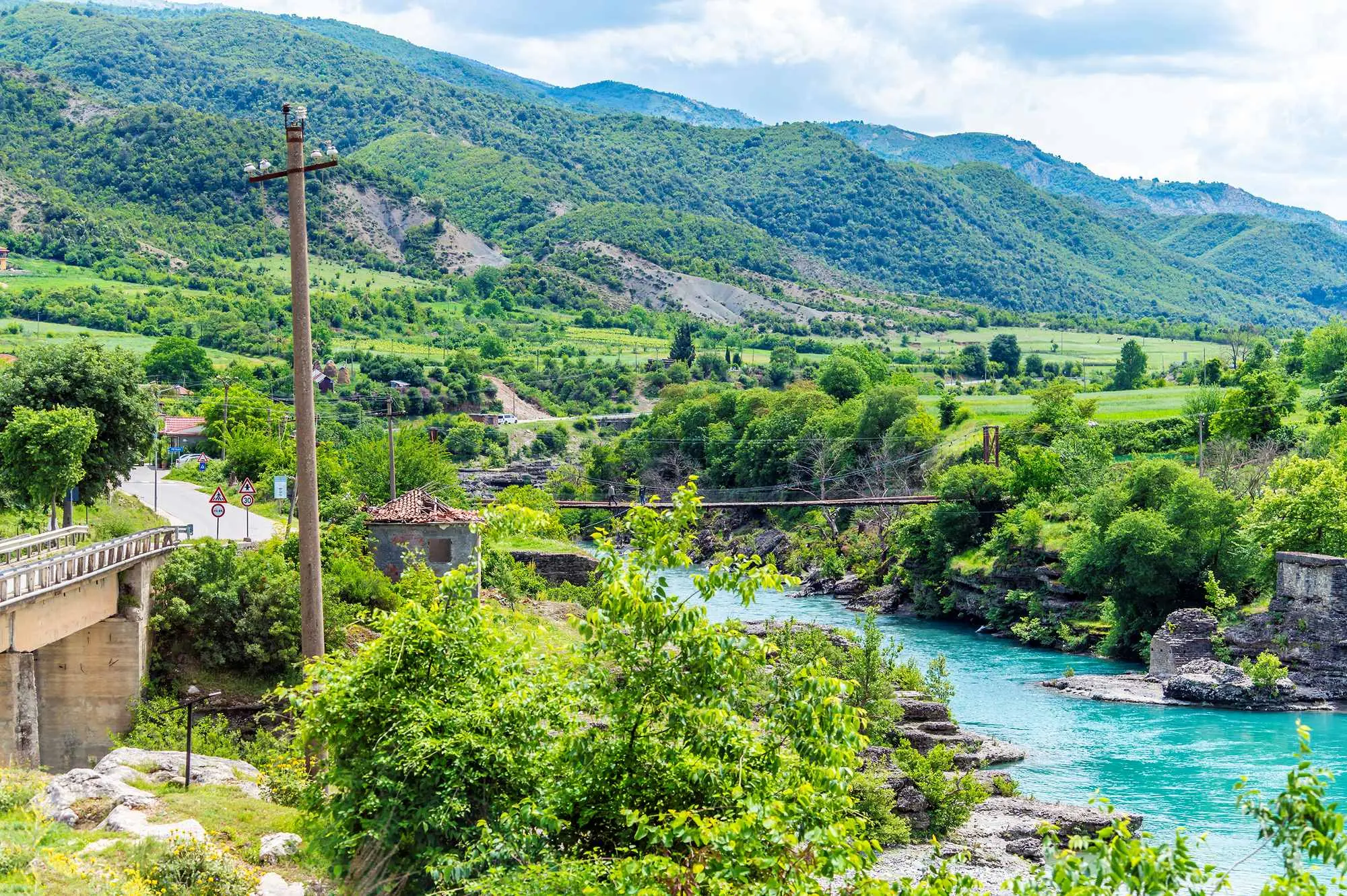
Gjere, Photo: nikkiapul Depositphotos
The flora of Gjerë reflects the transition between Mediterranean and mountain ecosystems. The lower slopes are covered with oak, hornbeam, and pomegranate, while the higher parts are filled with sage, oregano, and mountain tea. In summer, wild purple orchids grow in the crevices of the rocks. The animal life is also diverse: in the lower areas roam foxes and jackals, while higher up, it is sometimes possible to spot chamois and short-toed eagles circling above the cliffs.
Although not among the tallest peaks of Albania, Gjerë stands out for its shape and width. Its position has long made it both a natural barrier and a connecting route between the coast and the interior. Shepherds and traders once crossed its slopes, moving between Epirus and the Ionian coast. According to a local legend, the mountain was named after a shepherd with a “wide stride” who carried a lamb across the valley from one side to the other.
-
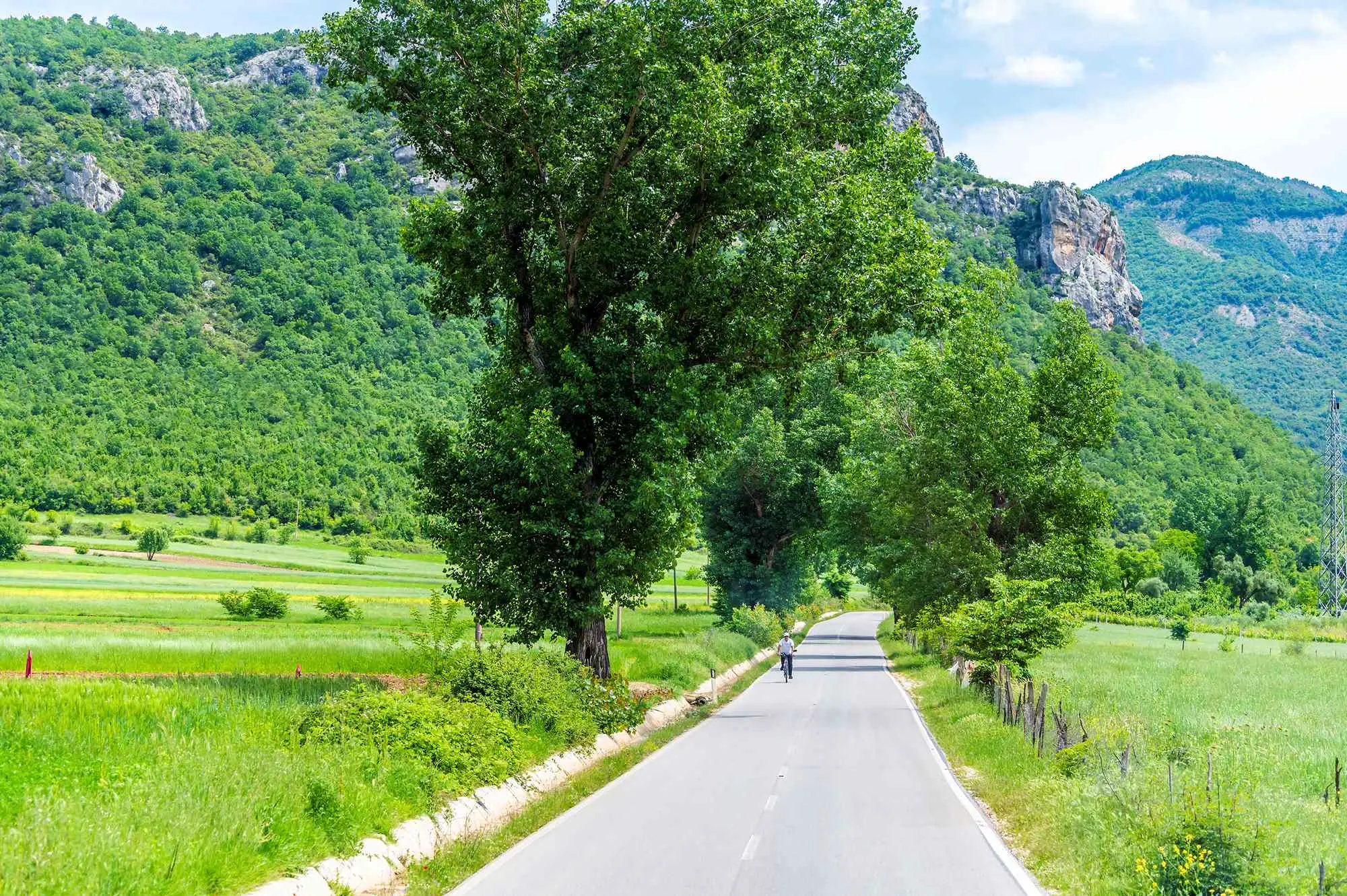
- Gjere, Photo: nikkiapul Depositphotos
-
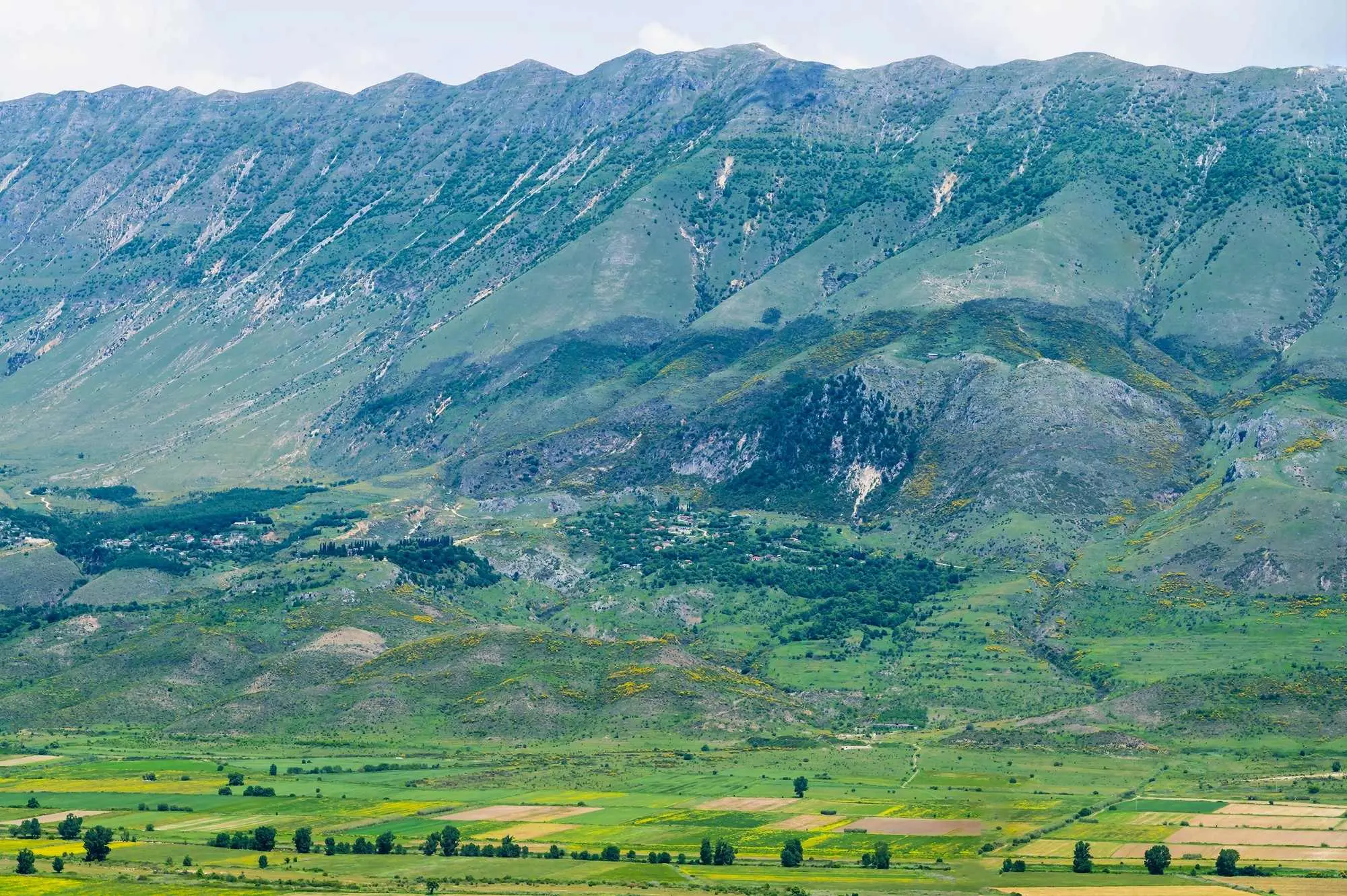
- Gjere, Photo: nikkiapul Depositphotos
For hikers and travelers, Gjerë offers several trails of varying difficulty. The most popular route starts in the village of Dhuvjan and leads toward the upper ridge, from where there are wide views over the Drino valley, the city of Gjirokastër, and even the distant coastline. There are also shorter trails that connect the Ravena Monastery with nearby villages. The terrain is rocky but accessible and suitable for mountain biking as well.
The climate is most pleasant in spring and autumn, while summers can be dry and warm. At that time of year, the limestone rocks take on a silver-gray color under the sun, while in winter, the mountain is often covered in mist. The best period to visit is from April to October.
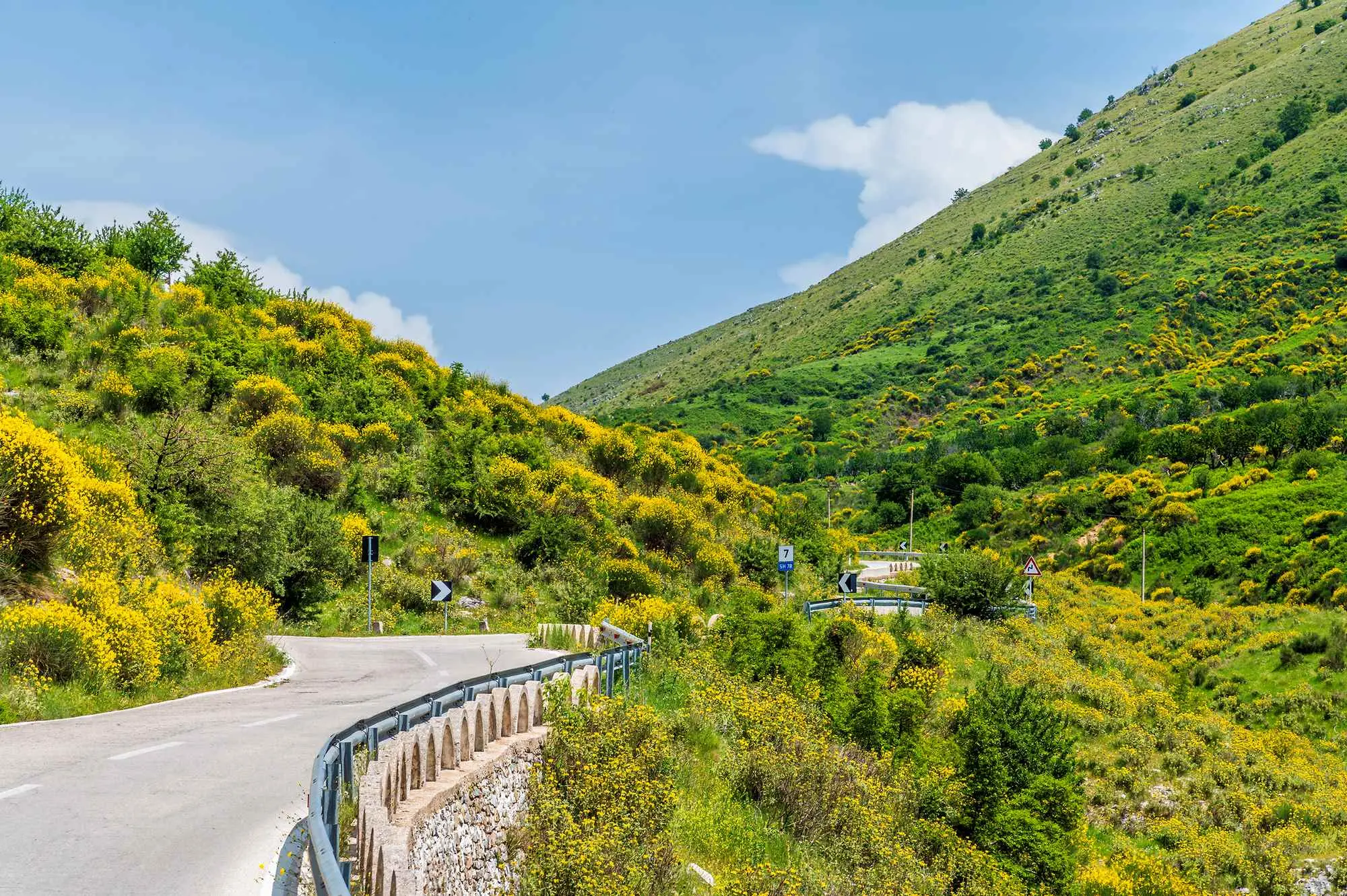
Gjere, Photo: nikkiapul Depositphotos
Gjirokastër, located on the eastern side of the mountain, is the ideal base for exploring. Old Town, with stone houses and a hilltop fortress, provides a cultural counterpoint to a day spent hiking. From the city, local roads lead to small hillside villages, where accommodation and traditional food are easily found.
Gjerë is a mountain worth visiting. It is not crowded, it is easy to reach, and it offers the feeling of a place that has preserved its quiet character. If you travel through southern Albania, this is one of the spots where it is worth stopping, walking, and getting to know a landscape that unites mountain, valley, and sea.
One of the most popular destinations in Albania! Gjirokastër is the city of museums and cobblestones

Zoran Kovačić
I do miracles right away, but the impossible still takes me a little time!
Leave a Reply