
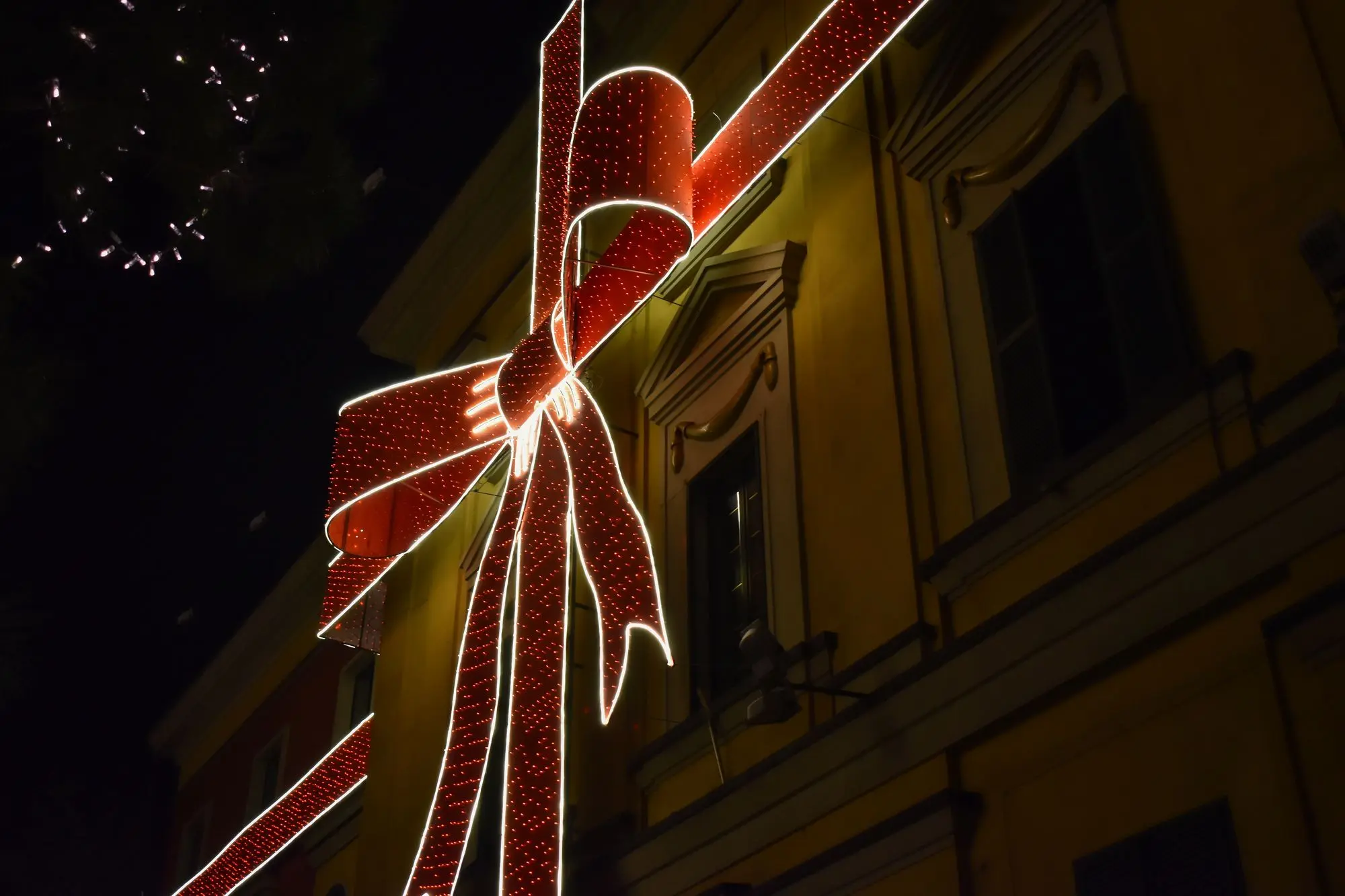
Is Christmas celebrated in Albania and what does it look like in a country without classic holiday traditions?
If you have ever wondered what Christmas looks like in Albania, you are not the only one. Across the Adria region, holiday patterns are often similar, but this country is still a special case. After more than forty years during which religious celebrations were banned, the return of religious holidays took place in a society that is today predominantly Muslim, yet historically and culturally multilayered. That is why Christmas holidays in Albania do not feel entirely familiar, nor completely foreign.
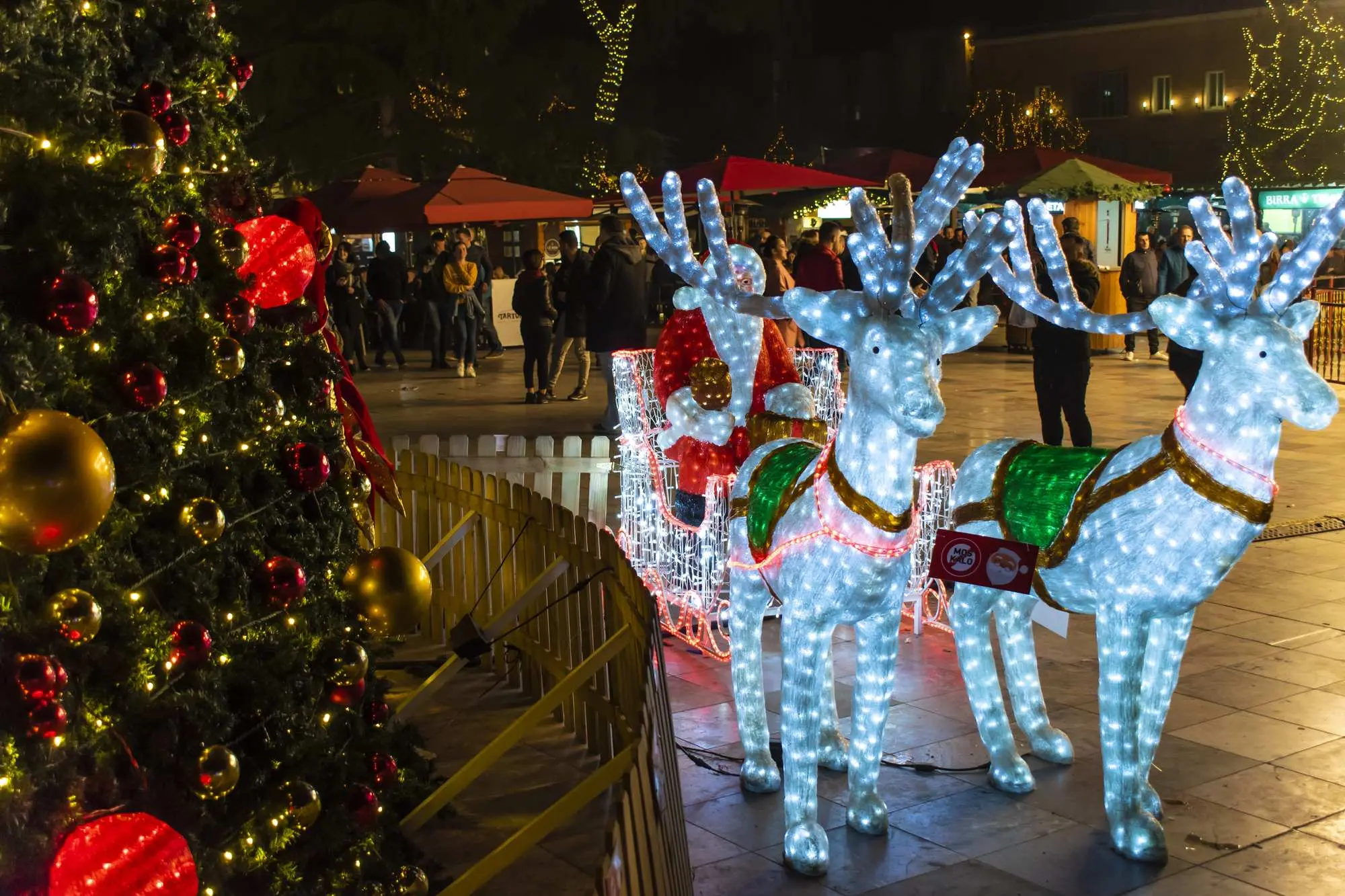
Holidays in Tirana Photo: amarildohoxha91 Depositphotos
In Albania, Christmas is an official public holiday and a non-working day. Catholic Christmas is celebrated on December 25, while Orthodox believers observe it on January 7 according to the Julian calendar. Catholic communities are more numerous in the north of the country and in some coastal towns, while Orthodox communities are more present in the south. It is in these areas that Christmas has a clearly recognizable religious character.
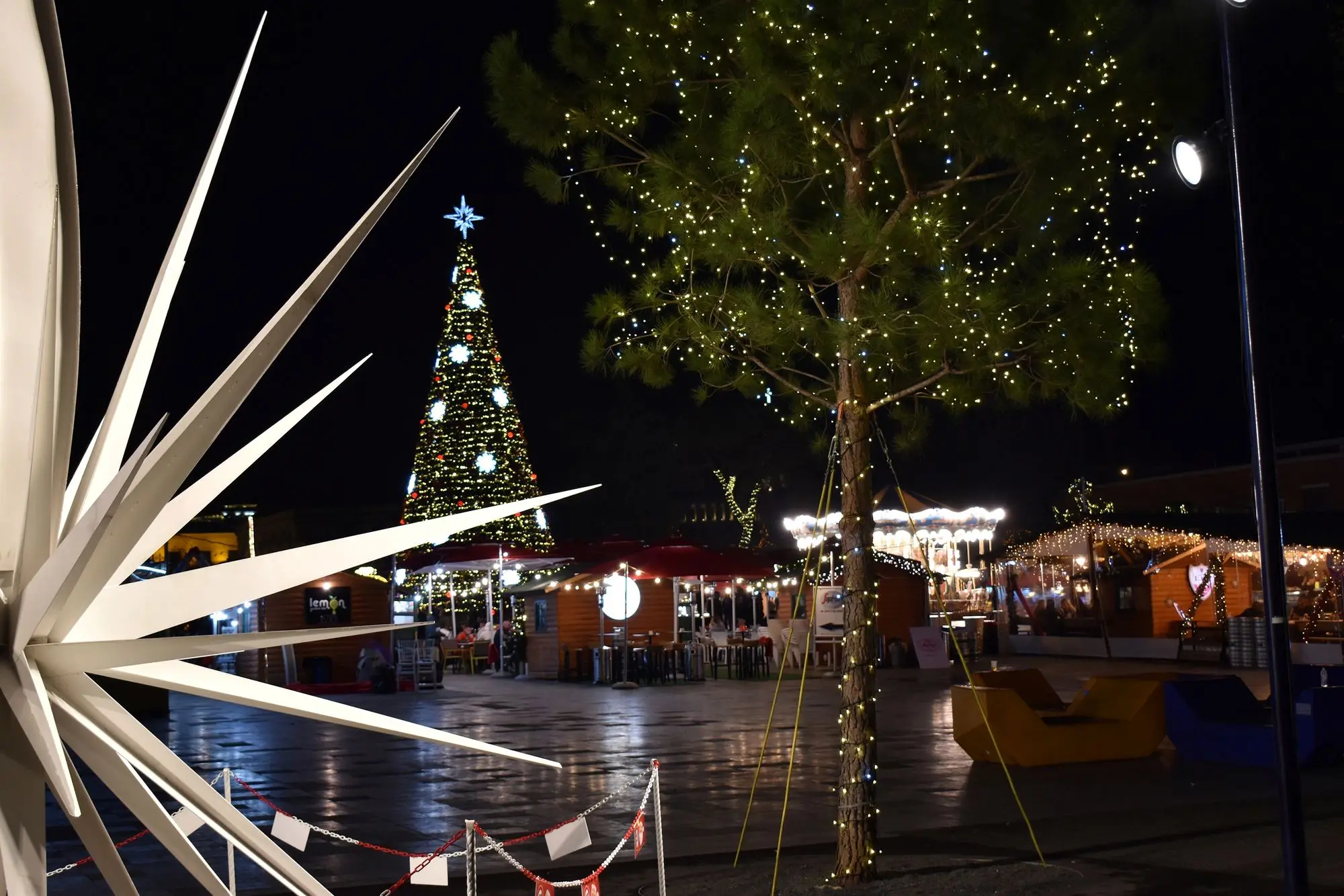
Holidays in Tirana Photo: amarildohoxha91 Depositphotos
In Catholic families, Christmas is marked by attending midnight Mass, family gatherings, and a modest holiday meal. Christmas trees and nativity scenes do exist, but they are not a universal feature of every home. Customs are simple, without a strong commercial layer, and celebrations are usually limited to the family circle and the religious community.
Orthodox Christmas, which is celebrated in early January, is even more discreet. It is marked almost exclusively through church services and family gatherings, without public events or special decorations in cities. For the wider public, this date often passes without a significant impact on everyday life.
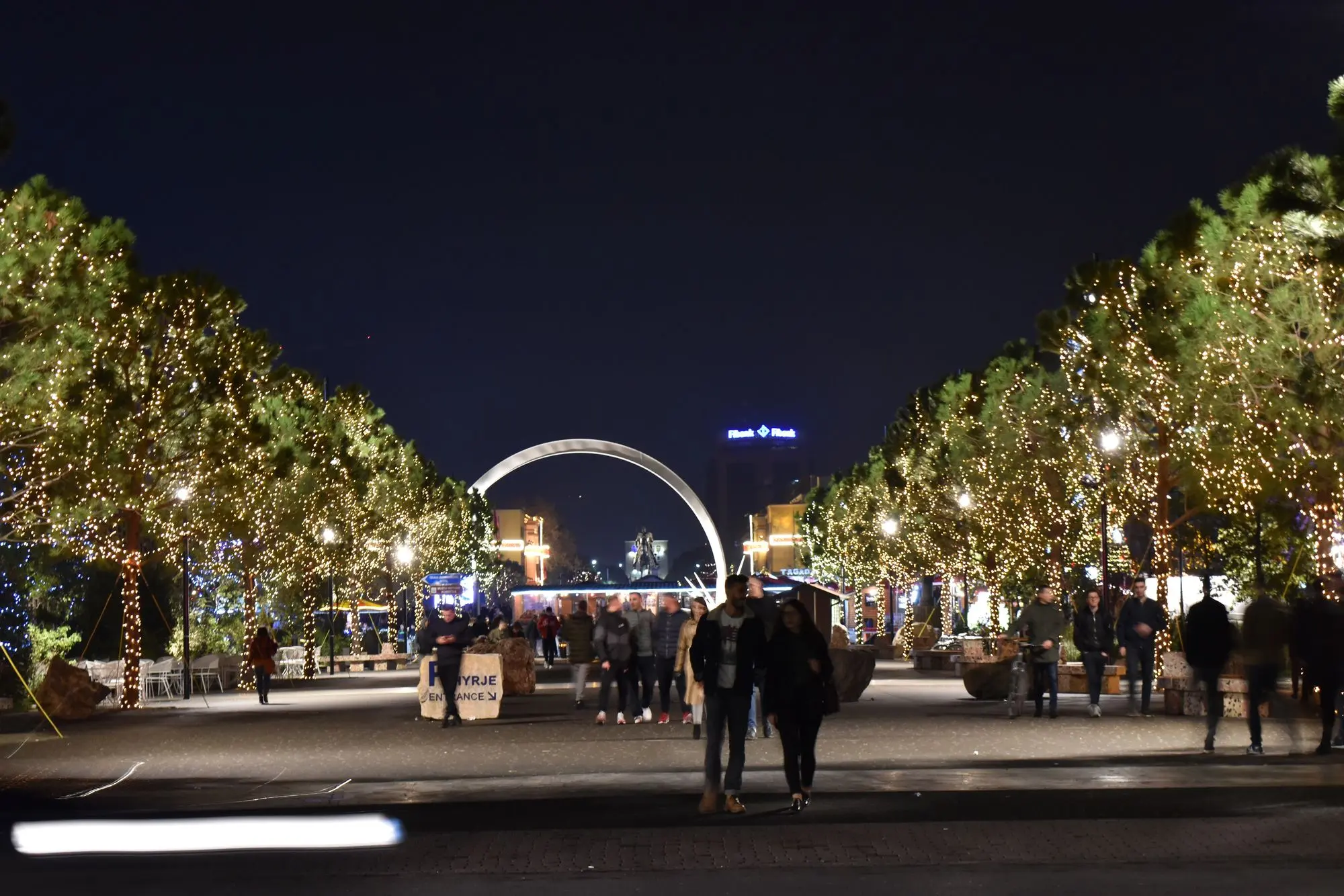
Holidays in Tirana Photo: amarildohoxha91 Depositphotos
In some Catholic communities, the custom of planting Christmas wheat is also present. It is most commonly planted on December 13, the feast of Saint Lucy. This custom is not widespread at the national level, but it exists in certain families, mainly in the north and occasionally along the coast. The wheat is usually kept on the table or near the nativity scene and carries the same symbolism as in the rest of the region, a sign of growth, renewal, and prosperity in the coming year. As a rule, it remains within the private space of the home and has no broader public visibility.
Public space in December has a different character. In larger cities, especially in Tirana, central squares and streets are decorated with festive lights and large Christmas trees. The main gathering point is Skanderbeg Square, where a seasonal market featuring food, drinks, and music is held. Although it is often referred to as a Christmas market, its content in practice is focused on the general winter and New Year period rather than on a religious celebration.
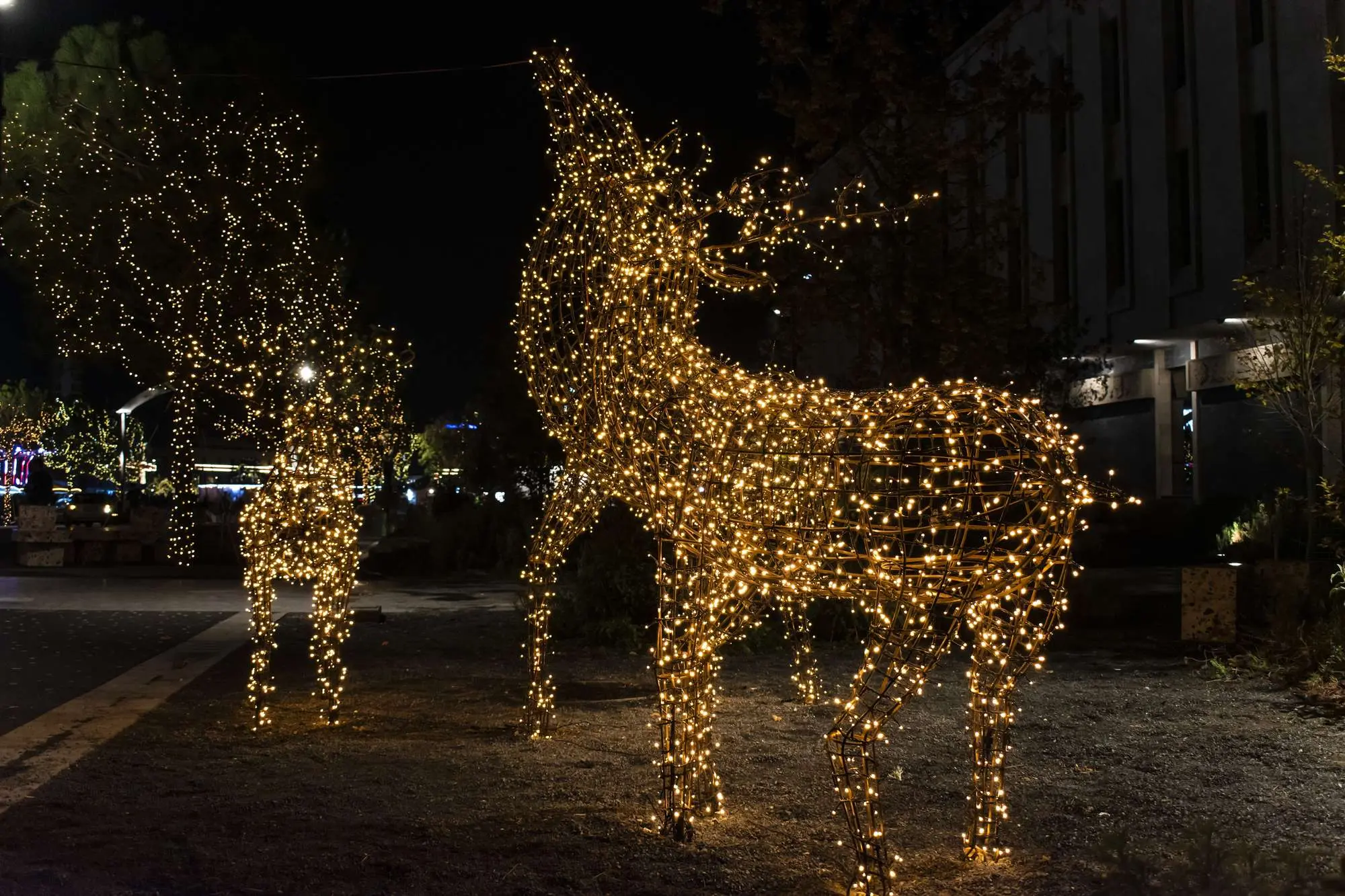
Holidays in Tirana Photo: amarildohoxha91 Depositphotos
For most of the population, the peak of the holiday season is not Christmas but the New Year. In Albania is traditionally celebrated with large family dinners, public concerts, and fireworks. This emphasis also has a historical background, since during the socialist period, the New Year was the only permitted winter holiday, which permanently shaped the way December is still experienced today.
Christmas holidays in Albania, therefore, do not have a single, uniform form. In private, they are religious and family-oriented, while in public, they are secular and focused on New Year celebrations. This division between personal tradition and public practice most accurately describes how holidays in Albania are celebrated and experienced today.
Christmas market in Tirana? What does December joy look like in the capital of Albania?

Ahmed Taha
Peace, love and music! ☮️
Leave a Reply