
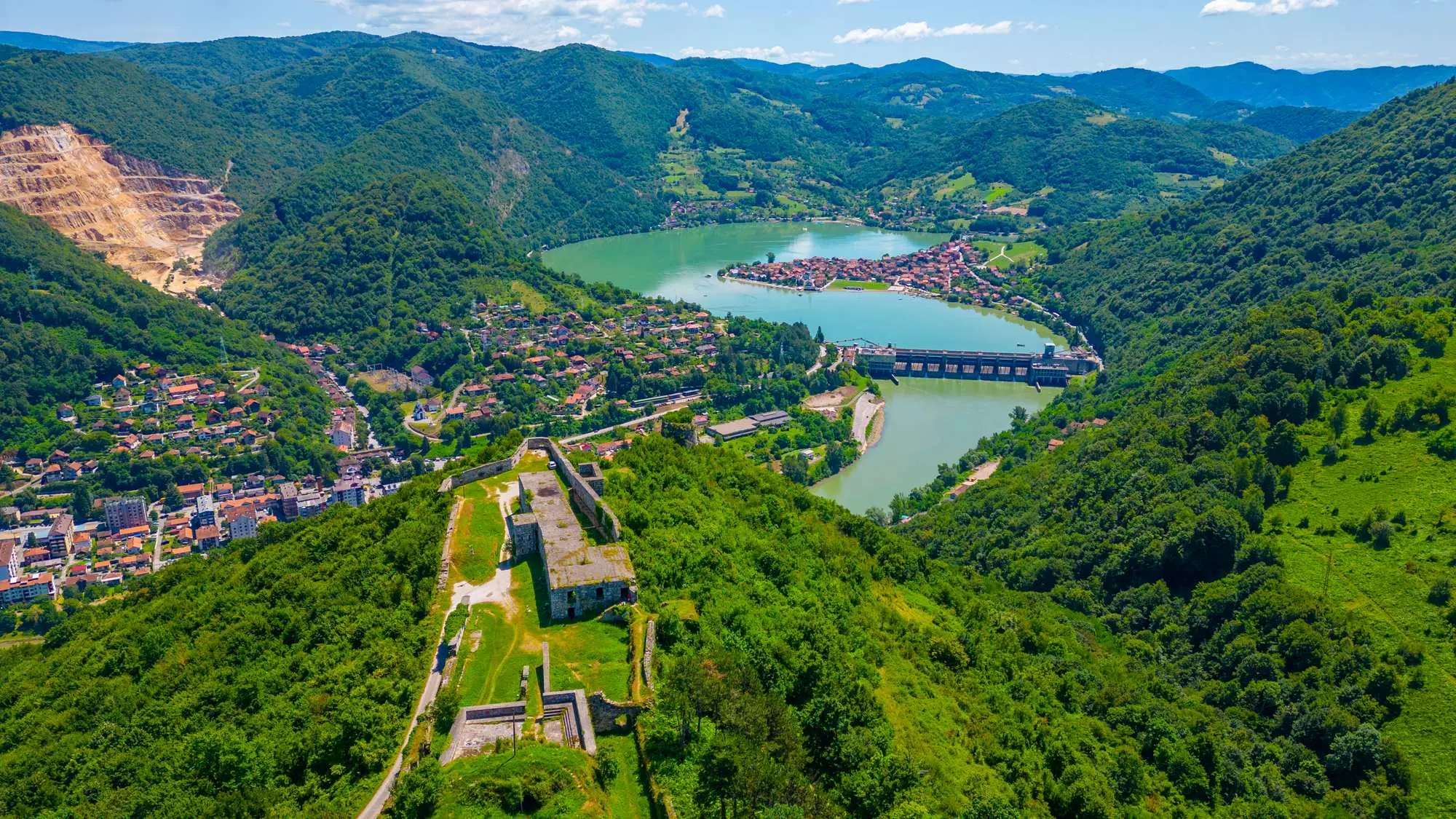
Drina river as a border and connection! Here is what to see in Zvornik and Mali Zvornik
On the eastern border of Bosnia and Herzegovina, where the Drina is not just a river but the lifeline of the entire region, Zvornik and Mali Zvornik stand facing one another. The two towns are divided by a border, yet connected by history, everyday life, and the view of the same river that has shaped the rhythm of this landscape for centuries. Visiting this part of Podrinje is essentially the experience of two destinations in a single journey.
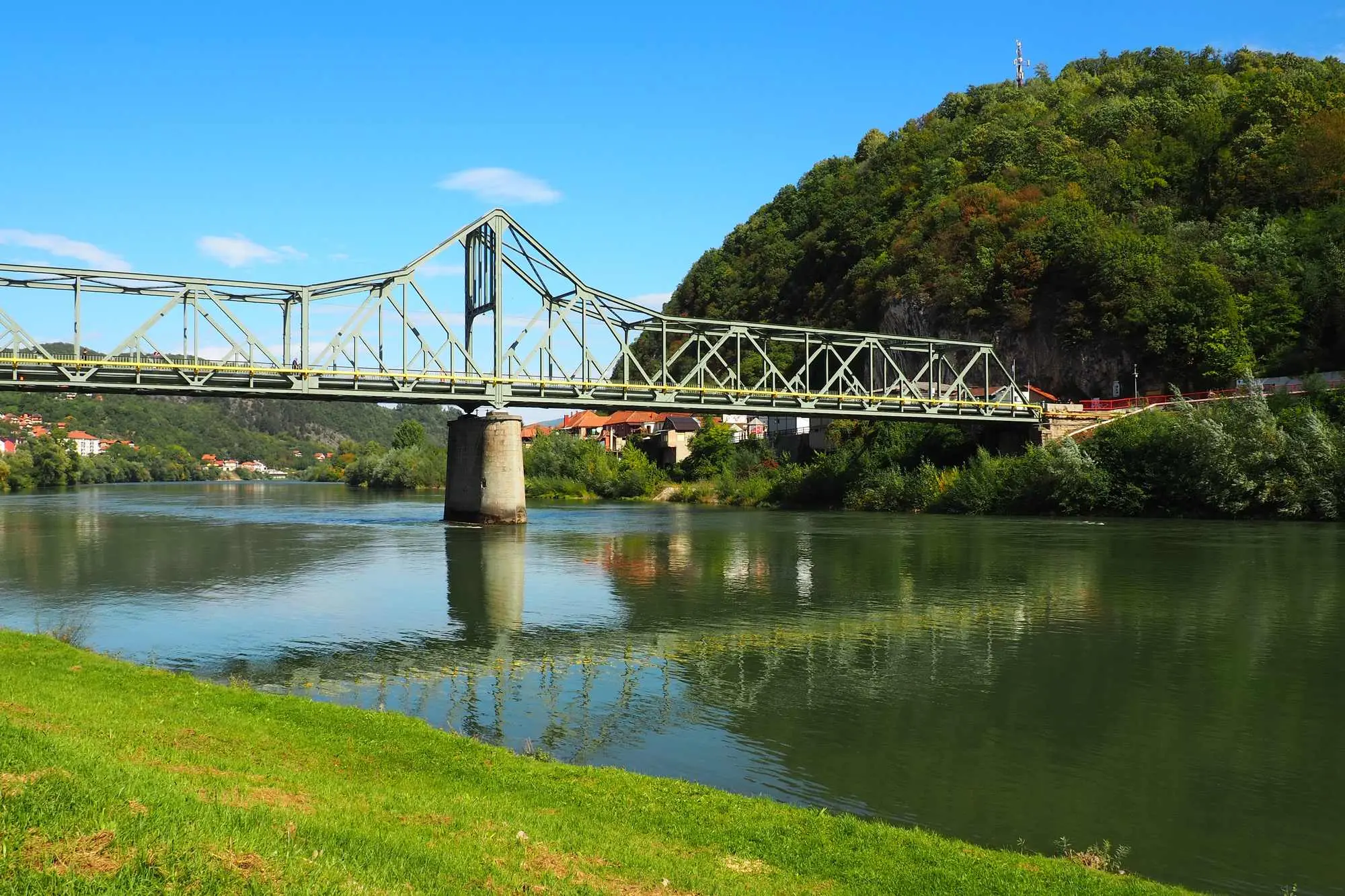
Bridge of King Alexander I Karađorđević Photo: tsukugede Depositphotos
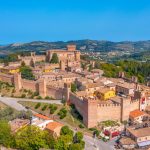
Zvornik on the Bosnian side is immediately recognisable by its strong historical backdrop. Towering above the town is the Zvornik Fortress, known as Kula Gradina, which from its elevated position overlooks the river valley. The climb towards the fortress reveals layers of past eras, from medieval beginnings to Ottoman additions. At the same time, the view from the top offers one of the most beautiful panoramic scenes in this part of Bosnia and Herzegovina.
At the foot of the fortress lies the Zvornik of today. A walk along the Drina riverbank is one of the key experiences, as the river here is not hidden but constantly present. The King Alexander I Karađorđević Bridge, which connects Zvornik with Mali Zvornik, is not only a vital traffic link but also a popular gathering spot, ideal for taking photographs and enjoying spontaneous moments. The sacred heritage further testifies to the city’s layered history, with the Imperial Mosque in Zvornik standing out as one of the most important Ottoman legacies in the town.
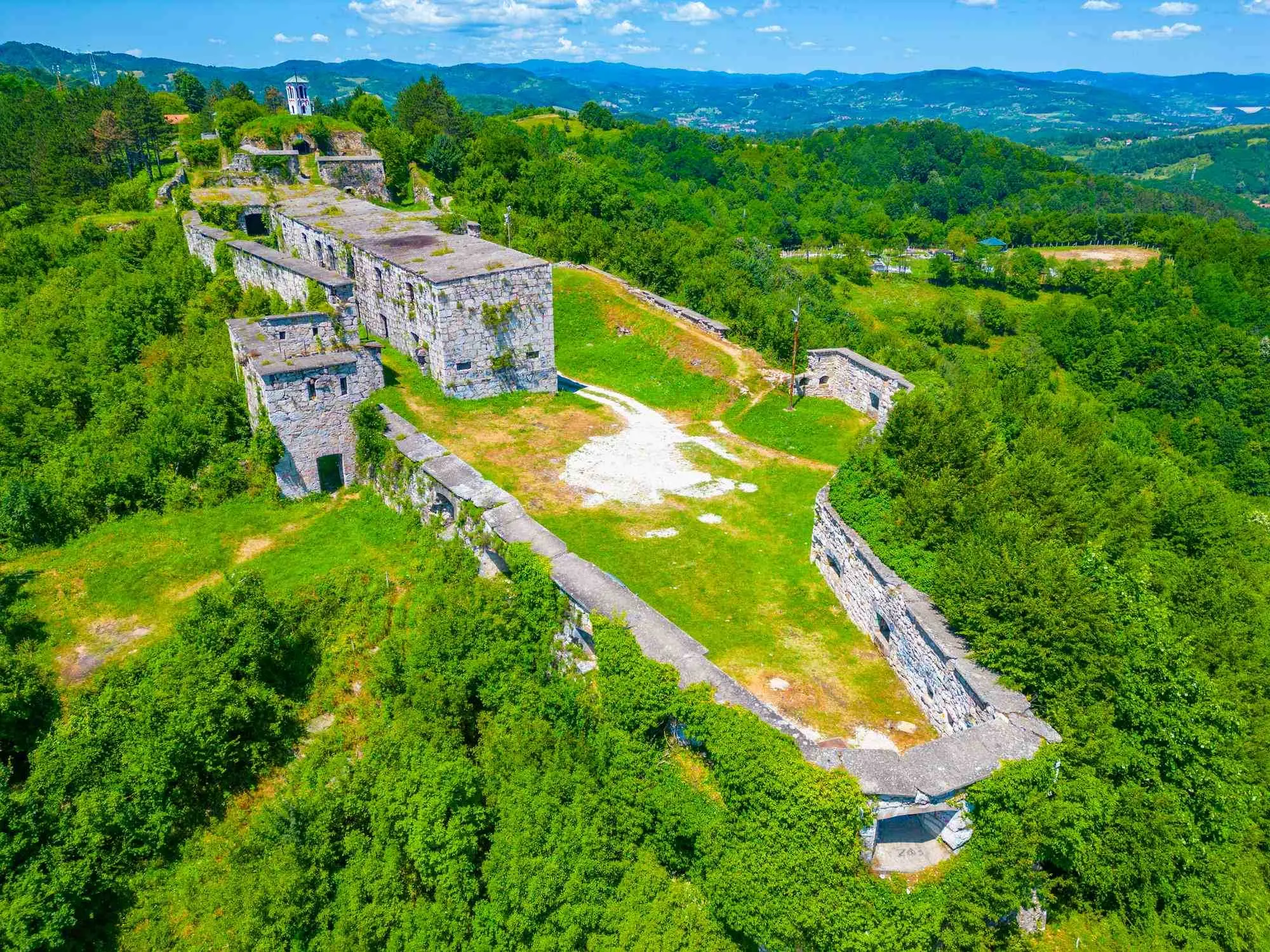
Zvornik fortress Photo: Dudlajzov Depositphotos
On the other side of the river, Mali Zvornik welcomes visitors with a calmer, almost hidden atmosphere. The town is squeezed between the Drina and the surrounding hills, giving it a distinctive character and a sense of spatial intimacy. Its most famous attraction is the Karađorđević Underground City, an impressive complex of tunnels and halls carved into the rock above the river. Built in the early 1930s during the time of the Kingdom of Yugoslavia, it today feels like a frozen historical fragment that strongly contrasts with the quiet everyday life of the town.
Above Mali Zvornik lies Orlovine, an archaeological site that bears witness to life in this area from prehistory through to the Middle Ages. Here it becomes clear that this region has always been inhabited, strategically important, and naturally attractive.
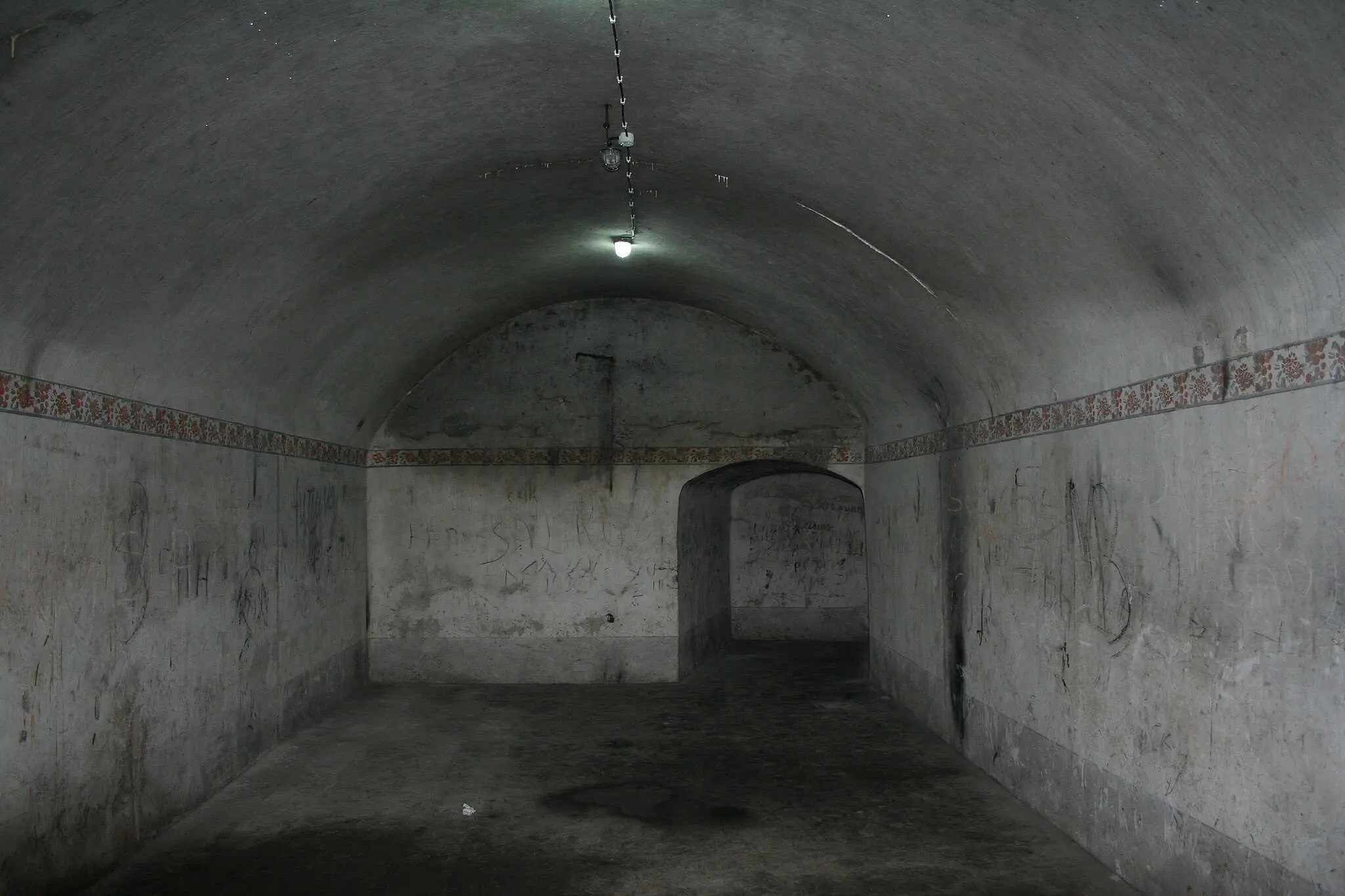
The underground city of Mali Zvornik Photo: Vanilica, CC BY-SA 4.0
Nature plays a major role in the experience of both towns. The Drina forms the foundation of their shared identity, while excursions in the surroundings of Mali Zvornik lead to Radalj Lake and Radalj Spa, which offer tranquillity, greenery, and light recreation. Cycling, walking, and spending time in nature are simply a natural extension of time spent in the towns themselves.
Together, the two towns form a destination that does not impose itself but is easily remembered. There is no classic tourist spectacle here, but there is continuity, authenticity and the rare opportunity to experience two countries, two urban characters, and one river that connects everything in a single day. If you ever get the chance, they are certainly worth visiting.

Zoran Kovačić
I do miracles right away, but the impossible still takes me a little time!

Leave a Reply