
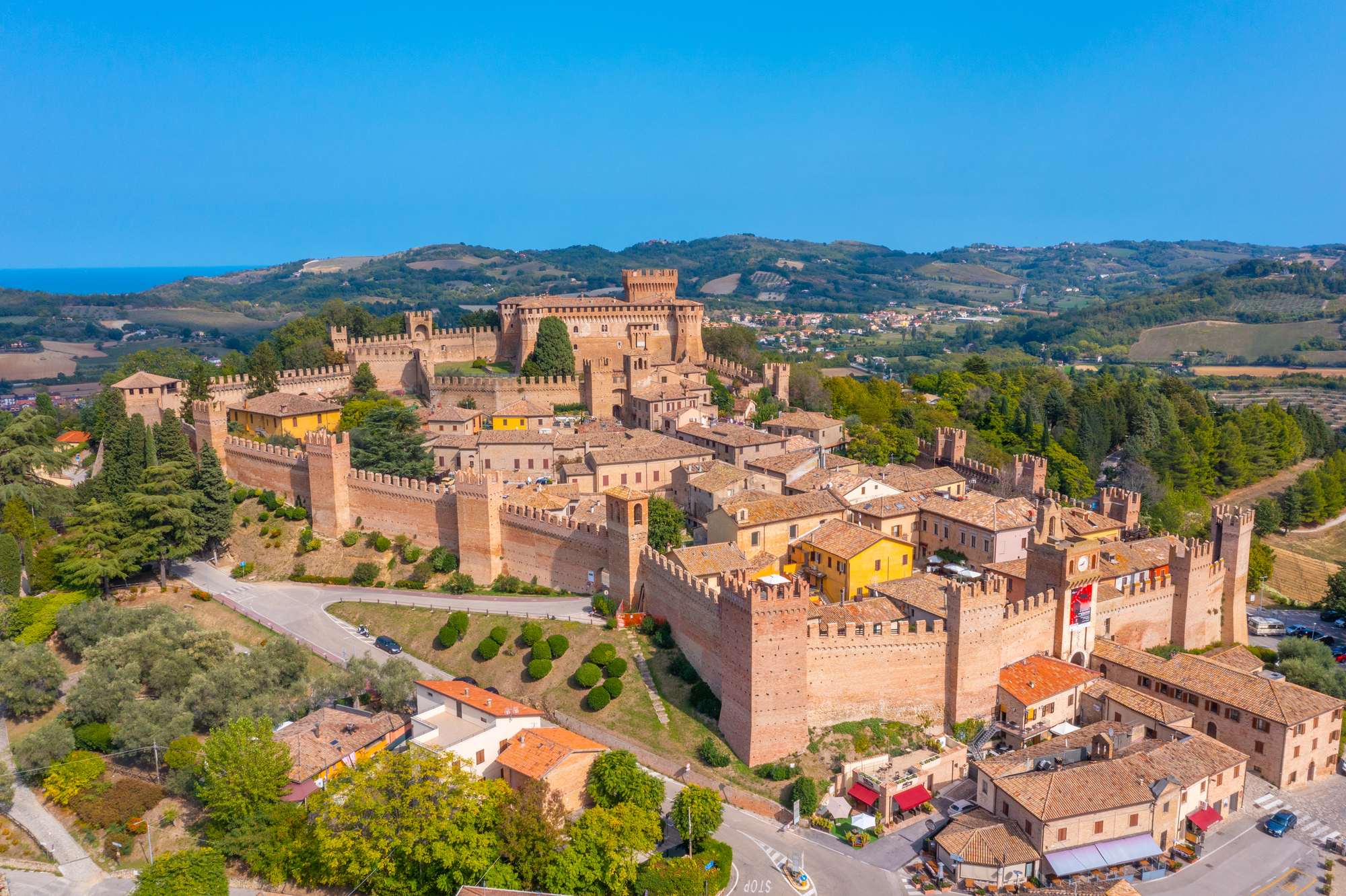
Dante’s Divine Comedy is associated with this castle. What else does Gradara Castle hide?
Between the rolling hills of northern Italy, where the view from the interior slowly descends toward the Adriatic Sea, rises Gradara, one of the best preserved and historically richest medieval castles in the country. At first glance, it is clear that this is not merely a romantic backdrop, but a fortress that for centuries held real military, political, and symbolic power.
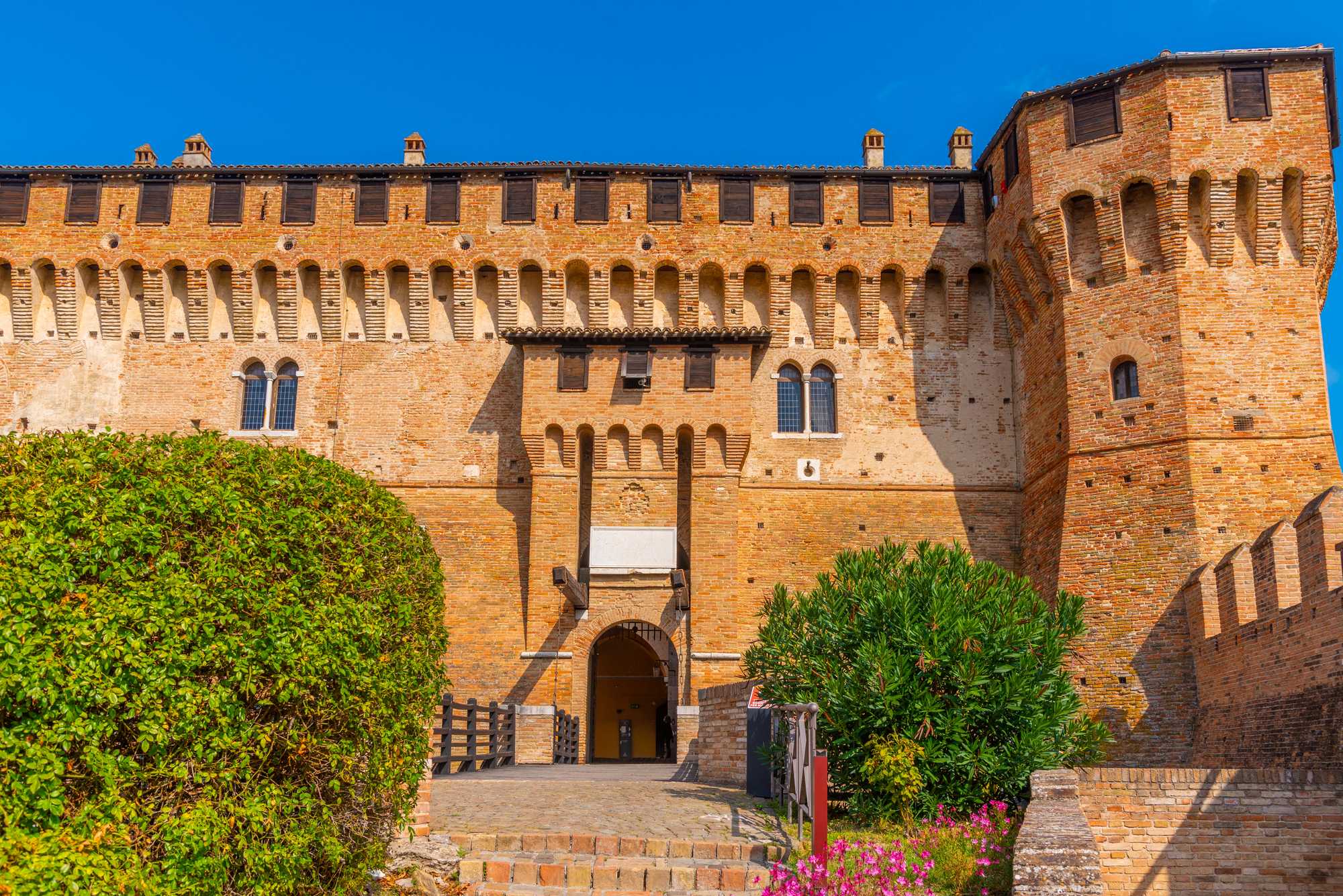
Gradara Castle Photo: Dudlajzov Depositphotos
The history of Gradara begins in the 12th century, when the first defensive tower was built at this strategic location. Its position was no coincidence. It controlled an important route connecting the Adriatic coast with the interior of the Apennines, making it a key point for trade as well as military campaigns. During the 13th century, the fortress was taken over by the Malatesta family, one of the most influential dynasties of medieval Italy, who transformed Gradara into a strongly fortified castle with massive walls and defensive towers.
Under the Malatesta rule, Gradara took on the form that is largely recognizable today. Walls stretching nearly eight hundred meters, a double defensive ring, and a powerful main tower testify to the advanced military knowledge of the time. The castle was not conceived merely as a residence, but as an almost impregnable fortress, a fact confirmed in 1446 when it withstood the siege of the famous condottiere Francesco Sforza. Although Sforza later came to rule Gradara, the very fact that the castle did not fall by force further strengthened its reputation.
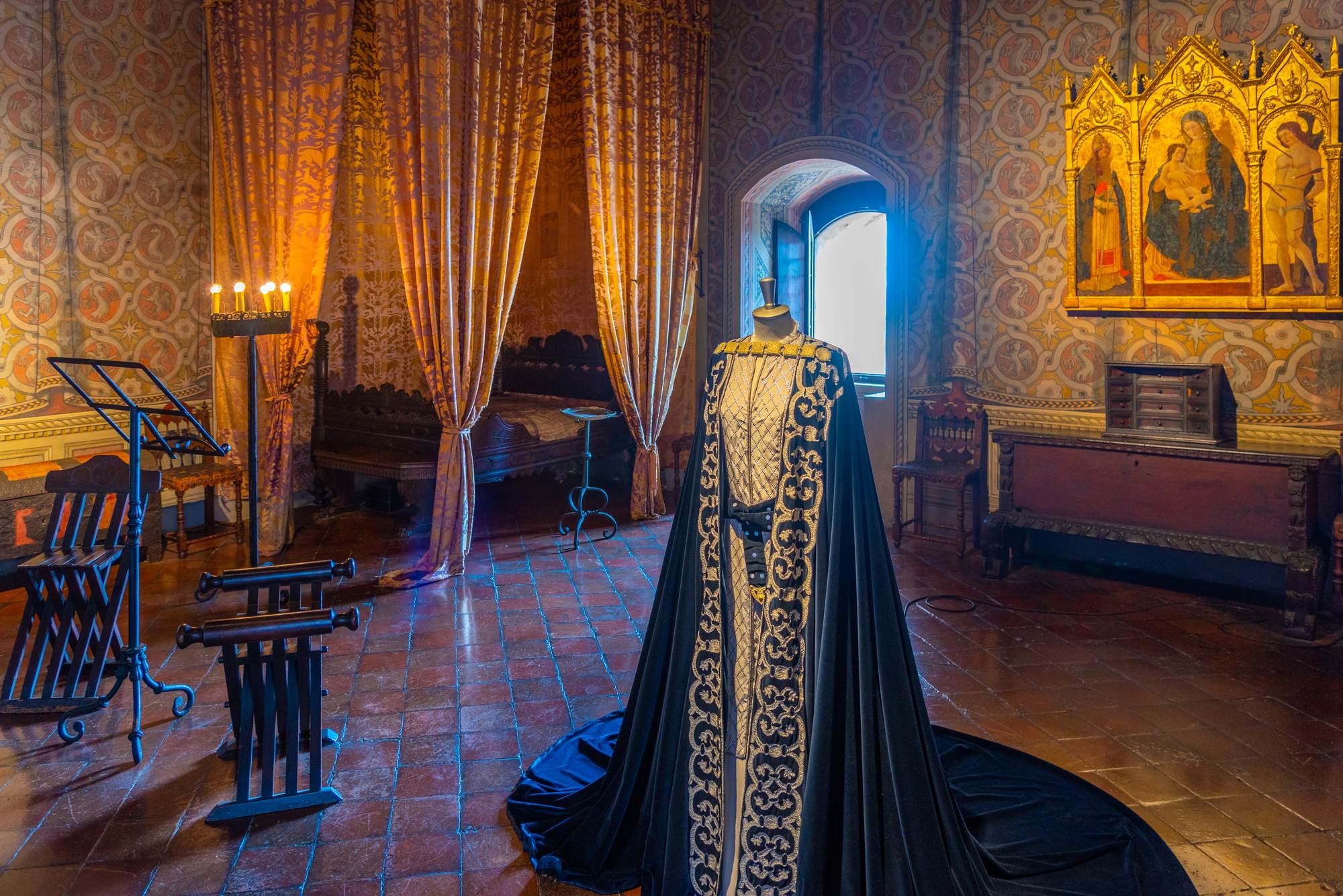
Gradara Castle Photo: Dudlajzov Depositphotos
In the 15th century, Gradara passed into the hands of the Sforza family and later to the Della Rovere, dukes of Urbino. During this period, the fortress gradually lost its exclusively military function and took on the characteristics of a noble residence. Interior halls were decorated with frescoes, wooden ceilings, and rich furnishings, yet the defensive character was never completely abandoned. It remained a symbol of power and prestige, but also of the constant danger that defined the political reality of Renaissance Italy.
Nevertheless, the name of Gradara is inseparably linked to one of the most famous love tragedies in European literature. According to tradition, this is where the fate of Paolo Malatesta and Francesca da Rimini, the wife of his brother, unfolded. Their forbidden love ended in death, and Dante Alighieri immortalized their story in the fifth canto of Hell in the Divine Comedy. Although historians debate the exact location of the event, Gradara has for centuries been accepted as the symbol of this story, turning the castle into a place where history and legend intertwine without a clear boundary.
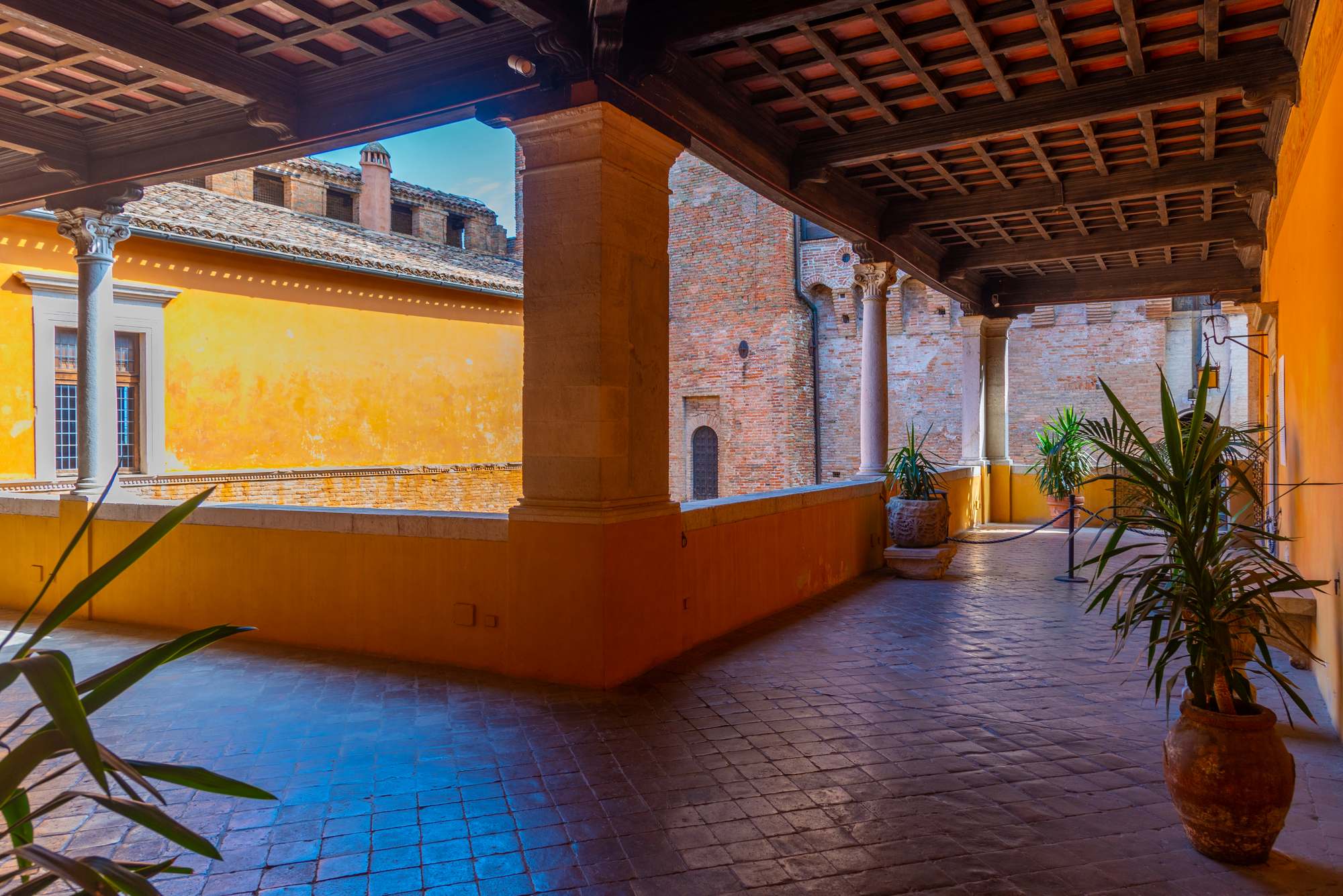
Gradara Castle Photo: Dudlajzov Depositphotos
After the decline of the feudal system and the incorporation of these lands into the Papal States, the castle gradually lost its political importance. During the 19th century, the castle fell into neglect, but in the 20th century, a thorough restoration began, restoring its original appearance. Today, Gradara is a protected cultural monument and one of the most visited castles in Italy, not only because of its architecture, but also because of the atmosphere that few places manage to preserve.
Walking through Gradara means passing through layers of history, from rough medieval walls to elegant Renaissance rooms, from war strategies to intimate human destinies. This is not a castle to be viewed superficially, but slowly, with the understanding that its walls witnessed struggles for power, political intrigues, and a love that has outlived centuries. For anyone wishing to feel the authentic spirit of medieval Italy, this is an unmissable destination.

Ahmed Taha
Peace, love and music! ☮️

Leave a Reply