
Behind the beauty of the Doge’s Palace lies the dark history of Venice
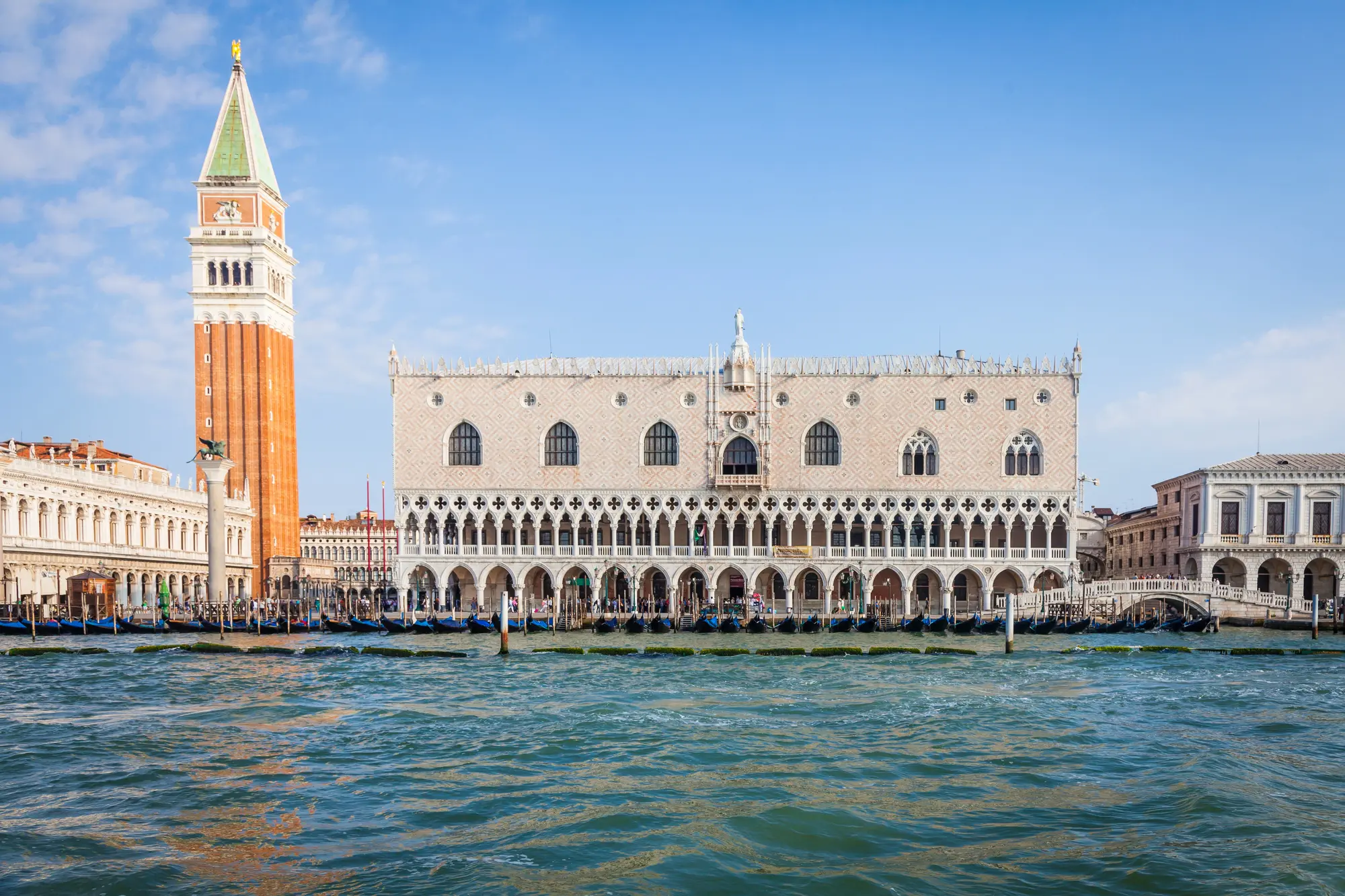
In the heart of Venice, right next to the famous Basilica of St. Mark, rises one of the most recognizable buildings in the world, the Doge’s Palace. Its elegant façade of white and pink marble, resting on lace-like arcades, has for centuries borne witness to the power, wealth, and political complexity of the Venetian Republic. Yet behind that beauty lies a turbulent history filled with intrigue, decisions that changed the world, and punishments suffered by those who dared to defy the will of the Doge.
Doge’s Palace, Photo: BrothersArt Depositphotos
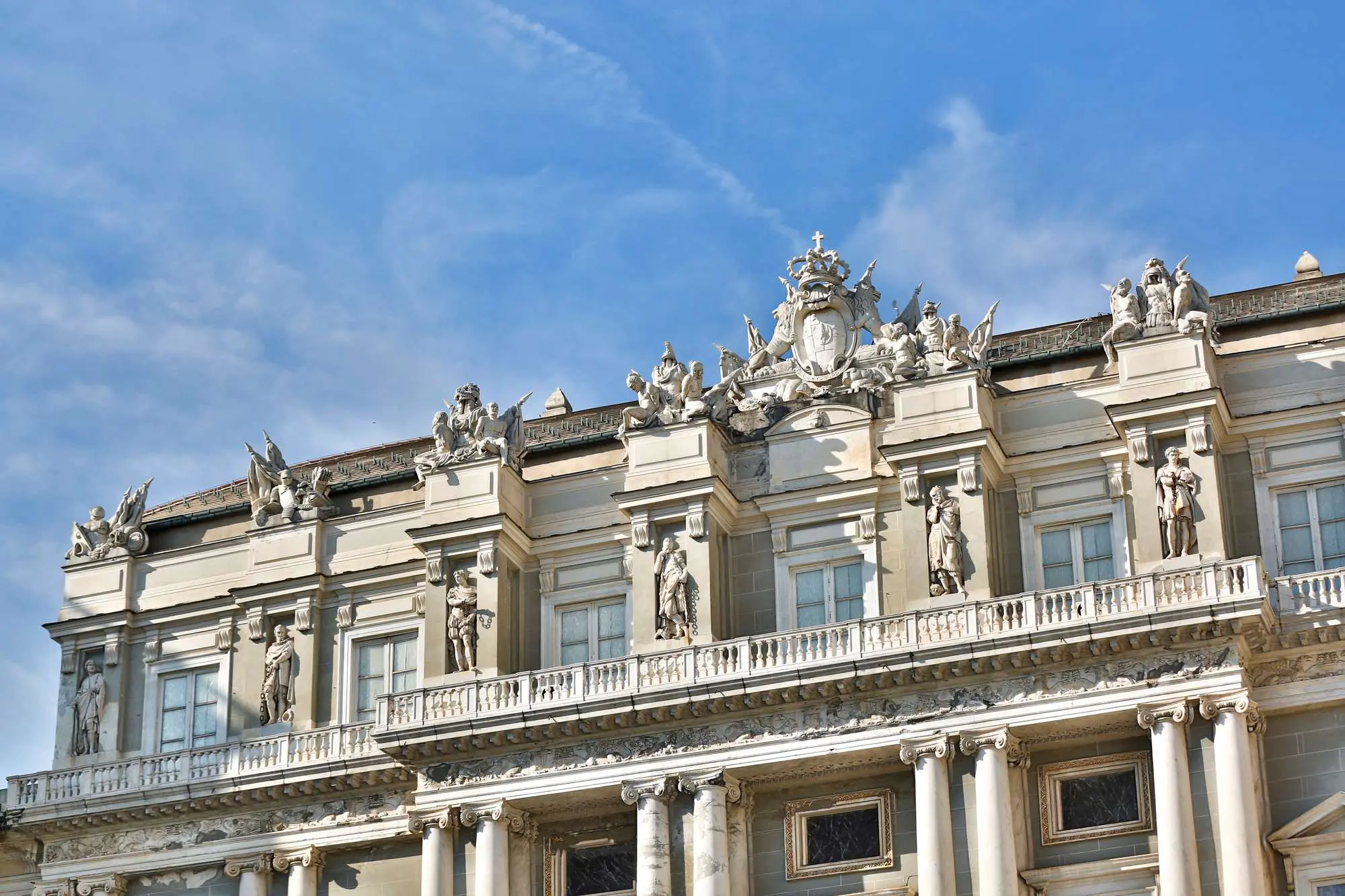
The first palace on this site was built as early as the ninth century, when Venice was still emerging as a maritime power. However, the wooden structure soon burned down in a fire, as did its successors in later centuries. It was only in the fourteenth century that the construction of the magnificent Gothic palace we know today began. Its appearance perfectly embodies the Venetian spirit, a blend of lagoon and stone, delicacy and strength, commerce and art. The façade facing St. Mark’s Square radiates symmetry, while the massive walls facing the lagoon conceal the seat of government that ruled over one of the most important maritime empires of Europe.
Inside the palace were the offices of the Senate, the Council of Ten, the state treasury, and the courts, as well as the residence of the Doge himself, the elected ruler of the Republic who represented Venice but held no absolute power. All decisions were made through a complex system of councils and chambers, and the Doge’s Palace served as the stage for this political theater. It was here that negotiations were held with emperors, popes, and sultans, decisions made about war and trade, and sentences passed on those who had betrayed the Republic.
Doge’s Palace, Photo: fla Depositphotos
It was within these walls that some of the key decisions reshaping European and world history were made. Here, Venice agreed to participate in the Fourth Crusade, which in 1204 culminated in the sack of Constantinople and marked the beginning of a new era of Venetian commercial and cultural influence in the East. From these halls came the decisions to establish Venetian colonies in Dalmatia, Cyprus, and Crete, securing the Republic’s dominance over the eastern Mediterranean. It was here that naval blockades against the Ottoman Empire were planned, as well as diplomatic missions that often determined peace or war among the great powers.
Yet behind the splendor and politics, the Doge’s Palace had its darker side. Hidden within its walls were the chambers of the Council of Ten, one of the most powerful and feared bodies in European history. Established in 1310 after an attempted coup by nobleman Bajamonte Tiepolo, the council had almost unlimited authority to uncover and punish treason, corruption, and any threat to the state. Their decisions were secret, and their judgments swift and relentless.
Doge’s Palace, Photo: Hackman Depositphotos
Punishments varied from exile and confiscation of property to torture and execution. Many prisoners ended up in the dungeons beneath the palace, in the infamous cells known as pozzi, which lay below sea level, damp, cold, and without light. The somewhat more privileged were held in the piombi, prisons beneath the lead roof, where summer heat melted the air and created unbearable conditions. The most famous prisoner of the Doge’s Palace was Giacomo Casanova, imprisoned in 1756 on charges of immoral behavior, who, after a year, managed to execute a spectacular escape that still fascinates historians today.
One of the most striking architectural details is the Bridge of Sighs (Ponte dei Sospiri), which connects the palace to the prisons across the canal. Its name comes from the sighs of prisoners who, passing through it, looked upon freedom for the last time before disappearing into the darkness of the cells.
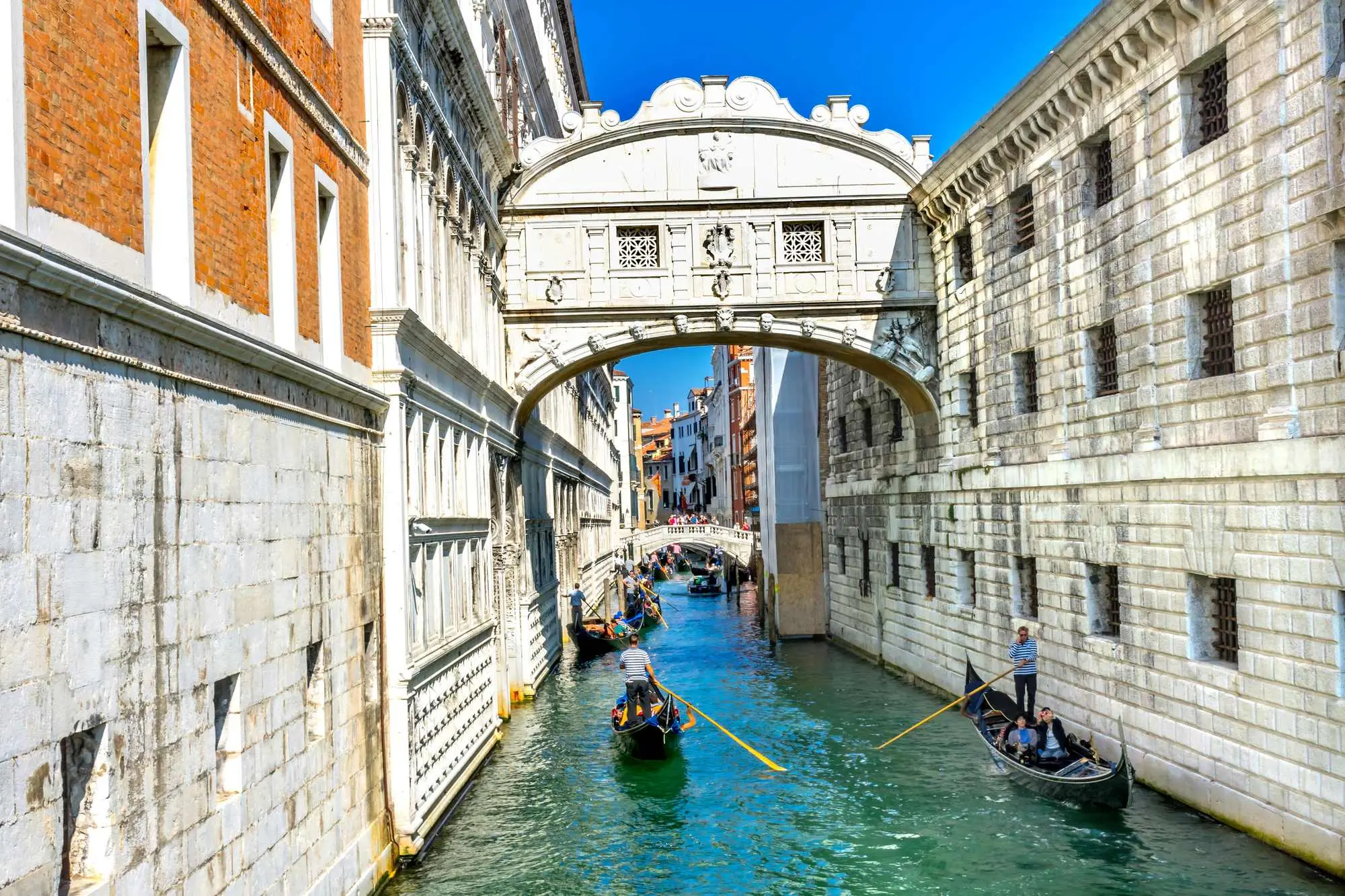
Bridge of Sights, Photo: billperry Depositphotos
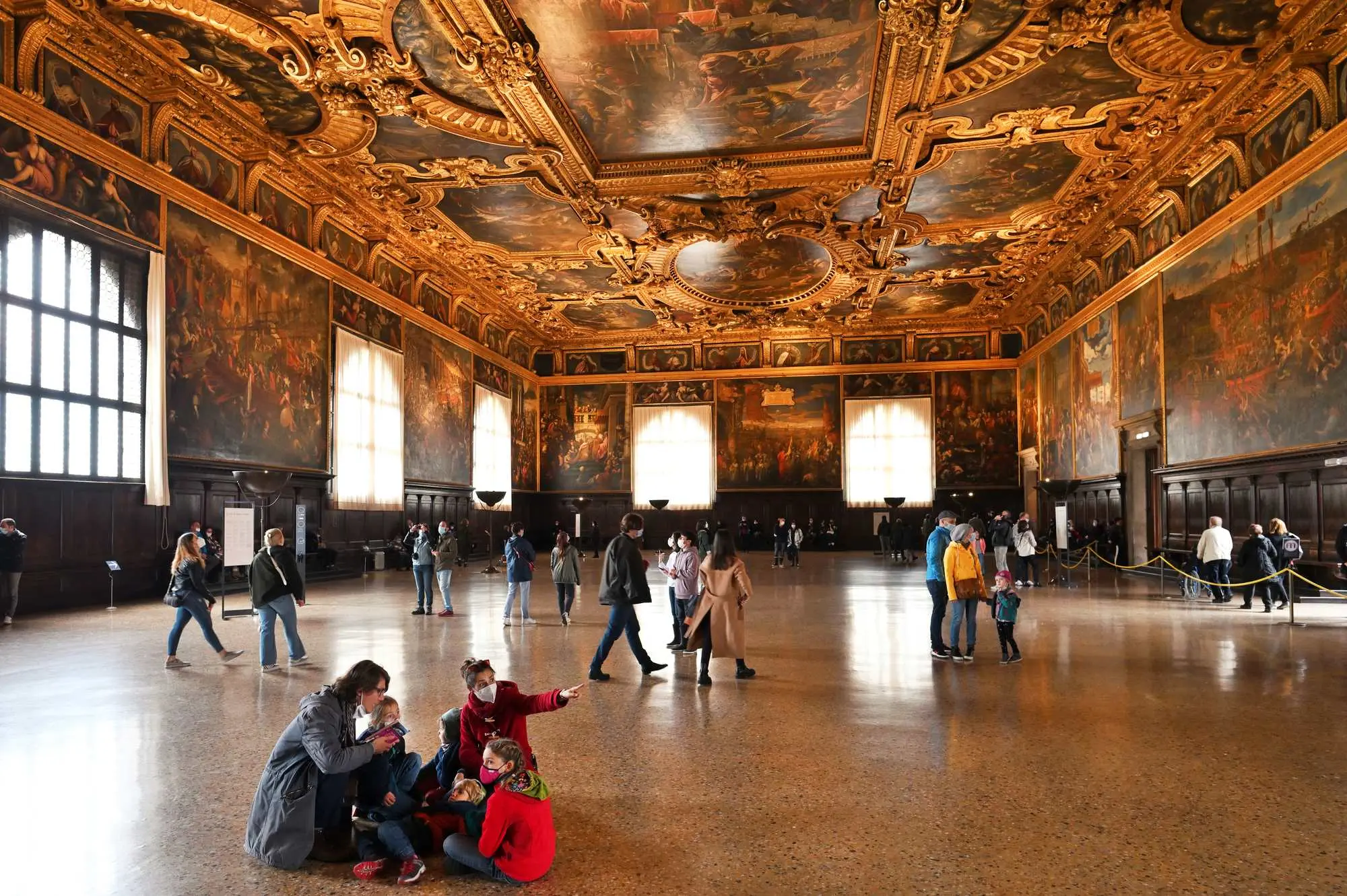
The Doge’s Palace was not only a political and judicial center but also a space where Venice celebrated its own greatness through art. The halls were painted by the most renowned Venetian masters such as Tintoretto, Veronese, and Bellini, whose works depicted the triumphs of the Republic, its victories over the Turks, portrayals of patron saints, and allegories of justice. In the Great Council Hall, one of the largest rooms in the world without supporting columns, stands Tintoretto’s monumental work Paradise, the largest oil painting ever created, symbolically representing the eternal glory of Venice.
Today, centuries after the fall of the Republic in 1797, when Napoleon ended the thousand-year reign of the Doges, the palace is no longer a seat of power. Instead of senators and spies, its corridors are now walked by visitors from all over the world. The Doge’s Palace has been transformed into a museum that preserves the history of Venice, its art, and its political brilliance. Walking through its halls today is no longer a passage through a labyrinth of power, but through a living monument to a civilization that, between sea and marble, shaped the history of the Mediterranean and the world for centuries.
Venice beyond clichés! These are 5 hidden places you must visit!

Zoran Kovačić
I do miracles right away, but the impossible still takes me a little time!


Leave a Reply