
How many lakes does Italy have? Which is the biggest or the deepest?
Italy, rich in history, culture, and tradition, is known for its incredible and breathtaking natural beauty. In the heart of this country, full of impressive cities, monuments, and artistic masterpieces, numerous lakes add a special charm to the landscape. These lakes are not only natural attractions but are often deeply rooted in history, legends, and traditions, making Italy an even more attractive destination for visitors.
From calm bodies of water nestled in alpine valleys to volcanic craters, Italy’s lakes offer many experiences and incredible sights. Italy boasts more than 1,500 lakes, varying in size, shape, and origin.

Lake Braies, Photo: Alessandro.Spinello, CC BY-SA 4.0
Most of Italy’s largest and most famous lakes are located in the northern regions of the country, especially in the Alpine regions, where many of them were formed thanks to glacial processes. These lakes, such as Lake Garda, Lake Maggiore or Lake Como, are not only among the largest in Italy but also a symbol of natural beauty that attracts visitors from all over the world.
Lake Garda (Lago di Garda), the largest lake in Italy, covers an area of about 370 km² and is located in the north of the country, between the provinces of Lombardy, Veneto, and Trentino. It is known for its mild climate, crystal clear water, and imposing mountain scenery, which makes it a popular tourist destination.
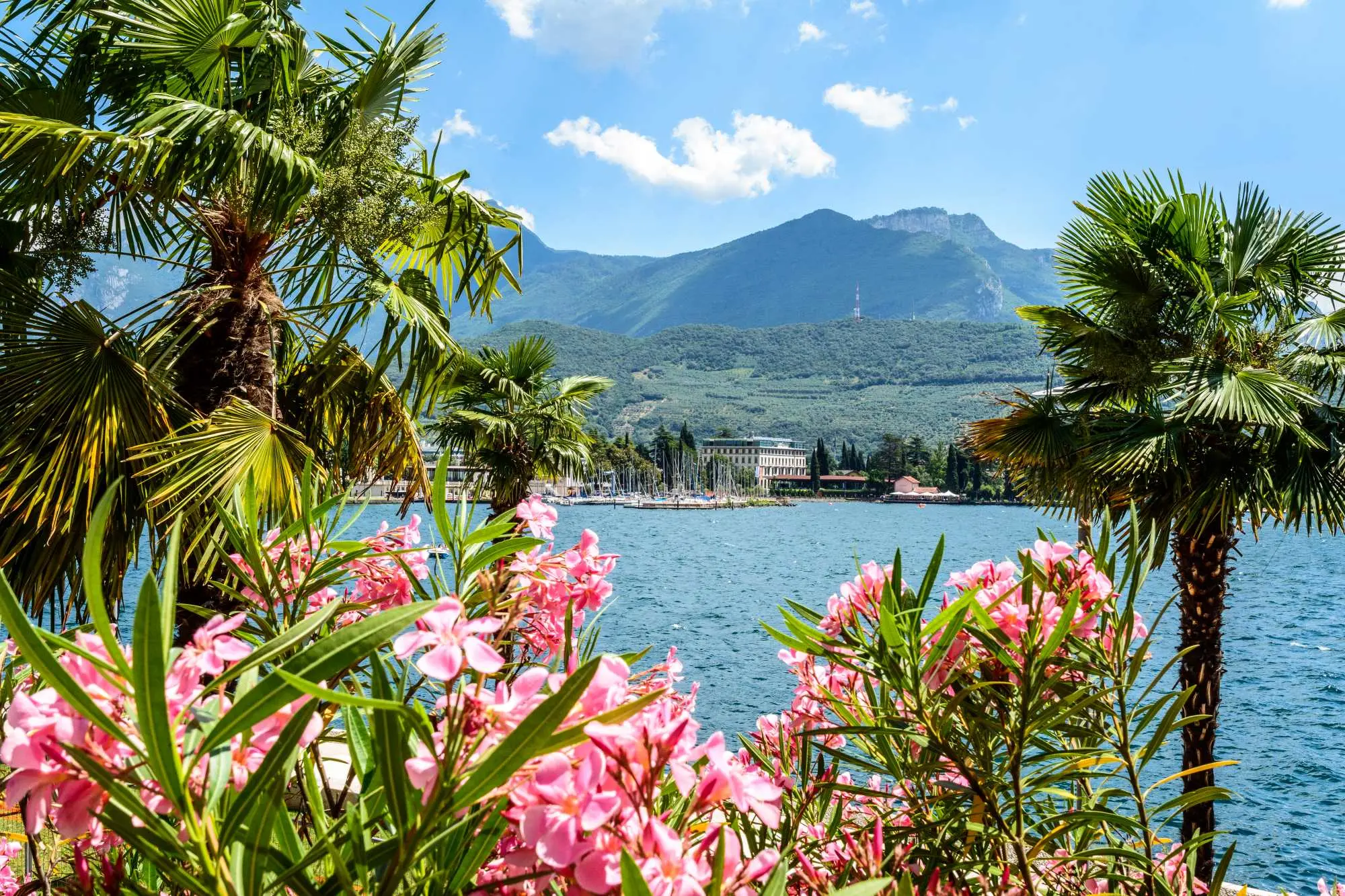
Lake Garda, Photo: dconvertini, CC BY-SA 2.0
Although Lake Garda ranks first in size, Lake Como (Lago di Como), located in Lombardy, is the deepest lake in Italy, with a maximum depth of 410 meters. This glacial beauty is the third largest in the country and offers spectacular views, surrounded by beautiful villas and mountains.
But Italian lakes are not only concentrated in the northern part of the country.

Lake Como, Photo: Jelena Mirić, Adria.fun
Smaller but equally interesting lakes, such as those in Umbria and Tuscany, also form an important part of Italy’s heritage and culture. Many of them, such as Lake Bolsena and Lake Bracciano, are of volcanic origin, formed in the craters of old volcanoes, and over time have become popular destinations for nature and history lovers.
Lake Bolsena (Lago di Bolsena), located in central Italy, is the largest volcanic lake in Europe and one of the most important archaeological and cultural centers in the region. Its history goes back to the time of the Etruscans, and the shores of the lake are decorated with numerous archaeological sites and medieval towns, which adds to its special historical value.
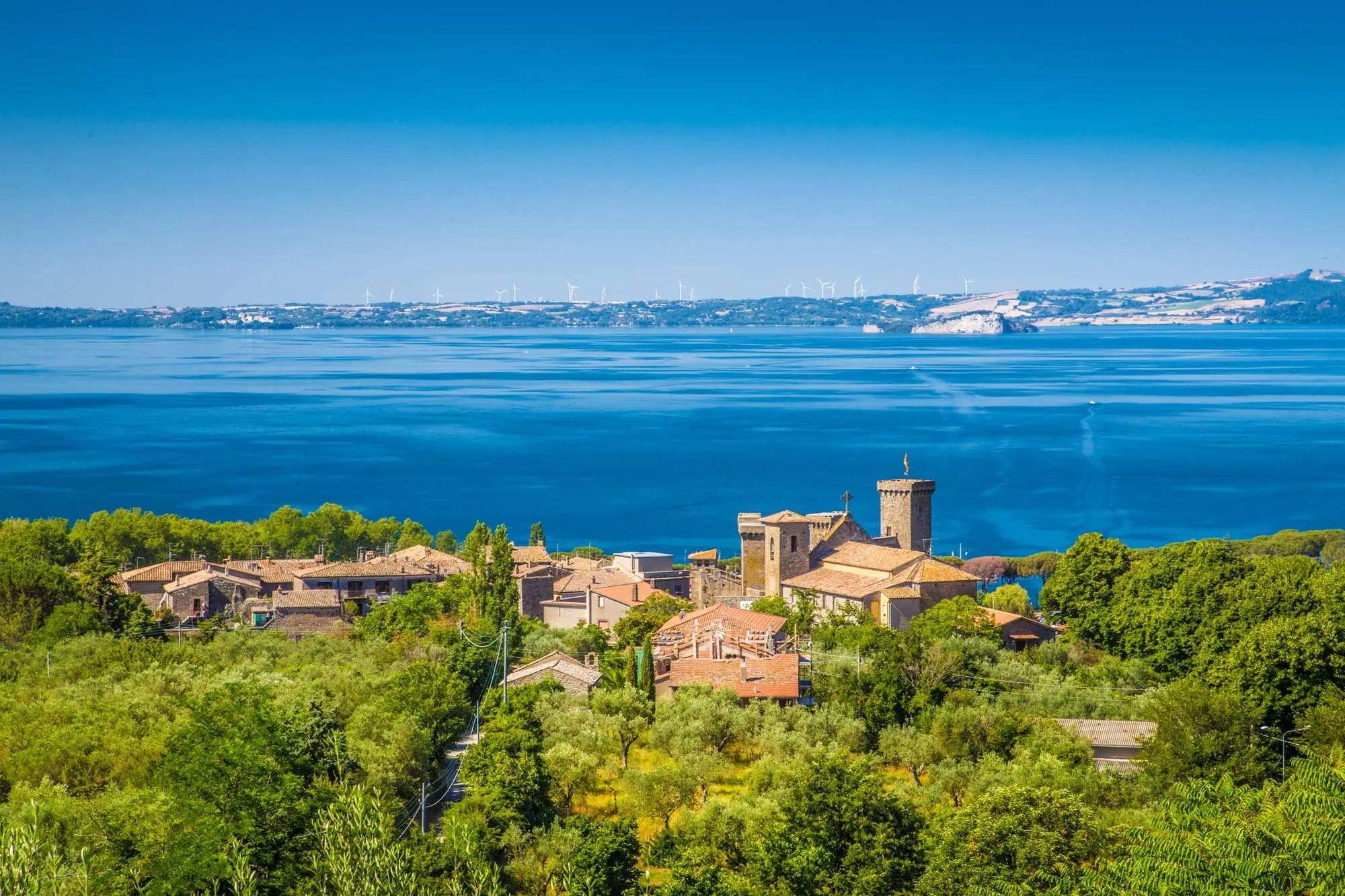
Lake Bolsena, Photo: pandionhiatus3 Depositphotos
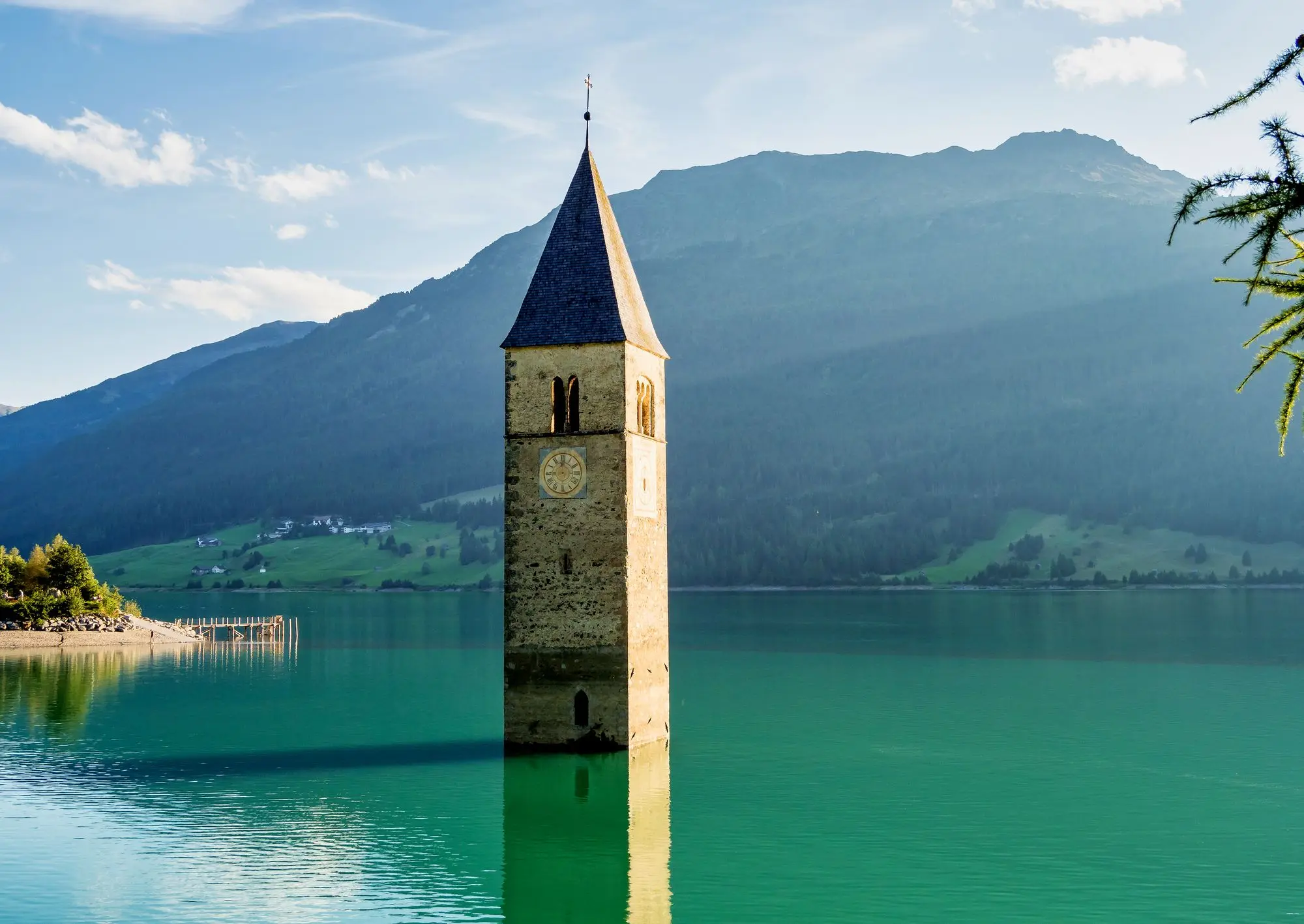
Although Italy has many lakes located at high altitudes, one of the most interesting is Lake Resia (Lago di Resia) in South Tyrol. Located at an altitude of about 1,498 meters above sea level, this lake is famous for its sunken bell tower that emerges from the water, creating a unique sight that makes it recognizable throughout the state.
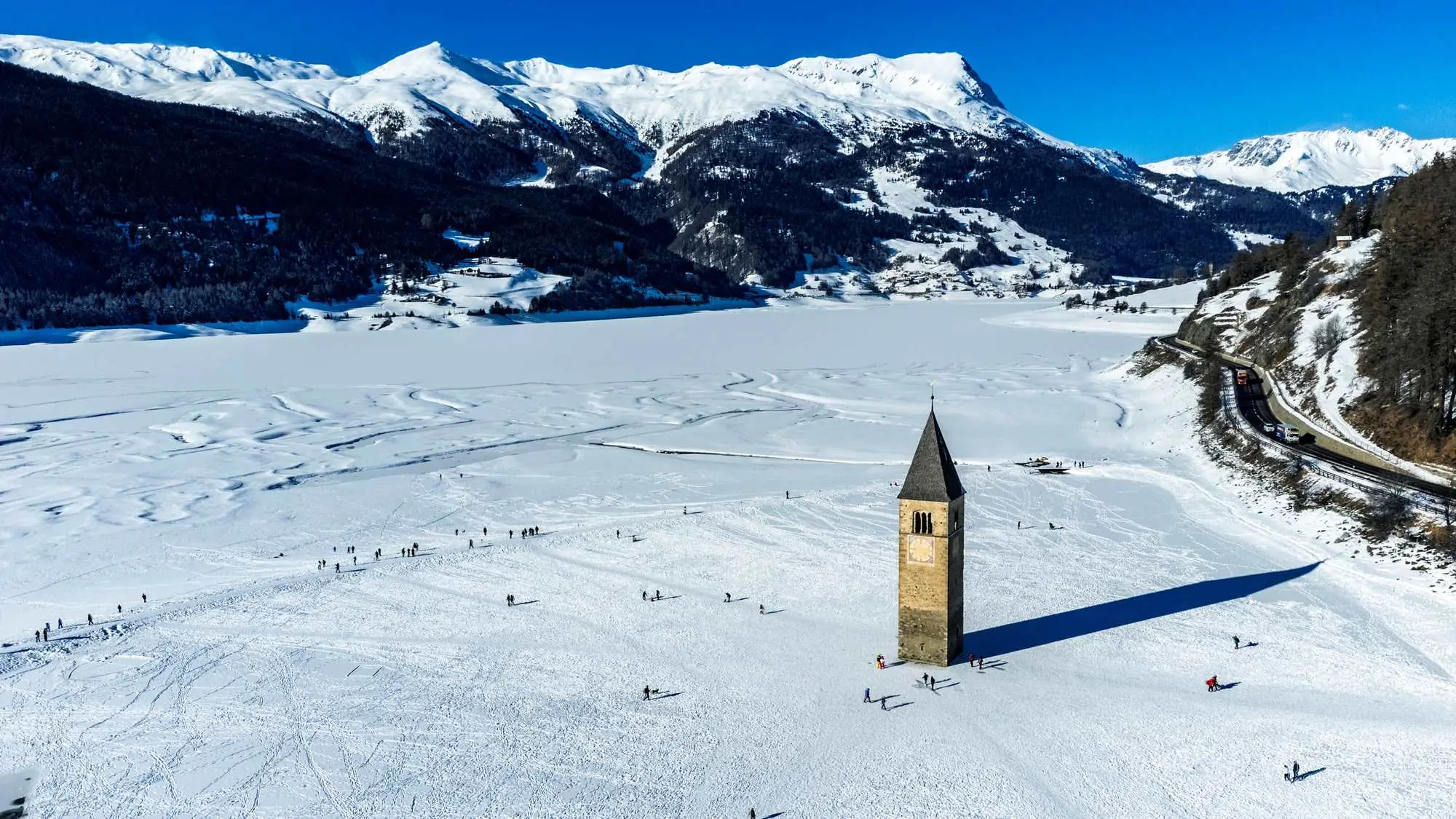
Lake Resia, Photo: directornico Depositphotos
Each of these lakes carries its unique history, beauty, and peculiarities, making Italy’s lakes an indispensable part of any exploration of the country’s natural and cultural treasures.

Sara Sedić
I plan to live in the moment :)


Leave a Reply