
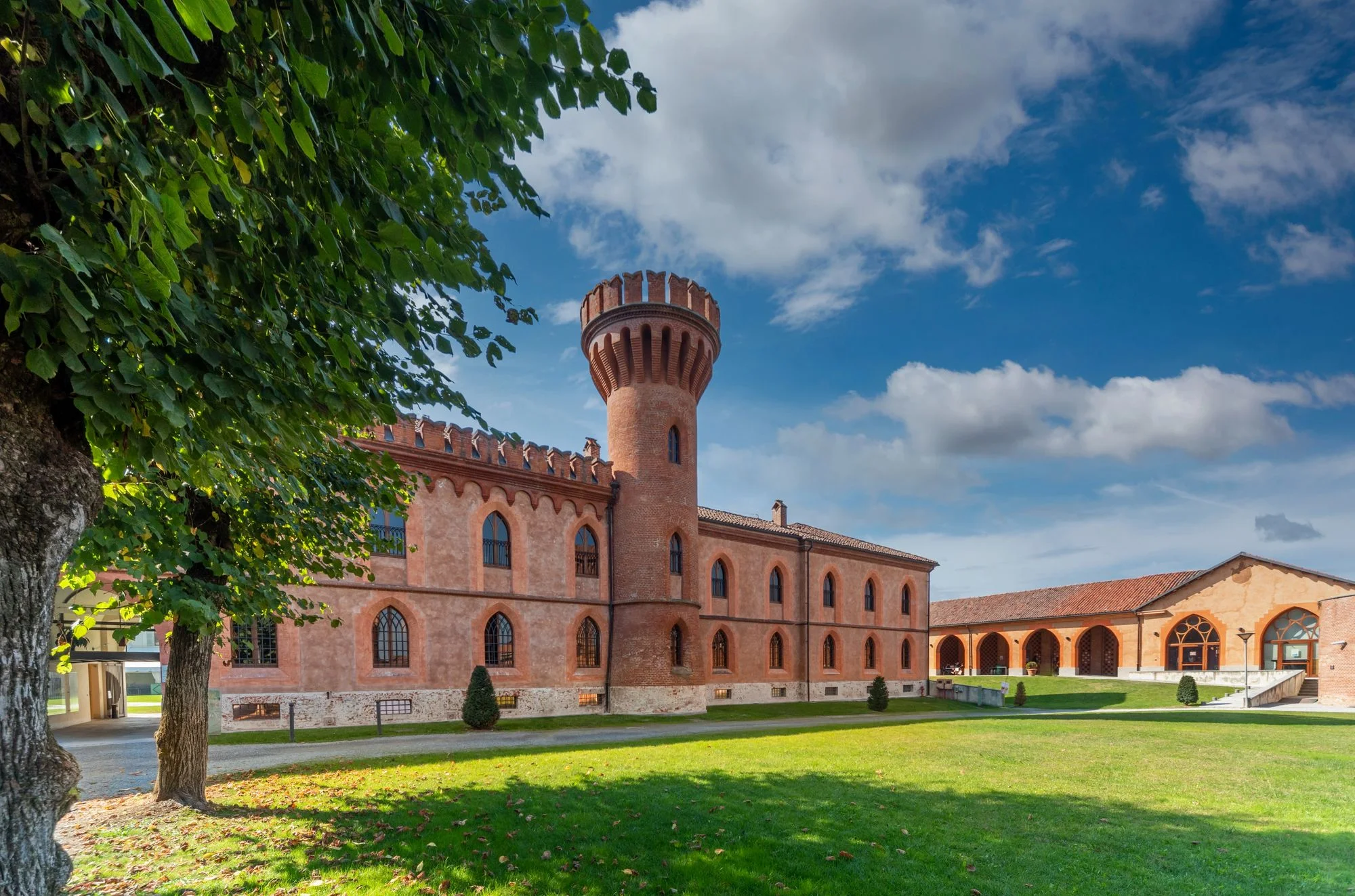
Pollenzo Castle: from Roman town to university of gastronomy
In the peaceful landscape of the Italian region of Piedmont, not far from the town of Bra, stands Pollenzo Castle. At first glance, it may seem like just another historic residence among the vineyards of Langhe, but its story is far more complex. Over the centuries, the site has seen Romans, feudal lords, and kings, and today the castle has become one of the most unusual university centres in Europe.
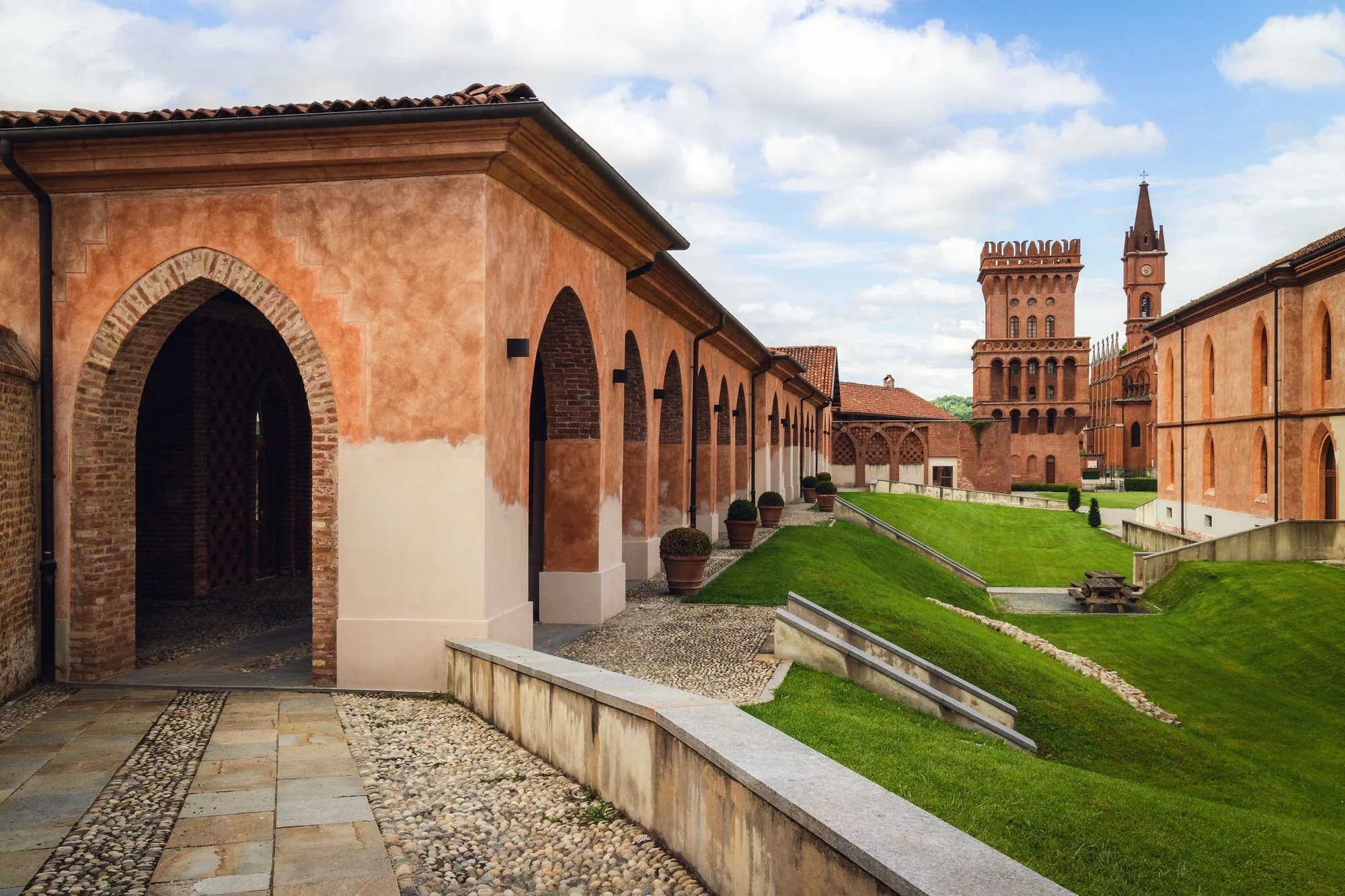
Pollenzo Castle Photo: cristianoaless Depositphotos
FROM A ROMAN TOWN TO A FEUDAL CASTLE
The place where Pollenzo stands today was inhabited already in antiquity. In the 2nd century BC, a Roman town called Pollentia existed here, an important stop along the road connecting Turin with the Ligurian coast. The town is also remembered for the great battle of 402, when Roman forces under the command of General Stilicho defeated the Visigoths led by Alaric.
After the fall of the Roman Empire, the settlement was repeatedly destroyed and rebuilt during the Middle Ages. In the 14th century, a local nobleman, Antonio Porro, commissioned the construction of a fortress that would later become Pollenzo Castle. It was originally a typical feudal stronghold, but it was soon transformed into a representative residence of the marquises of Romagnano, who ruled it during the late Middle Ages and the Renaissance.
A ROYAL PROJECT OF THE 19TH CENTURY
The greatest transformation in the history of the castle occurred in the 19th century. In 1832, the estate was purchased by Charles Albert, King of Sardinia, from the House of Savoy. His vision was to turn Pollenzo into a kind of royal agricultural estate and experimental centre for modern food and wine production.
During this period, the entire village was reshaped. New buildings were constructed, the administrative palace known as the Agenzia di Pollenzo was built, the Neo-Gothic Church of Saint Victor was erected, and parks and agricultural estates were arranged. The king wanted to create a “model farm” where advanced methods of growing grain, vines, and livestock would be developed. Pollenzo thus became not only a royal residence but also an important centre of agronomic experimentation in the Savoy state.
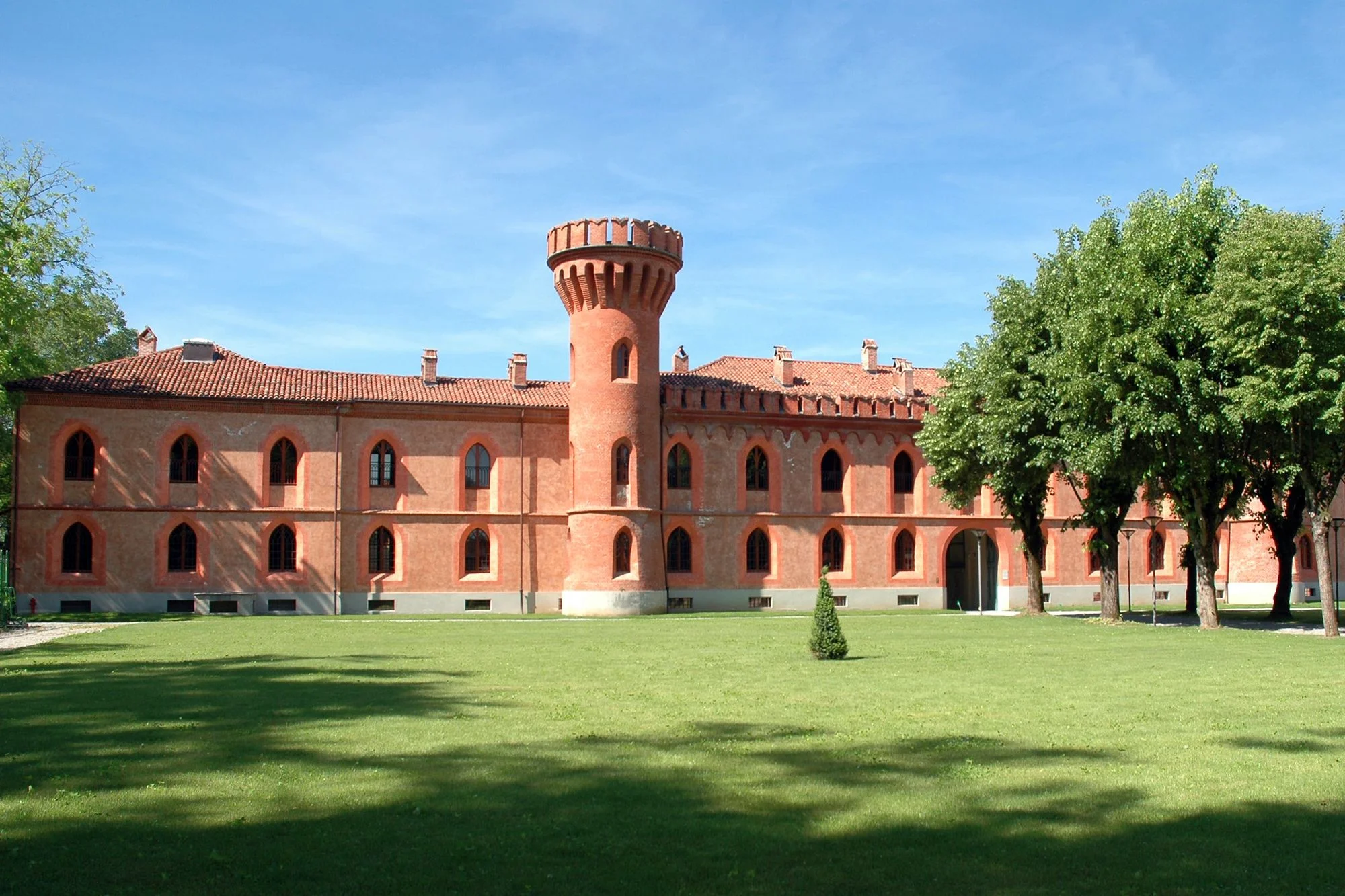
Pollenzo Castle Photo: LuigiB2302 Depositphotos
FROM NEGLECT TO A GREAT RESTORATION
After the fall of the monarchy and the turbulent twentieth century, the complex remained neglected for a long time. A major restoration began only at the end of the twentieth century. Around the year 2000, the Slow Food organisation launched a project to revitalise the entire complex with the support of regional authorities and private investors.
The result was impressive. Historic buildings were restored and given new purposes, and Pollenzo Castle once again became a place of international attention.
WHAT IS IN THE CASTLE TODAY
Today, the Pollenzo complex is much more than an ordinary castle. The buildings host the University of Gastronomic Sciences, founded in 2004 at the initiative of the Slow Food movement. It is the first university in the world entirely dedicated to the study of food, agriculture, and sustainable gastronomy. Students from all over the world come here to learn about food production, the cultural history of gastronomy, and sustainable food systems.
Within the complex, there is also the Banca del Vino, a unique institution that preserves and archives thousands of bottles of Italian wine to safeguard the country’s wine heritage. In addition, the site includes the Albergo dell’Agenzia hotel, a restaurant, educational laboratories, and spaces for tastings and events.
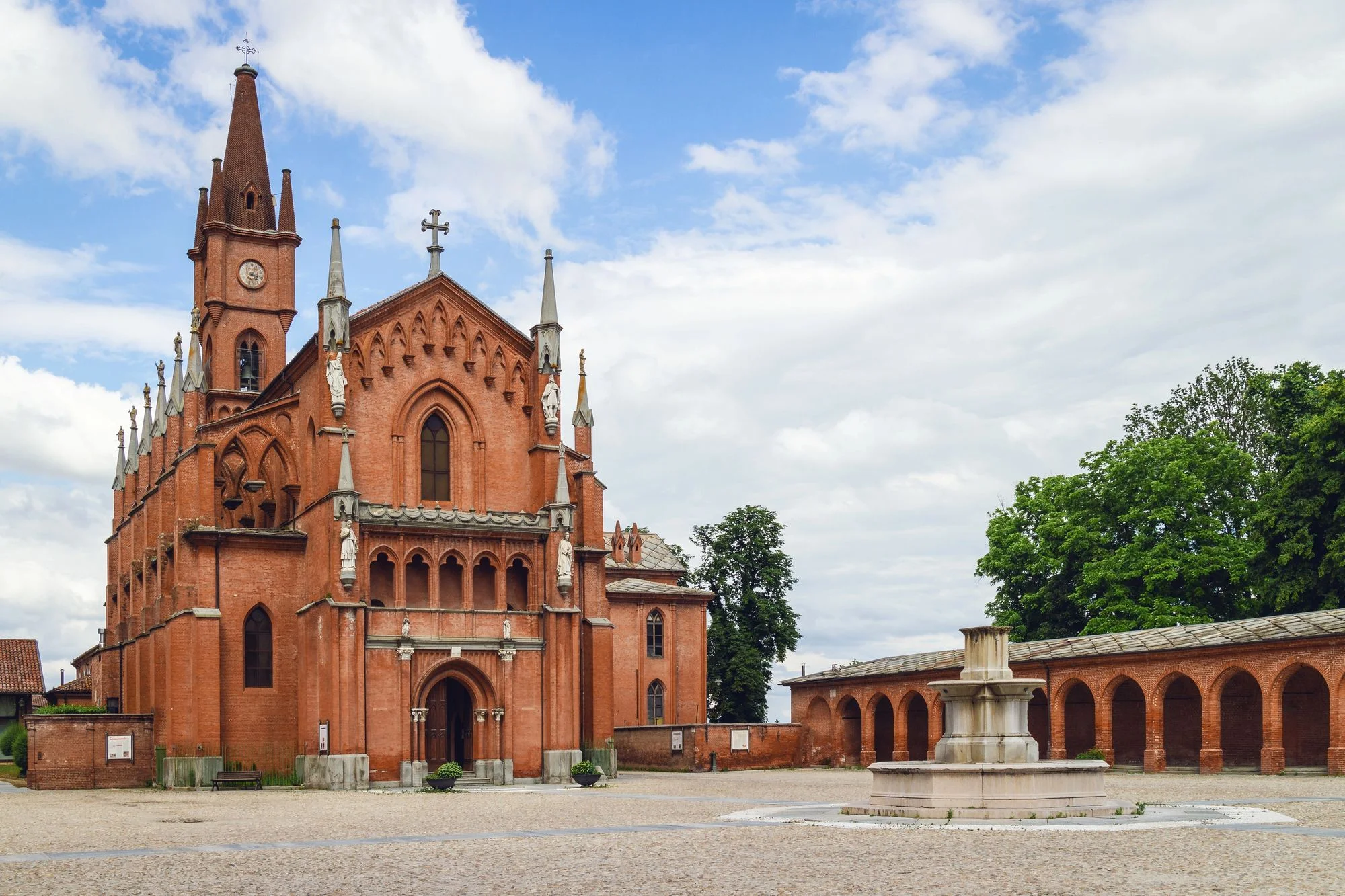
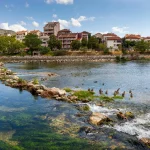
Pollenzo Photo: cristianoaless Depositphotos
The castle itself is not always open for traditional tourist visits, but the complex can be explored by walking through the historic village and its parks. Particularly interesting are the old wine cellars, which today form part of the Banca del Vino and can occasionally be visited. The entire area is also included on the UNESCO World Heritage List as part of the system of the Savoy royal residences in Piedmont, further confirming its historical and cultural importance.
Pollenzo is a fascinating example of how a historic residence can gain a completely new role. From a Roman town to a feudal fortress and a royal agricultural estate, and finally to an international centre of gastronomy. Today, instead of soldiers and nobles, its courtyards are filled with students, winemakers, and food researchers from all over the world.

Sara Sedić
I plan to live in the moment :)

Leave a Reply