
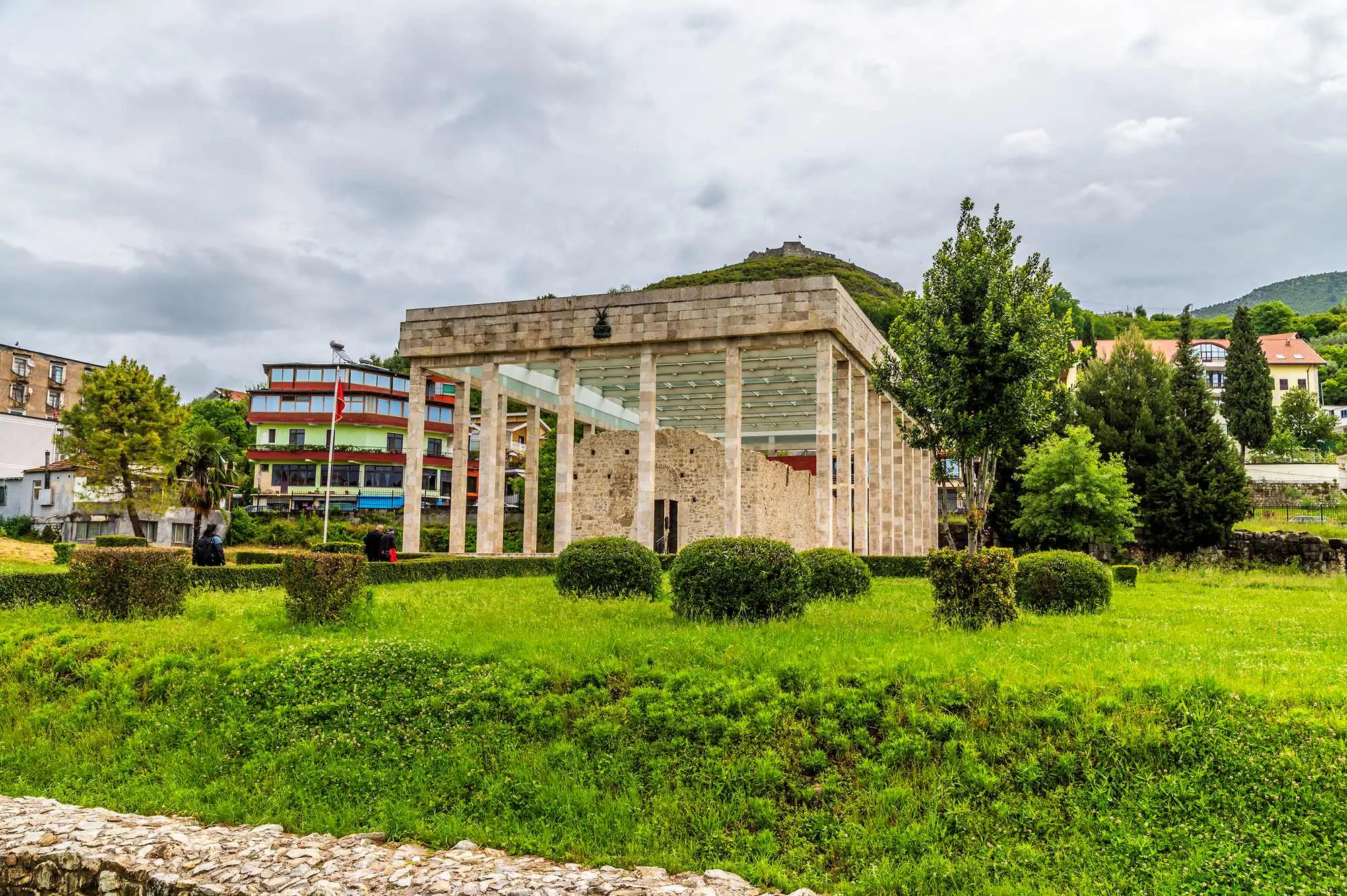
How did a church become a mosque and then a national monument?
In the heart of the city of Lezha, on a hill overlooking the Drin valley, stands a structure that carries more layers of history than almost any other monument in Albania. The National Memorial of Skanderbeg is not merely the tomb of a great military leader, but a place where the thousand-year struggle to preserve its identity through changes of faith, empires, and ideologies can be seen in stone.
In the Middle Ages, the Church of Saint Nicholas stood on this very spot. It was built by the Venetians, who at that time ruled Lezha, as a Catholic church dedicated to the patron saint of sailors and merchants. It served as the spiritual and social center of the town, a place of gathering and prayer, and its massive stone walls testified to the prosperity of that period. It was inside this church, in 1468, that a council of Albanian nobles gathered after the death of Gjergj Kastrioti Skanderbeg, the hero who had resisted the Ottoman Empire for nearly three decades. His body was laid to rest inside the church, and people from across the land came to pay tribute to their leader.
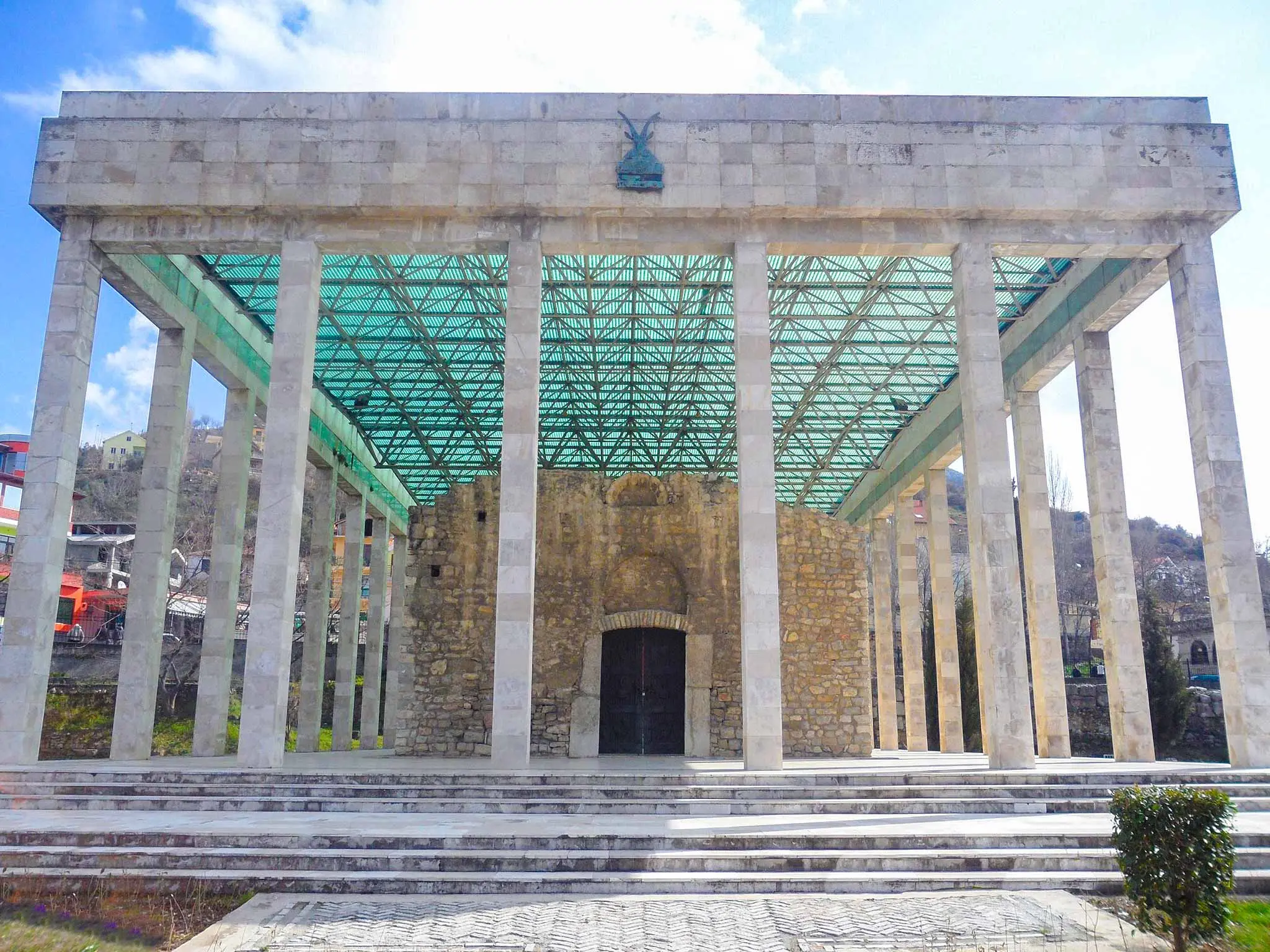
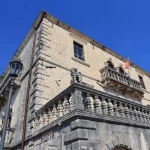
Skanderbeg Memorial Center Photo: Xhevahir Bushpepa, CC BY-SA 3.0
With the arrival of the Ottomans, the church was converted into a mosque known as Selimiye. A minaret was added, and the interior was adapted to Islamic worship, yet the original stone walls remained intact, silent witnesses to a change of faith but not of spirit. Legend has it that the Ottomans later opened Skanderbeg’s tomb and took his bones, believing they possessed magical powers that could bring victory in battle. Thus, the physical remains of the great hero disappeared, but his spirit endured in the hearts of his people.
Centuries later, under the communist regime of Enver Hoxha, the site underwent another transformation, this time in the name of an ideology that declared war on religion. During the 1960s, when Albania became the first officially atheist state in the world, many churches and mosques were destroyed or turned into warehouses and museums. The Church of Saint Nicholas, also known as the Selimiye Mosque, was partially demolished. The minaret was torn down, the sacred space stripped bare, and what was left of the old walls was left to decay.
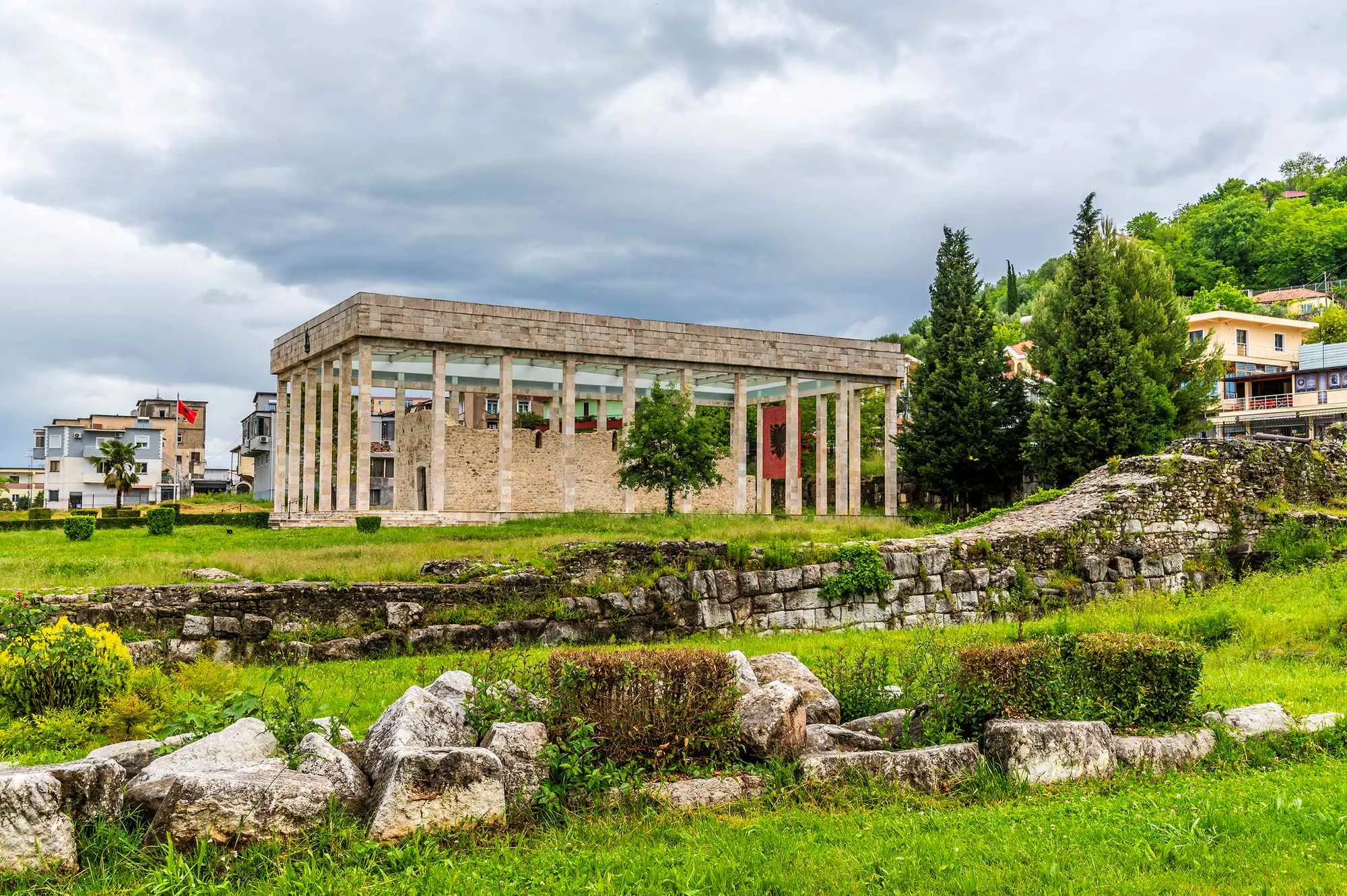
Skanderbeg Memorial Center Photo: nikkiapul Depositphotos
Yet history did not end in ruin. In the early 1980s, despite its atheistic stance, the government decided to rebuild the site as a national symbol of unity and resistance. In 1981, on the foundations of the former church and mosque, the National Memorial of Skanderbeg was inaugurated, serving both as a mausoleum and a museum. At its center lies a symbolic sarcophagus, since the hero’s actual remains were never recovered. The walls are adorned with mosaics and bronze reliefs depicting scenes from his battles, alliances, and victories, while light filtering through high openings creates an atmosphere of solemnity and reverence.
Today, visitors can clearly trace the passage of time in its stones. Medieval church masonry, remnants of Islamic architecture, and modern socialist restoration elements all coexist, forming a unique space where three eras and three spiritual worlds converge. Nowhere else is the layered history of Albania so vividly visible, where Catholic, Islamic, and national heritage meet in harmony.
The National Memorial of Skanderbeg in Lezha today stands as a place of silence and pride. Beneath the vault that once served as a church, later a mosque, and now a monument, all sides of Albanian history come together. If your journey takes you to this city, be sure to explore it, and you can learn more about it here.
What to see in the city of Lezha? A guide to the center of Illyrian Kingdom

Zoran Kovačić
I do miracles right away, but the impossible still takes me a little time!
Leave a Reply