
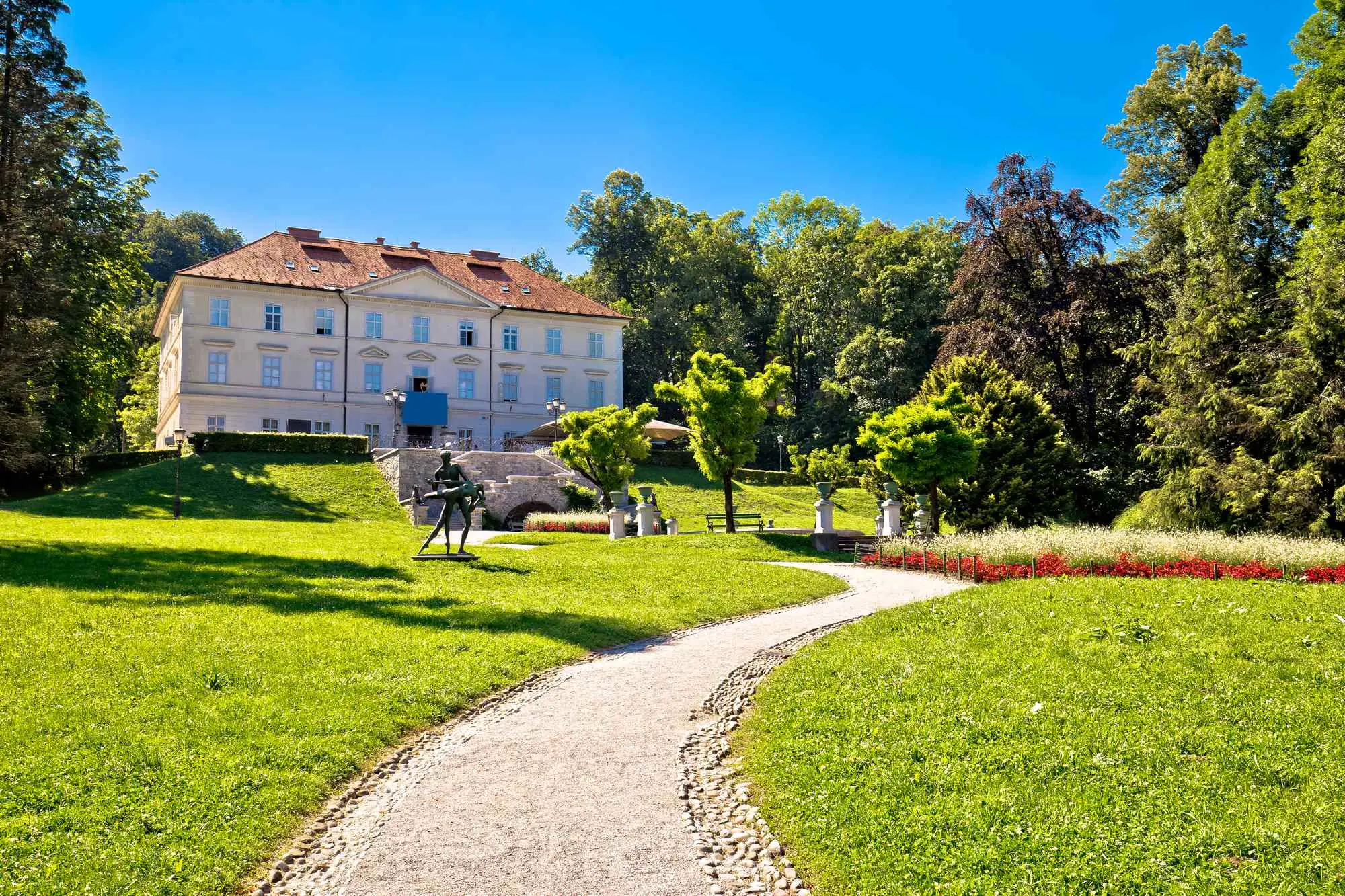
Tivoli Park and Castle: from a noble estate to a symbol of urban and cultural Ljubljana
In the urban fabric of Ljubljana, where the past is not erased but built upon, Tivoli Park and Castle represent one of the oldest and most significant historical and urban chapters of the Slovenian capital. Their history does not begin with their current function as representative green space and cultural venue, but rather in the time when this capital was merely a modest outpost within the Habsburg Monarchy, and the area of today’s Tivoli a wooded fringe divided among several noble estates.
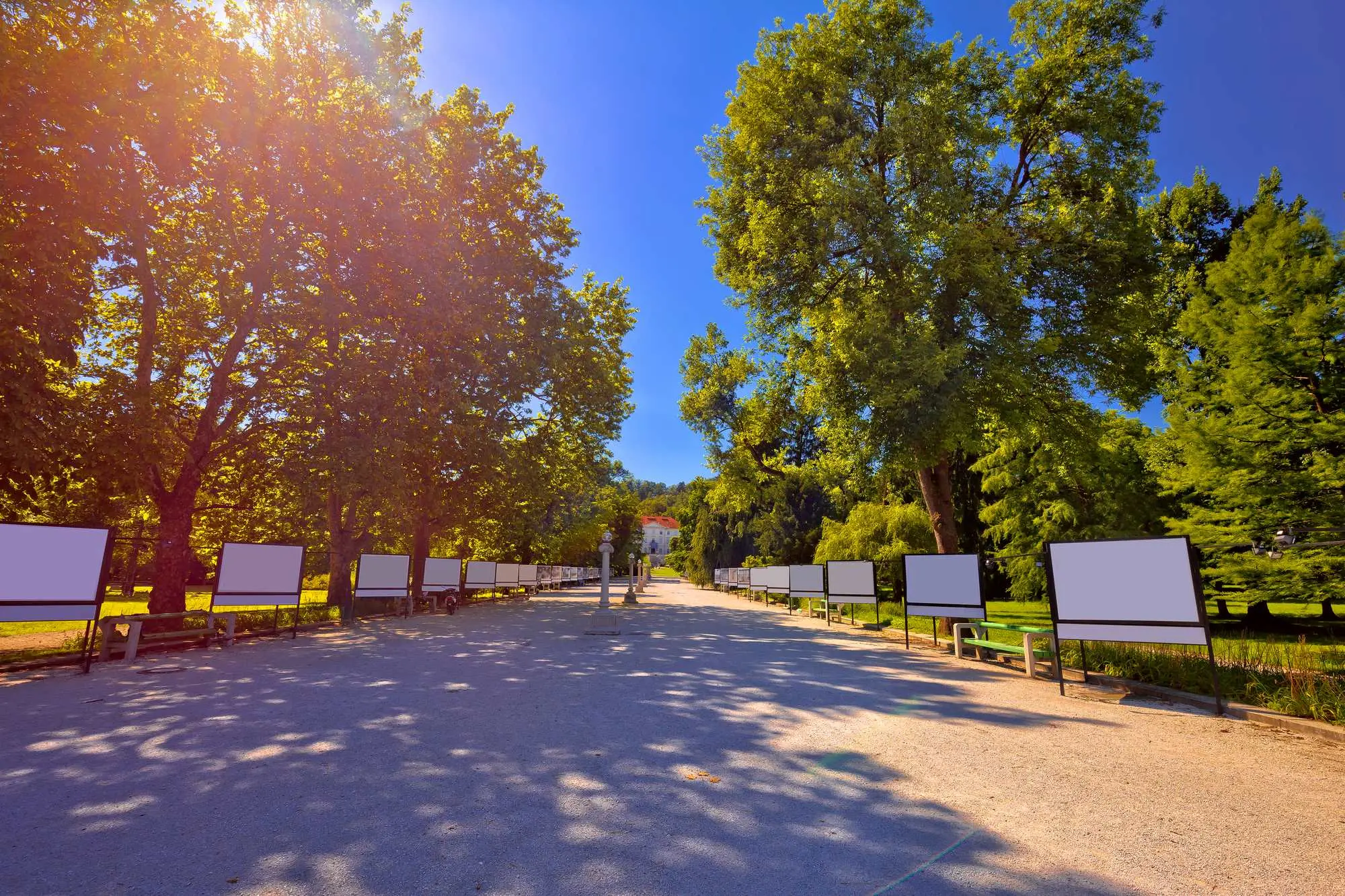
Tivoli park, Photo: xbrchx Depositphotos
On the site of the present-day castle, as early as the 17th century, there were already farm buildings and older manor houses, among which the estate of Bishop Tomaž Hren stood out, one of the key figures of the Counter-Reformation in Carniola. The present Tivoli Castle was built in the first half of the 18th century, and its late Baroque façade, which was later renovated with added Classicist elements, reflects the changing architectural tastes and political circumstances of the time. The castle changed owners multiple times, including the Jesuits, the military, and the Austrian administration, which makes it a building of multifaceted function and rich historical layers.
The name Tivoli was adopted from Italy, specifically from a place near Rome known for the lavish villas of Roman aristocracy. This naming was not accidental. In the 19th century, when the modern Tivoli we know today began to take shape, Europe was deeply immersed in the spirit of historicism, and Ljubljana’s urban elite sought to create a space that would symbolically belong to the European cultural sphere.
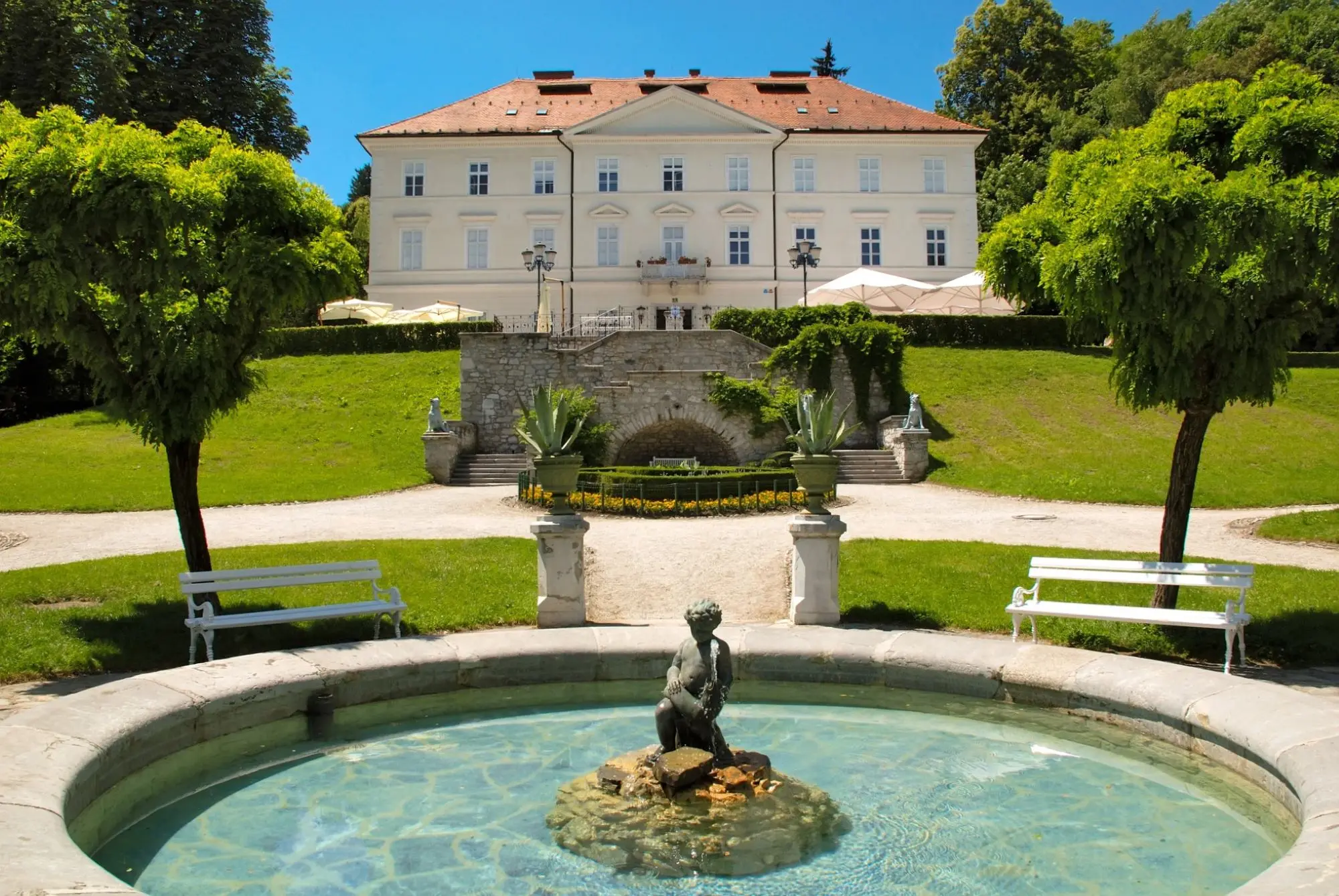
Tivoli Castle, Photo: pablodebat Depositphotos
A key moment in the development of the park came in 1813, when French engineer and urban planner Jean Blanchard, during the brief period of the Illyrian Provinces under Napoleonic rule, drew up the first plan for the systematic arrangement of the area. The park was envisioned in the style of French formal gardens, with orderly walkways, symmetrical plantings, and spatial focal points guiding the view toward the castle. This plan was not fully realized, but it had a lasting influence on the later development of the area.
In the second half of the 19th century, Tivoli became Ljubljana’s most important public park. It was further expanded and enriched with new features, including promenades, pavilions, and buildings for public use. This period, characterized by civic affirmation and increasing autonomy within the Monarchy, saw the park become a gathering place, a site for leisure, and a symbol of the city’s emerging urban identity.
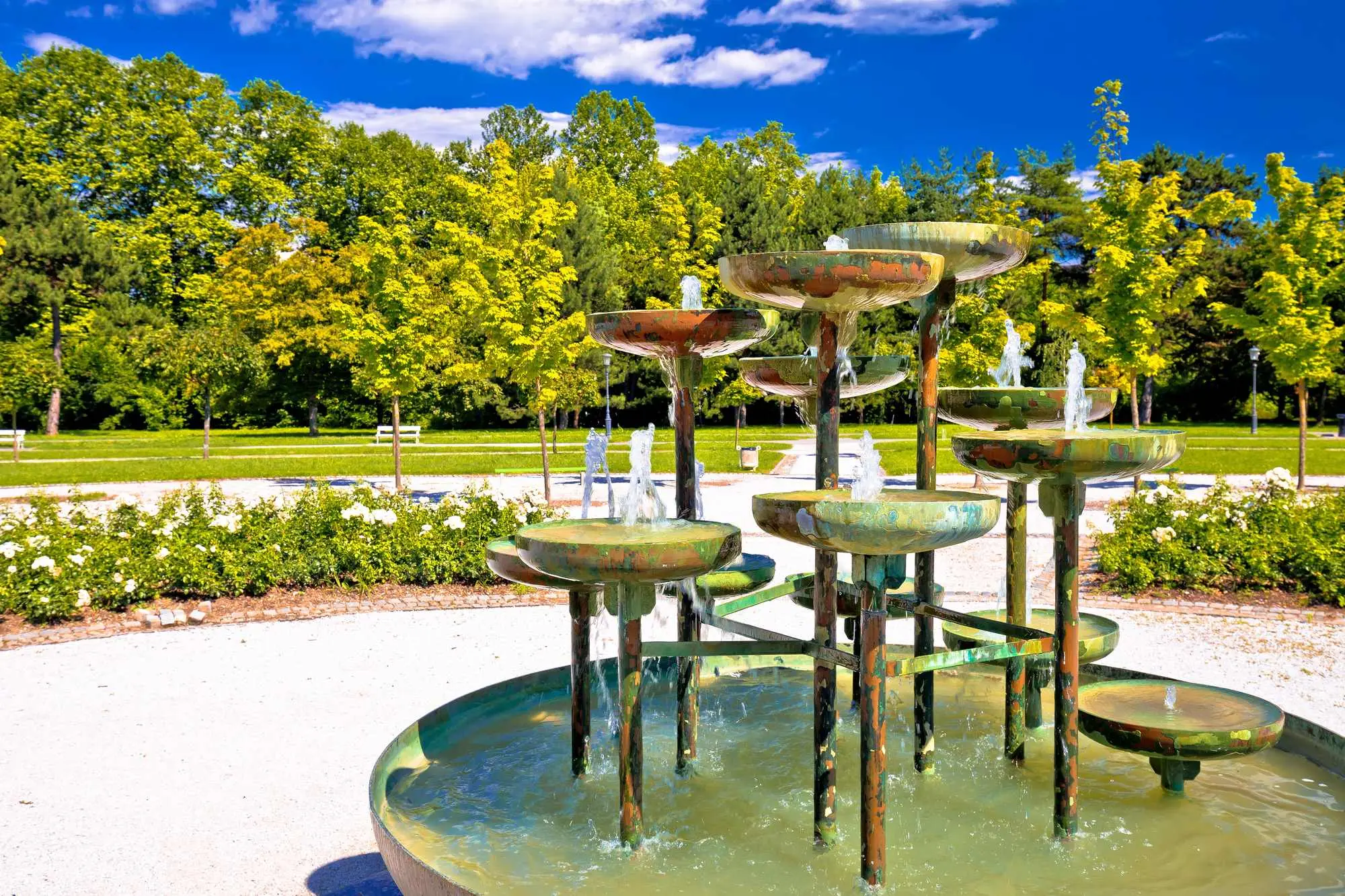
Tivoli park, Photo: xbrchx Depositphotos
Yet the true transformation came in the 20th century through the work of Jože Plečnik. His approach to the park was not only aesthetic but also ideological. With his project of Jakopič Promenade, leading from the city center to the castle, Plečnik created a spatial and symbolic axis that connected the urban with the cultural. This promenade, with its staircase, tree-lined avenues, and exhibition space, represented a new interpretation of the classical park, turning it into a daily urban forum.
Tivoli Castle is today home to the International Centre of Graphic Arts. Its current role is no longer political but cultural, though its historical significance remains preserved. The very fact that the castle was not turned into a museum of the past, but instead opened to contemporary art, speaks to the lasting vitality of the space and the cultural policy of Ljubljana.
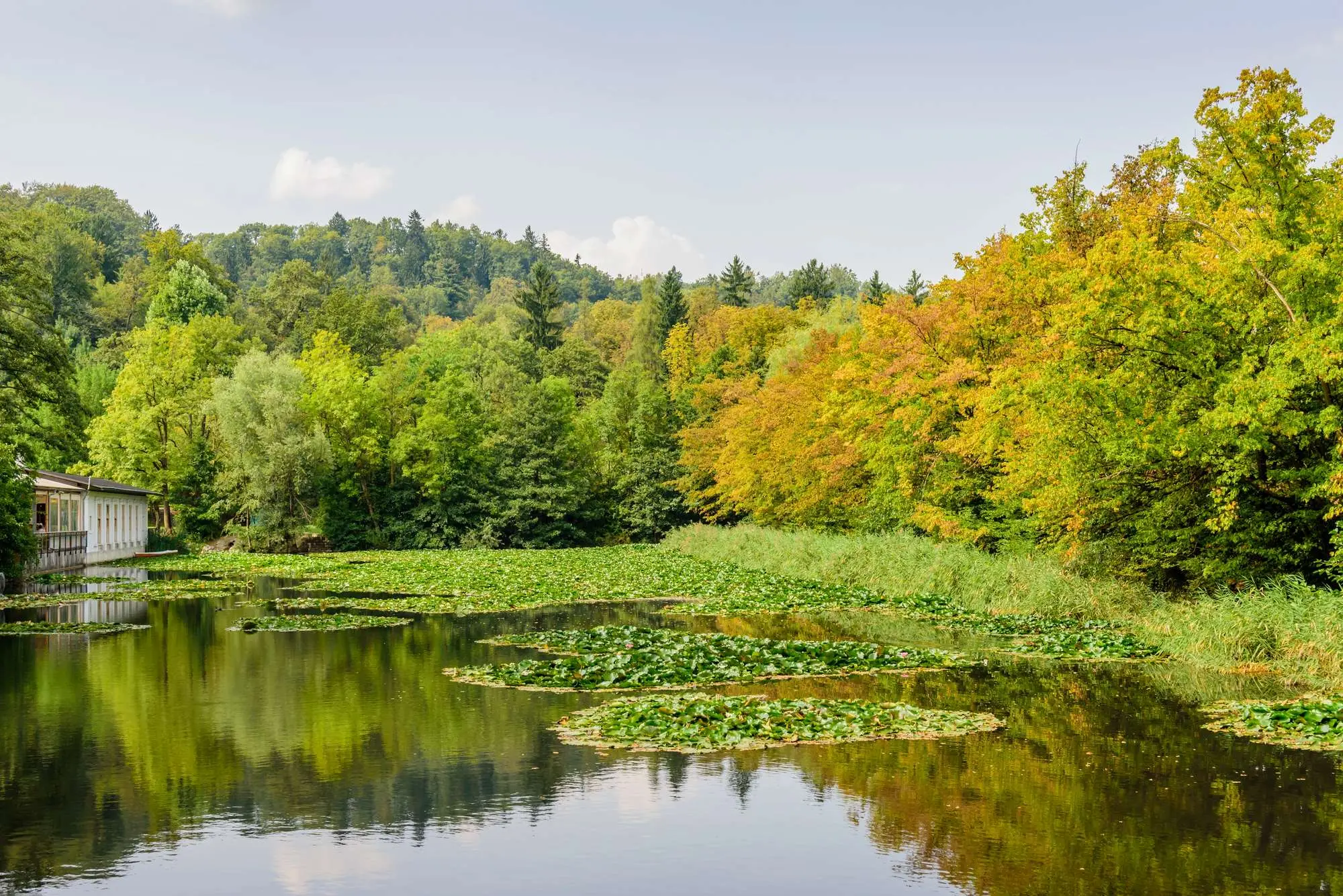
Tivoli park, Photo: RAndrey Depositphotos
Over more than three centuries, Tivoli has undergone a transformation from periphery to center, from private estate to public asset, and from residential building to contemporary cultural venue. Its history encompasses political symbolism, urban development, regime changes, and aesthetic concepts. For this reason, it is not merely a city park and a historical building, but a space that continues to shape the identity of Ljubljana actively. Autumn is definitely the right time to explore it!
Why visit Slovenia in autumn? Discover five magical locations worth exploring at this time of year!

Sara Sedić
I plan to live in the moment :)
Leave a Reply