
Why was San Giusto Castle crucial for Trieste?
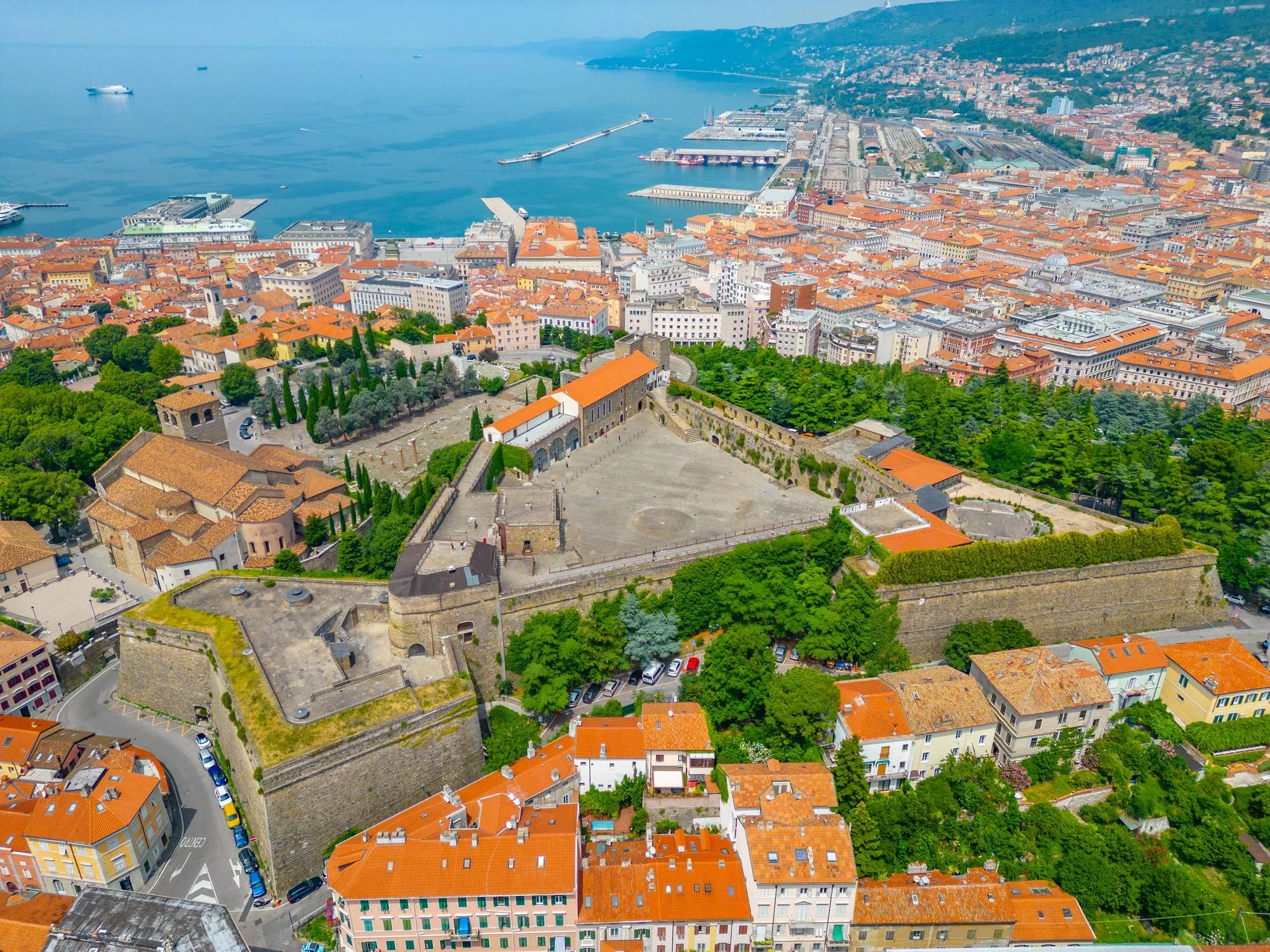
In Trieste, a city known for its great port and a blend of cultures and history shaped for centuries between the sea and the mainland, the San Giusto hill rises above the old town. From it, almost the entire city, the port, and the bay are visible, and this position has determined the fate of the city since the earliest times. At the top stands San Giusto Castle, a fortress that emerged as a direct result of the city’s need to protect itself and control the space in which it developed.
San Giusto Castle Photo: Dudlajzov Depositphotos
The construction of San Giusto Castle began in the fifteenth century, after Trieste came under Habsburg rule in 1382. The new rulers sought to strengthen their control over the city and its port, and San Giusto proved to be a natural point from which this could be achieved. The castle was built gradually, expanded over several decades, on the foundations of earlier Roman and medieval fortifications that already existed on the site.
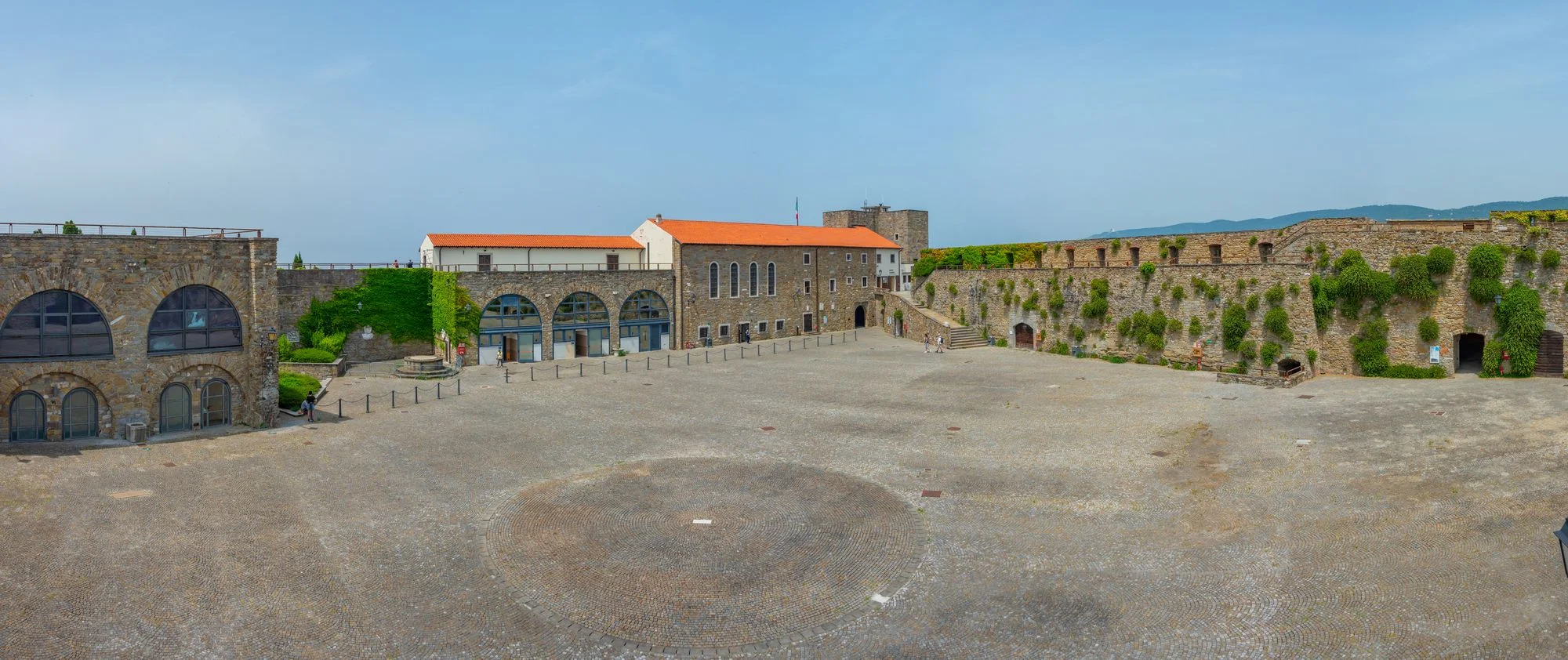
In its early phases, the castle was conceived exclusively as a military structure. Its architecture was subordinated to defensive function rather than comfort or representation. Thick walls, bastions, and a closed internal layout clearly indicate that its primary purpose was the protection of the city, the surveillance of access routes, and control of the port. San Giusto was not a residence of the local elite, but an instrument of authority and security in a period when Trieste was exposed to constant political and military pressure.
San Giusto Castle Photo: Dudlajzov Depositphotos
During the sixteenth and seventeenth centuries, the castle was further expanded and adapted to the development of military technology. Changes in warfare, particularly the spread of artillery, required stronger and more complex fortifications. Most of the structures that today define the recognizable form of the castle date from this period. Although San Giusto was never the site of a major historical siege, its role in deterrence and control was essential for the stability of the city.
As Trieste developed over the following centuries into one of the most important commercial and maritime centers of the Habsburg Monarchy, the military importance of the castle gradually declined. The city expanded toward the coast, urban life moved lower, and San Giusto lost its direct defensive function. Nevertheless, the castle remained a lasting reminder of a period when the security of the city depended on surveillance and the fortification of space.
San Giusto Castle Photo: Dudlajzov Depositphotos
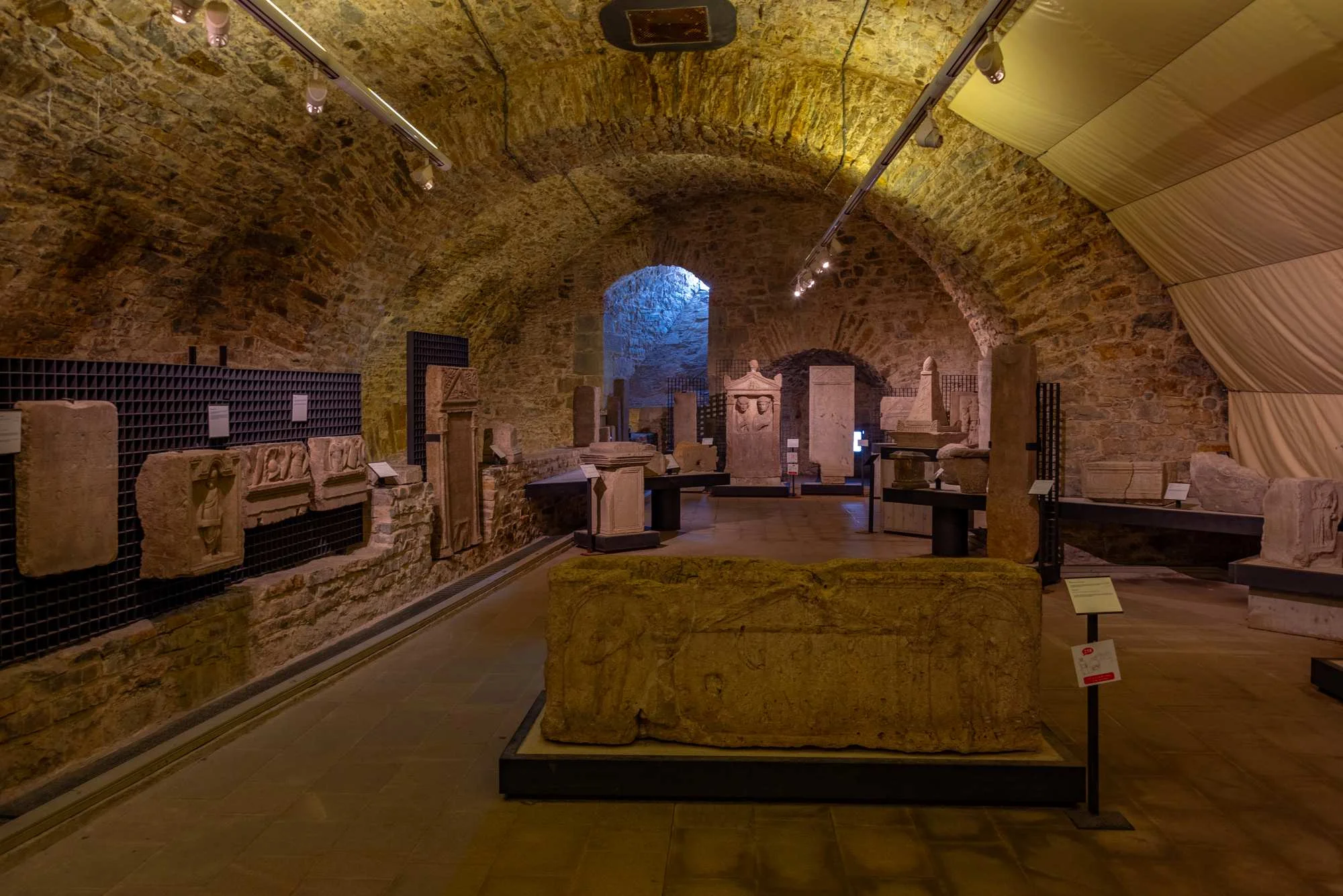
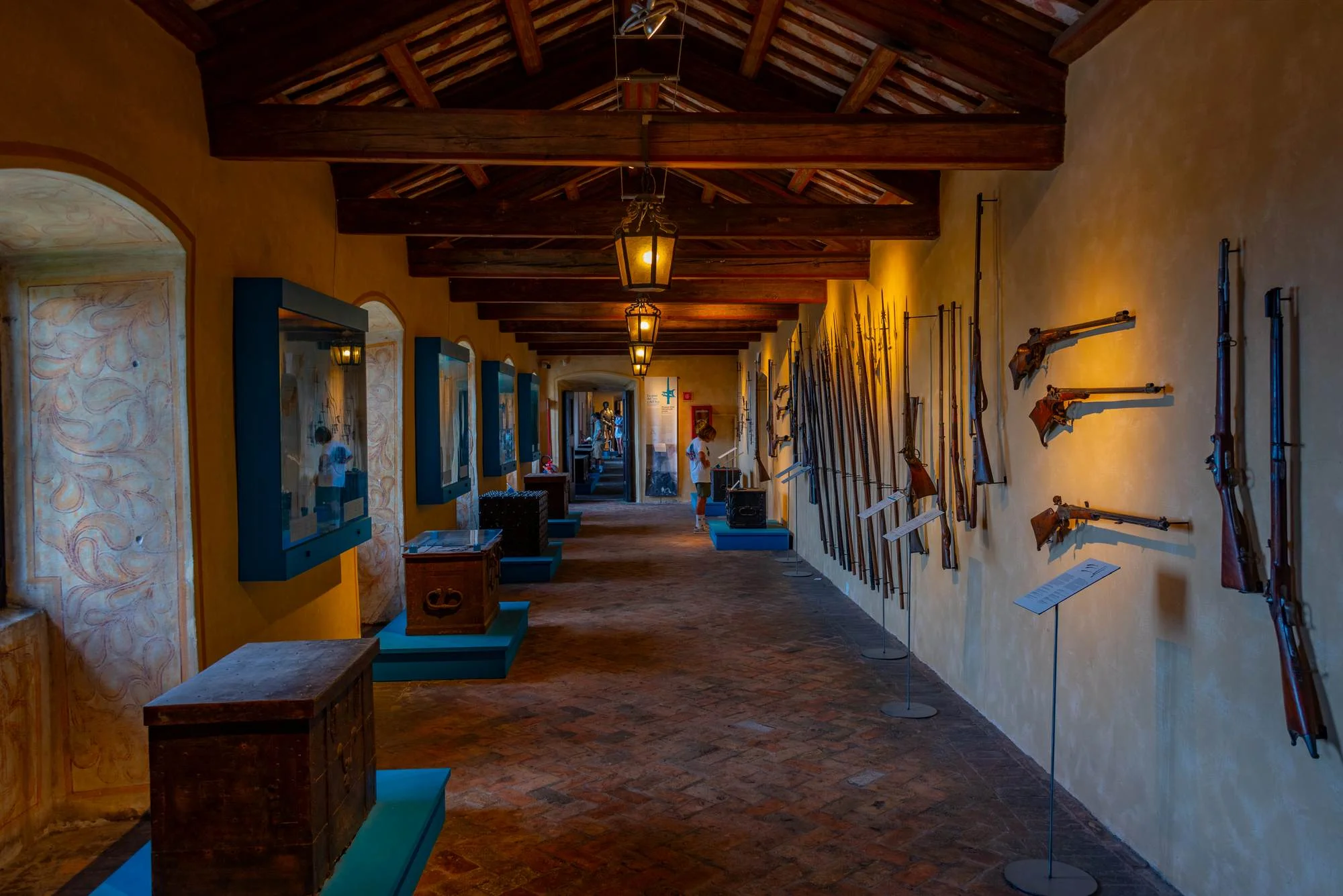
In the twentieth century, the castle ceased to be a military facility and was opened to the public. It became a museum and cultural activity, and its role shifted from military to historical. In this way, San Giusto entered a new phase of its existence, no longer as a means of control but as a place for understanding the past of city.
Today, San Giusto Castle is one of the most important historical landmarks in Trieste. Its position and structure provide a clear insight into the way the city developed, defended itself, and adapted to change over the centuries.

Ahmed Taha
Peace, love and music! ☮️

Leave a Reply