
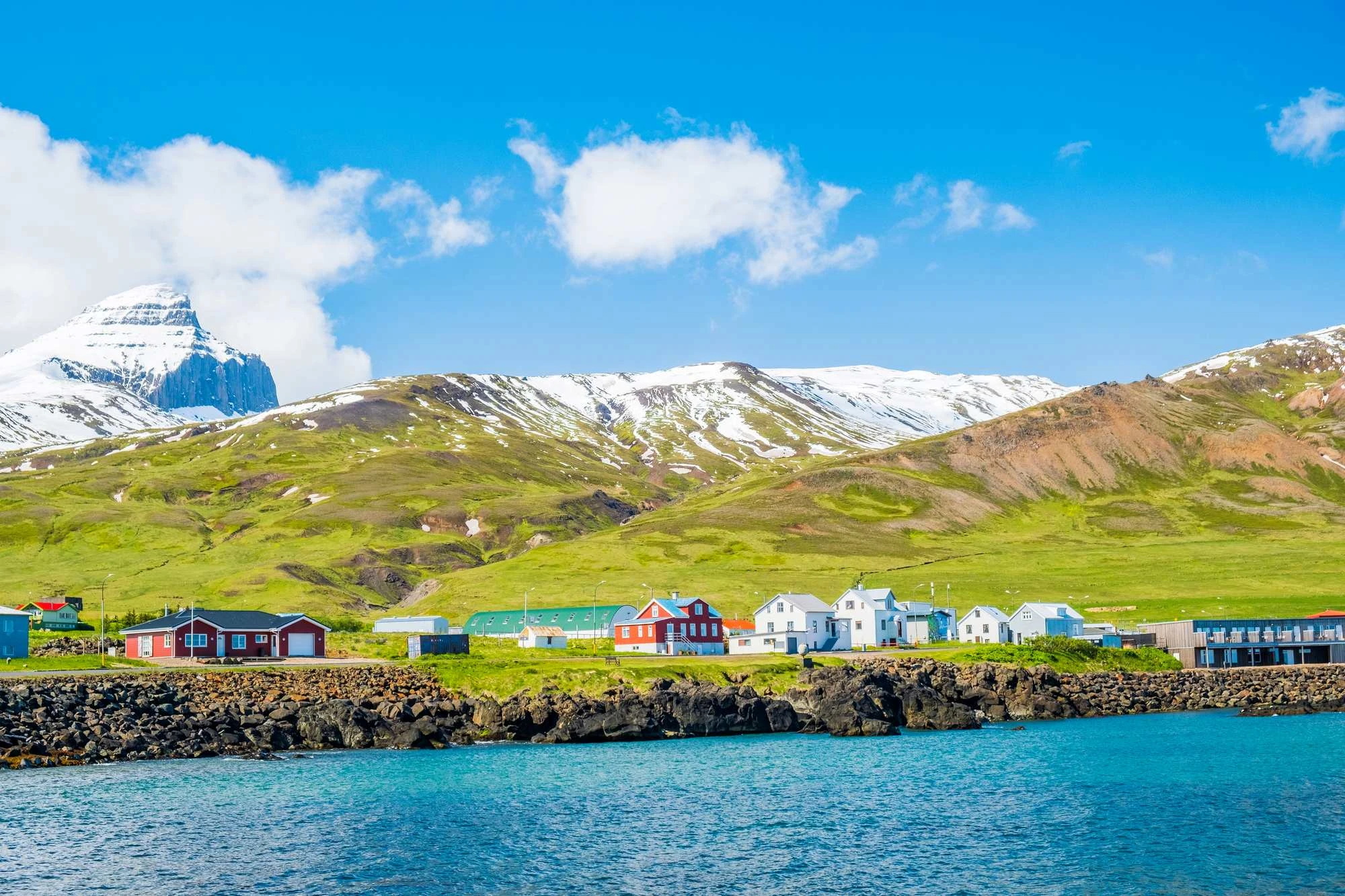
10 interesting facts about Iceland that will surprise you
Its name suggests ice, yet reality is often different. Iceland is a country where heat is drawn from the ground, the parliament has existed longer than in most of Europe, and a small, closely connected population sometimes means checking family ties. Here are ten facts that reveal why Iceland rarely matches the image we have of it.
1. The name Iceland is misleading
Despite a name that points to snow and ice, large parts of Iceland are green in summer. The name dates back to the Viking age and, according to tradition, was given by an explorer who wanted to discourage others from settling there. Ironically, neighboring Greenland is today far more ice-covered.
2. The island was settled by Vikings in search of freedom
The first permanent settlers arrived in the 9th century, mostly from Norway. Many were fleeing taxes and centralized authority, looking for a place where they could live by their own rules. That spirit of independence is still strongly present in Icelandic culture today.
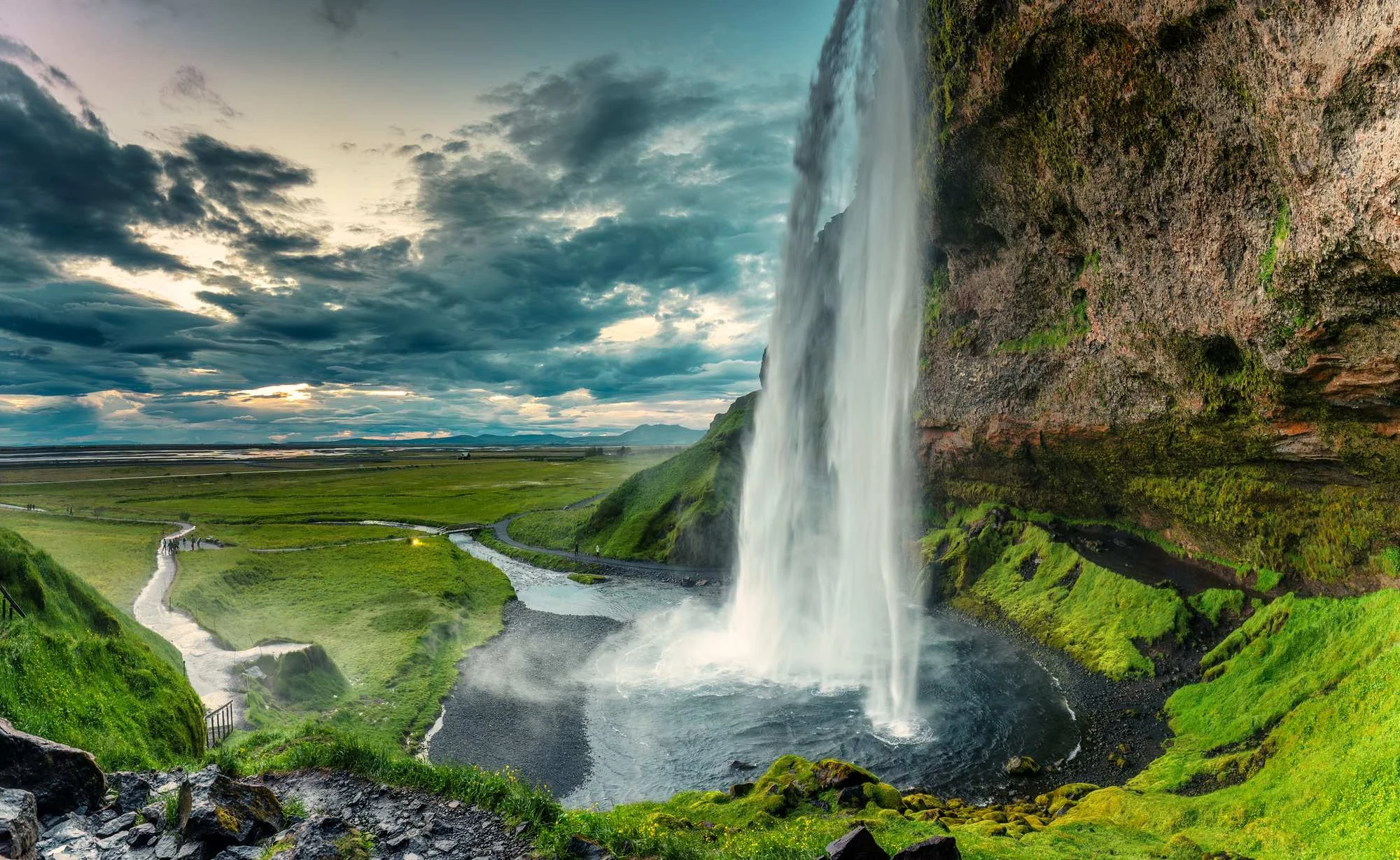
Seljalandosfoss waterfall Photo: Mumemories Depositphotos
3. Iceland has one of the oldest parliaments in the world
The Althing was founded in 930 and is considered one of the oldest active parliaments. In its early days, it met outdoors, where laws were passed and disputes resolved. Political tradition here has lasted longer than in most European countries.
4. Volcanoes constantly reshape the landscape
Iceland lies on the boundary between two tectonic plates, which means frequent volcanic activity. Over centuries, eruptions have created lava fields, mountains, and entirely new landforms. Nature here is not static but constantly changing.
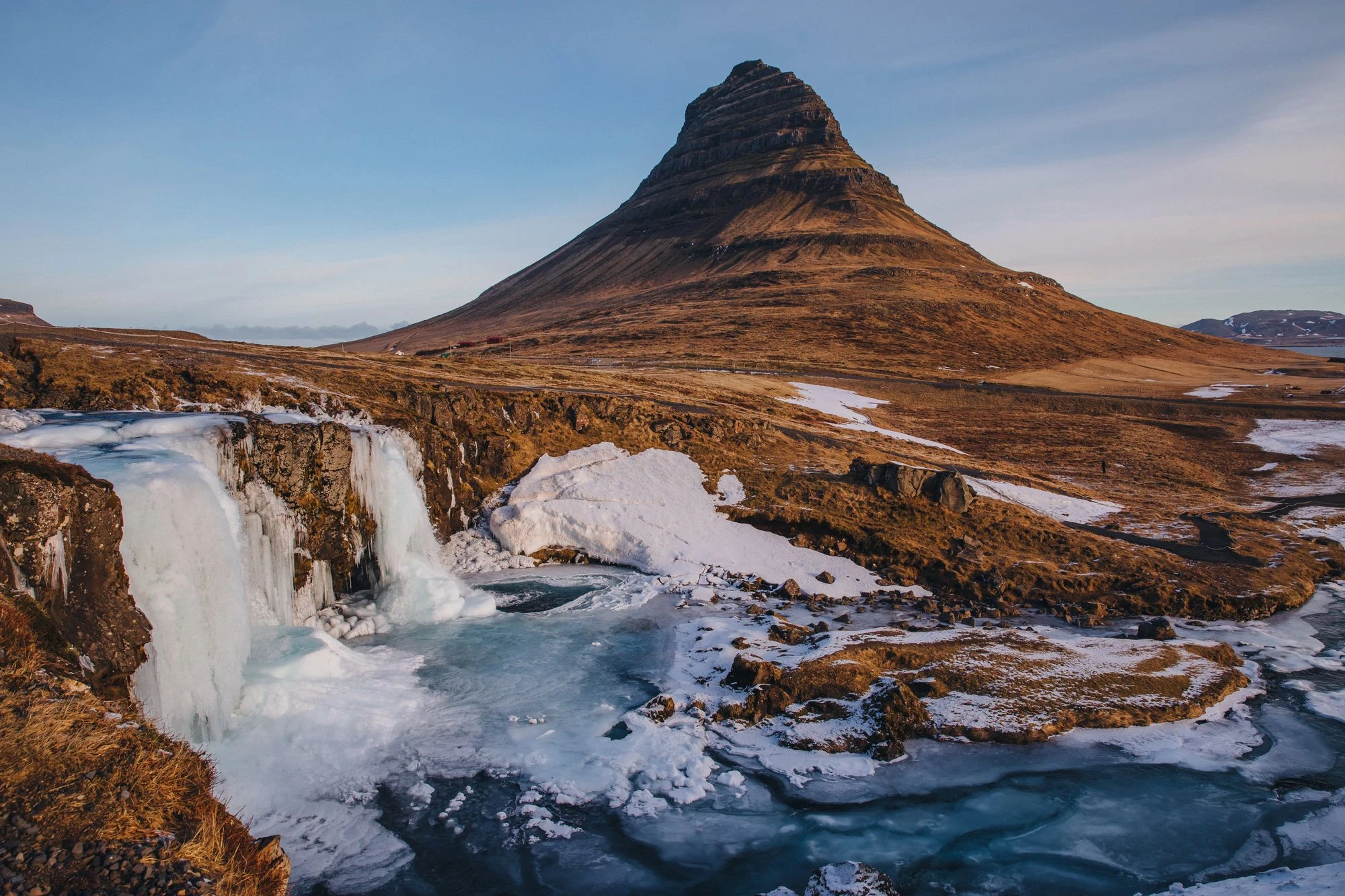
Hill Kirkjufell Photo: AlexGukBO Depositphotos
5. Almost the entire country is heated by geothermal energy
Thanks to volcanic activity, Iceland uses heat from the earth to warm homes, swimming pools, and public spaces. In some towns, even sidewalks are heated to prevent ice buildup in winter. It is one of the cleanest energy systems in the world.
6. There are a few forests, although there used to be more
When the first settlers arrived, Iceland was much more forested. Centuries of deforestation and a harsh climate led to the near disappearance of forests. Today, major efforts are being made to reforest the land, though natural conditions remain challenging.
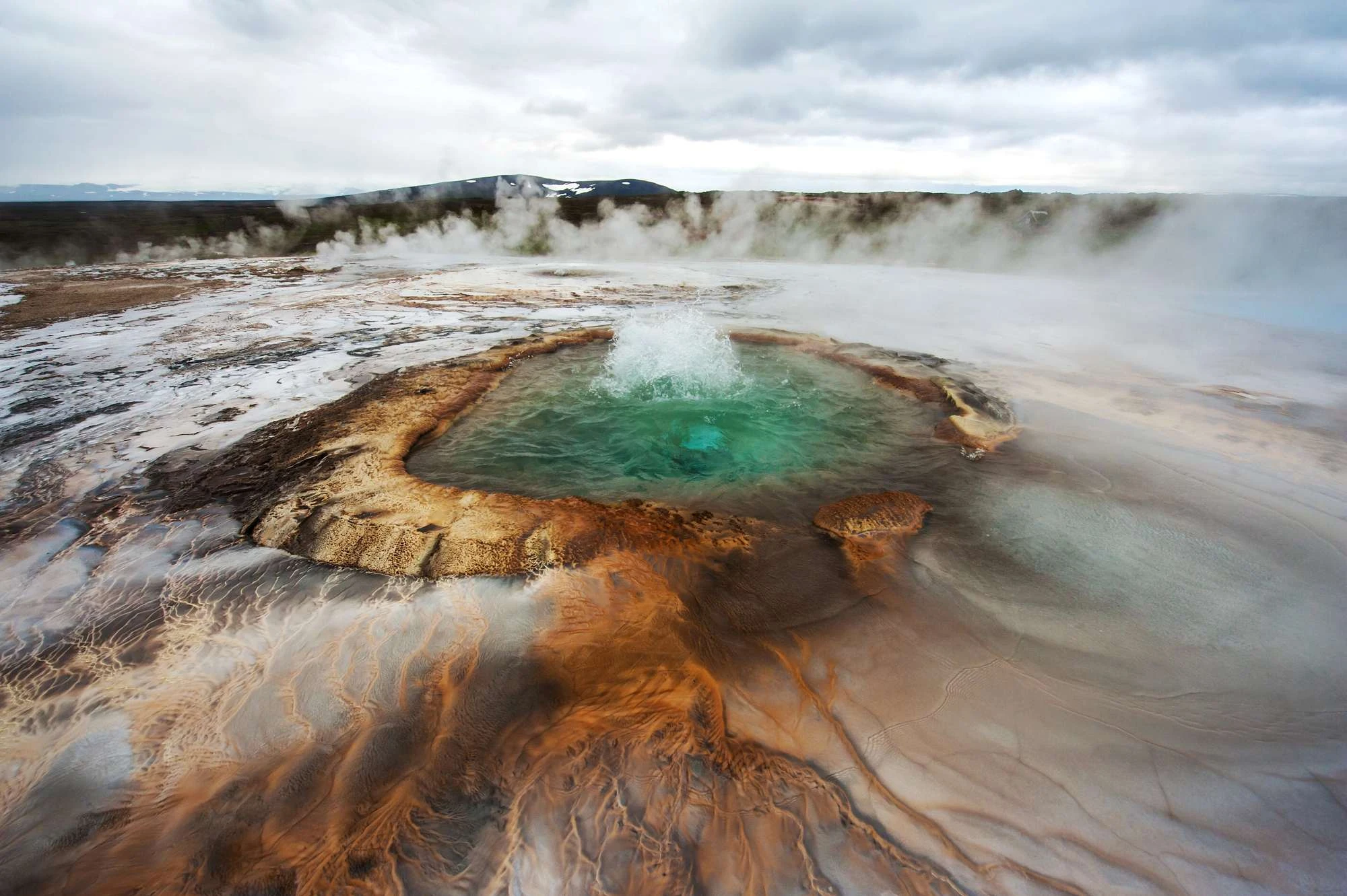
Geothermal field Hveravellir Photo: fyletto Deposithotos
7. Surnames work differently than elsewhere in Europe
Most Icelanders do not have traditional family surnames. Instead, patronymics are used, with last names formed from a parent’s first name. As a result, people are commonly listed and addressed by their first names rather than surnames.
8. Sheep are everywhere and outnumber people
Iceland has more sheep than inhabitants. They roam freely in rural areas and are often seen along roads. Sheep farming has been a foundation of Icelandic life and diet for centuries.
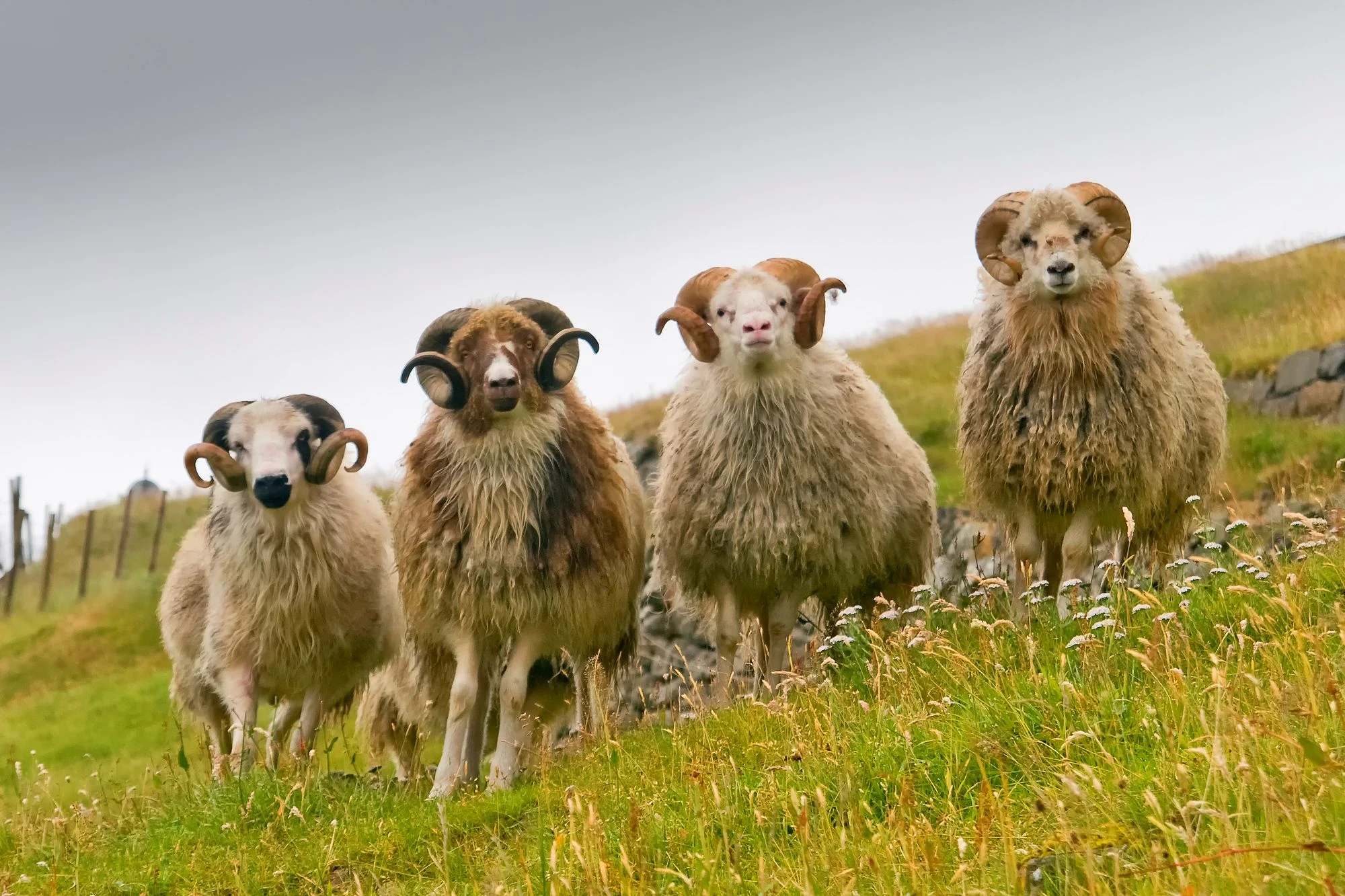
Sheep Photo: izanbar Depositphotos
9. Light and darkness strongly shape everyday life
In summer, the sun barely sets, while in winter daylight lasts only a few hours. These extremes have shaped daily routines and fostered a strong connection to music, literature, and the arts. Iceland has an exceptionally rich cultural scene for its population size.
10. Because of the small population, family connections are sometimes checked before relationships
Iceland has a relatively small population that largely descends from the same Viking families. As a result, two people may unknowingly be distant relatives. Detailed genealogical databases that trace family trees back centuries are part of everyday life and cultural awareness.

Sara Sedić
I plan to live in the moment :)

Leave a Reply