
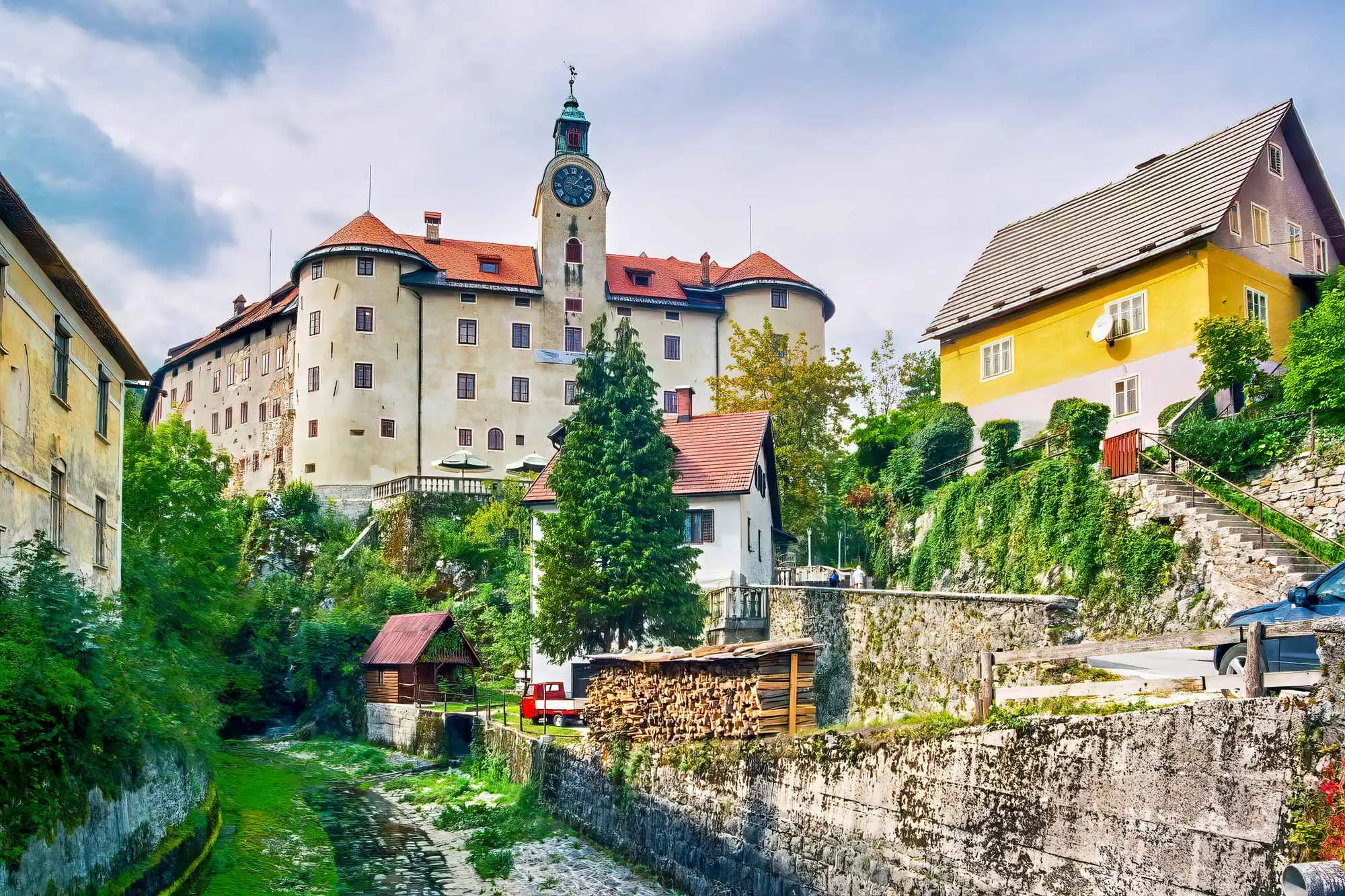
The most unusual castle in Slovenia! Gewerkenegg tells the industrial history of Idrija
In the heart of western Slovenia, where mountain streams meet rocky slopes, lies Idrija, a town whose fate has been tied to an unusual treasure for centuries: mercury. No gold was discovered here, nor was silver forged, but deep within the earth, a liquid metal was extracted. It was valued for its properties and cursed for its toxicity. In this town, where every house was in some way connected to the mine, a castle emerged – not built for kings or generals, but for managers, bookkeepers, and inspectors. That castle is Gewerkenegg.
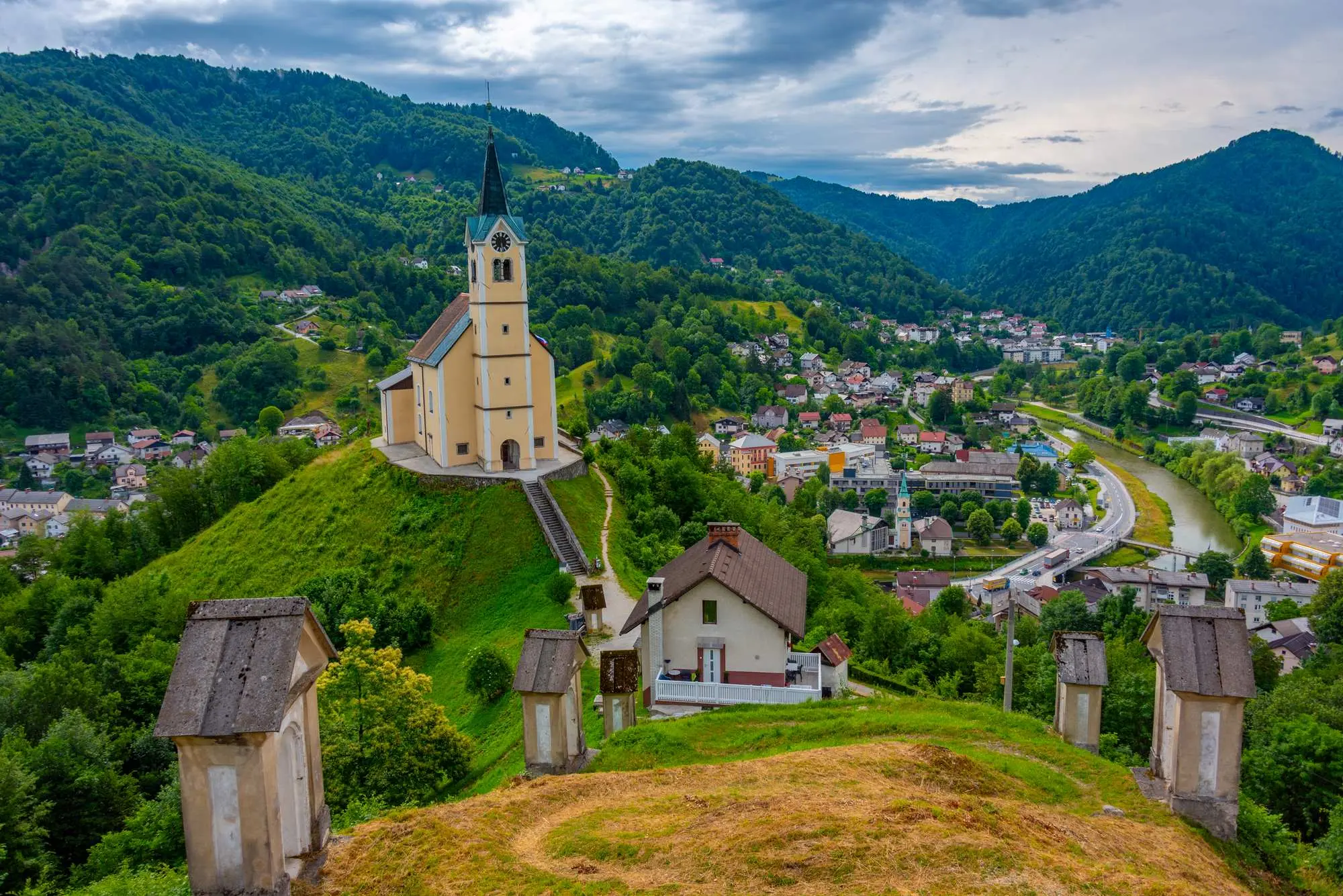
Idrija, Photo: Dudlajzov Depositphotos
How did it all begin?
Construction of the castle began in 1522, at a time when the Idrija mercury mine was already becoming one of the largest and most important in Europe. It was completed by 1533, commissioned by the mining administrators of the time, known as the “gewerken,” from whom the castle takes its name. Gewerkenegg, which in German means “mining castle,” was conceived from the outset as a functional building. It served as the administrative centre for the mine and as a warehouse for mercury, grain, and other valuables.
Unlike many Central European castles, Gewerkenegg was never intended as an aristocratic residence or a military fortress. Its role was purely industrial and administrative. It was a castle for documents, not for dancing. And yet, or perhaps because of that, it earned a reputation of its own – as a symbol of efficiency, endurance, and the complex relationship between nature, humans, and technology.
Who lived behind the walls?
No princes or barons lived here. Gewerkenegg housed mine directors, clerks, cartographers, supervisors, and scribes. From offices tucked behind thick walls and facing the valley below, they made crucial decisions about the extraction, processing, and trade of mercury. This material was once indispensable in gold refining, medicine, and alchemy.
Though they left behind no grand ballrooms or noble family trees, these people left something else: detailed maps of mining shafts, precise accounting records, and technical plans that today testify to the level of knowledge and organisation that once existed in this small alpine town.
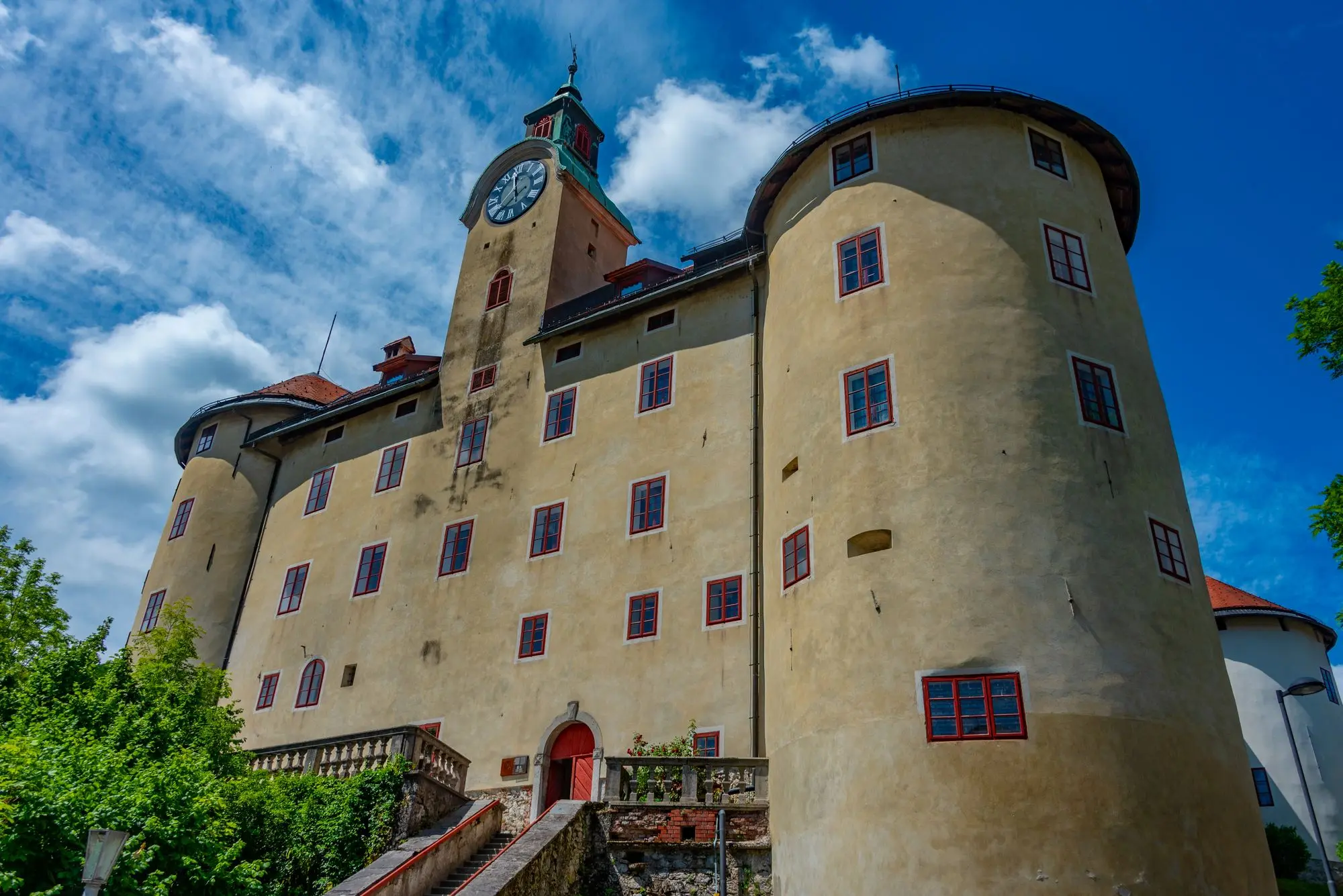
Gewerkenegg, Photo: Dudlajzov Depositphotos
Architecturally, Gewerkenegg is a rectangular structure with three round corner towers, perched strategically above the Nikova gorge. Its thick walls, narrow defensive windows, and spacious cellars speak of its original function. But over time, a sense of beauty found its way in.
In the eighteenth century, during a Baroque renovation, inner arcades and frescoes were added, many of which still adorn the courtyard. The façades were painted and the rooms refined, so that within these rough outer walls, one now feels the spirit of a time when form and function began to harmonise. The courtyard in particular stands out, becoming a cultural stage in summer and proving that even industrial buildings can carry beauty.
Legends, stories, and whispers from the shadows
Even though Gewerkenegg was never a royal castle, it is not without stories. According to legend, a strong earthquake struck Idrija in 1511, while the castle was still under construction. Although many houses were damaged, the castle’s location and solid structure kept it safe from serious harm. Some say that the ground beneath the castle was deliberately chosen for its “quiet stone”, geological layers that could withstand tremors.
There is also a tale of a chapel dedicated to Saint Acacius, which supposedly stood on the castle site and protected miners from disaster. Although no solid evidence confirms its exact location, many miners’ testimonies highlight how deeply faith ran through the lives of those who descended into the earth each day.
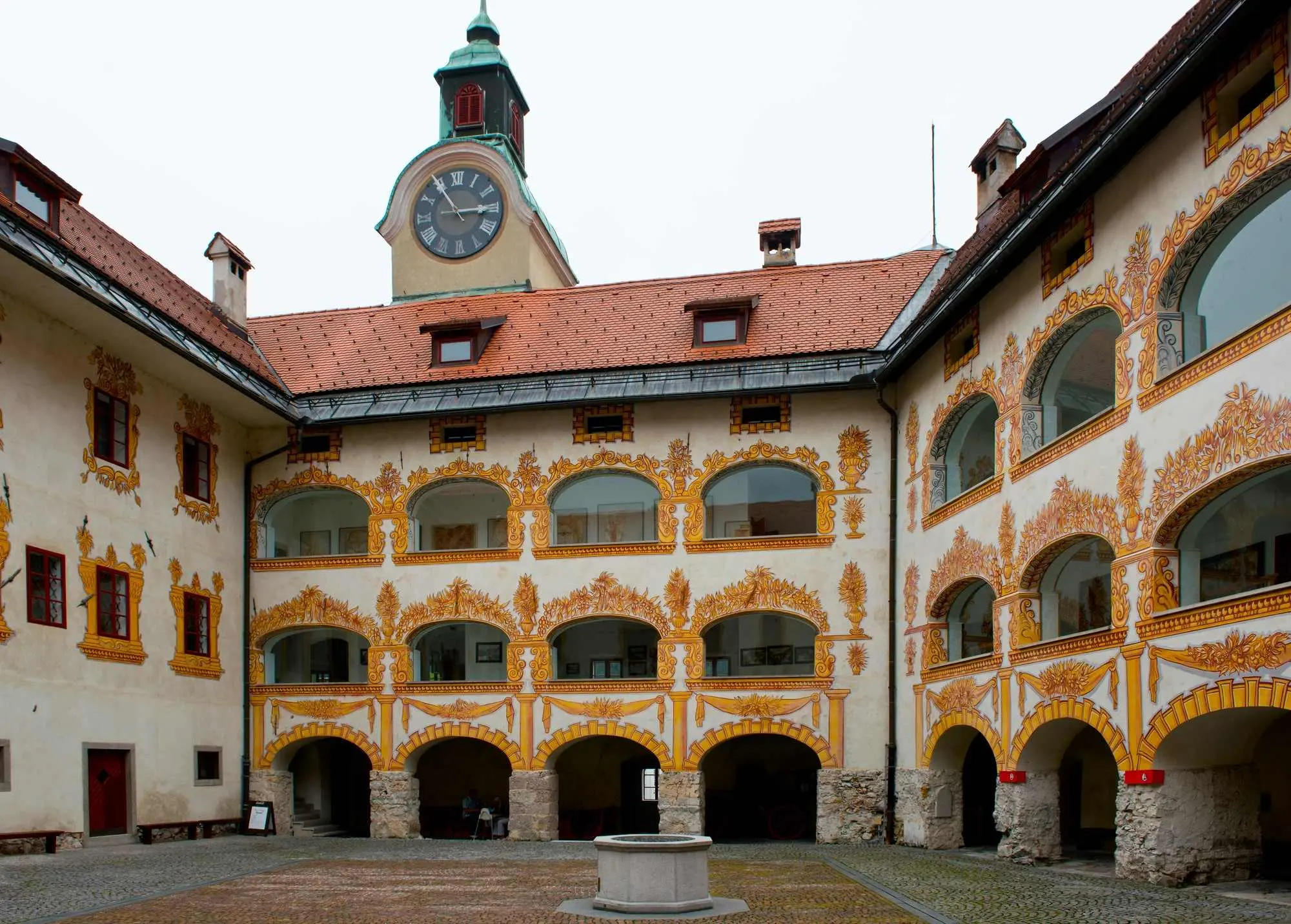
Gewerkenegg Photo: faabi Depositphotos
From administration to preservation
When the industrial era gave way to modern transitions and the mine ceased operation, Gewerkenegg found a new purpose. In 1953, it was opened as a museum space, and by the 1970s, it became the central institution for preserving and presenting the heritage of Idrija. Today, it houses the Idrija Municipal Museum, whose permanent exhibitions cover mining history, the rich tradition of Idrija lace, life in the mining town, and its global connections.
Beyond being a museum, the castle is a lively cultural venue. It hosts concerts, workshops, literary evenings, and school programs. In this way, Gewerkenegg continues to serve the community, just in a different role.
A symbol bridging past and present
Gewerkenegg may not be the most opulent castle you will see, but it is likely one of the most meaningful. It contains no grand halls or bloody legends, but it holds thousands of stories about human labour, innovation, and the struggle with nature. Its strength lies not in swords or crowns, but in maps, tools, ledgers, and memory.
Today, as part of the UNESCO World Heritage listing “Heritage of Mercury: Almadén and Idrija,” Gewerkenegg stands as a quiet witness to a time when people went underground not for glory, but for bread.
If you ever find yourself in Slovenia, take a detour to Idrija and climb to this unusual castle. There is still so much to discover here.

Sara Sedić
I plan to live in the moment :)

Leave a Reply