
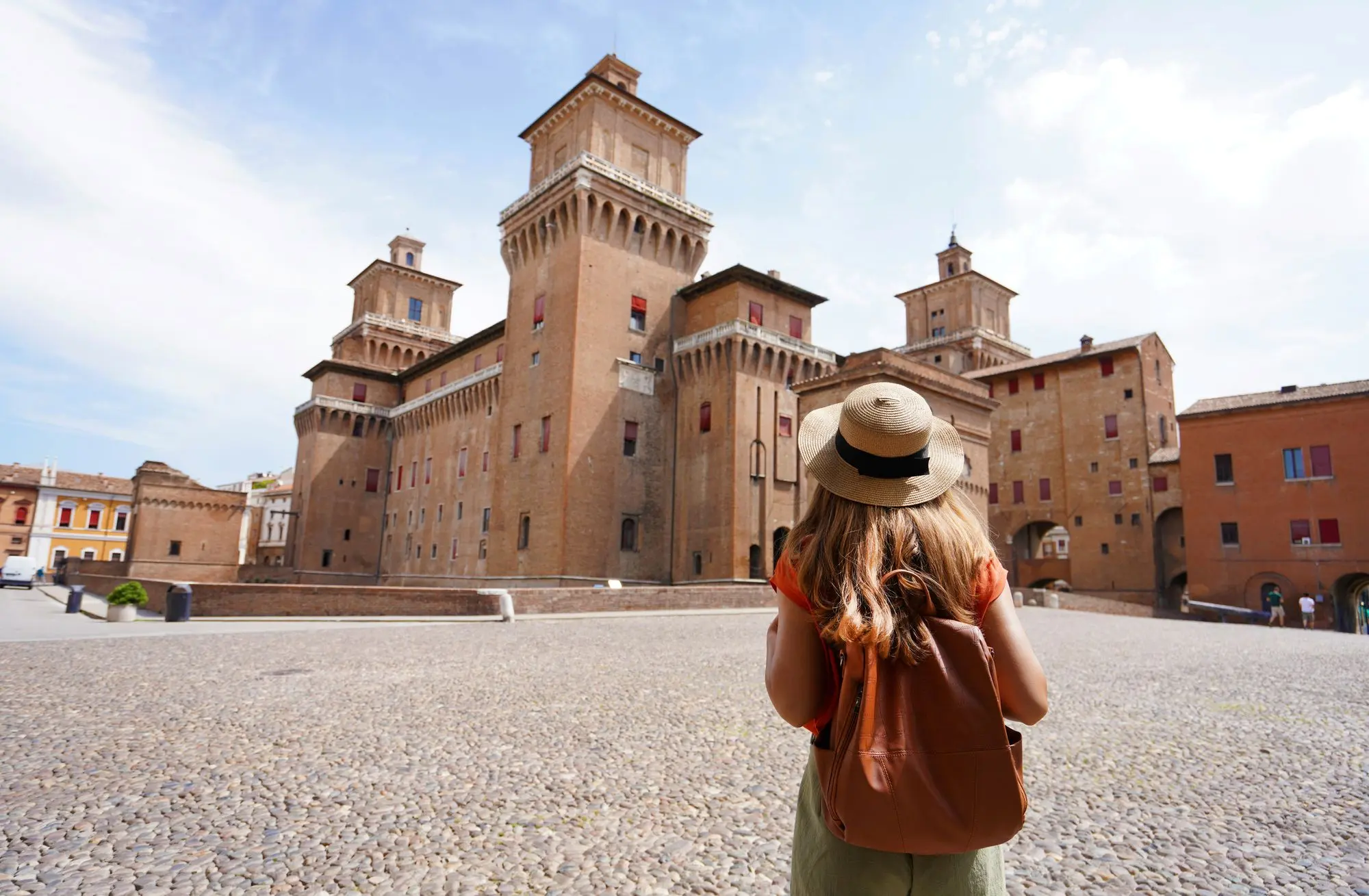
Built out of fear! The Estense Fortress was a response to a rebellion
If there is a structure in Ferrara that not only dominates the space but also preserves the memory of power, fear, and ambition, then it is the Estense Fortress. Located in the very heart of the city, surrounded by water and walls that have withstood both rebellions and changes of rule for centuries, this fortress was not born from a romantic vision but from pure political necessity.
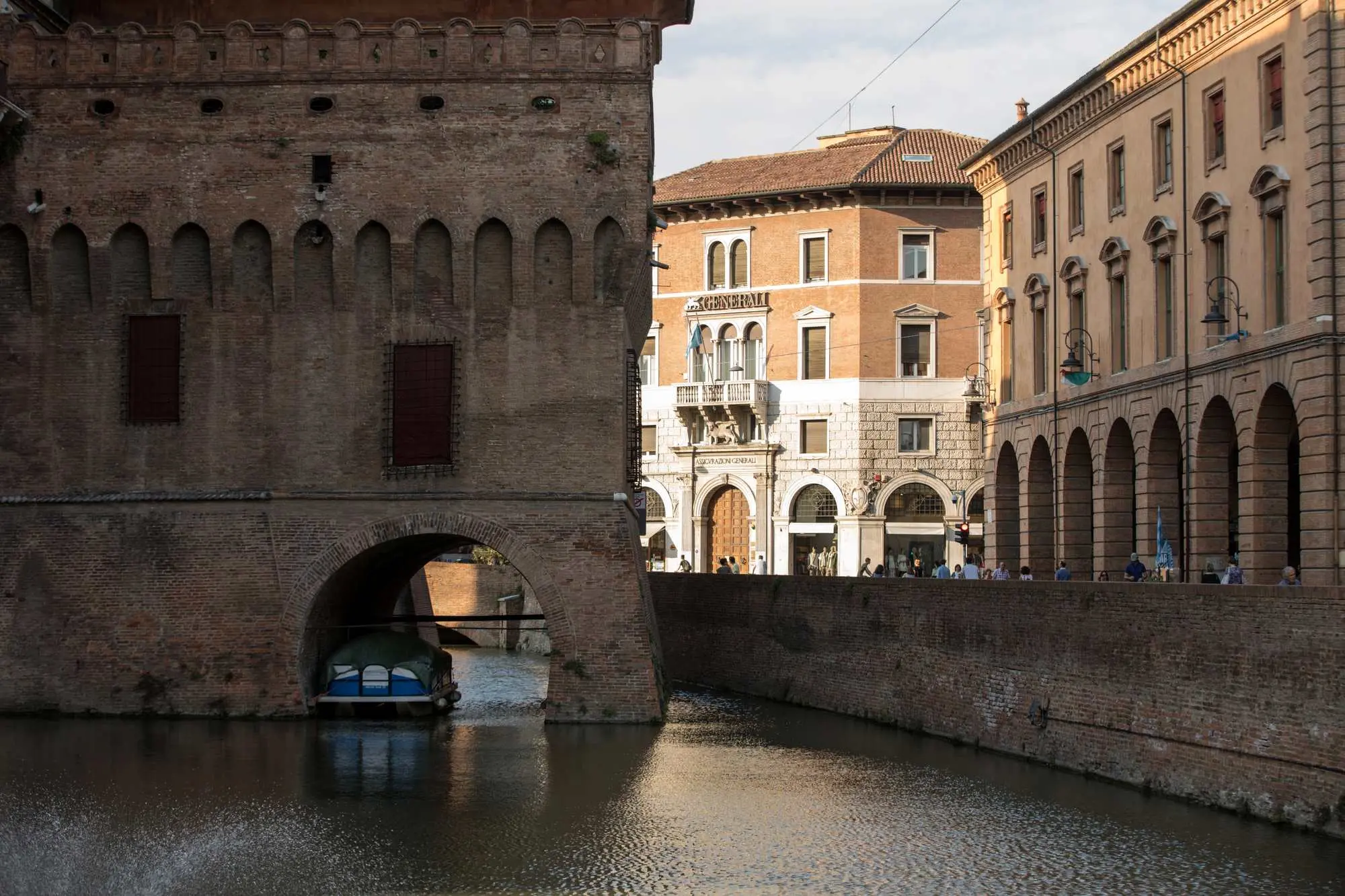
Estense Fortress Photo: wjarek Depositphotos
Everything begins at the end of the fourteenth century, at a moment when Ferrara is seething with discontent. In 1385, a rebellion broke out against the Este family, the ruling lords of the city at the time. The population is exhausted by taxes and famine, and Niccolò II d’Este realizes that the existing city palaces are no longer sufficient to guarantee the ruler’s safety. The answer is not negotiation, but construction. In a short period of time, work begins on a massive stronghold that will serve as the ultimate refuge of power. The architect Bartolino da Novara designed the fortress as a strictly military structure. Four powerful towers, thick walls, and a water-filled moat clearly declare who controls the city and who is denied access.
At first, the Estense Fortress has nothing of courtly elegance. It is a dark and austere fortification, a symbol of repression and control. But as the decades pass and the power of the Este family grows, its role begins to change. During the fifteenth and sixteenth centuries, especially under the rule of Ercole I and Alfonso I d’Este, the fortress was gradually transformed into a lavish residence. The interior is enriched with frescoes, arcades, ceremonial halls, and private chambers. A structure born of fear slowly becomes a stage for Renaissance culture and courtly splendor.
Yet the dark side never completely disappears. The underground spaces of the Estense Fortress conceal prisons where even members of the ruling family themselves often ended up. The most famous case is that of Giulio d’Este, brother of Alfonso I, who spent more than half a century imprisoned within these walls because of court intrigues. Damp corridors, dim light, and the silence of the cells still bear witness to the cruelty of political struggle just as powerfully as the richly decorated rooms above them.
The moat surrounding the fortress served not only a defensive function but also carried strong symbolism. The water clearly separated the rulers from the city and reminded the inhabitants of the constant presence of authority. Unlike many European castles located outside urban centers, the Estense Fortress stands in the very center of Ferrara, deeply woven into the daily life of the city and its history.
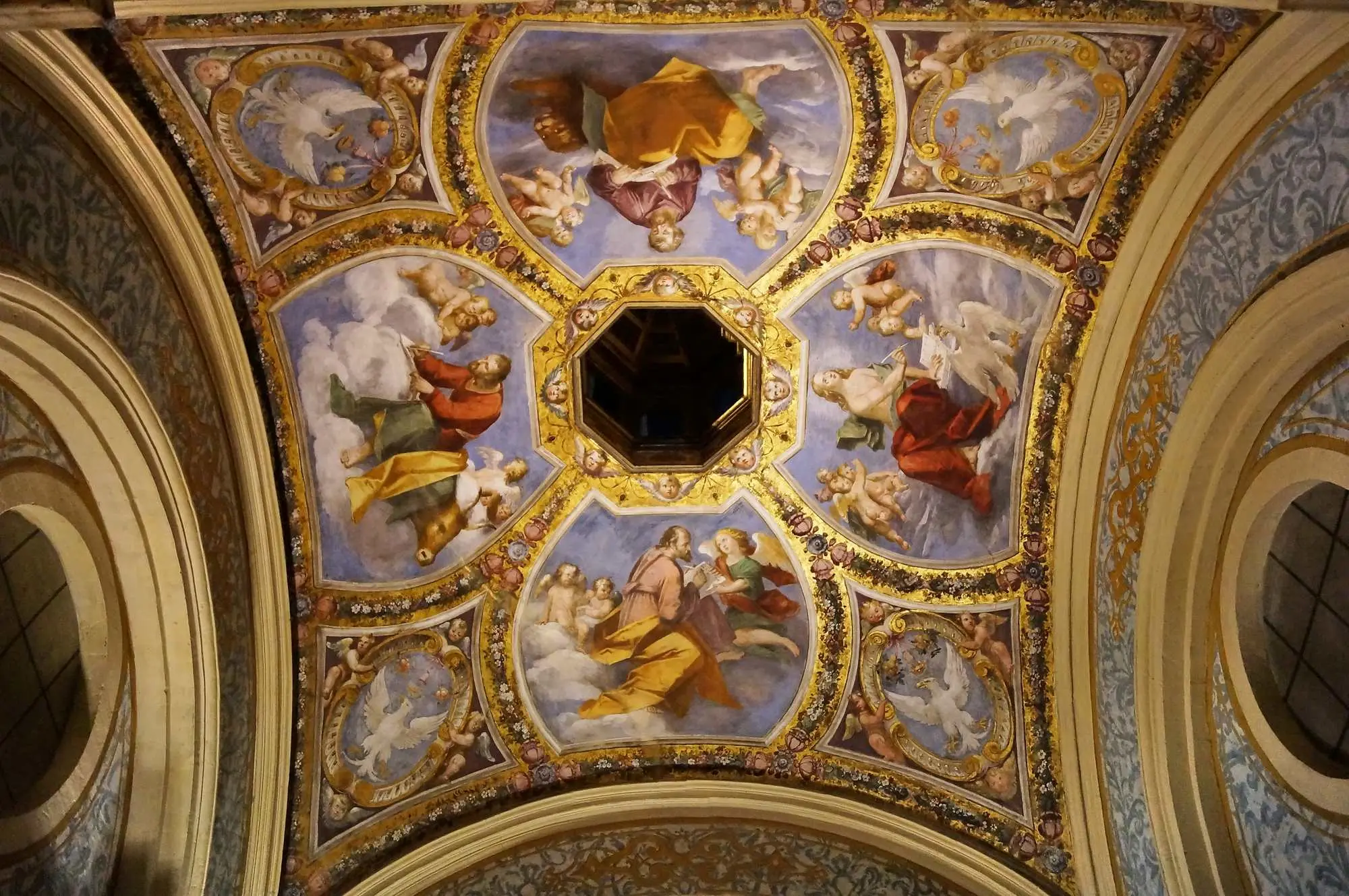
Estense Fortress Photo: sansa55 Depositphotos
The decline of the political power of the Este family came in 1598, when Ferrara passed under the direct rule of the Papal States. The fortress then loses its role as a ruling residence and becomes the administrative center of the new authority. Despite changes in function, its structure remains almost untouched. It has survived earthquakes, wars, and numerous political upheavals, preserving an authenticity that is rare among European historic buildings.
Today, as you walk across the bridges and through the halls of the fortress, you do not enter merely a historical monument but a layered story of medieval politics, Renaissance art, and human ambition. This is not an idealized fairy tale castle, but an honest witness to a time in which power and beauty were often born of fear. For this very reason, the Estense Fortress remains one of the most striking places in northern Italy and a lasting symbol of Ferrara.

Sara Sedić
I plan to live in the moment :)

Leave a Reply