
These European water castles look like they’re straight out of a fairy tale
Castles on water have always had a special power of attraction. Water does not protect them only physically but also gives them an almost surreal beauty, as their walls, towers, and roofs are doubled in the reflections of lakes, rivers, and moats. In Europe, there are still castles that are not merely romantic ruins but fully preserved spaces you can enter, walk through their halls, and feel what life by the water looked like several centuries ago.

Trakai Castle Photo: DzmitRock87 Depositphotos
In northern Europe, in the middle of Lake Galvė, lies Trakai. This Lithuanian castle was built on an island and is connected to the mainland by wooden bridges that, upon arrival, create the feeling of crossing into another time. The red walls of the castle stand out strongly against the blue of the lake, while the interior has been turned into a museum that tells the story of the Grand Dukes of Lithuania, medieval battles, and everyday life on the water. It is especially impressive in winter, when the lake freezes, and the entire scene looks like an illustration from an old book of legends.
In Belgium, surrounded by marshland and calm water, stands Château de Lavaux Sainte Anne. Here, water is not only a defensive element but also part of the natural setting that gives the castle an almost mystical atmosphere. The castle has been restored and is open to visitors, with interior rooms that present the life of the nobility, hunting traditions, and the relationship between people and nature.
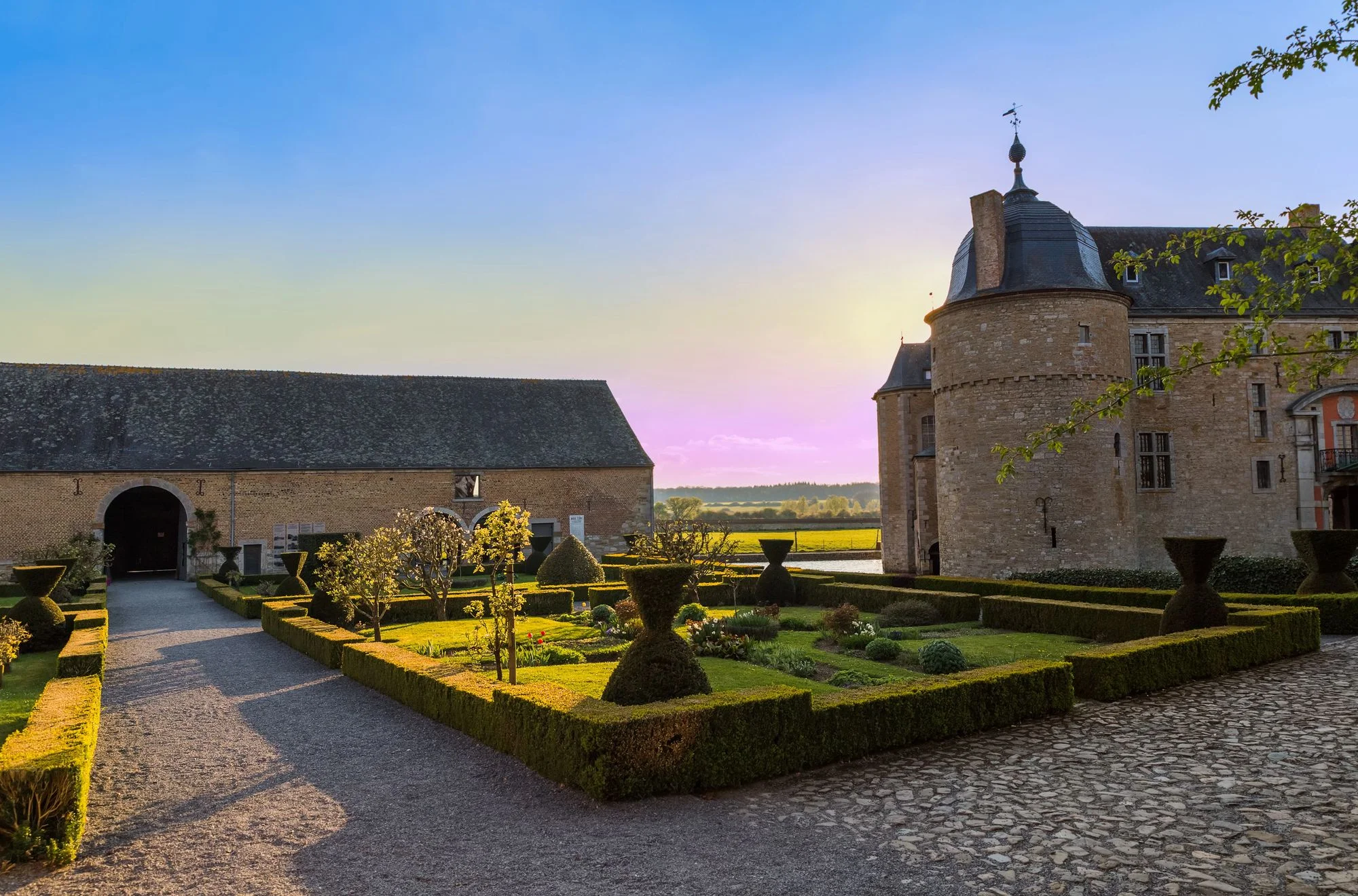
Lavaux Sainte Anne Photo: Violin Depositphotos
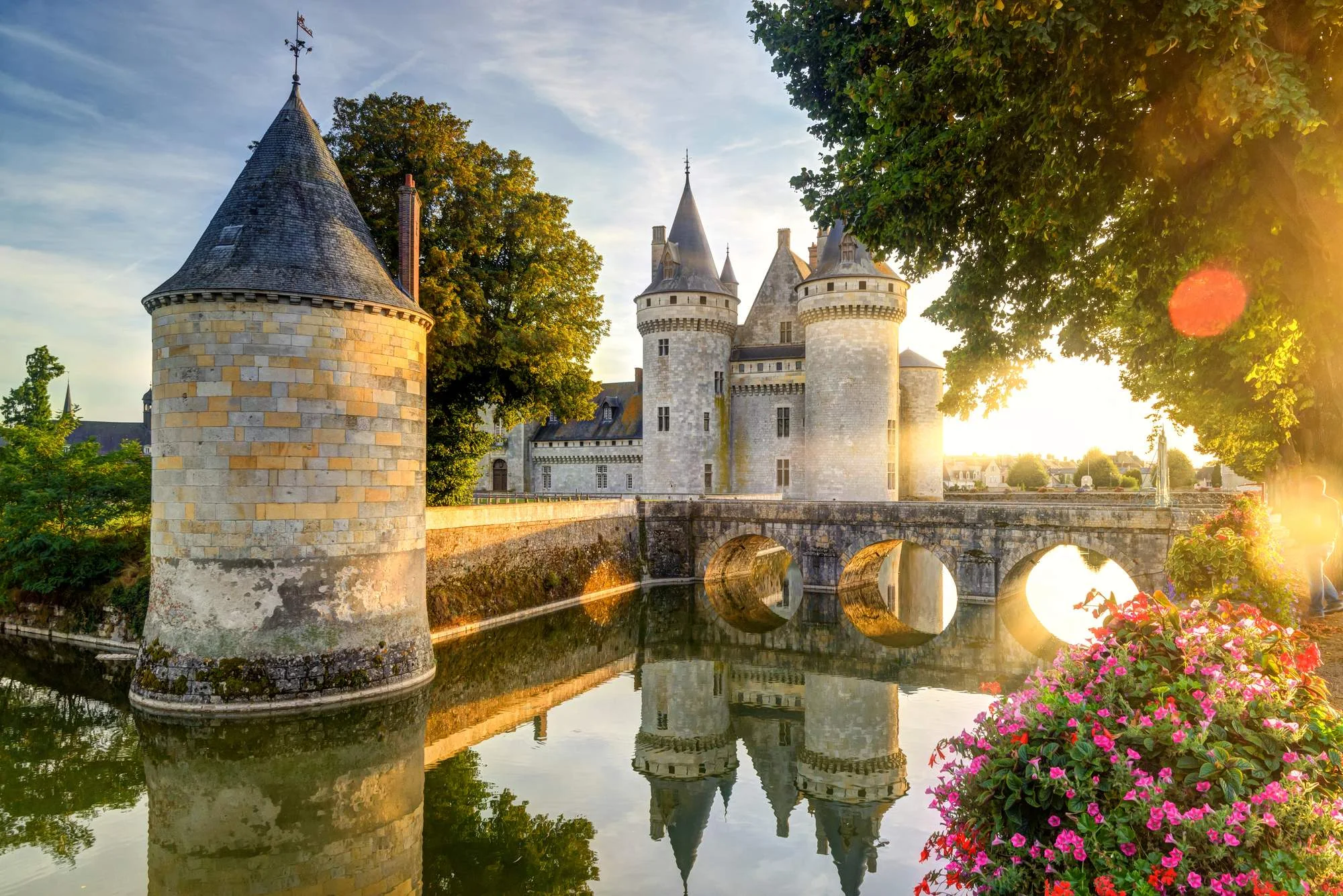
The French Loire Valley is known for its magnificent castles, and among them, Château de Sully-sur-Loire stands out in particular. This massive castle is surrounded by water and feels very serious, more like a fortress than a romantic palace. The interior is open to visitors and tells a story of political power, defence, and turbulent periods of French history.
One of Scotland’s most famous sights is linked to Eilean Donan Castle. Located on a small island where three lochs meet, dramatic mountains surround this castle and are often wrapped in mist. It has been fully restored and is open to visitors, with arranged interiors and museum sections that explain its military and clan history. The view from the bridge towards the castle is one of those you remember for a lifetime.
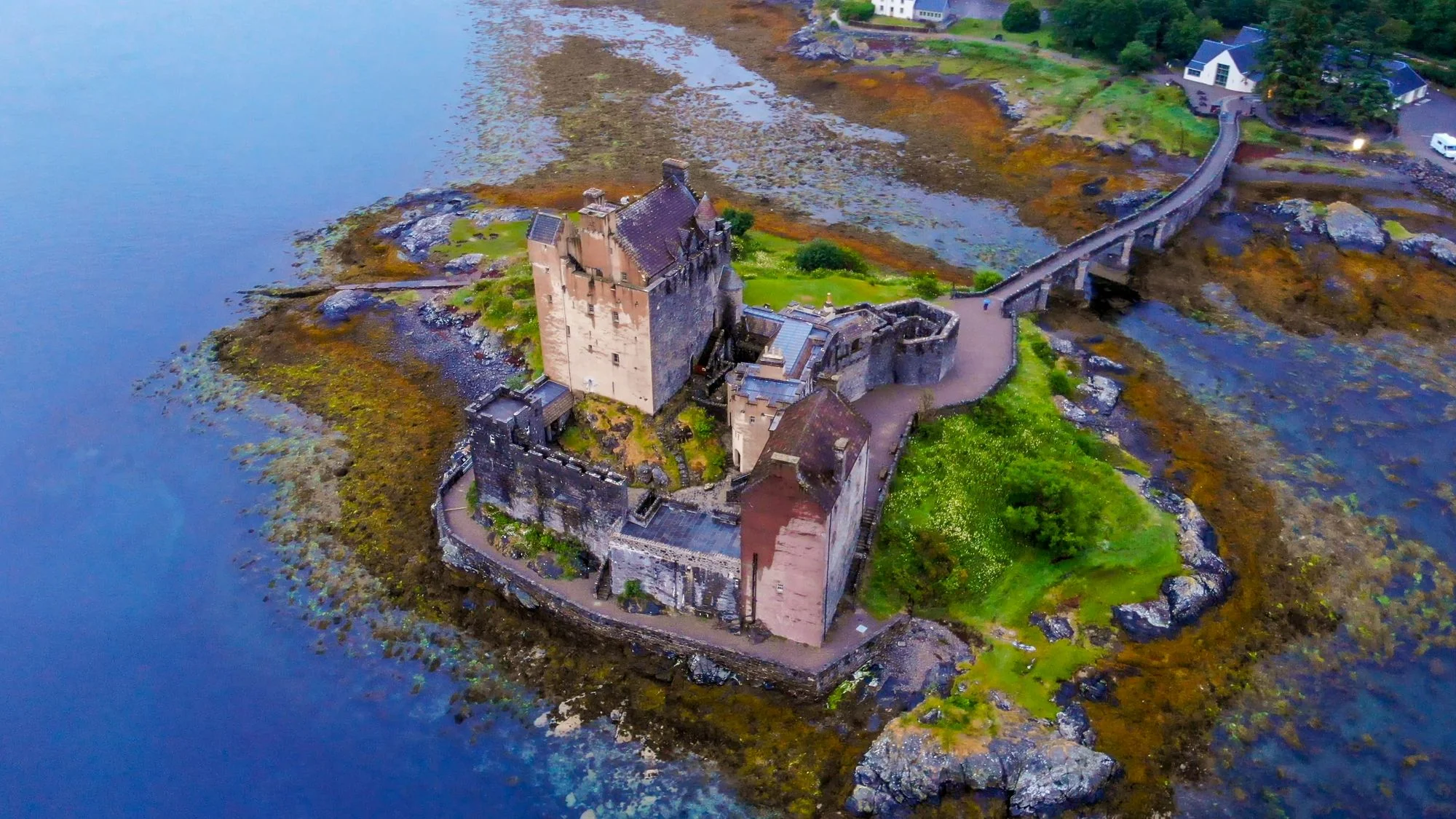
Eilean Donan Castle Photo: 4kclips Depositphotos
In Denmark, there is a true jewel of Renaissance architecture, Egeskov Castle. This sixteenth-century castle is surrounded by a deep moat filled with water and set within a perfectly landscaped environment. In addition to rich interiors, visitors can explore gardens, museums, and a park, making Egeskov one of the most vibrant and best-preserved water castles in Europe.
The Czech Republic offers a more elegant, almost poetic version of a castle on water in the form of Blatná Castle. Here, water calmly surrounds the entire complex, and the castle appears to float above the surface. The interior is open to visitors and filled with historical furniture and artworks, while the park around the castle invites slow walks and the observation of reflections of the walls in the water.
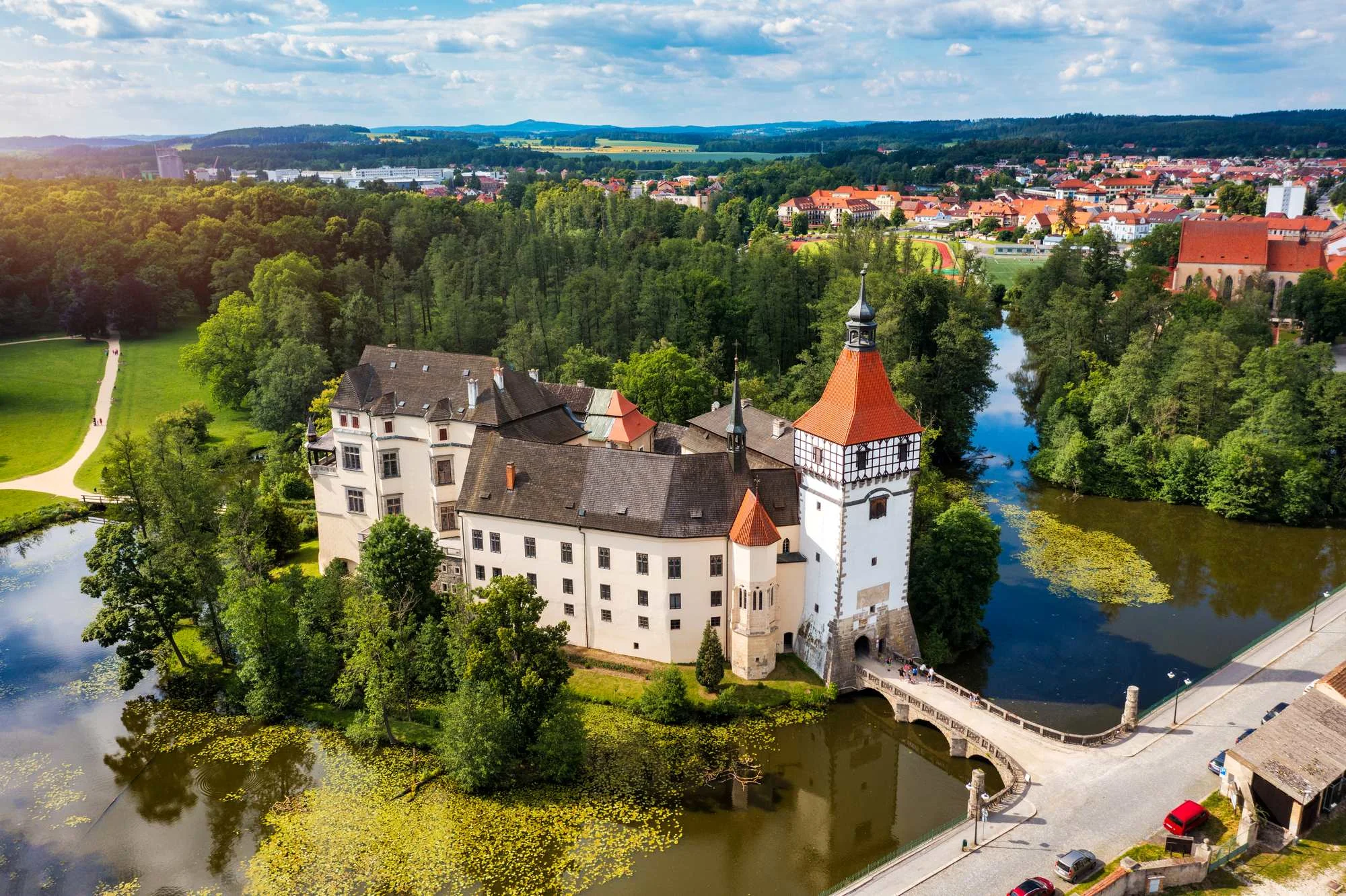
Blatna Castle Photo: DaLiu Depositphotos
In southern Europe, on the shore of Lake Garda, lies the Scaliger Castle. This castle once served as a harbour fortress and today is one of the most easily accessible water castles for visitors. Walking along the walls offers views of the lake and the town of Sirmione, while the water surrounding the castle recalls its strategic importance in the past.
Finally, in Switzerland, a smaller but exceptionally charming Hagenwil Castle is hidden away. Surrounded by a deep water-filled moat, this castle is today open to the public and even houses a restaurant. The combination of history, architecture, and contemporary life makes it a special example of how castles on water can continue to live today.
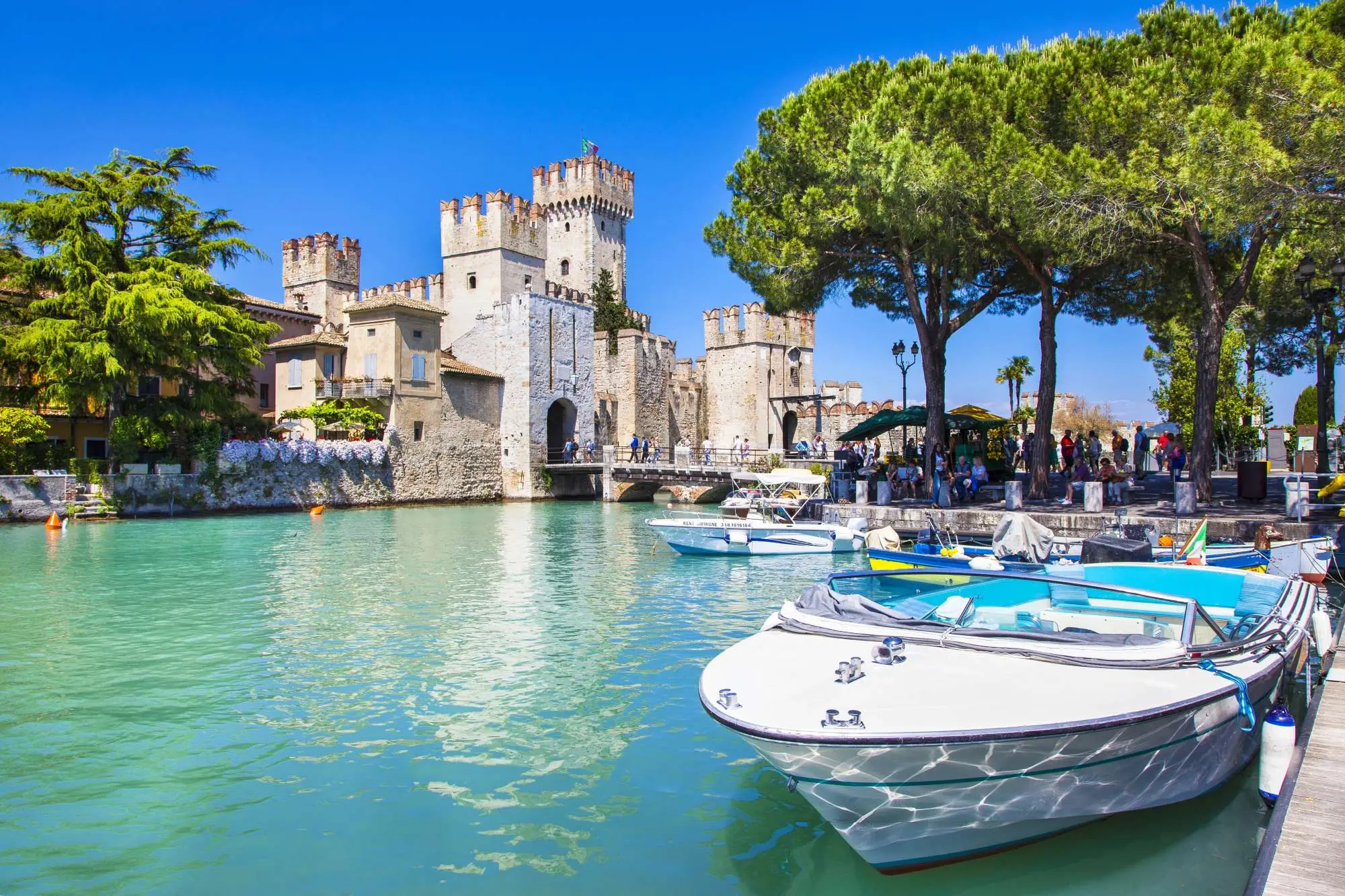
Scaliger Castle, Photo: Maugli, Depositphotos
Which one is your favourite?

Sara Sedić
I plan to live in the moment :)
Leave a Reply