
Banja Luka in one guide! Why visit it and what to see there?
Located along the Vrbas river, Banja Luka is the second largest city in Bosnia and Herzegovina and one of those cities where urban life constantly meets nature. Known for its large green areas, long promenades, and a highly developed café culture, it is often described as a city where life moves at a slower pace than expected for a regional center. History, the river, sacral architecture, city parks, and nearby excursion sites make it a logical choice for a short trip or a weekend getaway. Below is an overview of the most important landmarks and places worth seeing.
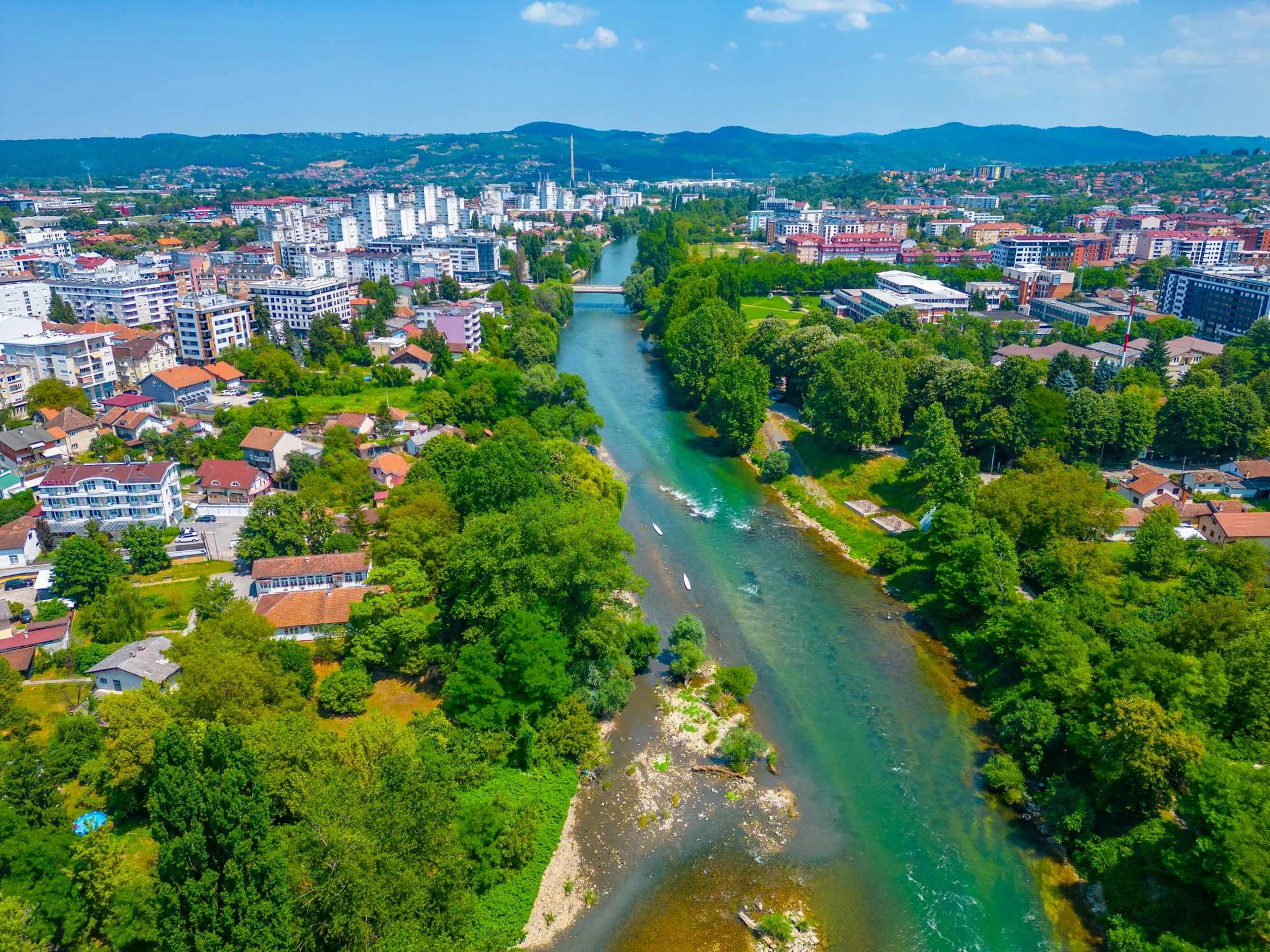
Banja Luka Photo: Dudlajzov Depositphotos
The development of Banja Luka has been tied to the Vrbas for centuries. The river flows through the very center of the city and represents one of its most important spatial and identity-defining elements. Along its banks are promenades and recreational areas, while during the warmer part of the year, the river is used for swimming, kayaking, and rafting. The canyon south of the city is particularly well known and is considered one of the most popular rafting locations in Bosnia and Herzegovina. A local specialty is the dayak, a traditional wooden boat steered with a long pole, which can still be seen today on calmer sections of the river.
Located on the banks of the Vrbas is Kastel Fortress, the oldest preserved historical site in the city. Archaeological findings confirm that this area was inhabited as early as Roman times, while the present fortress largely dates back to the Ottoman period. Throughout history, Kastel had a defensive function, and today it is one of the most active public spaces in the city, hosting concerts, events, and cultural programs. Its ramparts and towers offer views of the river and the central part of the city.

Kastel Fortress Photo: Dudlajzov Depositphotos
In the immediate vicinity of the fortress is Safikada’s grave, a site connected to one of the city’s most famous local legends. According to tradition, Safikada was a young woman in love with a soldier who was killed, after which she herself met a tragic end. Regardless of the historical accuracy of the story, her grave has, over time, become a symbol of unhappy love and one of the more recognizable places in the old part of the city.
Among the most important landmarks of Banja Luka is the Ferhadija Mosque, built in the 16th century and considered one of the most significant examples of Ottoman architecture. In the city center stands the Cathedral of Christ the Saviour, a monumental Orthodox cathedral that dominates the main square and ranks among the most visually striking buildings in the city. An important role in the cultural life of the city is also played by the Banski Dvor, once the residence of the ban, today a venue for concerts, exhibitions, and public events.
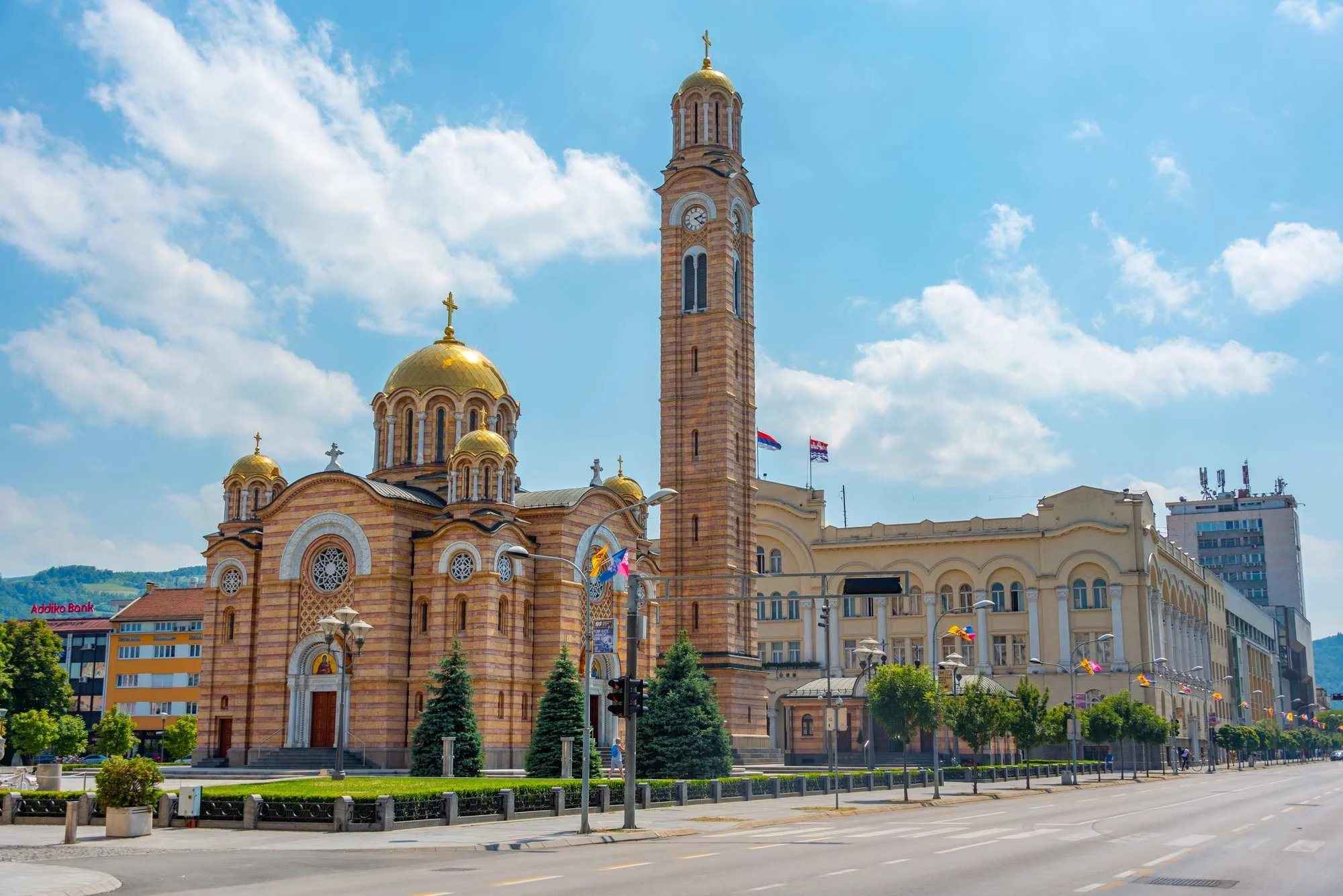
Cathedral of Christ the Saviour Photo: Dudlajzov Depositphotos
Gospodska Street represents the main pedestrian zone and the center of social life in the city. Numerous cafés, restaurants, and shops line the street, and the area remains lively throughout the day. Krajina Square functions as the central gathering place and is often used for concerts and public events. City parks, among which Petar Kočić Park stands out, form an important part of the city’s urban identity and everyday life.
For a panoramic view of Banja Luka, visitors most often head to Banj Hill, a popular excursion area with marked walking paths and viewpoints. Nearby are Srpske Toplice, known for their thermal springs that have been used since Roman times. Not far from the city lies Krupa na Vrbasu, an excursion destination with waterfalls, old mills, and preserved natural surroundings, frequently included in day trips from Banja Luka.

Krupa na Vrbasu Photo: Ana Timarac Adria.fun
Banja Luka offers good orientation, a diverse range of content, and a clear city structure in which historical landmarks, the river, and everyday life are closely connected. For this reason, it represents a practical and appealing destination for visitors who want to explore the city and its surroundings within a relatively short time frame.

Sara Sedić
I plan to live in the moment :)
Leave a Reply