
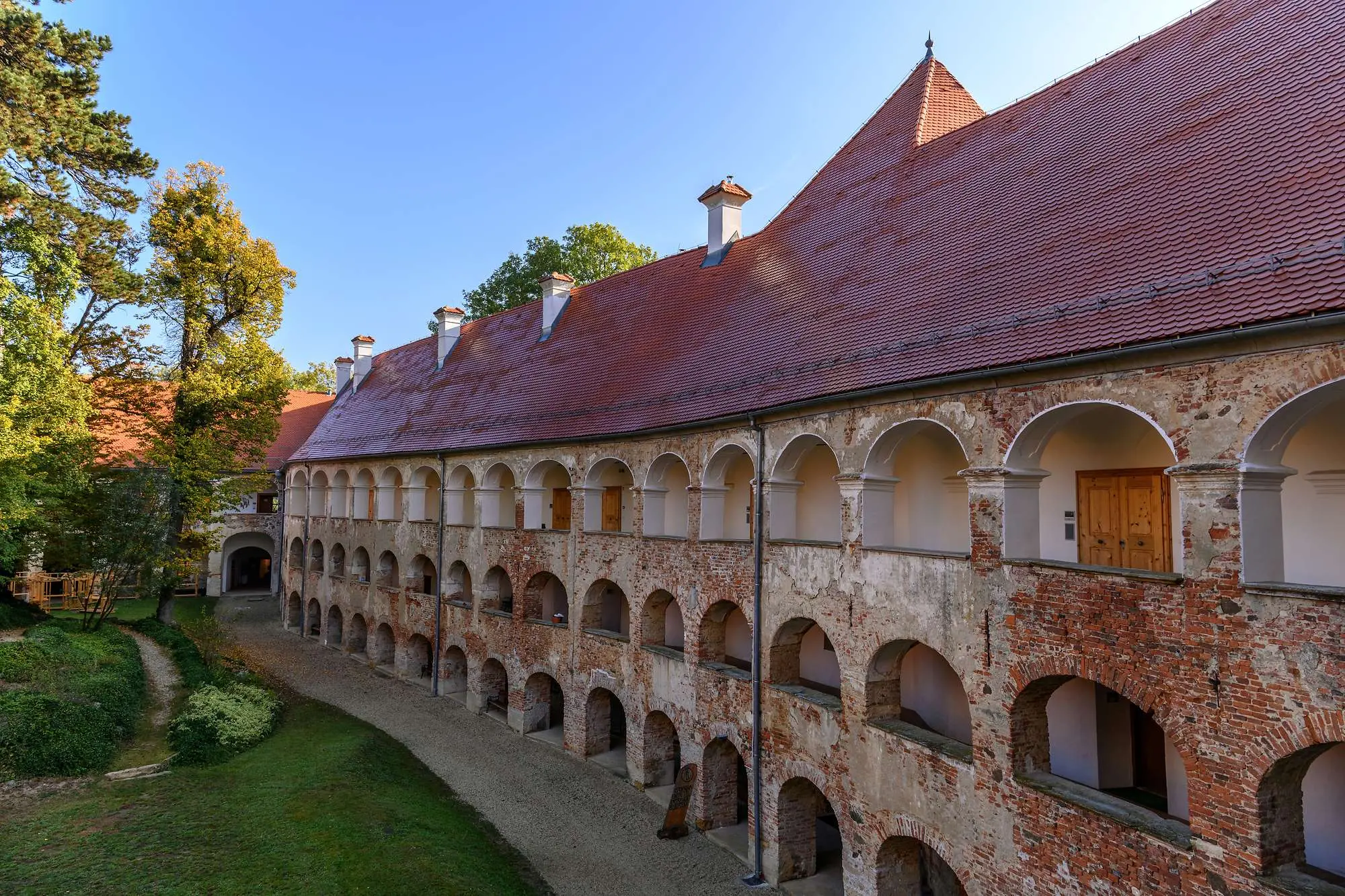
Grad Castle in Goričko is the largest castle in Slovenia!
In the far northeast of Slovenia, in the Prekmurje region, within the hilly landscape of Goričko and in proximity to the borders with Austria and Hungary, lies Grad Castle, also known as Grad Goričko. Positioned above the settlement of Grad from which it takes its name, the castle occupies a site that for centuries held clear military, administrative, and economic importance. Due to its exceptional size and layered history, it is considered the largest castle in Slovenia and one of the most significant fortification complexes in this part of Central Europe.
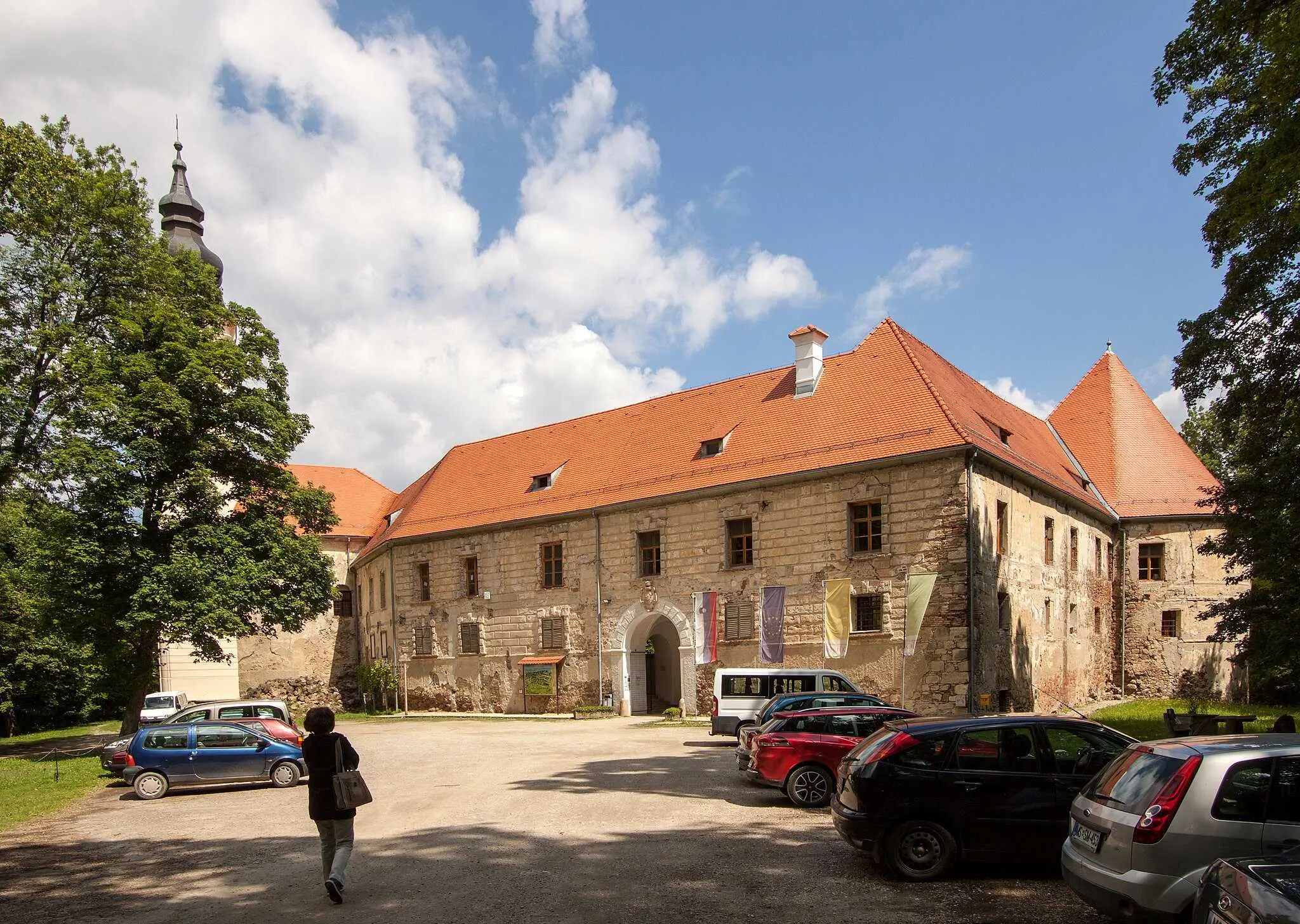
Grad Goričko Photo: Wikimedia Commons
Grad Castle is first mentioned in written sources in 1275, although some historians believe that an earlier fortification existed on the same site as early as the 11th or 12th century. It was built on an elevated basalt rock formation, which provided natural defence and a clear view of the surrounding area. During the Middle Ages, the castle primarily served a defensive purpose, but over time it developed into a permanent residential and administrative centre.
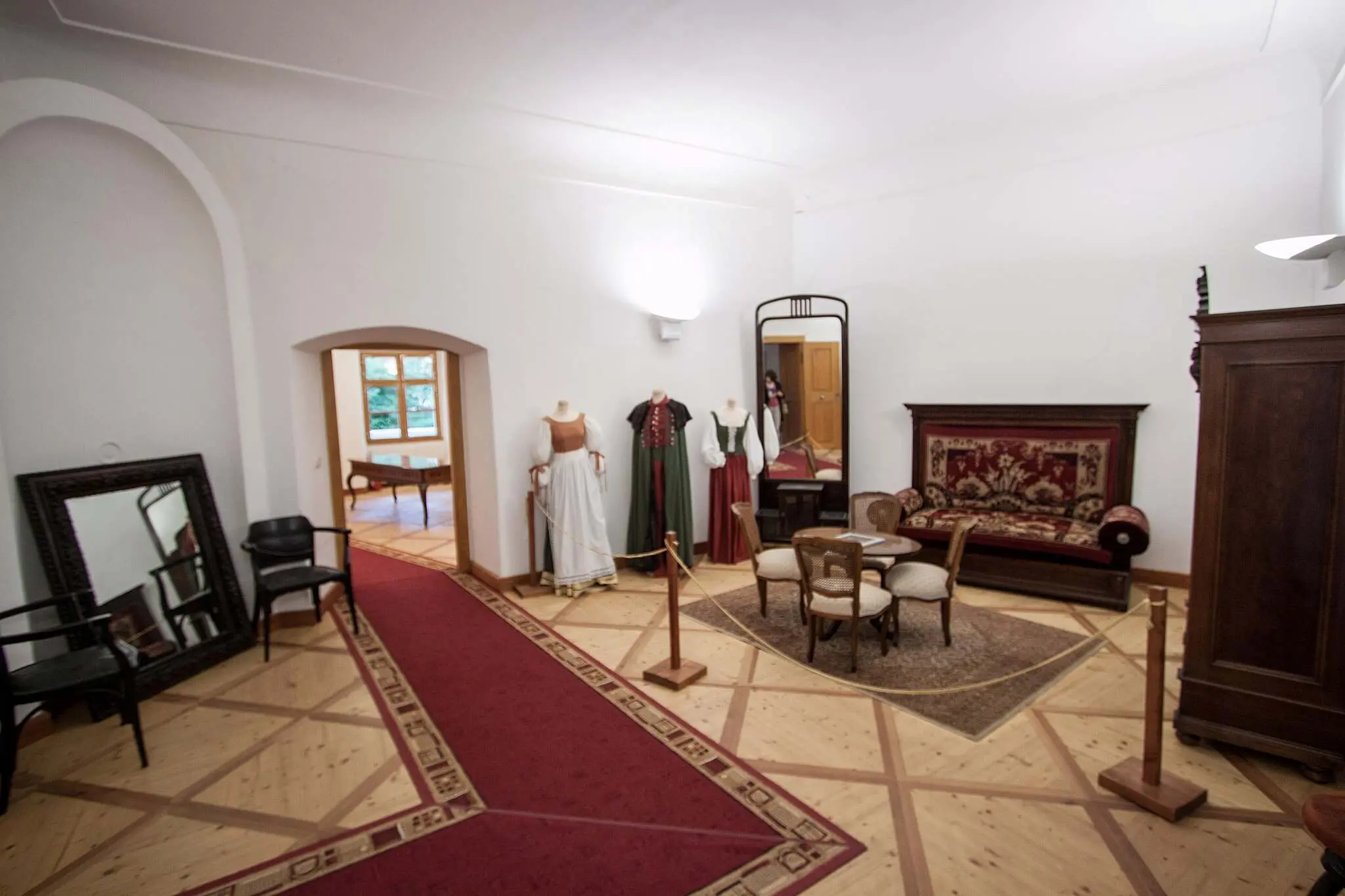
Grad Goričko Photo: Wikimedia Commons
During the late Middle Ages and the early modern period, Grad Castle frequently changed owners. Among the most important noble families who controlled it were the Széchy, Batthyány, and Nádasdy families, all powerful Hungarian aristocratic lineages. It was during their rule, particularly in the 16th and 17th centuries, that the castle underwent its most extensive expansions. From a relatively compact fortress, it evolved into a large and complex castle with multiple inner courtyards, defensive walls, and residential wings.
One of the most frequently cited facts associated with Grad Castle is the number of its rooms. According to historical records and later tradition, the castle has 356 rooms, making it the largest castle in Slovenia. Although not all of the rooms are in use today, this number clearly illustrates the scale of the complex and its role as a regional centre of power and administration. Architecturally, the castle is the result of centuries of construction, which is why elements of Gothic, Renaissance, and Baroque styles are interwoven throughout the structure.
In the 18th and 19th centuries, the castle gradually lost its military function and was increasingly used as the administrative and economic centre of a large landed estate. After the collapse of the Austro-Hungarian Monarchy, and especially after the Second World War, the castle was nationalised. In the post-war period, it was used for various administrative and local purposes, which led to the neglect of parts of the complex and the loss of some original furnishings.
More systematic restoration began at the end of the 20th century, when Grad Castle was declared a cultural monument of national importance. Today, it houses the headquarters of the Goričko Nature Park Public Institute, and part of the premises is open to the public through permanent and temporary exhibitions. Castle now functions as a cultural and historical centre, with a focus on preserving the heritage of Prekmurje and the wider Goričko area.
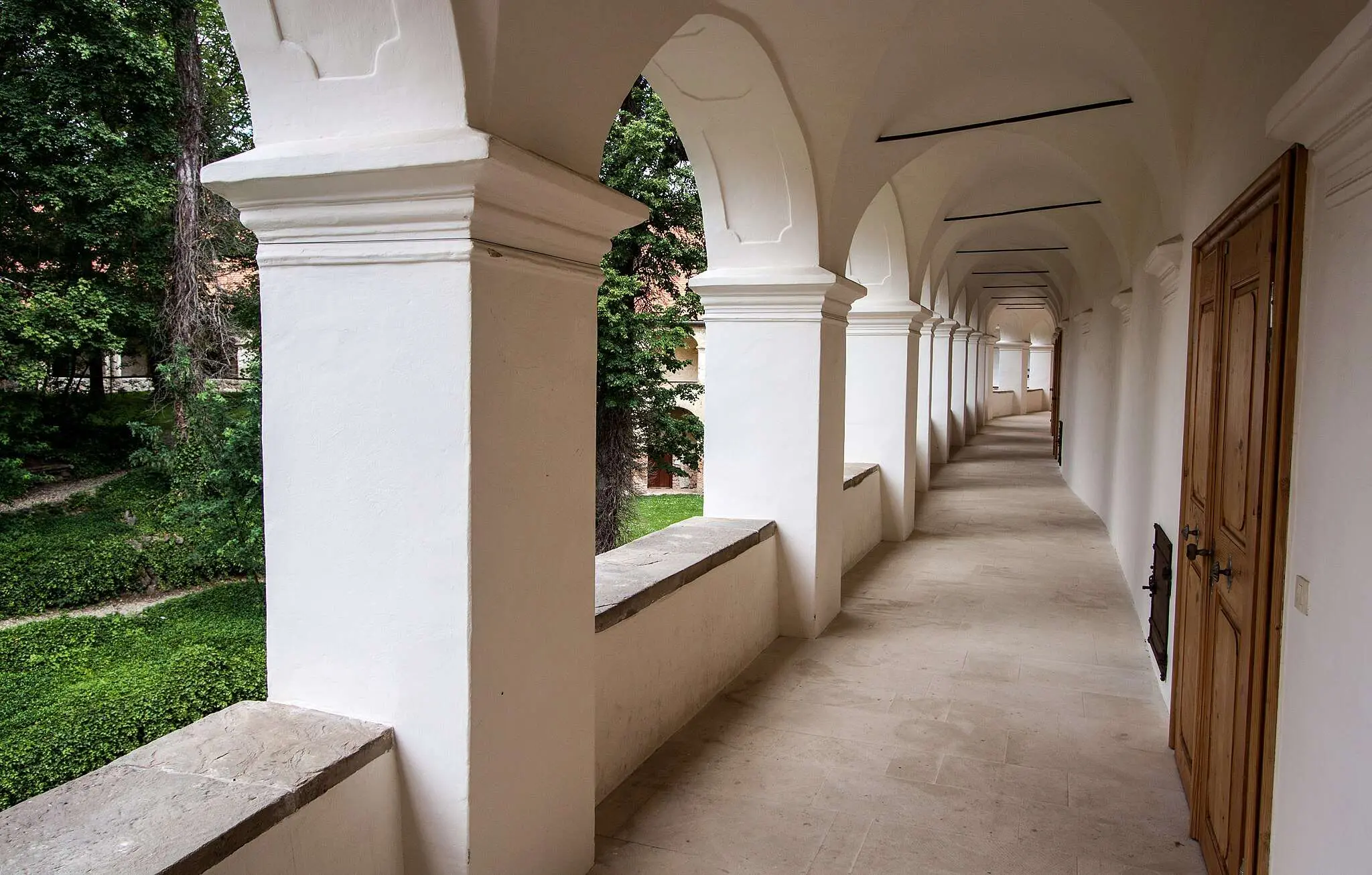
Grad Goričko Photo: Wikimedia Commons
Grad Castle represents one of the most important historical sites in northeastern Slovenia. Its size, long and well-documented history, and strategic position in the border area between Central European and Hungarian lands make it a key example of the development of fortification and administrative architecture in this part of Europe.

Sara Sedić
I plan to live in the moment :)
Leave a Reply