
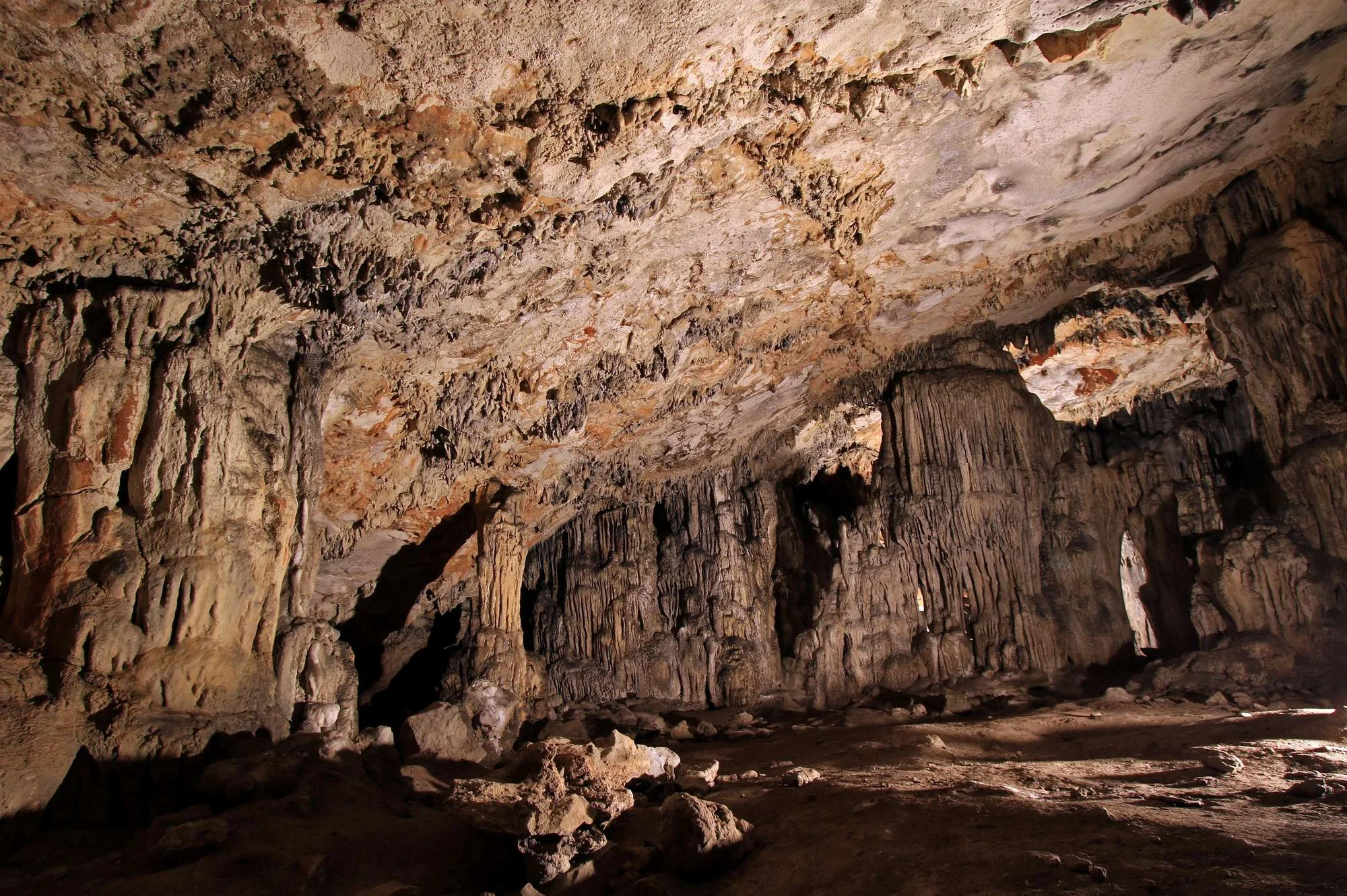
Grapčeva Cave on the island of Hvar is one of the most important prehistoric sites in the Adriatic
Deep in the interior of the island, far from the glare and bustle of Hvar’s beaches, lies a place that preserves one of the oldest human stories on the Adriatic. This cave is not just a natural crack in the rock, but an archaeological site of exceptional value that bears witness to a millennia-long continuity of human presence in this part of the Mediterranean.
Above Stari Grad, on the plateau of the island of Hvar, lies the abandoned village of Humac, today mostly visited by hikers and day trippers. Stone houses without permanent residents and basic infrastructure recall a time when life in this part of the island relied on agriculture and livestock breeding. Near the village, on the southern slopes of the island at an elevation of about 225 m above sea level, lies Grapčeva Cave, one of the most important prehistoric sites on the Adriatic coast.

Humac, Photo: Adria.fun
Grapčeva Cave contains cultural layers from the Neolithic, Chalcolithic, and Bronze Age, confirming long-term and repeated human occupation. Finds from the cave are crucial for defining the Hvar Lisičići cultural horizon, one of the key frameworks for understanding the prehistory of the eastern Adriatic.
The cave was first explored at the end of the 19th century by the naturalist Grgur Bučić, while systematic archaeological excavations were carried out between 1947 and 1952 under the leadership of Grga Novak. During this research, 3 main occupation layers were identified. Finely crafted ceramic fragments with white and red spiral and dotted motifs were found, along with copper tools, stone implements, and animal and human remains. Based on these discoveries, the Hvar culture of the Late Neolithic was defined, roughly dated to the period from 3500 to 2500 BCE.
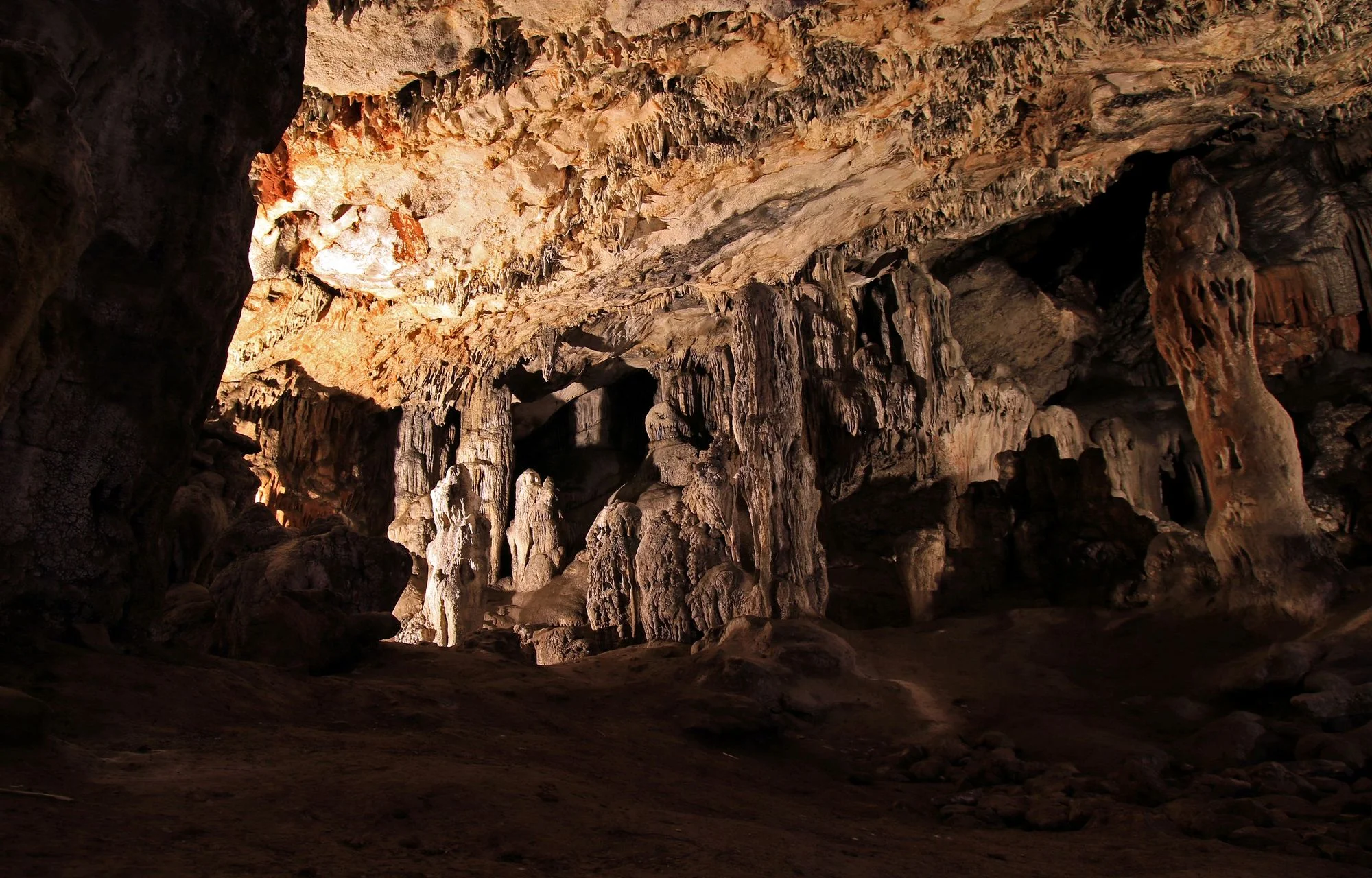
Grapčeva cave, Humac Photo: bayazed Depositphotos
One of the most significant finds from Grapčeva Cave is an engraved motif interpreted as the oldest known depiction of a boat in Europe, dated to around 3000 BCE. This discovery points to an early knowledge of seafaring and a strong connection between these prehistoric communities and the sea.
Physically, the cave consists of an entrance corridor measuring approximately 13.5 × 5 m, which leads into a main chamber about 23 × 22 m in size. The interior is rich in stalactites and stalagmites that form natural stone columns. A past limestone collapse partially sealed the entrance, which enabled the exceptionally good preservation of archaeological layers and finds.
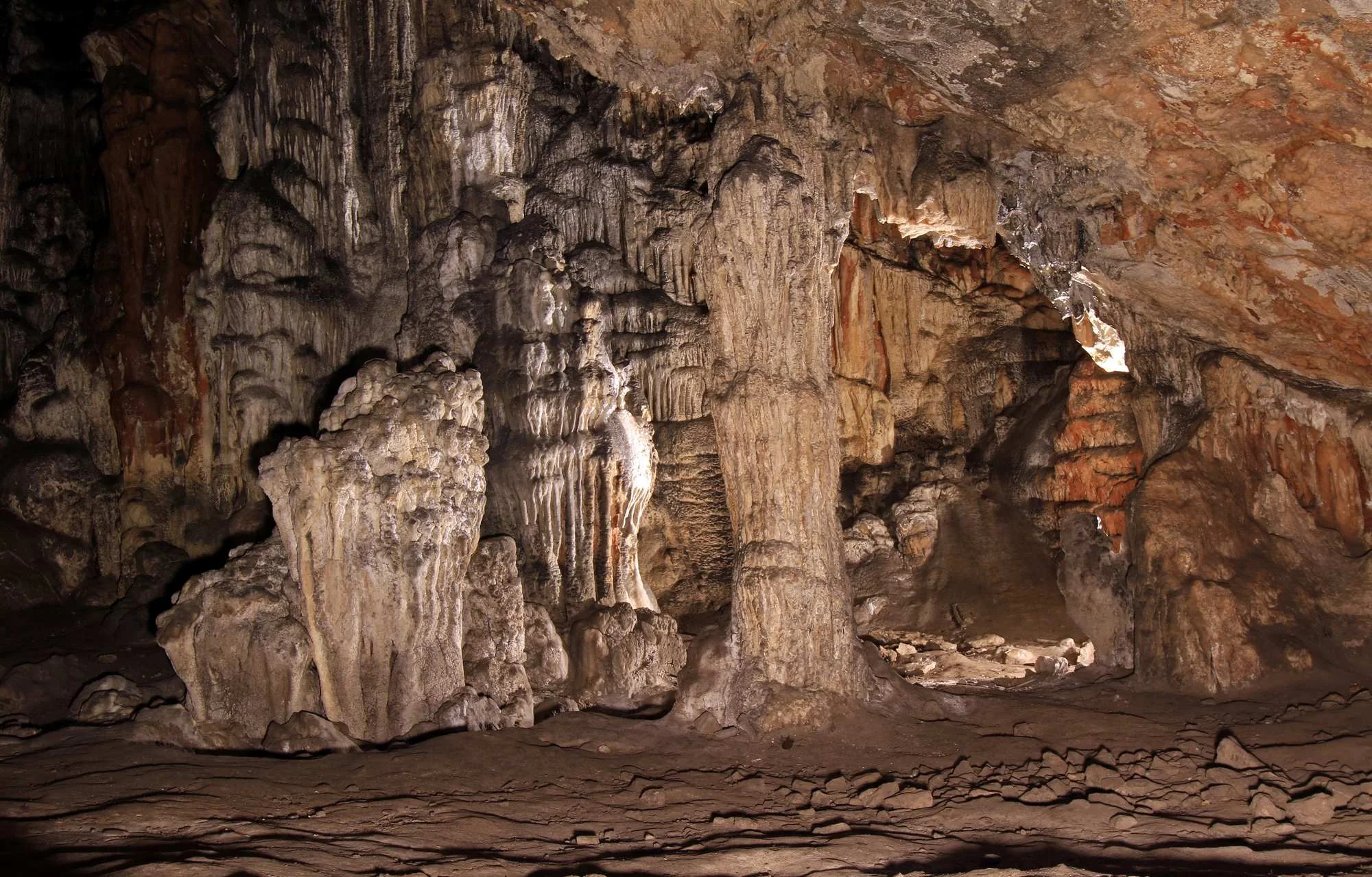
Grapčeva cave, Humac Photo: bayazed Depositphotos
Because of its geomorphological and cultural value, Grapčeva Cave was declared a protected geomorphological natural monument in 1964. Today, it is managed in cooperation with the local community in Humac, and visits are possible exclusively with a professional guide.
The cave is reached on foot via a marked trail and only with an official guide, and the walk offers views toward Šćedro, Korčula, Vis, and, on very clear days, the Italian coast. This further confirms the strategic position of the site and explains why the area was suitable for long-term human habitation. Be sure to visit it.

Zoran Kovačić
I do miracles right away, but the impossible still takes me a little time!


Leave a Reply