
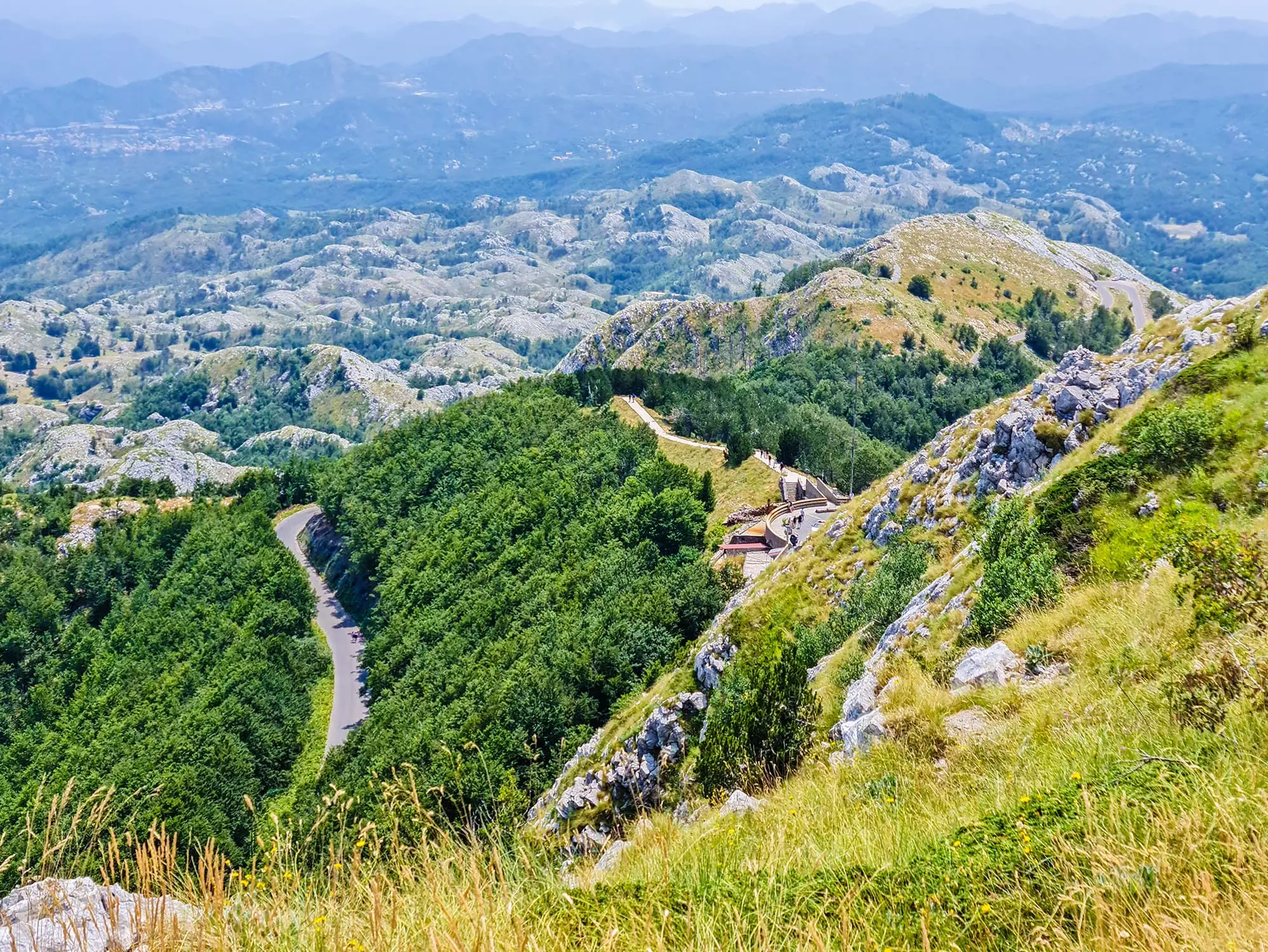
The mountain pearls of Montenegro! Five of the most beautiful massifs that will leave you breathless!
Montenegro is a land of mountains. This is not just a poetic phrase from the country’s name but a reflection of its actual geography, where mountain ranges stretch in every direction. On less than fourteen thousand square kilometers, this small country hides an incredible wealth of mountainous terrain. Here, the Dinaric Alps break, collapse, and rise into wild heights, while valleys, lakes, and ancient shepherd settlements lie between them. The number of mountain massifs rising above one thousand meters is remarkably high, and many of them exceed two thousand meters, making Montenegro one of the most mountainous countries in Europe relative to its size.
There are so many mountains in such a small area that names like Maganik, Sinjajevina, Prekornica, Vojnik, Njegoš, or Lola are often overshadowed by more famous neighbors. Yet they remain, broken and diverse, often uninhabited, hidden behind curtains of clouds. From the rugged and nearly inaccessible ridges of Prokletije to the rolling green slopes of Bjelasica, Montenegro is densely interwoven with mountain massifs, large and small, known and hidden.
Among them, five stand out for their beauty, character, and symbolism. These are their portraits.
Durmitor
In the northwest of the country, above the town of Žabljak, rises Durmitor, a mountain that combines the harshness of high rock faces with the softness of glacial lakes. Its highest peak, Bobotov Kuk, reaches two thousand five hundred and twenty-three meters and towers over a stunning landscape. What makes it one of the most beautiful massifs is the dramatic contrast between deep canyons such as the Tara River and the calm blue lakes nestled in green valleys, with panoramic views stretching across the northern region.

Durmitor, Photo: Nick Savchenko, CC BY-SA 2.0
Prokletije
In the far southeast of the country, near the borders with Albania and Kosovo, rise the Prokletije Mountains, a massif with the steepest and most dramatic relief in Montenegro. Zla Kolata, at two thousand five hundred and thirty-four meters, is the highest peak in the country. This massif stands out for its alpine silhouette, snow-covered peaks, and sheer rock walls that look as if they were cut from another continent. Prokletije are remarkable for their unusual geological structure, sharp ridgelines, and sudden sense of scale as you approach them from the valleys.
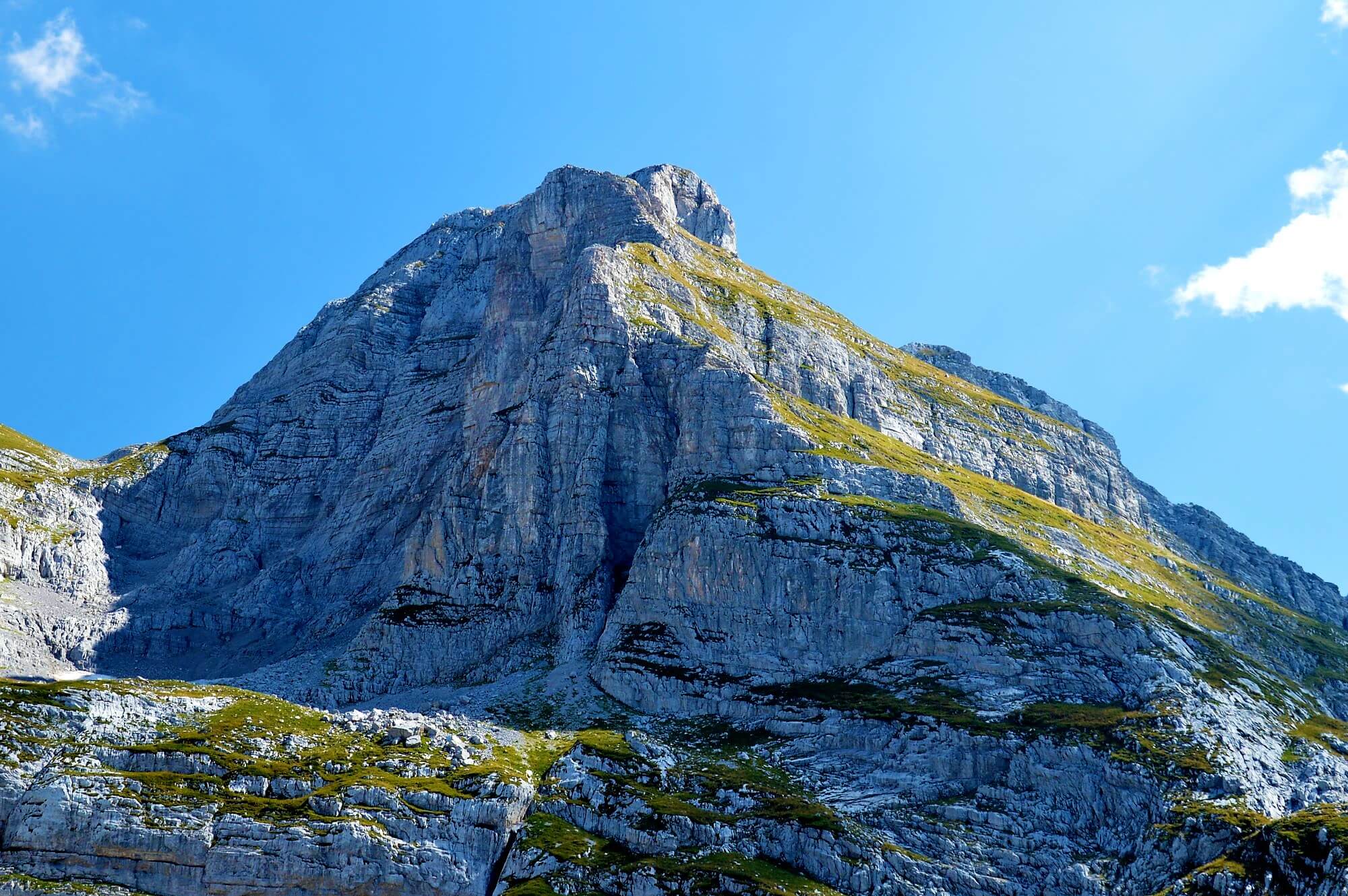
Zla Kolata, Prokletije, Montenegro, Photo: Pavouk
Komovi
East of Kolašin, between the rivers Tara and Lim, lies the Komovi massif, known for its three dominant peaks. Kom Kučki, Kom Vasojevićki, and Kom Ljevorečki are all higher than two thousand four hundred meters and together form an almost perfect natural amphitheater. The beauty of Komovi lies in the harmonious blend of grassy slopes and rocky ridges, with clearly defined outlines standing out against the sky. The clean form, defined terrain, and openness of the horizon make it one of the most visually appealing massifs in the country.

Komovi, Photo: master78, Depositphotos
Bjelasica
Bjelasica is located between the towns of Kolašin, Mojkovac, and Bijelo Polje. Unlike other Montenegrin massifs, it was formed through volcanic activity, which gives it a distinct, rounded terrain and rich vegetation. Its highest peak, Crna Glava, reaches two thousand one hundred and thirty-nine meters. What makes Bjelasica unique is its coverage of lush green pastures and dark forests, with lakes shimmering between gentle hills. The colors and shapes here are soft and pleasant, and thanks to its easy access from Kolašin, it is one of the most approachable mountain areas in the country.

Bjelasica, Photo: Matěj Baťha, CC BY-SA 3.0
Lovćen
Above the Bay of Kotor, between the coast and the interior, rises Lovćen. Its highest peak, Štirovnik, reaches one thousand seven hundred and forty-nine meters, while the slightly lower Jezerski Vrh is home to the mausoleum of Petar II Petrović Njegoš. Lovćen is visually striking because it rises directly above the sea, offering views that stretch across the entire bay, Skadar Lake, and inland Montenegro. Nowhere else in the country does nature create such a sharp contrast between the sea and the mountains.
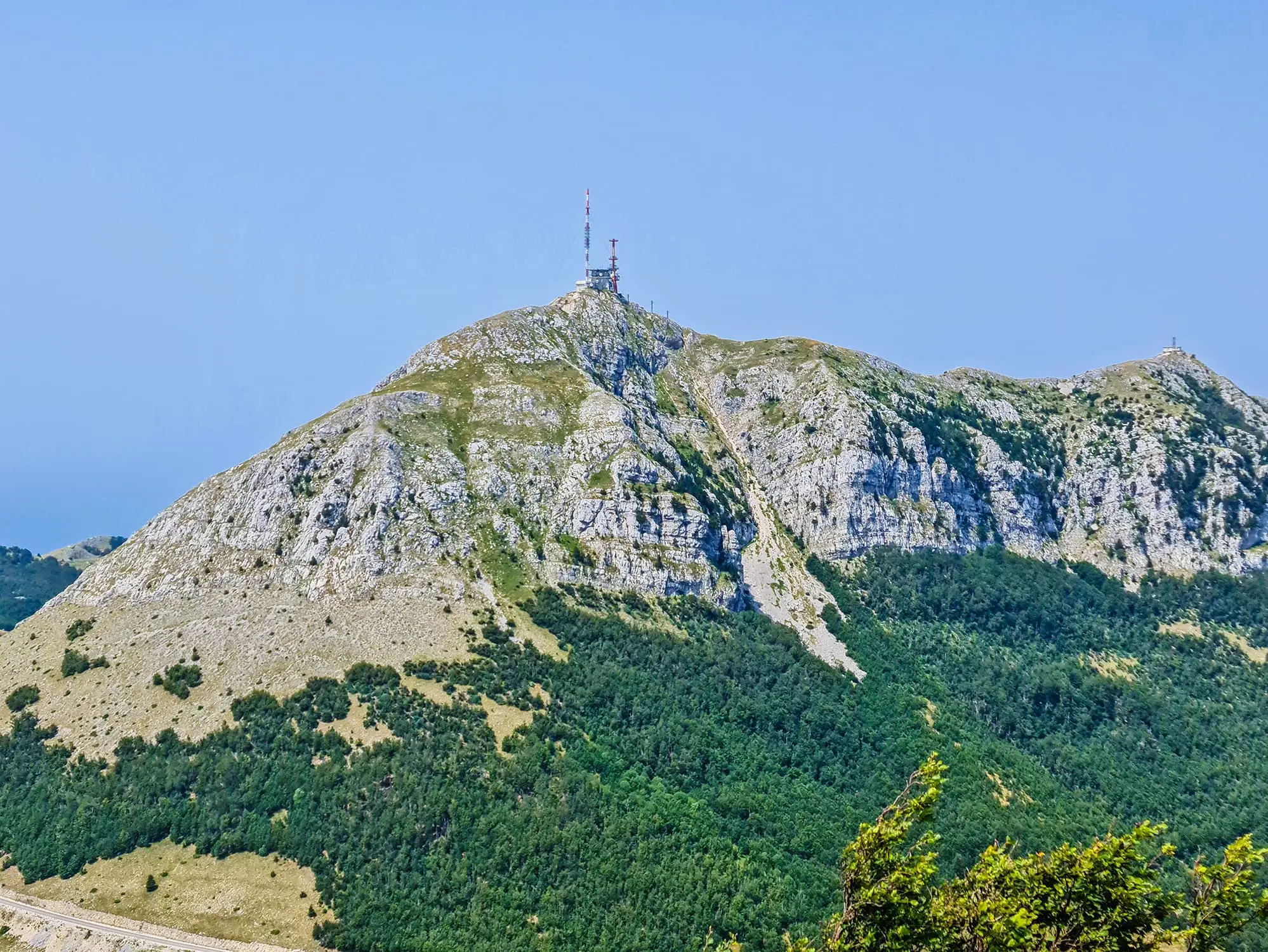
Štirovnik, NP Lovćen, Photo: Adria.fun
These massifs are not only the highest and most well-known. They are the most diverse in shape, color, accessibility, and visual impact. If you want to experience landscapes that change with every few steps and views that never grow old, these five mountains offer the perfect introduction to what Montenegro truly is.

Ahmed Taha
Peace, love and music! ☮️

Leave a Reply