
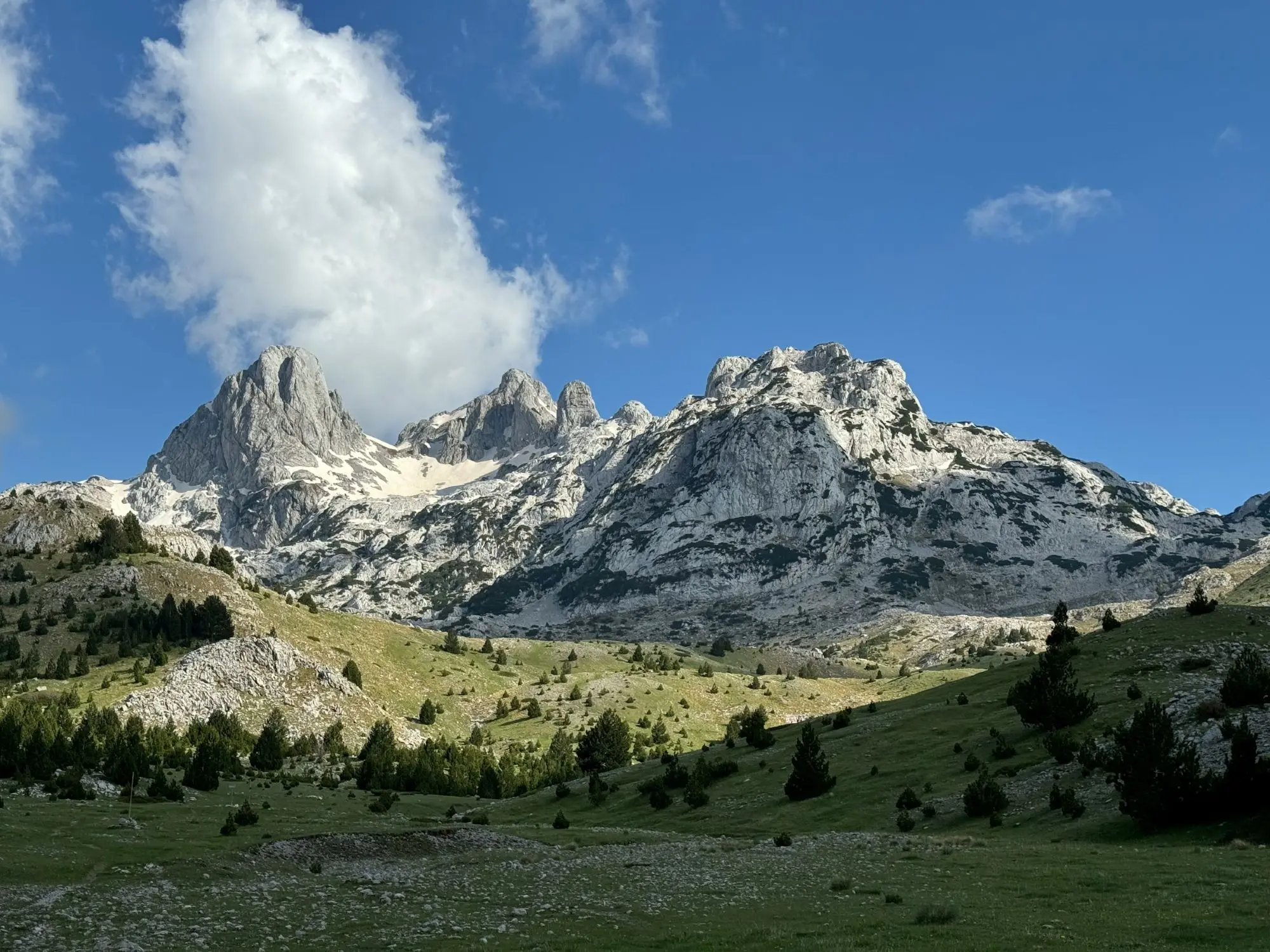
Which mountains make Bosnia and Herzegovina so unique?
Bosnia and Herzegovina is a country of exceptionally rich relief, intersected by mountains that cover more than half of its territory. Mountain ranges stretch across almost the entire country, forming natural borders, climatic zones, and landscapes that have shaped the way of life of its inhabitants for centuries. Here are the most famous mountain ranges that make this country so remarkable.

Kozara Photo: Svjetlopis, Vladimir Tadic, CC BY-SA 4.0
The largest part of the mountain system consists of the Dinaric Alps, which extend along the western and southern parts of Bosnia and Herzegovina. This range includes mountains such as Vranica, Prenj, Velež, Bitovnja, Raduša, Cincar, and part of Dinara. These mountains often rise above 2000 meters, known for their rocky peaks and clean pastures, and many of them offer excellent conditions for hiking and winter sports.
In the northwest of the country lies Kozara, a mountain known for its rich forests and the National Park that bears its name. Further east lies Grmeč, a symbol of Bosanska Krajina, while to the southwest stretches Šator, a mountain with numerous lakes and pastures. These mountains have gentler forms and accessible trails that attract nature lovers throughout the year.
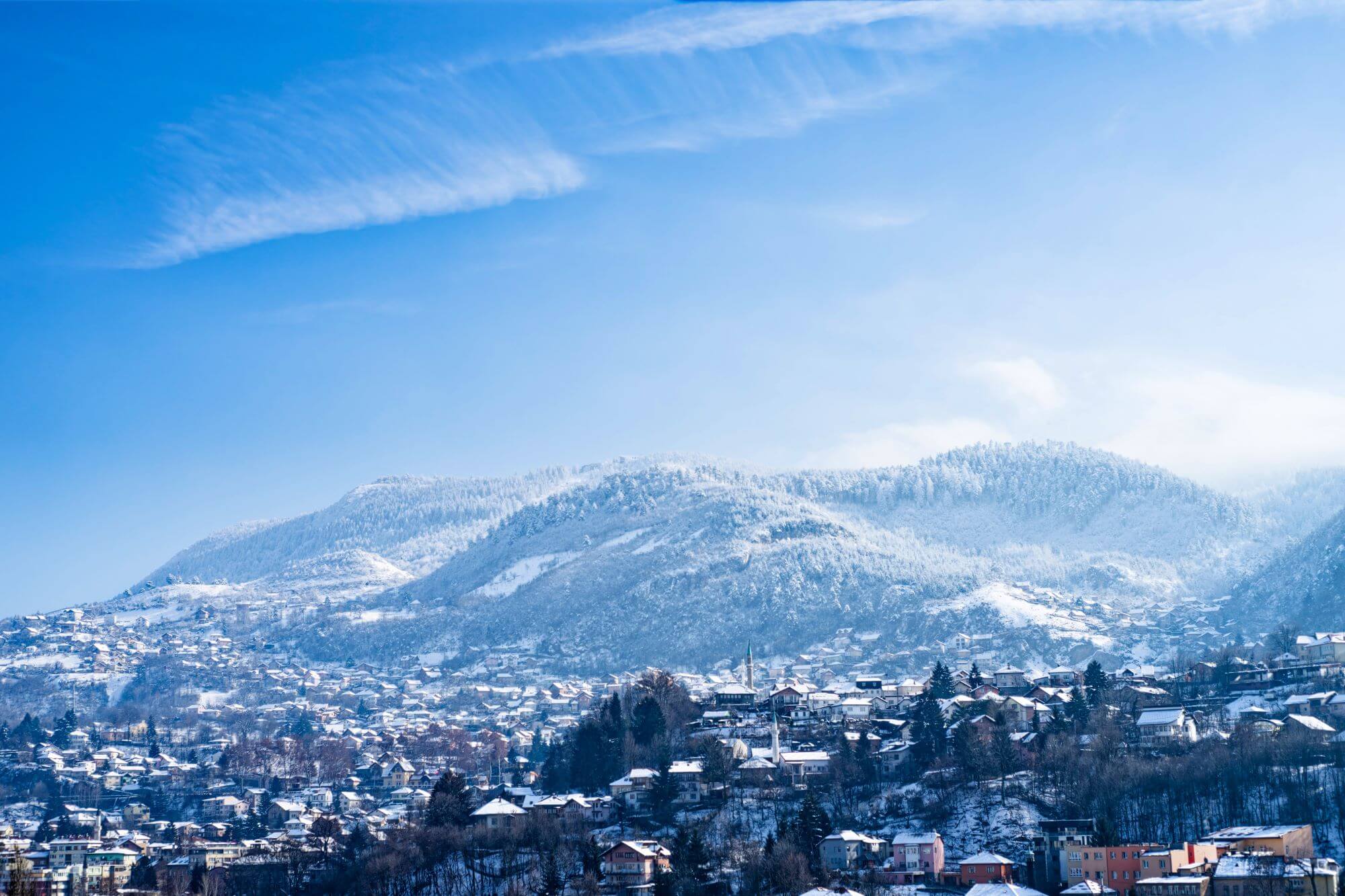
View of Trebević, Photo: Guillaume Flament, CC BY-ND 2.0 DEED
The central part of the country is marked by Vlašić, a mountain that has become one of the most famous tourist centers in Bosnia and Herzegovina. Vlašić is known for its cheese, hiking trails, and ski slopes. Further south rise Prenj and Čvrsnica, often called the Herzegovinian Alps because of their steep cliffs and demanding ascents, while Vranica attracts visitors with its rich vegetation and clear mountain streams.
In eastern Bosnia dominate Romanija, Jahorina, Trebević, Bjelašnica, and Igman. These mountains gained worldwide recognition during the 1984 Winter Olympic Games in Sarajevo. Today, they are popular destinations for skiing, hiking, and recreation, as well as natural oases in the immediate vicinity of the capital city.

Bjelašnica, Photo: Adria.fun
In southern Herzegovina, the landscape becomes rocky and rugged, yet very captivating. The mountains Čabulja, Velež, Orjen, and Leotar rise above Mostar, Nevesinje, and Trebinje, offering panoramic views and untouched nature. Due to their specific climate and karst formations, these mountains are often home to rare plant species.
The highest peak in Bosnia and Herzegovina is Maglić, 2386 meters high, located on the border with Montenegro within Sutjeska National Park. Maglić, together with Volujak and Zelengora, forms an area of exceptional natural value. Nearby lies the Perućica primeval forest, one of the last untouched forest areas in Europe.
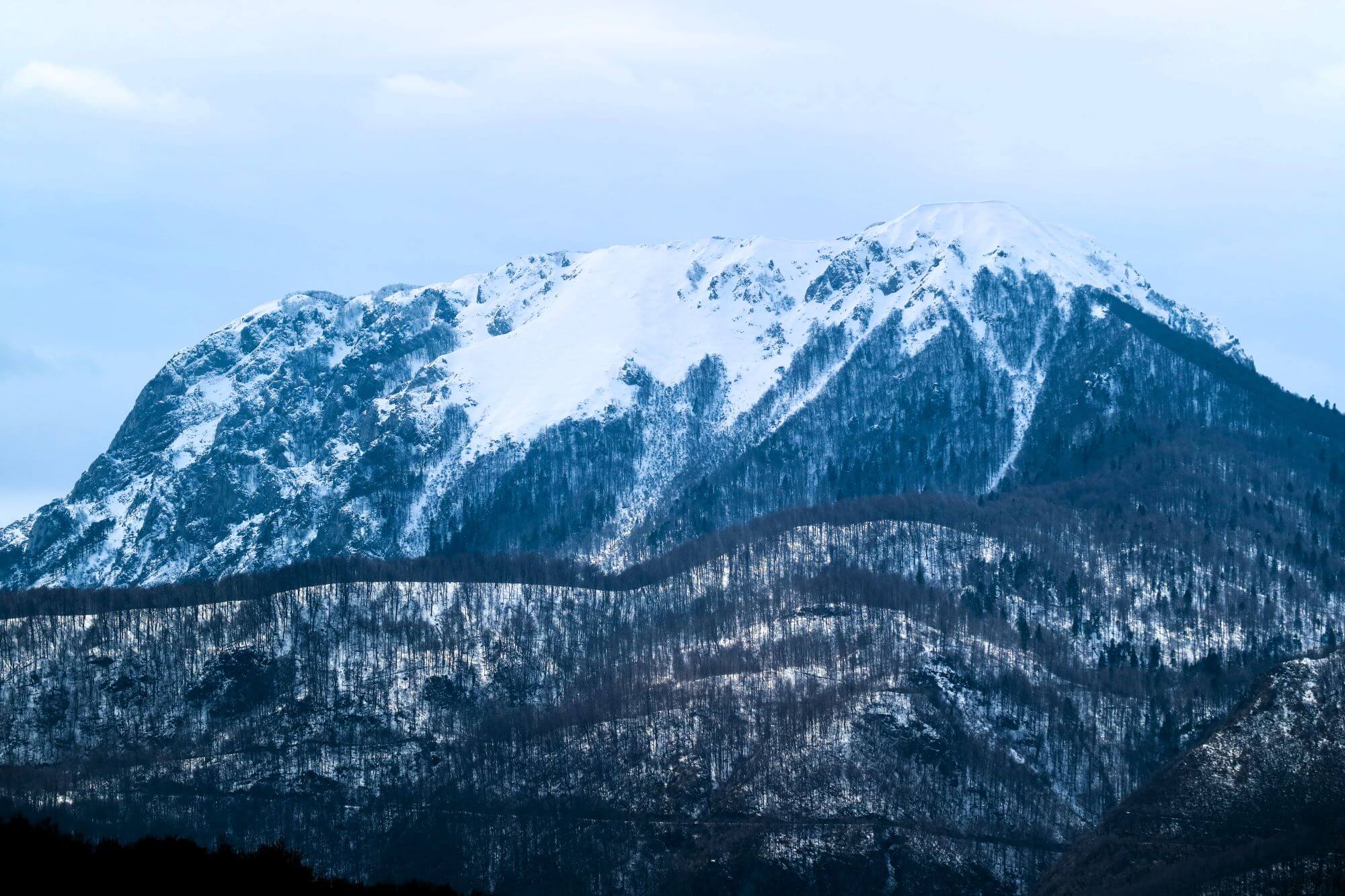
Maglić, Bosnia and Herzegovina, Photo: Iain Hinchliffe, CC BY-NC-ND 2.0 DEED
The mountains here offer a wide range of experiences, from serious alpine challenges to easy hiking trails and family excursions. Each mountain has its own character, but all share clean air, tranquility, and natural beauty that leave a lasting impression on every visitor. They are well worth exploring!

Sara Sedić
I plan to live in the moment :)
Leave a Reply