
What is Igman hiding? Excursions, paths and traces of the Olympics
As we recently wrote about the mountains that make Bosnia and Herzegovina unique, Igman appeared on that list as a mountain that holds a special place due to its location, climate, and history. It is one of the closest and most accessible mountains to Sarajevo, which is why Igman has for decades been used as an excursion area, a sports terrain, and a winter destination. Only when you look at its actual size and the diversity of its terrain does it become clear why Igman stands out as an important part of the identity of the Sarajevo region.
Igman Photo: Muamer Depositphotos
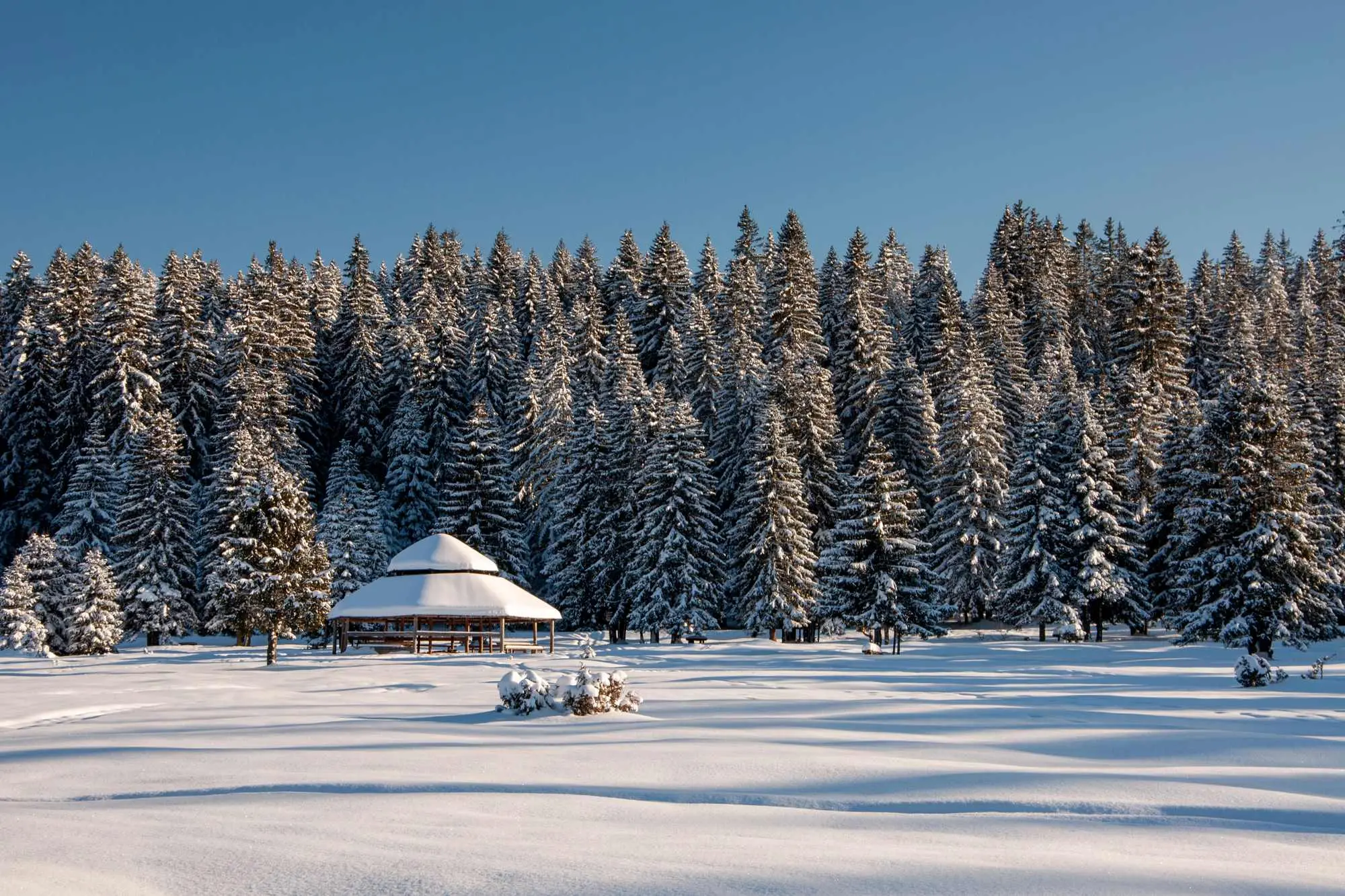
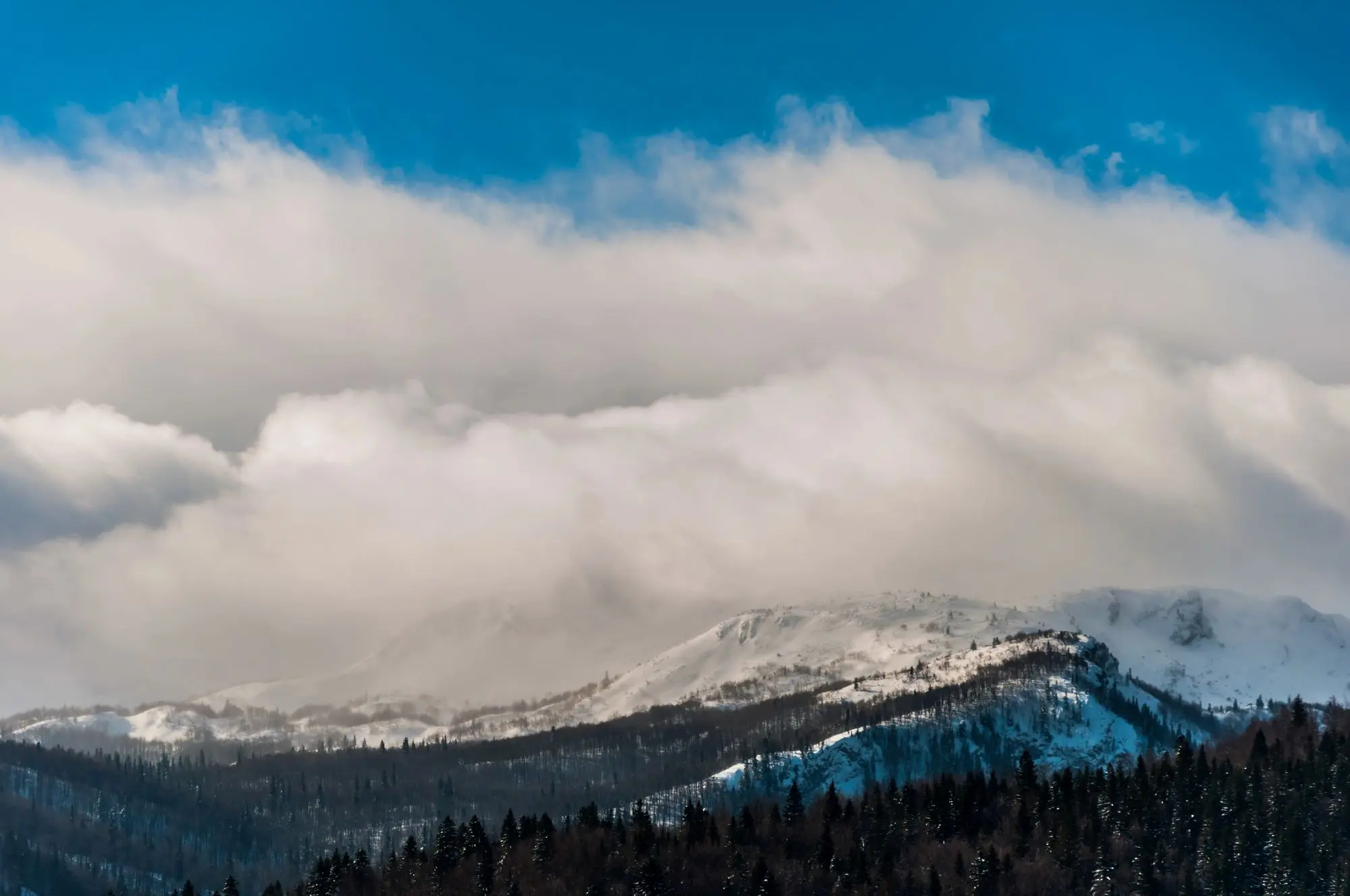
Located southwest of the city, between Bjelasnica and Hadzici, Igman rises to its highest peak, Crni vrh, which reaches 1502 meters. The mountain is recognizable for its large plateaus, Veliko polje and Malo polje, and it was on Veliko polje in 1963 that a temperature of minus 43 degrees Celsius was recorded, one of the lowest ever measured in Bosnia and Herzegovina. Because of the combination of altitude, forests, and open grassy areas, Igman is suitable for activities throughout the entire year, from hiking and cycling in summer to winter sports.
Igman is especially important for Nordic skiing disciplines. Veliko polje offers kilometers of groomed tracks for cross-country skiing and biathlon, and is also used for sports club preparations. Malo polje, with its gentle slopes, is ideal for beginners, ski schools, and families who want a calmer alternative to the steeper parts of Bjelasnica. Stable snow and easy access make Igman one of the most reliable winter destinations for residents of Sarajevo.
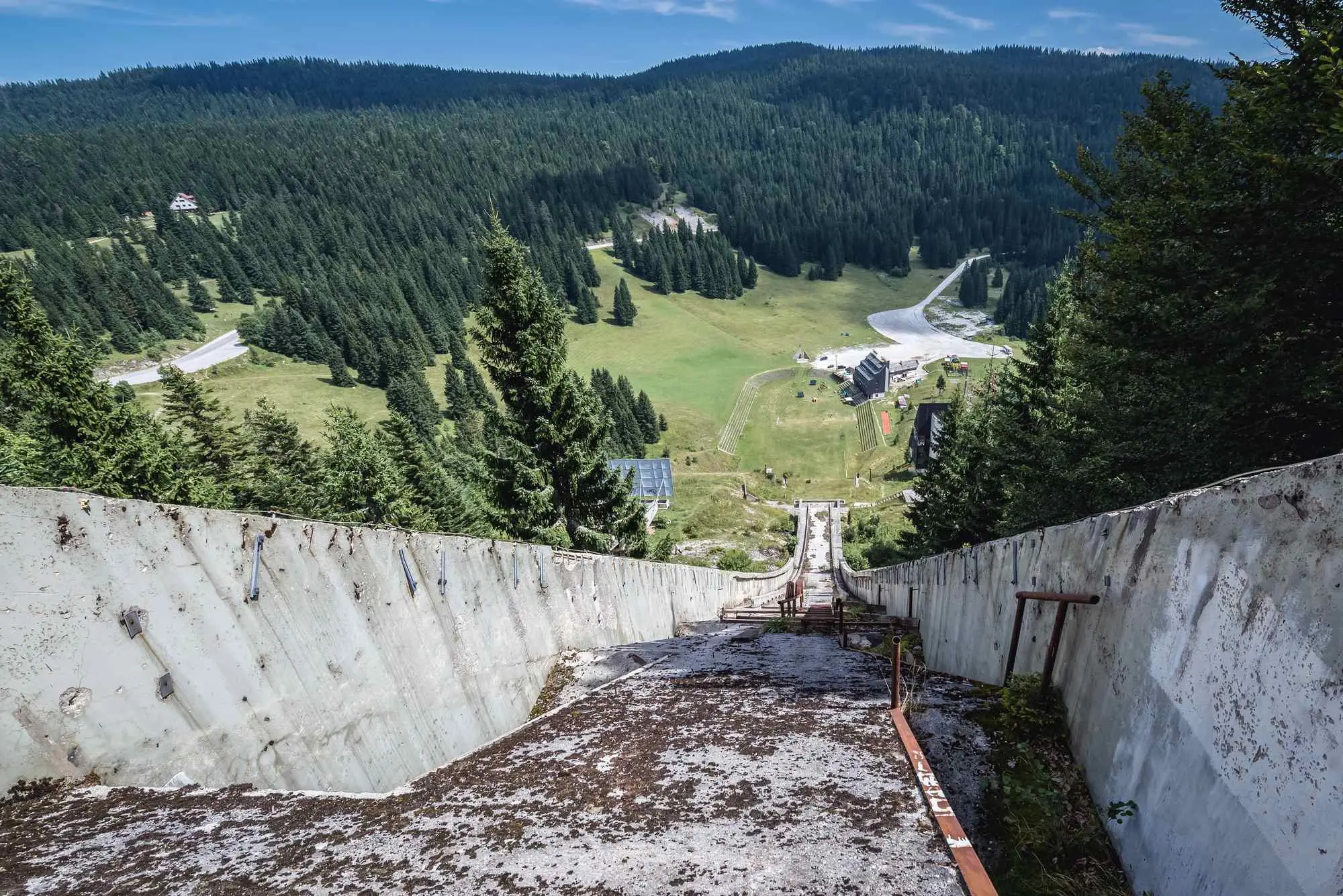
During the Winter Olympic Games in 1984, Igman was one of the key competition sites. Veliko polje served as the main center for biathlon and cross-country skiing, with accompanying ranges and facilities built according to Olympic standards. On Malo polje, there were two ski jumps, K70 and K90, along with stands, technical structures, and television platforms, which were among the most modern in the region at the time and one of the most visited Olympic venues. After the war and many years without maintenance, the ski jumps and part of the infrastructure ceased to operate. Today, the remains of the jumps, the foundations of auxiliary buildings, and the outlines of the Olympic tracks are still visible, and despite their deterioration, they continue to attract visitors for their historical and sporting value.
Veliko polje and Malo polje remain the most visited excursion areas on Igman, suitable for walking, sports preparation, and spending time in nature. Hikers and recreational visitors regularly use the forest paths that connect different parts of the mountain.
Igman Photo: fotokon Depositphotos
A particularly important place is the Stojcevac picnic area, located on the Sarajevo side of Igman. Once part of a closed state complex, Stojcevac is now open and is one of the most popular places for family outings, with large green areas, a small stream running through the site, and a dense belt of forest.
Whether you come for winter sports, walking, picnic areas, or exploring Olympic heritage, Igman offers enough space and activities to make every visit worthwhile and enjoyable.

Stojčevac Lake, Ilidža, Photo: Sporisevic Photography, Unsplash

Zoran Kovačić
I do miracles right away, but the impossible still takes me a little time!
Leave a Reply